Why Renovation Budgets Fail and How to Protect Yours
You finally saved up for that kitchen update or bathroom remodel. You had a number in mind, a plan on paper, and even a little wiggle room. Then the contractor pulled up the subfloor, and everything changed. Suddenly, your carefully planned budget is blowing up, and you are left wondering where all the money went. This scenario is more common than you think, and it is exactly why renovation budgets fail for so many homeowners.
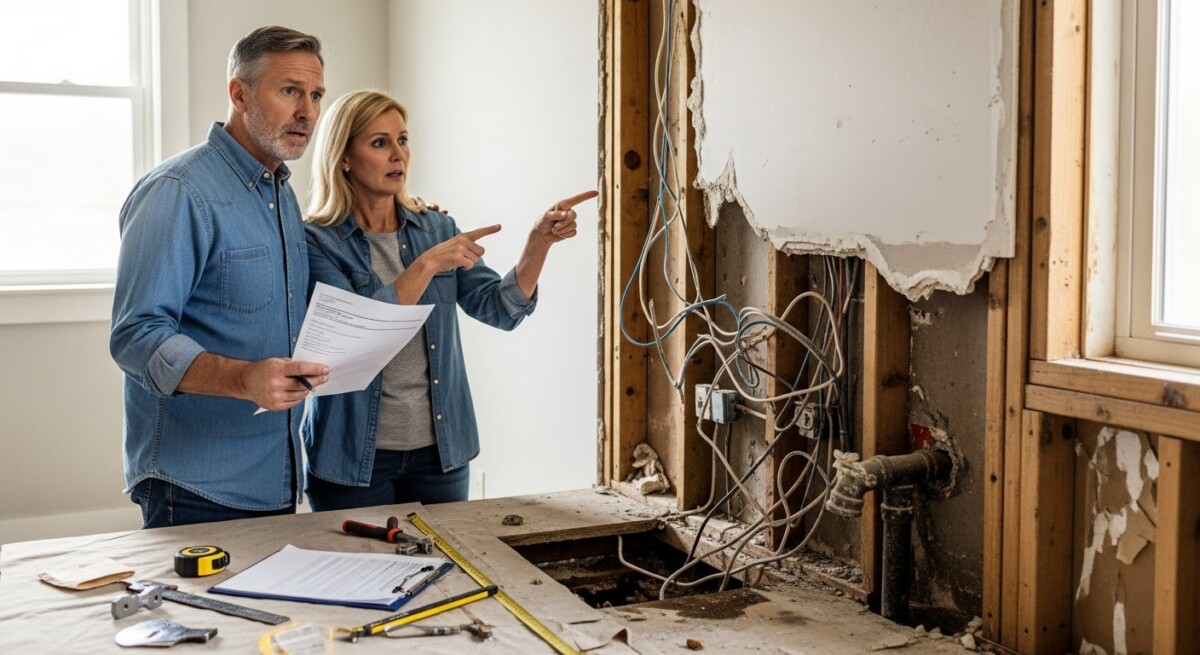
Hidden problems,like old wiring, water damage, or structural rot,are often the culprits. When these issues appear mid-project, costs climb fast. Ignoring the warning signs or trying to patch things up can turn a simple renovation into a financial nightmare. The good news is that understanding the risks and working with the right professionals can keep your project on track.
Understanding why renovation budgets fail
A renovation budget fails when unexpected costs push the total price far beyond what you planned to spend. This usually happens because of hidden conditions inside your home that only become visible once walls are opened or floors are removed. What starts as a cosmetic upgrade can quickly reveal expensive structural, electrical, or plumbing problems.
These budget failures are most common in older homes, but even newer houses can have surprises. Poor previous repairs, building code updates, or simple wear and tear can add thousands to your project. The key is to plan for the unexpected and to hire a professional who knows how to spot trouble early.
Why surprises are so common
Most homeowners don’t have X-ray vision into their walls or under their floors. A contractor might see surface-level issues during a walkthrough, but the real state of your home’s infrastructure stays hidden until demolition begins. That is why even the best estimates can miss problems that end up costing you time and money.
Why This Matters for Your Home
When a renovation budget fails, the impact goes beyond your wallet. Unplanned costs can force you to cut corners, use cheaper materials, or leave work unfinished. This puts your home at risk for safety hazards like electrical fires, mold growth, or structural weakness. Your comfort and your family’s well-being are on the line.
Delaying necessary repairs or trying to save money by ignoring hidden issues only makes things worse. A small leak behind a wall can turn into widespread rot. Old wiring can become a fire hazard. The longer you wait, the more expensive the fix becomes. Protecting your home means addressing problems early and properly.
If you notice signs of this issue in your home, it may help to speak with a qualified contractor. Request a free quote or call to explore your repair or remodeling options.
Common Problems Homeowners Experience
Most homeowners discover budget failures when a contractor finds something they did not expect. Maybe the drywall comes down and reveals black mold. Or the plumber finds corroded pipes that need replacing. These discoveries are stressful, but they are also very common.
The problems that cause budgets to fail often fall into a few categories. Some are visible if you know what to look for, while others stay hidden until work begins. Here are the most frequent issues:
- Water damage and mold behind walls or under floors
- Outdated electrical wiring that doesn’t meet current safety codes
- Structural rot or termite damage in framing and support beams
- Old plumbing that is corroded or improperly installed
- Asbestos or lead paint in older homes that requires special removal
- Poor previous repairs that covered up deeper problems
How Professionals Solve the Problem
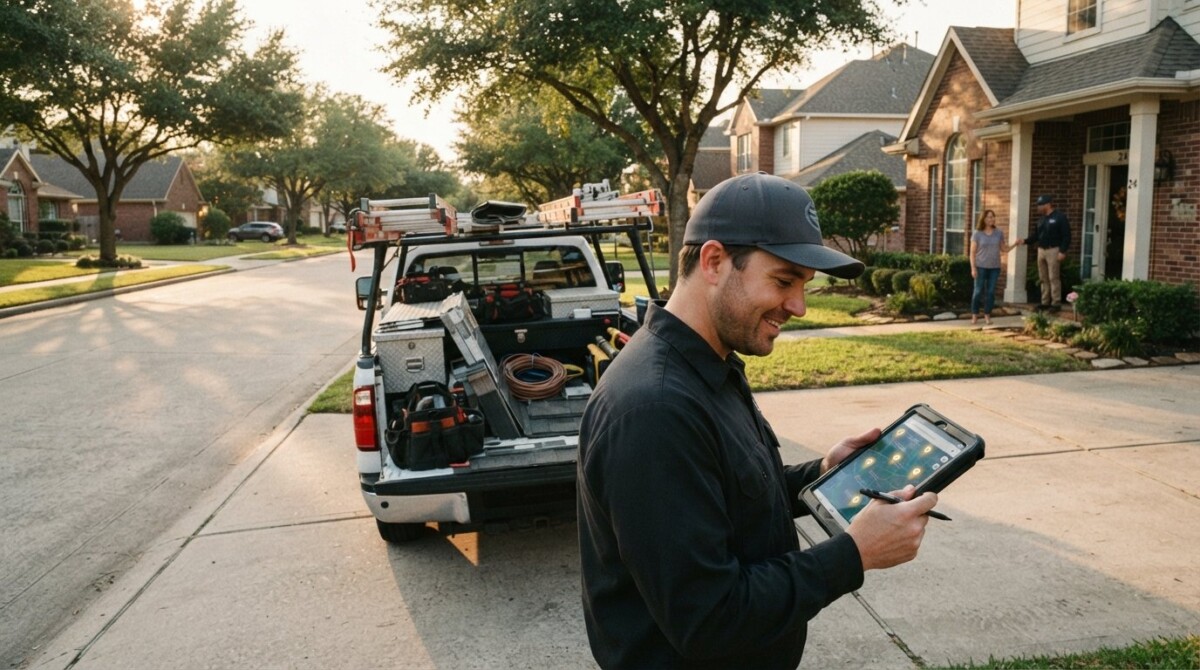
Experienced contractors have seen these surprises before. They know how to plan for them and how to handle them efficiently. Instead of panicking when they find hidden damage, a professional will assess the situation, explain your options, and give you a clear path forward. They also have the tools and skills to fix problems correctly the first time.
Here is how a typical professional renovation process works:
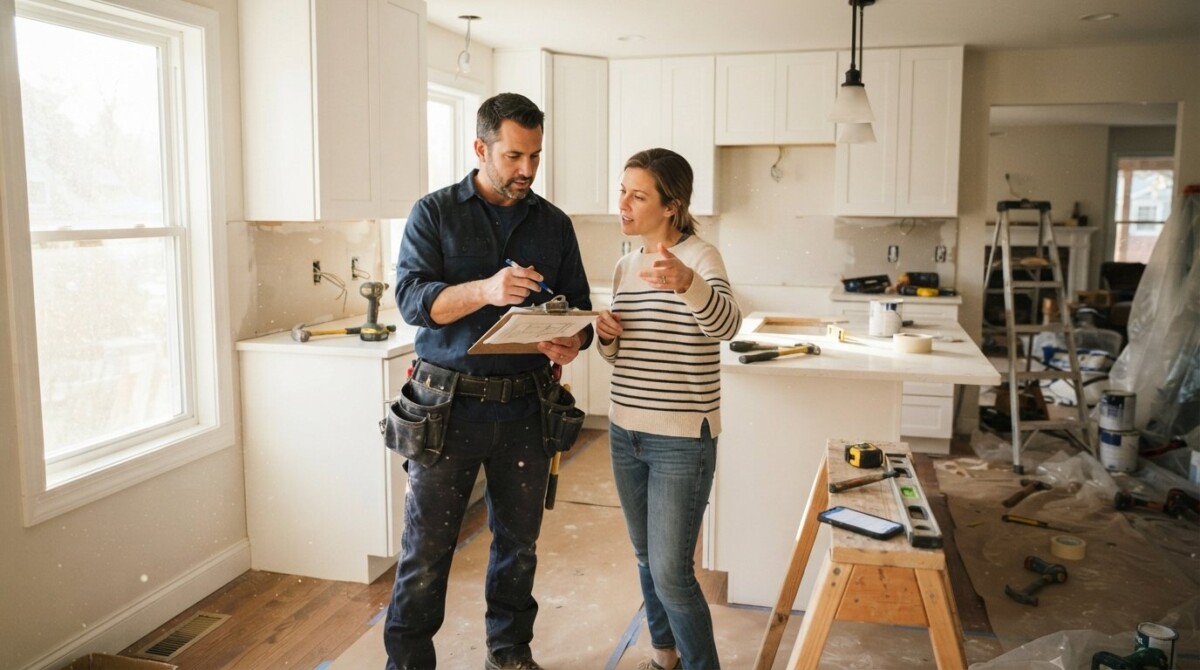
- Thorough inspection , The contractor examines your home, including hard-to-reach areas, to identify potential issues before work starts.
- Detailed estimate , You receive a clear breakdown of costs, including allowances for potential surprises.
- Planned contingency , Most pros recommend setting aside 10,20% of your budget for unexpected problems.
- Professional repairs , When hidden issues are found, they are fixed to code, ensuring safety and durability.
- Final walkthrough , You see the finished work and know everything is done right.
A professional inspection can reveal hidden issues before they become expensive repairs. Compare contractor quotes here or call to discuss your project.
Warning Signs You Should Not Ignore
Your home often gives you clues before a renovation budget fails. Learning to spot these early warning signs can save you thousands of dollars and a lot of stress. If you see any of these issues during your planning phase, take them seriously.
- Musty odors near walls or floors, which often indicate hidden moisture or mold
- Warped or buckling flooring that suggests water damage underneath
- Flickering lights or tripping breakers when you use appliances
- Cracks in walls or ceilings that may signal foundation or structural movement
- Stains on ceilings or walls from past or active leaks
- Old, brittle pipes visible under sinks or in the basement
If you notice any of these signs, don’t ignore them. Early action can prevent a small issue from becoming a major budget-buster. A quick inspection by a professional can give you peace of mind and a realistic picture of what your renovation will really cost.
What Affects the Cost of Repairs or Installation
Several factors influence how much you will pay for repairs or a full renovation. Understanding these can help you set a realistic budget and avoid surprises. The size of the project is the biggest factor, but other details matter just as much.
Materials play a huge role. High-end finishes cost more, but they also last longer. Labor costs vary based on the complexity of the work and the skill level required. Accessibility also matters , if workers have to crawl through a tight attic or move heavy appliances, the price goes up. Older homes often require more labor because of outdated systems and non-standard construction.
Costs can vary depending on the condition of your home. The best way to know the price is to get a personalized estimate. Request free quotes from contractors or call today.
How to Choose the Right Contractor
Picking the right contractor is one of the most important decisions you will make for your renovation. A good contractor will help you avoid budget failures by planning thoroughly and communicating clearly. Here are some tips to help you choose wisely:
- Check licenses and insurance , Make sure the contractor is licensed in your state and carries liability and workers’ compensation insurance.
- Read customer reviews , Look for recent reviews on Google, Yelp, or the Better Business Bureau to see what past clients say.
- Ask for detailed estimates , A good estimate breaks down materials, labor, permits, and contingency costs.
- Compare multiple quotes , Get at least three estimates to understand the market rate and spot unusually high or low bids.
- Confirm experience with similar projects , Ask if they have done work like yours before, especially in homes of similar age or style.
Long-Term Benefits of Professional Work
Hiring a professional contractor to handle your renovation is an investment that pays off for years. When work is done right, your home becomes safer, more comfortable, and more valuable. You also avoid the headache of repeated repairs or shoddy work that needs to be redone.
Professional renovations often improve energy efficiency, lowering your utility bills. New windows, insulation, and HVAC systems work better and last longer. Your home’s resale value also increases because buyers trust professionally completed work. Plus, you get the peace of mind that comes from knowing your family is safe and your home is built to last.
Don’t let a blown budget keep you from enjoying the home you deserve. By planning ahead, working with pros, and comparing quotes, you can tackle your renovation with confidence.
What is a contingency budget for a renovation?
A contingency budget is extra money set aside , usually 10 to 20 percent of your total project cost , to cover unexpected issues like hidden water damage or outdated wiring. It acts as a financial safety net so you don’t have to stop work or go into debt when surprises pop up.
How can I avoid cost overruns during a remodel?
Start with a thorough inspection by a qualified contractor to identify potential problems early. Get a detailed written estimate that includes material and labor costs, and always build in a contingency fund. Communicate openly with your contractor and avoid making last-minute changes to the scope of work.
Why do older homes have more renovation surprises?
Older homes often have outdated electrical, plumbing, and structural systems that don’t meet current building codes. Previous owners may have made DIY repairs that hide deeper issues. When you open up walls or floors, these hidden problems become visible and often require expensive fixes to bring the home up to modern standards.
Should I fix hidden damage myself to save money?
It is usually not a good idea. Hidden damage like mold, rot, or faulty wiring requires specialized knowledge and tools to fix safely. DIY repairs can make the problem worse, create safety hazards, or fail inspection. Professional contractors have the training to do the job right and often offer warranties on their work.
How much should I budget for a bathroom renovation?
A typical bathroom remodel costs between $6,000 and $15,000 for a standard-sized bathroom, depending on materials and labor. High-end finishes, custom work, or structural changes can push the cost higher. Always add a 10 to 20 percent contingency for unexpected issues like water damage or plumbing upgrades.
What is the most common reason renovation budgets fail?
The most common reason is discovering hidden problems after demolition begins. Water damage, mold, outdated wiring, and structural rot are frequent culprits. Without a proper pre-renovation inspection and a contingency fund, these surprises can quickly blow your budget.
How do I know if a contractor’s estimate is realistic?
Compare estimates from at least three contractors. A realistic estimate includes a clear breakdown of materials, labor, permits, and a contingency allowance. If a bid is significantly lower than others, ask why. Low bids often mean the contractor is cutting corners or hasn’t accounted for potential problems.
Can a contractor help me plan my renovation budget?
Yes, a good contractor can help you create a realistic budget by inspecting your home, discussing your goals, and providing a detailed estimate. They can also advise on where to spend more for quality and where you can save. Their experience helps you avoid common pitfalls that lead to budget failures.
Renovation budgets fail when homeowners don’t plan for the unexpected. But with a thorough inspection, a solid contingency fund, and the right professional help, you can keep your project on track and your finances under control. Before you start any renovation, take the time to compare contractor quotes and get a clear picture of what your project will really cost.
About the Author: Lila Kensington