What Remodeling Upgrades Increase Resale Value Most
You stand in your kitchen, staring at the same worn countertops and outdated cabinets you’ve looked at for years. Or maybe you’re in the bathroom, where the grout is crumbling and the faucet drips every night. You start wondering: If I put money into this room, will I ever see it again when I sell? It’s a question nearly every homeowner asks. The good news is that certain remodeling upgrades increase resale value reliably,but only if you choose the right projects. Ignoring major repairs or making poor upgrade choices can actually lower your home’s appeal and leave you with expensive problems down the road.
Understanding What Remodeling Upgrades Increase Resale Value
When we talk about remodeling upgrades that increase resale value, we mean specific home improvements that return a significant portion of their cost when you sell your house. These aren’t luxury extras or trendy finishes that go out of style in two years. Instead, they are functional, durable updates that buyers actively look for and are willing to pay more to get.
Projects like kitchen and bathroom remodels, new siding, energy-efficient windows, and modern flooring consistently rank at the top of return-on-investment (ROI) lists. According to industry data, a minor kitchen remodel can recoup over 80% of its cost, while a new steel entry door can return nearly 100%. The key is focusing on improvements that solve real problems,like old plumbing, poor insulation, or dated layouts,rather than purely cosmetic changes. Homes built before 2000, especially those with original kitchens, bathrooms, or roofing, tend to benefit the most from strategic upgrades.
Why ROI Varies by Region and Home Type
Not every upgrade works the same in every market. A basement remodel may add huge value in a city where square footage is expensive, but do little for a home in a flood zone. Similarly, adding a deck might be a top priority for buyers in warmer climates but less important in colder regions. The smartest approach is to research what local buyers want or, better yet, ask a real estate agent before you start spending.
Why This Matters for Your Home
Delaying necessary remodeling upgrades doesn’t just leave you with an outdated home,it actively costs you money. Small problems like a leaking roof, cracked windows, or failing HVAC systems grow into much larger, more expensive repairs if ignored. A minor roof leak can lead to mold, rot, and structural damage that costs thousands to fix. Outdated electrical systems can create fire hazards. And homes with obvious deferred maintenance often sit on the market longer and sell for less.
Beyond safety, there’s the comfort factor. Drafty windows, inefficient appliances, and worn flooring make daily life less enjoyable. You might not realize how much energy you’re wasting until you replace old windows and see your heating bill drop by 20%. Investing in proven upgrades doesn’t just protect your property,it improves the way you live in it right now. And when it’s time to sell, a well-maintained home commands a premium because buyers know they won’t have to do major work right away.
If you notice signs of this issue in your home, it may help to speak with a qualified contractor. Request a free quote or call to explore your repair or remodeling options.
Common Problems Homeowners Experience
Many homeowners don’t realize their property is losing value until they try to sell or have a contractor inspect it. By then, what could have been a simple upgrade has turned into a full-blown renovation. The most common problems include aging kitchens and bathrooms that look and function poorly, drafty or fogged-up windows that signal seal failure, and worn roofing that leaks or shows bald spots. These issues are not just cosmetic,they directly affect a home’s marketability and price.
Other frequent issues include outdated flooring like stained carpet or scratched hardwood, inefficient HVAC systems that drive up utility bills, and lack of curb appeal due to peeling paint or an old front door. Each of these problems sends a signal to buyers that the home hasn’t been cared for, which often leads to lower offers or demands for price reductions. The good news is that targeted upgrades in these areas are exactly what remodeling experts recommend to boost resale value.
- Outdated kitchens with old appliances, laminate countertops, and worn cabinets
- Bathrooms with cracked tile, poor ventilation, and inefficient fixtures
- Windows that are single-pane, drafty, or have broken seals
- Roofs that are near the end of their lifespan or show visible damage
- Flooring that is stained, torn, or badly dated
- Exterior elements like siding, paint, or the front door that look tired
How Professionals Solve the Problem
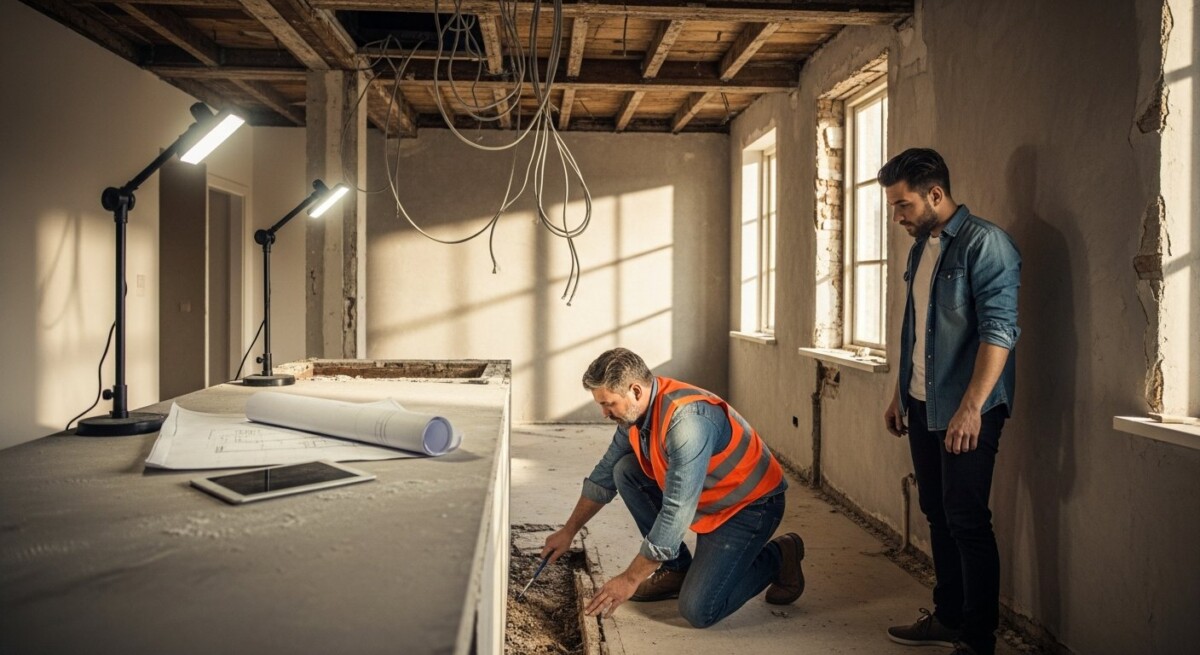
Experienced contractors approach remodeling upgrades with a clear process designed to maximize value while minimizing disruption. They start with a thorough inspection of the area you want to improve, checking for hidden issues like water damage, mold, or structural weaknesses that could undermine the project. This step alone can save you from costly surprises later.
- Inspection and planning: The contractor assesses the current condition, measures the space, and discusses your goals and budget.
- Material selection: You choose finishes, fixtures, and materials that fit your style and offer the best durability and ROI.
- Permitting and preparation: The contractor handles necessary permits and protects your home’s other areas from dust and debris.
- Installation or construction: Skilled tradespeople perform the work,whether it’s cabinetry, flooring, tiling, or window placement,following manufacturer specs and building codes.
- Final inspection and cleanup: The team double-checks everything, cleans up thoroughly, and walks you through the finished project.
Professional work is almost always safer and more reliable than DIY because experienced contractors know how to handle unexpected issues like out-of-square walls, old wiring, or plumbing that doesn’t align. They also carry insurance and warranties that protect you if something goes wrong. Trying to save money by doing it yourself can actually cost more in the long run if mistakes need to be fixed by a pro anyway.
A professional inspection can reveal hidden issues before they become expensive repairs. Compare contractor quotes here or call to discuss your project.
Warning Signs You Should Not Ignore
Your home often gives you clues that certain upgrades are overdue. Paying attention to these warning signs early can save you thousands and make your home much more attractive to future buyers. If you notice any of the following, it’s time to start planning a remodeling upgrade rather than waiting until the problem forces your hand.
- Water stains on ceilings or walls near the bathroom or kitchen
- Windows that are difficult to open, close, or show condensation between panes
- Musty odors or visible mold in basements, bathrooms, or crawl spaces
- Flooring that feels spongy, warped, or has loose tiles
- High energy bills that keep rising despite normal usage
- Outdated electrical outlets (two-pronged instead of three-pronged) or frequent breaker trips
These signs are your home’s way of telling you that a system or finish has reached the end of its useful life. Addressing them now with professional upgrades not only improves your daily comfort but also prevents the kind of damage that turns a simple remodel into a major renovation. In our guide on modern home renovation ideas that increase value and comfort, we explain how to prioritize these projects.
What Affects the Cost of Repairs or Installation
No two remodeling projects cost exactly the same, even if they sound similar. Several factors influence the final price, and understanding them helps you budget realistically and compare quotes fairly. The size of the space is the most obvious factor,remodeling a small powder room costs far less than a master bathroom with a walk-in shower and double vanity.
Materials play a huge role too. Solid wood cabinets and quartz countertops cost more than MDF and laminate, but they also last longer and appeal more to buyers. Labor costs vary by region and the complexity of the job; for example, moving plumbing or electrical lines adds significantly to the price. Accessibility matters as well,a kitchen on the ground floor with easy access is cheaper to remodel than a third-floor bathroom with narrow stairs. Finally, the age of your home can introduce surprises like outdated wiring or lead paint that require special handling, increasing both time and cost.
Costs can vary depending on the condition of your home. The best way to know the price is to get a personalized estimate. Request free quotes from contractors or call today.
How to Choose the Right Contractor
Finding a contractor you can trust is just as important as choosing the right upgrade. A great contractor will deliver quality work on time and within budget, while a bad one can turn your dream remodel into a nightmare. Take your time during this step,it directly affects the outcome of your project and your home’s resale value.
- Check that the contractor is licensed, bonded, and insured for your state and type of work.
- Read recent reviews on Google, Yelp, or the Better Business Bureau, focusing on comments about communication and timeliness.
- Ask for a detailed written estimate that breaks down materials, labor, permits, and cleanup.
- Get at least three quotes so you can compare pricing and scope realistically.
- Confirm the contractor has specific experience with the type of project you’re planning, whether it’s kitchen remodels, window replacement, or bathroom renovations.
Taking these steps reduces the risk of hiring someone who cuts corners or disappears mid-project. Remember, the cheapest quote isn’t always the best value,look for a contractor who communicates clearly, offers a fair price, and has a solid reputation. For more insight on making smart choices, check out our complete guide to remodeling decisions.
Long-Term Benefits of Professional Work
Investing in professional remodeling upgrades pays off year after year, not just when you sell. High-quality materials and proper installation mean your new kitchen, bathroom, or windows will perform well for decades with minimal maintenance. You’ll spend less time fixing things and more time enjoying your home. Energy-efficient upgrades like new windows, insulation, or appliances also lower your monthly utility bills, putting money back in your pocket.
Safety is another major advantage. Professional contractors follow building codes that ensure your electrical, plumbing, and structural changes are safe. This protects your family and prevents issues during a home inspection when you sell. Most importantly, a home that has been professionally updated with the right remodeling upgrades consistently appraises for more, giving you a higher return when you decide to move. As we discuss in our article on value-boosting renovation ideas, strategic upgrades create a win-win: better living now and a stronger sale later.
What is the single best remodeling upgrade for resale value?
A minor kitchen remodel typically offers the highest return on investment, often recouping 80,85% of its cost. Focus on replacing countertops, cabinet fronts, and outdated appliances rather than a full gut renovation.
Do bathroom remodels increase home value?
Yes, a mid-range bathroom remodel can return about 70% of its cost at resale. Updating fixtures, adding a fresh coat of paint, replacing the vanity, and improving lighting are the most effective changes.
Are new windows worth the cost for resale?
Energy-efficient windows not only improve comfort and lower utility bills but also recoup around 70,80% of their cost when you sell. They are one of the most practical upgrades for older homes.
Should I replace my roof before selling?
If your roof is visibly damaged or near the end of its lifespan (20+ years), replacing it is strongly recommended. Buyers often walk away from homes with roof issues, and a new roof can return over 60% of its cost.
Does adding a deck or patio increase resale value?
Yes, wooden deck additions typically recoup about 65,75% of their cost. In warmer climates or homes with limited outdoor space, this return can be even higher.
What remodeling upgrades do not increase resale value?
Highly personalized upgrades like a home theater, wine cellar, or luxury swimming pool often fail to recoup their cost because they appeal to a narrow buyer pool. Stick with improvements most buyers want.
How much should I spend on a kitchen remodel for resale?
Industry experts recommend spending no more than 10,15% of your home’s current value on a kitchen remodel. Going over that can make it hard to recoup your investment when you sell.
Is it better to remodel or move to a newer home?
If you love your location and the structural bones of your home are sound, remodeling is often more cost-effective than moving. Compare the cost of desired upgrades against the price and moving expenses of a new home before deciding.
Choosing the right remodeling upgrades is one of the smartest financial decisions you can make as a homeowner. By focusing on projects that solve real problems, improve safety, and appeal to future buyers, you protect your investment and enjoy your home more today. The key is to act early, work with qualified professionals, and compare multiple quotes before committing. Start by getting estimates from trusted contractors in your area,you might be surprised how affordable a valuable upgrade can be.
About the Author: David