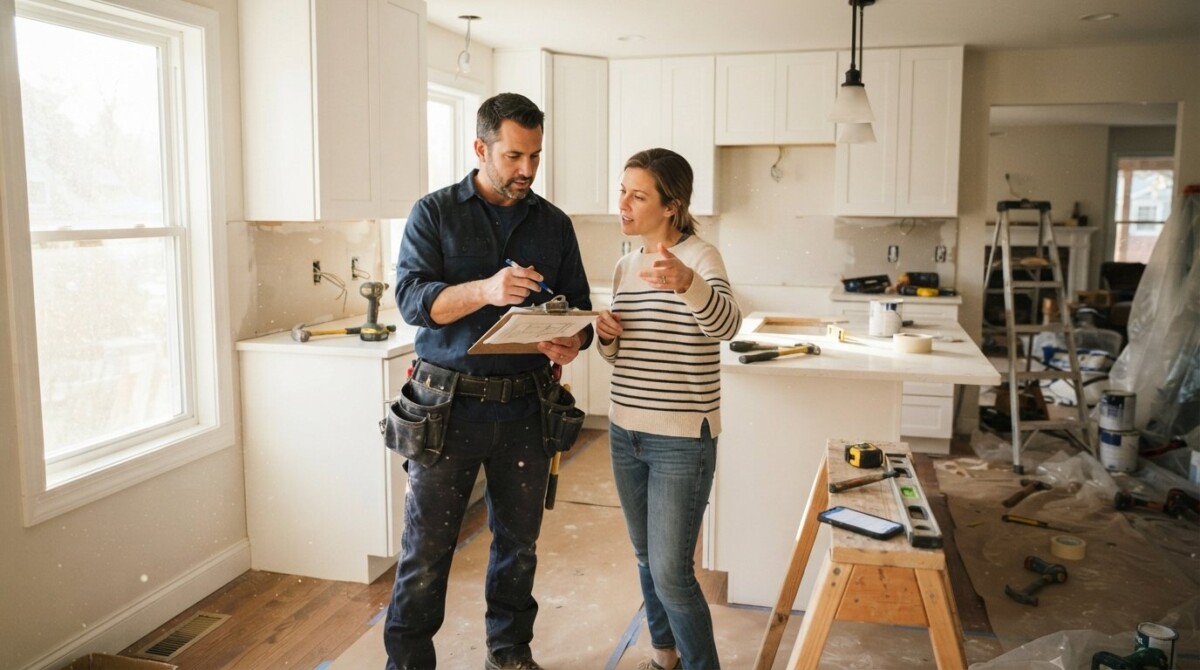

Your Home Remodeling Roadmap: Plan to Perfect Finish
Starting a home remodeling project is an exciting milestone, but it can quickly become overwhelming without a clear plan. Whether you are updating a single room or tackling a whole-house renovation, the difference between a smooth process and a stressful one often comes down to preparation. Home remodeling involves many moving parts: budgeting, design, permits, contractor selection, and material choices. Getting each step right is essential to achieving the result you envision while staying on time and within budget.
Planning Your Home Remodeling Project
The foundation of any successful home remodeling project is thorough planning. Before you pick up a hammer or choose a paint color, take time to define your goals. What do you want this space to become? Are you adding value for resale, improving daily function, or simply refreshing an outdated look? Answering these questions helps you set priorities and avoid scope creep later.
Once you have a clear vision, create a detailed scope of work. List every task from demolition to final touches. This list becomes your blueprint for hiring, purchasing materials, and scheduling. Next, establish a realistic budget. A good rule is to set aside 10 to 20 percent of your total budget for unexpected issues. Those surprises often include hidden water damage, outdated wiring, or structural repairs that only appear once walls are opened.
Here are three essential steps to build your remodeling plan:
- Assess your needs versus wants: Distinguish between must-haves (like a functional kitchen layout) and nice-to-haves (like high-end countertops). This helps you allocate funds wisely.
- Research local permits and codes: Many home remodeling projects require permits, especially for structural changes, electrical work, or plumbing. Check with your local building department to avoid fines and ensure safety.
- Create a realistic timeline: Factor in lead times for materials, contractor availability, and potential delays. A typical kitchen remodel can take 6 to 12 weeks, while a full basement finish may take 8 to 16 weeks.
With a solid plan in hand, you are ready to move into the design and material selection phase. Choose finishes that fit your budget and lifestyle. Remember, durability often matters more than trendiness, especially in high-traffic areas like kitchens and bathrooms.
Choosing the Right Contractor
Finding a reliable contractor is one of the most critical decisions in your home remodeling journey. A skilled contractor brings experience, subcontractor networks, and project management capabilities that can make or break your renovation. Start by asking for referrals from friends, family, or local real estate agents. Online reviews and industry associations also provide valuable leads.
When vetting contractors, look for proper licensing, insurance, and a portfolio of completed projects similar to yours. Ask for at least three references and follow up with them. Pay attention to communication style: a contractor who listens and explains details clearly will likely handle problems more effectively. Always get multiple bids, but avoid choosing solely on price. The lowest bid often signals cut corners or insufficient coverage.
For homeowners ready to find qualified professionals, consider using a service that connects you with pre-vetted contractors. In our guide on finding quality home remodeling leads, we explain how to identify high-intent customers and reliable tradespeople. This approach saves time and reduces the risk of hiring unlicensed workers.
Maximizing Your Remodel Budget
Budget management is where many remodeling projects get derailed. Unexpected costs, change orders, and material price fluctuations can quickly eat into your reserves. To stay on track, create a detailed line-item budget that includes materials, labor, permits, dumpster rental, and a contingency fund. Update it weekly as expenses come in.
One effective strategy is to prioritize areas that deliver the highest return on investment. According to industry data, minor kitchen remodels, bathroom updates, and deck additions often recoup 70 to 90 percent of their cost at resale. By contrast, high-end luxury upgrades may not offer the same payback. Focus on quality finishes that appeal to a broad buyer if you plan to sell within a few years.
You can also save money by tackling some tasks yourself, such as demolition, painting, or landscaping. But be honest about your skill level: electrical, plumbing, and structural work are best left to licensed professionals. Mistakes in those areas can be costly and dangerous.
Staying informed about market conditions can also help. Reviewing home remodeling lead trends for your next project gives you insight into what materials and services are in demand, which can affect pricing and availability.
Current Trends in Home Remodeling
Home remodeling styles and priorities shift over time, influenced by lifestyle changes, technology, and sustainability concerns. Today, homeowners are leaning toward open floor plans, multi-functional spaces, and energy-efficient upgrades. Smart home integration, such as programmable thermostats, lighting controls, and smart appliances, is becoming standard in many remodels.
Sustainability also plays a larger role. Many people choose reclaimed wood, low-VOC paints, water-saving fixtures, and energy-star rated windows. These choices not only reduce environmental impact but also lower utility bills and appeal to eco-conscious buyers. Additionally, aging-in-place features like wider doorways, walk-in showers, and grab bars are gaining popularity as homeowners seek to stay in their homes longer.
If you are a contractor, aligning your services with these trends can attract more clients. Offering expertise in green building, smart home installation, or universal design sets you apart from competitors. For those looking to grow their business, knowing how to buy quality home remodeling leads provides a direct path to homeowners actively seeking these modern upgrades.
How Contractors Can Secure Quality Remodeling Leads
For contractors, steady access to qualified leads is the lifeblood of a thriving remodeling business. traditional marketing methods like yard signs and word of mouth still work, but they are unpredictable. A more reliable solution is to partner with a lead generation platform that connects you with homeowners who have already expressed interest in remodeling services.
These platforms vet leads based on project scope, budget, location, and timeline. You receive only those matches that fit your expertise and service area. This saves hours of cold-calling and allows you to focus on delivering excellent craftsmanship. Many platforms offer a pay-per-lead model, meaning you only pay when a potential customer reaches out, not for wasted advertising.
When evaluating lead sources, look for transparency in pricing, lead exclusivity, and customer support. A good provider will also share analytics on conversion rates and market trends, helping you refine your bidding and marketing strategies. By incorporating lead generation into your business model, you can maintain a consistent pipeline of projects and grow your reputation in the community.
Home remodeling is both an art and a science. Homeowners benefit from careful planning and informed choices; contractors benefit from efficient project acquisition and client satisfaction. Whether you are updating your own home or building a career in renovations, the right preparation and resources make all the difference. Use the tools available to you, and your next remodeling project can be a rewarding success.
About the Author: Mason Caldwell