Basement Finishing or Remodeling: What Adds More Value?
When you look at your unfinished basement, you see storage space and a place for the water heater. But that same square footage could become a rental suite, a home theater, or a gym that saves you a monthly membership fee. The decision between basement finishing or remodeling is not just about aesthetics. It is about return on investment, usable square footage, and how the space will serve your family for the next decade. Before you call a contractor or buy materials, you need to understand the difference between these two approaches, what each one costs, and which one aligns with your goals.
What Is the Difference Between Finishing and Remodeling?
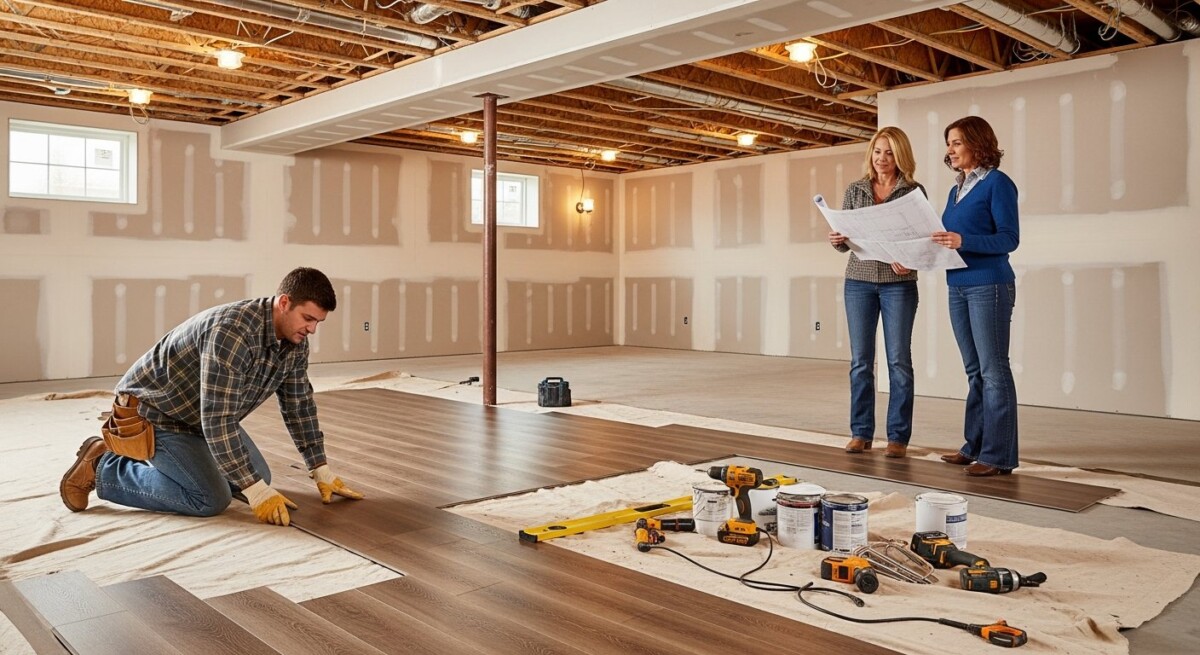
Basement finishing refers to transforming an unfinished, raw space into a livable area. This typically involves insulating walls, installing drywall, adding flooring, and covering exposed ceiling joists. The focus is on making the basement habitable, comfortable, and visually appealing. Finishing a basement usually includes adding electrical outlets, lighting, and HVAC vents to bring the space up to the same standard as the rest of your home.
Basement remodeling, on the other hand, assumes the basement is already finished but outdated, damaged, or poorly laid out. Remodeling might involve tearing down a wall to create an open floor plan, upgrading an old bar area, replacing worn carpet with luxury vinyl plank, or converting a dark rec room into a bright home office. Remodeling is about changing the function or style of an existing finished space, not about creating it from scratch.
The choice between the two often comes down to your starting point. If your basement has bare concrete floors and open studs, you are looking at a finishing project. If you have a 1980s paneling situation with a dropped ceiling and fluorescent lights, you are planning a remodel. Both projects require permits, skilled labor, and a realistic budget, but the scope, timeline, and cost structure differ significantly.
Key Considerations Before You Start
Before you get excited about a home theater or a second kitchen, you need to evaluate the condition of your basement. Moisture is the number one enemy of any below-grade renovation. Water seepage, high humidity, and poor drainage can ruin new drywall, warp flooring, and create mold problems that affect your family’s health. A professional inspection is worth the money because it can reveal issues that are not visible to the untrained eye, such as cracks in the foundation or inadequate sump pump capacity.
You also need to check your local building codes. Egress windows are often required for any bedroom or living space in a basement. Ceiling height minimums, smoke detector placement, and electrical outlet spacing are all regulated. Skipping permits might save you time upfront, but it can create headaches during a home sale or lead to fines. A reputable contractor will handle the permit process as part of the project, but you should know what your municipality requires before you sign a contract.
Here are the main factors that will influence your project scope and budget:
- Moisture control: Waterproofing, drainage systems, and a dehumidifier may be needed before any finishing work begins.
- Ceiling height: Most codes require at least 7 feet of clearance for habitable space.
- Egress requirements: Bedrooms must have a window that meets minimum size and opening standards for emergency escape.
- Plumbing and electrical capacity: Adding a bathroom or kitchen requires connection to existing lines and potentially a new electrical panel.
- Heating and cooling: Your current HVAC system must be able to handle the additional square footage.
Addressing these issues early will save you from costly change orders later. A detailed contract that includes contingency funds for unexpected structural or mechanical surprises is your best protection. When you are ready to hire a professional, you want a contractor who understands local codes and has experience with below-grade construction. The right partner can make the difference between a smooth project and a stressful one.
Budgeting for Your Basement Project
Basement finishing costs on average between $30 and $75 per square foot, depending on your region, the quality of materials, and the complexity of the layout. A 500-square-foot finished basement might cost anywhere from $15,000 to $37,500. Remodeling an existing finished basement is often less expensive because the major systems are already in place, but costs can climb quickly if you are moving walls, upgrading plumbing, or installing high-end finishes.
To get accurate numbers, you should gather multiple quotes from licensed contractors. Each quote should break down labor, materials, permits, and cleanup. Be wary of bids that are significantly lower than the rest; they often cut corners or miss critical items like waterproofing or insulation. A slightly higher bid from a contractor with a strong track record is a better investment than a bargain that leads to callbacks and frustration.
Financing options are another part of the budget conversation. Home equity loans, cash-out refinancing, and personal loans are common ways to fund a basement project. Some homeowners also use credit cards with promotional 0% interest periods, but this is risky if the project runs over schedule. Before you commit, calculate your expected return on investment. A finished basement can add 70% to 75% of its cost to your home’s value, but that number varies based on your neighborhood and the quality of the work.
If you are a contractor reading this, you know that basement leads are valuable because they represent large, high-intent projects. Finding homeowners who are ready to spend tens of thousands of dollars on their basement is not easy. That is why many remodelers turn to a home remodeling lead exchange to connect with qualified prospects in their service area.
Design Trends for Modern Basements
Once you have a solid plan and a budget, the fun part begins: designing the space. Today’s basements are no longer dark, damp rec rooms with a pool table and an old couch. Homeowners are creating functional, stylish spaces that add real value to their daily lives. The most popular basement designs include home theaters with acoustic panels and tiered seating, home gyms with rubber flooring and mirrors, and guest suites with a bedroom, bathroom, and small kitchenette.
Multi-purpose basements are also on the rise. A single space can serve as a home office during the day and a media room at night, with built-in cabinetry that hides work materials and a projector screen that drops down over the desk. Open floor plans with a wet bar or coffee station are common because they make the basement feel larger and more inviting. Lighting is critical in a below-grade space. Recessed lights, LED tape under cabinets, and lots of lamps create a warm atmosphere that counters the lack of natural light.
When it comes to materials, moisture resistance should guide your choices. Luxury vinyl plank flooring is a top pick because it looks like wood but handles water and temperature changes without warping. For walls, closed-cell spray foam insulation provides both moisture control and thermal performance, though it is more expensive than fiberglass batts. Choose paints and sealants that are rated for high humidity, and consider a dehumidifier as part of your HVAC design to keep the space comfortable year-round.
Hiring the Right Contractor
The success of your basement finishing or remodeling project depends heavily on the contractor you choose. You want someone who specializes in basement work specifically, not a general carpenter who has only built decks and fences. Ask for references and call them. Visit a completed project if possible. Check online reviews on Google, Yelp, and the Better Business Bureau. Verify that the contractor is licensed, insured, and bonded, and that they carry workers’ compensation coverage for their crew.
Communication is just as important as credentials. A good contractor will walk you through the entire process, explain what to expect at each stage, and give you a realistic timeline. They will also be transparent about costs and potential issues that arise during construction. If a contractor is vague about their process or pushes you to sign a contract without detailed specifications, walk away.
For contractors, finding clients who are actively planning a basement project is the fastest way to grow your business. Traditional advertising like direct mail or yard signs is hit or miss. A better approach is to buy remodeling leads from a lead exchange platform that pre-qualifies homeowners based on project type, budget, and timeline. This way, you spend your time on estimates that are likely to convert, not on cold calls.
Maximizing Your Return on Investment
Not all basement improvements are created equal. If you are planning to sell your home in the next five years, focus on features that appeal to the broadest range of buyers. A clean, dry, versatile space with a bathroom and an egress window will add more value than a highly specialized home theater. Neutral colors, durable flooring, and plenty of storage are universal selling points.
If you plan to stay in your home for many years, prioritize your own comfort and lifestyle. Build the home gym you have always wanted, create a playroom for your kids, or design a quiet office that gives you a dedicated place to work. The return on investment is not just financial; it is the daily enjoyment you get from a space that works for you.
One way to boost your financial return is to create a legal accessory dwelling unit (ADU). Some basements can be converted into a separate apartment with its own entrance, kitchen, and laundry. Renting out that unit can generate significant monthly income, and the construction costs are often offset by the rental revenue. Check your local zoning laws and building codes, as ADU regulations vary widely from city to city. The permitting process can be complex, but the payoff is substantial.
Common Pitfalls and How to Avoid Them
Even with careful planning, basement projects can hit snags. The most common issues include moisture problems that show up after the drywall is installed, inadequate electrical capacity that requires a costly panel upgrade, and underestimating the time it takes to complete the work. To avoid these, invest in a thorough pre-construction inspection, add a 10% to 20% contingency to your budget, and set realistic expectations for the timeline.
Another frequent mistake is hiring a contractor who is not experienced with basements. The unique challenges of below-grade construction, such as foundation settlement, groundwater pressure, and radon gas, require specialized knowledge. A general contractor might be a great carpenter but lack the expertise to address these issues. When you interview potential contractors, ask specifically about their experience with basements and request examples of similar projects they have completed.
If you are a homeowner looking for a reliable contractor, you might wonder how to separate the best from the rest. Reading reviews and checking references helps, but nothing beats having a vetted professional who is ready to take on your project. For contractors, the challenge is finding these homeowners in a crowded market. That is where a service like HomeRemodelingLeads comes in. It connects you with high-intent leads so you can focus on delivering excellent work instead of chasing clients. You can learn more about whether remodeling leads are worth the investment in our detailed guide.
Final Thoughts on Your Basement Transformation
Basement finishing or remodeling is a significant undertaking, but the payoff is a more functional home and a higher property value. Whether you are converting a dark storage area into a bright living space or updating an outdated rec room, careful planning and the right team are essential. Start with a moisture assessment, set a realistic budget, and choose a contractor who specializes in basement work. If you are a contractor, use smart lead generation to find homeowners who are serious about their projects. With the right approach, your basement can become one of the most loved and valuable parts of your home.
About the Author: David