Siding Installation Done Right: A Homeowner Guide
Your home’s exterior is its first line of defense against the elements, and siding is the workhorse of that defense. Beyond protection, siding sets the visual tone for your entire property, influencing curb appeal and resale value. Yet for many homeowners, the prospect of a siding replacement project feels overwhelming, filled with questions about materials, costs, and finding the right contractor. This guide cuts through the noise, offering a clear, step-by-step roadmap for a successful siding installation. By the end, you will understand the entire process, from evaluating your needs to working with professionals who can bring your vision to life.
The key to a stress-free project lies in preparation. Just as you would research before buying a car or planning a major trip, understanding the fundamentals of siding installation before you begin will save you time, money, and frustration. This article is designed to be your comprehensive resource, providing the knowledge you need to make confident decisions. We will explore critical aspects like material selection, the importance of proper installation, and how to navigate the contractor hiring process, ensuring your new siding is a long-lasting investment.
Why Siding Replacement Matters More Than You Think
When many homeowners think about siding installation, they focus on aesthetics, but the functional benefits are equally important. Your siding is a protective envelope that shields your home from moisture, wind, and pests. Over time, even well-maintained siding can degrade, leading to issues like water infiltration, wood rot, and energy loss. Cracks, warping, or fading are not just cosmetic problems; they are signals that your home’s protective barrier is compromised.
Investing in new siding is a strategic upgrade that pays dividends in several ways. First, it dramatically improves energy efficiency. Modern siding materials often come with integrated insulation, reducing thermal bridging and helping your HVAC system work less to maintain comfortable temperatures. Second, new siding eliminates maintenance headaches. Say goodbye to peeling paint, rotting boards, and frequent power washing. High-quality materials like fiber cement or engineered wood require minimal upkeep, freeing up your weekends. Finally, siding replacement offers one of the highest returns on investment in home improvement, often recouping a significant portion of the cost upon resale.
Choosing the Right Siding Material for Your Home
Selecting the right material is the most pivotal decision in your siding installation project. Your choice will affect your home’s look, durability, maintenance needs, and budget. There is no single “best” material; instead, the best choice depends on your specific priorities, climate, and architectural style. Consider the following popular options as you weigh your decision.
- Vinyl Siding: The most budget-friendly and low-maintenance option, available in a wide range of colors and styles. It resists moisture and insects but can crack in extreme cold and may fade over time.
- Fiber Cement Siding: Renowned for its durability, fire resistance, and ability to mimic wood, brick, or stucco. It is heavier and more expensive than vinyl but offers a premium look and exceptional longevity.
- Engineered Wood Siding: A more affordable alternative to real wood that provides a natural aesthetic. It is treated to resist rot and termites, but still requires periodic painting or staining.
- Metal Siding (Steel or Aluminum): Extremely durable, fire-resistant, and recyclable. It handles extreme weather well but can dent and may be prone to scratching.
- Stucco: A classic choice for southwestern and Mediterranean-style homes, offering excellent insulation and fire resistance. However, it requires professional application and can be prone to cracking in areas with shifting soil.
Once you have a shortlist of materials, think about your local climate. For instance, in regions with high humidity or heavy rainfall, fiber cement or metal might be better choices than wood due to their moisture resistance. In wildfire-prone areas, fiber cement or stucco offer superior fire protection. Also, consider the architectural style of your home. A modern minimalist house might look stunning with large-format metal panels, while a craftsman bungalow is often best suited for shingle-style siding or fiber cement boards with wide trim.
The Siding Installation Process: Step by Step
Understanding the installation process helps you monitor progress and communicate effectively with your contractor. While the exact steps vary depending on the material and the complexity of your home, a typical siding replacement project follows a logical sequence. Knowing what to expect can reduce anxiety and help you spot potential issues early.
Here is a breakdown of the standard phases you will encounter during a professional siding installation:
- Preparation and Inspection: The crew will protect your landscaping and walkways, then inspect the existing siding and sheathing for any signs of rot, water damage, or pest infestation. They will also ensure the roof flashing and window trim are in good condition.
- Removal of Old Siding: The old siding is carefully pried off and disposed of. This exposes the underlying sheathing and framing, allowing for a thorough inspection. Any damaged sheathing is repaired or replaced at this stage.
- Installation of Underlayment: A weather-resistant barrier (WRB) or house wrap is applied over the sheathing. This is a critical layer that prevents moisture from penetrating the wall cavity while allowing water vapor to escape. Flashing around windows and doors is also installed or replaced.
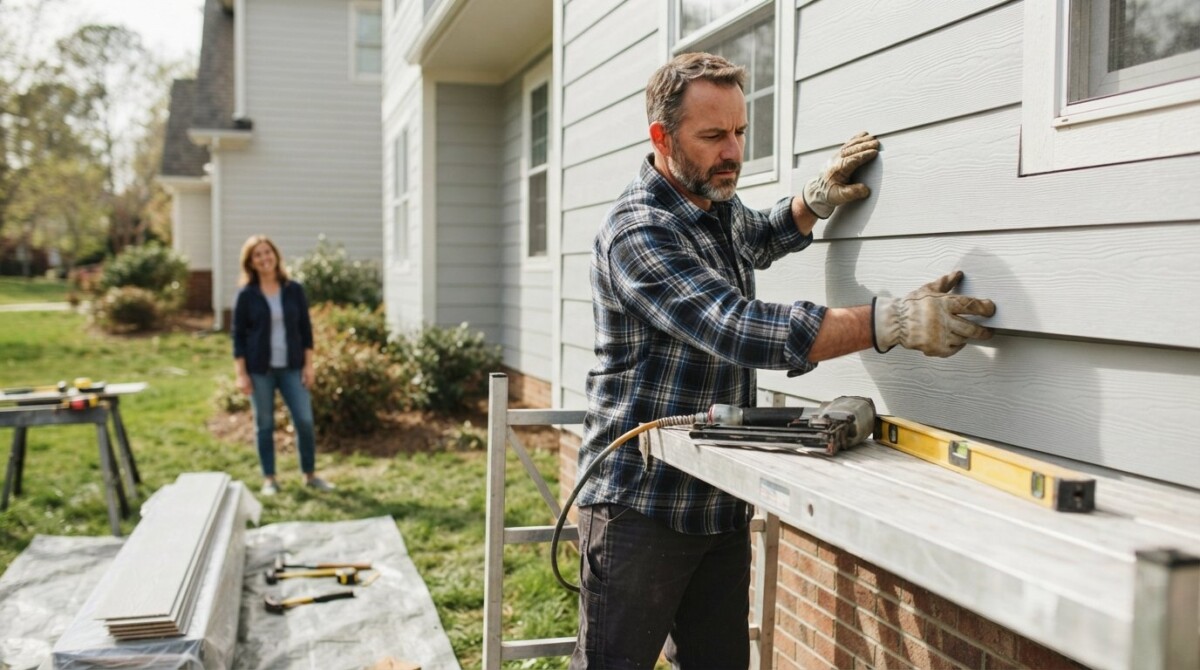
- Hanging the New Siding: The new siding panels are installed according to the manufacturer’s specifications, starting from the bottom and working upward. This is where the skill of the installers truly shows, ensuring proper alignment, spacing, and secure fastening.
- Finishing Touches: Trim pieces, corner posts, and soffit are installed to give the exterior a polished, seamless look. Any seams are caulked, and the entire surface is inspected for gaps or imperfections.
Each of these steps requires precision and knowledge of local building codes. For example, proper flashing installation is one of the most common areas where mistakes occur, leading to water damage down the road. A professional contractor will also know how to create proper expansion gaps, ensuring your siding can expand and contract with temperature changes without buckling. This is why the skill of the installation team is just as important as the quality of the siding material you choose.
Hiring a Professional vs. DIY Siding Installation
The question of whether to tackle siding installation yourself or hire a professional is a significant one. While the allure of saving money on labor is strong, it is essential to realistically assess your skills and the complexity of the job. Siding installation is a labor-intensive, physically demanding task that requires specialized tools and a deep understanding of building science. A minor mistake can lead to major problems, including leaks, drafts, and structural damage, which are far more costly to fix than the labor you saved.
Consider this: manufacturers often void their warranty if the siding is not installed by a certified professional. This warranty protection is a major financial safety net, covering material defects and premature failure. When you hire a professional, you also gain their expertise in handling unexpected issues that may be hidden beneath the old siding, such as rotted sheathing or insect damage. They carry liability insurance, protecting you from any accidents on your property. The peace of mind that comes with knowing the job is done right, backed by a workmanship warranty, is invaluable.
For most homeowners, hiring a professional is the wise choice. It protects your investment, ensures your home is properly protected, and saves you weeks of hard labor. The key is finding the right contractor, which leads to our next critical point.
Selecting the Right Siding Contractor
The success of your siding installation hinges on the contractor you choose. Do not simply pick the first name from a search engine; take the time to vet potential candidates thoroughly. A reputable contractor will be licensed, insured, and have a portfolio of completed projects. They will also be willing to provide references from recent clients. Start by asking for recommendations from friends, family, or neighbors who have had similar work done. Online reviews on platforms like Google and Houzz can also provide valuable insights, but look for patterns in reviews rather than relying on a single testimonial.
When you meet with potential contractors, ask detailed questions about their experience with your chosen material. For example, not every contractor has the specialized training to install fiber cement siding correctly. Ask about their process for handling unexpected issues and their warranty terms. A professional will be transparent about timelines, pricing, and potential challenges. Be wary of quotes that are significantly lower than others; they often indicate the use of subpar materials or a lack of insurance, which can be a liability for you. Always get at least three written estimates to compare apples to apples.
In today’s competitive market, finding a qualified contractor can be challenging. This is where lead generation services like HomeRemodelingLeads can be an invaluable resource. For homeowners, these platforms are not where you find contractors; rather, they are the tools contractors use to find you. When you submit a project request through such a service, your information is shared with vetted, pre-qualified professionals in your area who are actively seeking work. This streamlines the process, ensuring that the contractors who contact you are serious, local, and have been vetted to some degree. For contractors, these services are a lifeline, providing a steady stream of high-intent leads that reduce the time and money spent on cold prospecting. This efficiency allows them to focus on what they do best: delivering quality installations and growing their business.
Seamless Integration with Your Home’s Systems
A siding installation is not an isolated project; it interacts directly with other critical components of your home’s exterior. Proper integration with windows, doors, and your roofline is essential to prevent water intrusion and ensure energy efficiency. For instance, proper flashing is required where the siding meets the roof to create a watertight seal. Similarly, the siding must be cut and fitted around window and door frames with precision, leaving room for expansion while ensuring a clean, weatherproof finish.
Furthermore, consider the impact of new siding on your home’s overall energy performance. If you are also considering window replacement or insulation upgrades, doing them simultaneously can be more cost-effective and efficient. A professional siding contractor can often coordinate with other trades, such as window installers, to ensure a cohesive, integrated approach. This holistic view not only improves the final aesthetic but also maximizes the energy efficiency benefits of your renovation. If your siding is being replaced due to water damage, it is also wise to have a roofer inspect the area where the roof meets the walls to rule out any underlying issues.
Preparing for Your Siding Installation Project
Once you have selected a contractor and materials, proper preparation on your end will ensure a smooth project. Clear the area around your home’s exterior, moving patio furniture, grills, and potted plants away from the work zone. Trim any tree branches that are close to the house to give the crew clear access. Make arrangements for pets and children to stay away from the work area for safety. Inside your home, be aware that the work can cause some vibration and noise, so secure any fragile items on shelves and walls.
Before the crew arrives, have a final walkthrough with your contractor to confirm the scope of work, timeline, and clean-up procedures. Discuss where they will place dumpsters and how they will protect your landscaping. A professional team will take these precautions seriously, often using tarps and plywood to shield your yard. Clear communication at this stage prevents misunderstandings later. Also, ensure you know how to contact the project manager during the installation in case you have questions or concerns.
Maintaining Your New Siding for Longevity
After your investment in a new siding installation, a small amount of ongoing maintenance will protect it for decades. The required maintenance largely depends on the material you chose. Vinyl siding, for example, only needs an occasional rinse with a garden hose to remove dirt and cobwebs. Fiber cement siding is similarly low-maintenance, though it may need repainting every 10 to 15 years. Wood siding requires more attention, including regular inspections for rot or insect damage and periodic sealing or painting.
Regardless of the material, it is wise to conduct an annual visual inspection of your siding. Look for any cracks, gaps, or signs of moisture intrusion, paying special attention to areas around windows, doors, and corners. Keep the siding clear of soil and vegetation, as prolonged contact can cause moisture problems. Trim bushes and shrubs away from the walls to allow air to circulate and prevent abrasion. By catching small issues early, you can avoid more significant repairs down the road, preserving the beauty and structural integrity of your home.
Ultimately, the longevity of your siding starts with a quality installation. Choosing a skilled contractor who uses the right materials and follows manufacturer guidelines is the single most important factor in ensuring your siding performs flawlessly for years to come. This is why using a service like HomeRemodelingLeads to find that contractor is a smart move. It connects you with professionals who are not only qualified but also actively seeking projects, increasing your chances of finding a great match for your needs.
Your home is likely your largest asset, and investing in its exterior is one of the smartest financial and practical decisions you can make. With careful planning and the right professional partner, your siding installation can be a smooth, rewarding experience. You will enjoy a more beautiful, energy-efficient, and protected home, adding real value and comfort to your daily life. Take the first step today by researching reputable contractors in your area and moving forward with confidence.
About the Author: Mason Caldwell