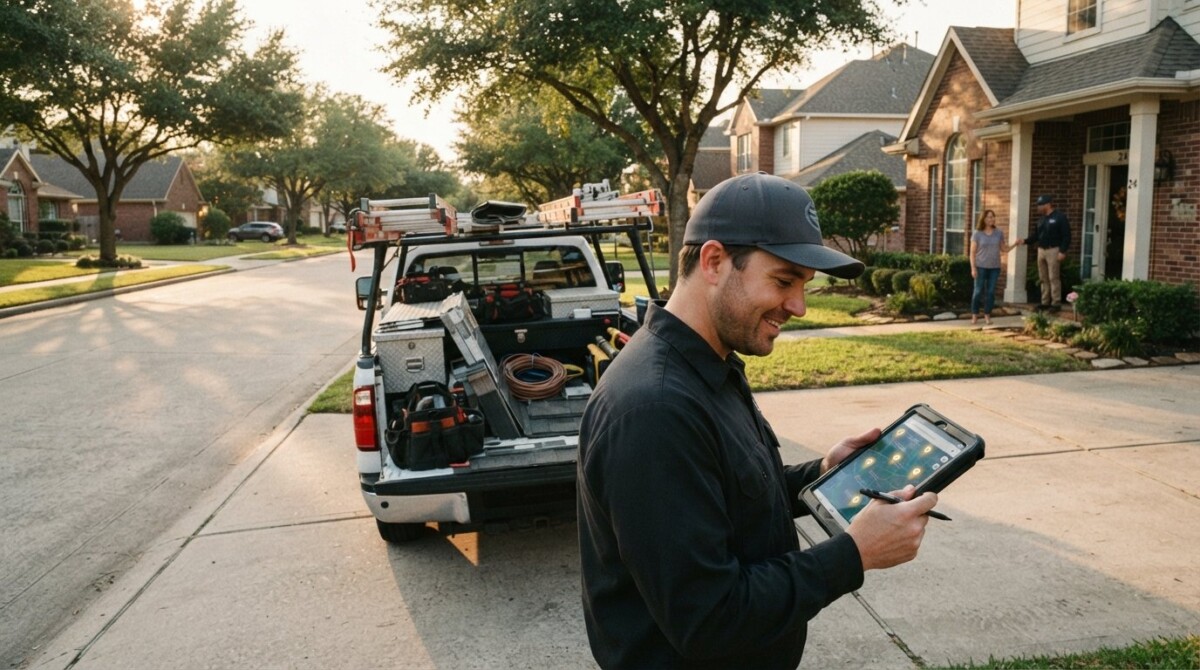

Dynamic Contractor Matching: Get the Right Pro Fast
Finding the right contractor for a home improvement project often feels like a game of chance. You post a request, receive a flood of calls from pros with varying levels of experience, and then spend hours comparing bids, checking licenses, and hoping you made the right call. Homeowners lose time and contractors waste effort chasing mismatched projects. This is exactly the problem that dynamic contractor matching solves. Instead of a static directory or a random lead list, dynamic matching uses data, timing, and project details to pair you with a pro who is actually available, qualified, and ready to start. For contractors, it means receiving leads that fit their service area, skillset, and business model. The result is a faster, more accurate connection that benefits both sides of the renovation equation.
In this guide, we will break down what dynamic contractor matching is, why it matters for your next remodel, and how you can use it to avoid costly delays. We will also look at how platforms like HomeRemodelingLeads are putting this approach into practice for roofing, windows, bathrooms, and other key home services. Whether you are a homeowner planning a kitchen renovation or a contractor looking to fill your calendar with serious buyers, understanding this system will change how you approach the hiring process.
What Is Dynamic Contractor Matching and How Does It Work?
Dynamic contractor matching is a data-driven process that connects homeowners with contractors based on real-time project requirements, availability, and verified qualifications. Unlike a traditional directory where you scroll through endless listings, a dynamic system evaluates the specifics of your job, such as the scope, location, timeline, and budget, and then matches you with a curated set of pros who can actually handle it. The matching engine considers factors like the contractor’s service radius, past project types, licensing, insurance, and customer ratings to ensure a strong fit.
The “dynamic” part means the system continuously learns and adjusts. If a contractor is booked out for three months, the system stops recommending them for urgent projects. If a homeowner’s project changes in size or complexity, the match list updates accordingly. This is a major upgrade over static lead generation, where a contractor might pay for a lead that is outside their area or completely out of scope. For homeowners, it reduces the risk of hiring someone who is a generalist when you need a specialist, such as a tile expert for a bathroom floor or an HVAC technician for a ducted system install.
From a practical standpoint, the process usually starts with a homeowner submitting a request that includes their project type, preferred timeline, and contact details. The platform then applies its matching algorithms to filter its network of vetted contractors. Within minutes or hours, the homeowner receives a shortlist of pros who are available and qualified. Each contractor also receives a pre-qualified lead, meaning they know the job details before making a call. This efficiency is why dynamic matching is becoming the standard for modern home improvement platforms.
Why Homeowners Should Care About Dynamic Matching
For homeowners, the biggest pain point is uncertainty. You want to know that the person standing in your living room has the right skills, the right insurance, and a genuine interest in your project. Dynamic contractor matching narrows the pool to pros who have already been vetted against your criteria. This means fewer cold calls, fewer wasted weekends waiting for estimates, and a higher chance that the first contractor you meet is someone you actually want to hire.
Another major benefit is speed. Traditional methods, like asking for referrals or searching online, can take days to yield a handful of candidates. With dynamic matching, you can get a shortlist of qualified contractors within a day, often within hours. This is especially valuable if you are facing a leaky roof or a broken furnace, where time is critical. The system also helps you compare apples to apples. Since the contractors in your match list are all similar in scope and service area, their quotes are easier to compare, and you can make a decision based on quality and price rather than just availability.
There is also a hidden benefit: reduced stress. When you know the contractor has been pre-screened, you can focus on the creative and financial decisions of your project instead of worrying about whether they will show up or do shoddy work. Platforms that use dynamic matching often include background checks, license verification, and customer review analysis as part of their vetting process. That level of diligence gives you peace of mind from the very first conversation.
How Contractors Benefit from Dynamic Lead Generation
Contractors face a different set of challenges. You do not just need more leads; you need the right leads. A roofing company that only serves a 50-mile radius does not want to drive 200 miles for a small repair job. An HVAC specialist who focuses on installations does not want to spend time quoting a maintenance call. Dynamic contractor matching solves this by delivering leads that match your service area, your specialty, and your current capacity.
When you receive a lead through a dynamic system, it comes with context. You know the project type, the approximate budget, and the timeline. That allows you to prioritize your calls and focus on jobs that fit your schedule and profit targets. It also reduces the cost per acquisition because you are not paying for dead-end leads. In traditional lead generation, contractors might buy a list of names and then spend hours calling people who are not ready to commit. With dynamic matching, the homeowner has already expressed a specific need, and the platform has already verified that they are a real, active project.
For contractors who want to grow their business, dynamic matching provides a steady stream of high-quality opportunities. It also helps with capacity planning. If you know you have a slow month coming up, you can adjust your profile to receive more leads, or you can specify that you are only interested in larger projects. This level of control is a game changer for small and mid-sized companies that need to manage their time and resources efficiently.
Key Features to Look for in a Dynamic Matching Platform
Not all matching platforms are created equal. When choosing a service, whether you are a homeowner or a contractor, look for these essential features:
- Real-time availability tracking: The platform should know when a contractor is free to take on new work, not just list them as active.
- Service area filtering: Leads should be limited to the contractor’s actual service radius, and homeowners should only see pros who operate in their zip code.
- Project scope matching: The system should match job types, such as bathroom remodel versus a full kitchen renovation, to avoid mismatched skill sets.
- Verified reviews and licensing: Look for platforms that check licenses, insurance, and customer feedback before a contractor is listed.
- Transparent pricing: Contractors should know exactly what they pay per lead, and homeowners should never be charged for a match.
One platform that embodies these features is HomeRemodelingLeads, which focuses exclusively on the home improvement sector. Their lead system is built around dynamic matching, meaning every lead is pre-qualified and tied to a specific project. For example, a homeowner in Phoenix looking for a bathroom remodel will only be matched with contractors who serve that area and have demonstrated experience in bathroom work. This level of specificity saves everyone time and money.
Another critical feature is response time. A good dynamic matching system alerts contractors immediately when a new lead is available. In competitive markets, the first contractor to respond often gets the job. Platforms that send instant notifications, whether by text, email, or app push, give their users a significant advantage. If you are a contractor, ask about average response times and how the platform prioritizes lead delivery. If you are a homeowner, ask how quickly you can expect to hear from your matches, and check that the platform follows up to confirm the contractor actually contacted you.
Real-World Applications: Roofing, Windows, Bathrooms, and Beyond
Dynamic contractor matching is particularly valuable in trade-specific projects. Take roofing, for instance. A roofing job is often urgent, weather-dependent, and requires specialized equipment and safety training. A dynamic matching system can prioritize contractors who have storm damage experience and can start within a certain window. It can also factor in whether the contractor has the capacity to handle a full roof replacement versus a small repair. For homeowners, this means you are not just getting any roofer; you are getting a roofer who is a good fit for your specific situation.
Window replacement is another area where precision matters. Windows come in different materials, styles, and energy ratings. Some contractors specialize in vinyl, others in fiberglass or wood. A dynamic matching platform can ask the homeowner about their preferred material and frame style, then filter contractors who have experience with that exact product. This reduces the back-and-forth during the quoting phase and ensures the contractor can actually deliver what the homeowner expects.
Bathroom remodeling is perhaps the most common use case for dynamic matching. Because bathrooms involve plumbing, electrical, tiling, and waterproofing, you want a contractor who has coordinated all of those trades before. A dynamic system can match you with a general remodeler who has a dedicated crew, or with a specialist who focuses solely on bathroom transformations. In our guide on AI contractor matching to find your ideal pro fast, we explain how these platforms use machine learning to refine matches over time, learning from both homeowner feedback and project outcomes.
Other categories, like HVAC and solar, also benefit from dynamic matching. An HVAC installation can vary dramatically based on home size, ductwork, and climate. Solar installations depend on roof orientation, shading, and local utility regulations. Matching platforms that ask detailed questions upfront can connect you with contractors who have verified experience in those specific conditions. This is especially important for complex projects where a mismatch can lead to costly rework.
How to Get Started with Dynamic Contractor Matching
If you are a homeowner, the first step is to find a platform that offers dynamic matching in your area. Look for services that cover your zip code and the type of project you are planning. Create a detailed project description, including your timeline, budget range, and any specific requirements you have, such as eco-friendly materials or a certain brand of fixtures. The more information you provide, the better the match will be. Once you submit your request, be prepared to review your matches carefully. Check their profiles, read recent reviews, and confirm their license and insurance before scheduling a consultation.
For contractors, the process starts with creating a professional profile that highlights your service areas, specialties, and past project examples. Be honest about your availability and your preferred project size. A dynamic matching system will only work well if you keep your information current. If you are too busy to take on new work, adjust your settings to pause leads. If you are looking to expand into a new service area, update your radius and mention that in your profile. The more accurate your profile, the higher the quality of leads you will receive.
It is also wise to use multiple channels to build your pipeline. While dynamic matching can be your primary source of new business, combine it with referrals, your website, and local advertising. In our post about AI contractor matching for the right pro for your home, we note that platforms often offer lead delivery options that range from exclusive leads to shared leads. Exclusive leads cost more but give you a higher chance of conversion. Shared leads are cheaper but you will be competing with other contractors. Choose a model that aligns with your sales capacity and budget.
Common Mistakes to Avoid When Using a Matching Service
One of the biggest mistakes homeowners make is treating the match list as a final recommendation rather than a starting point. Dynamic matching narrows the field, but you still need to do your due diligence. Always check references, look at past projects, and get a written contract before any work begins. Another mistake is ignoring the timeline. If you have a flexible schedule, you might be matched with a contractor who is highly rated but cannot start for two months. If your project is urgent, make sure to communicate that clearly so the system can prioritize available pros.
Contractors often make the mistake of buying leads without checking the quality of the platform’s matching algorithm. A cheap lead might come from a homeowner who is just browsing, not ready to hire. Before you spend money, ask the platform for examples of matching success rates or ask to see sample leads. Also, avoid the trap of overextending your service area just to get more leads. The travel time and fuel costs can eat into your profit, and the customer may prefer a local contractor. Stick to your core service area and let the dynamic system find you the best opportunities within that zone.
Finally, both sides should remember that communication is key. A dynamic match is only the beginning. Homeowners should respond to calls and emails quickly, and contractors should follow up within minutes of receiving a lead. In a fast-moving market, the contractor who makes the first contact often wins the job. If you use a platform like HomeRemodelingLeads, you can set up instant notifications so you never miss a match. Their system is designed to keep you in the loop from the moment a homeowner submits a request, which is why many contractors see it as a reliable source of new business.
To see how this works in practice, consider a scenario where a homeowner in Atlanta submits a request for a kitchen remodel with a budget of $40,000 and a start date in six weeks. The dynamic matching system scans its network and finds three contractors who serve Atlanta, have completed at least five kitchen remodels in the past year, and are currently available for a project of that size. Each contractor receives a lead with the homeowner’s details and a brief description of the project. The homeowner receives a list of these three pros with their profiles and reviews. Within 24 hours, the homeowner has scheduled consultations with all three, and by the end of the week, they have chosen a contractor who offered a detailed plan and a competitive price. That is the power of dynamic matching.
As the home improvement industry continues to evolve, dynamic contractor matching is set to become the standard way to connect supply with demand. It saves time, reduces risk, and improves outcomes for everyone involved. Whether you are planning a single-room update or a full home renovation, take advantage of platforms that use this technology. And if you are a contractor looking for a steady stream of qualified leads, consider partnering with a service that understands your trade and your market.
In our detailed overview of dynamic contractor matching for the right pro for your home, we explore additional strategies and real-world examples. The bottom line is that the days of cold calling and vague directories are fading. With the right matching system, you can connect with the right people faster, and that makes all the difference in the world.
About the Author: Mason Caldwell