What Adds Most Value During Remodel: Top 10 Upgrades
Deciding which renovations to tackle can feel like a high-stakes gamble. You want a home you love, but you also want to protect your investment. The question is not just what looks good, it is what pays you back when you sell or refinance. The answer to what adds most value during remodel is not a single project, it is a strategy. It involves focusing on function, energy efficiency, and broad appeal rather than personal taste.
This guide breaks down the upgrades that consistently deliver the strongest return on investment (ROI). We will look at data from real estate experts, contractor insights, and homeowner experiences. You will learn where to spend your budget for maximum impact and where to save. By the end, you will have a clear action plan that balances enjoyment with financial sense.
The Kitchen Remains King of Resale Value
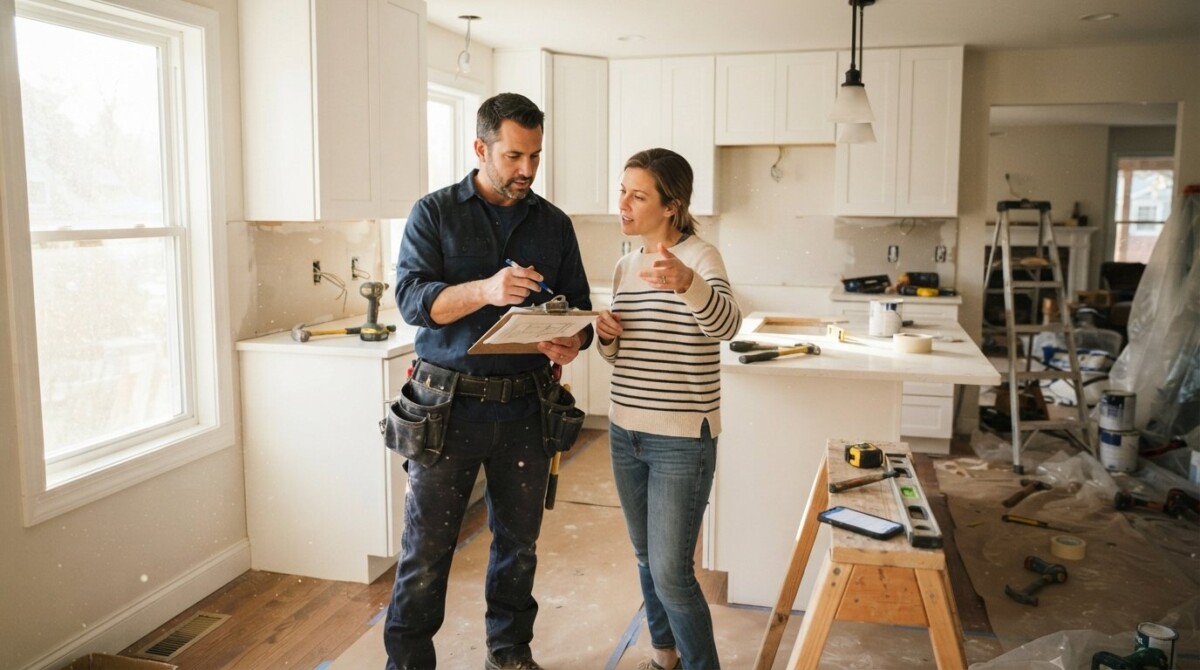
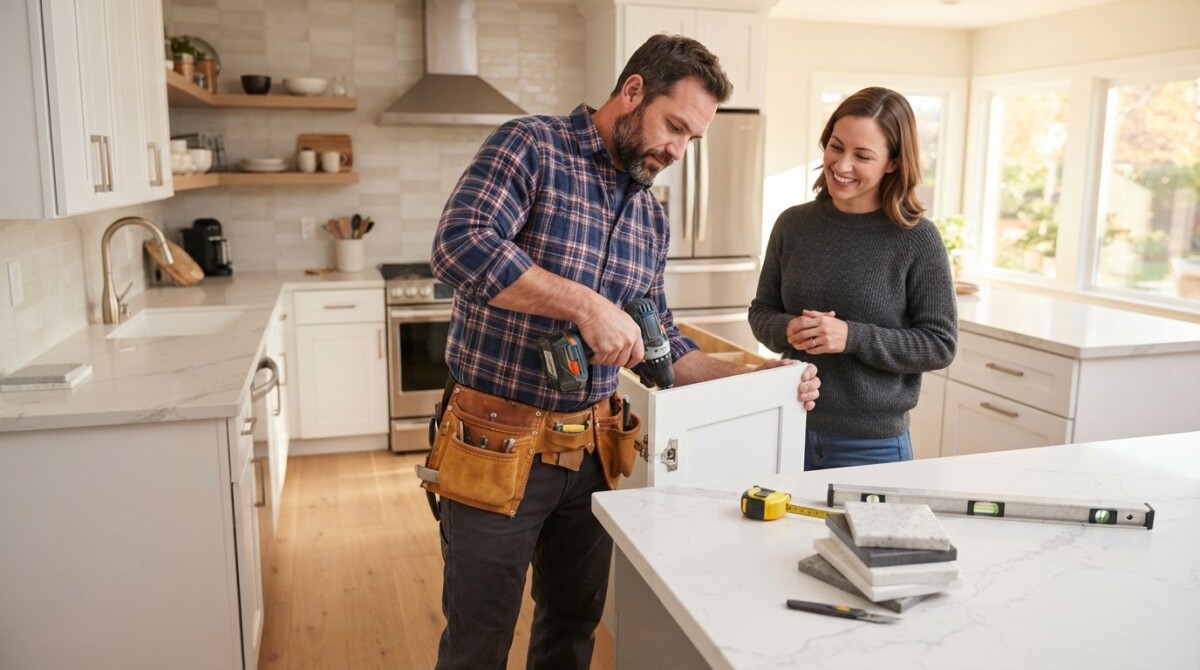
If you can only afford one major remodel, make it the kitchen. Real estate agents and appraisers consistently rank the kitchen as the most influential room in a home sale. Buyers picture themselves cooking, entertaining, and starting their day there. A dated or dysfunctional kitchen can kill a deal, while a refreshed one can justify a higher asking price.
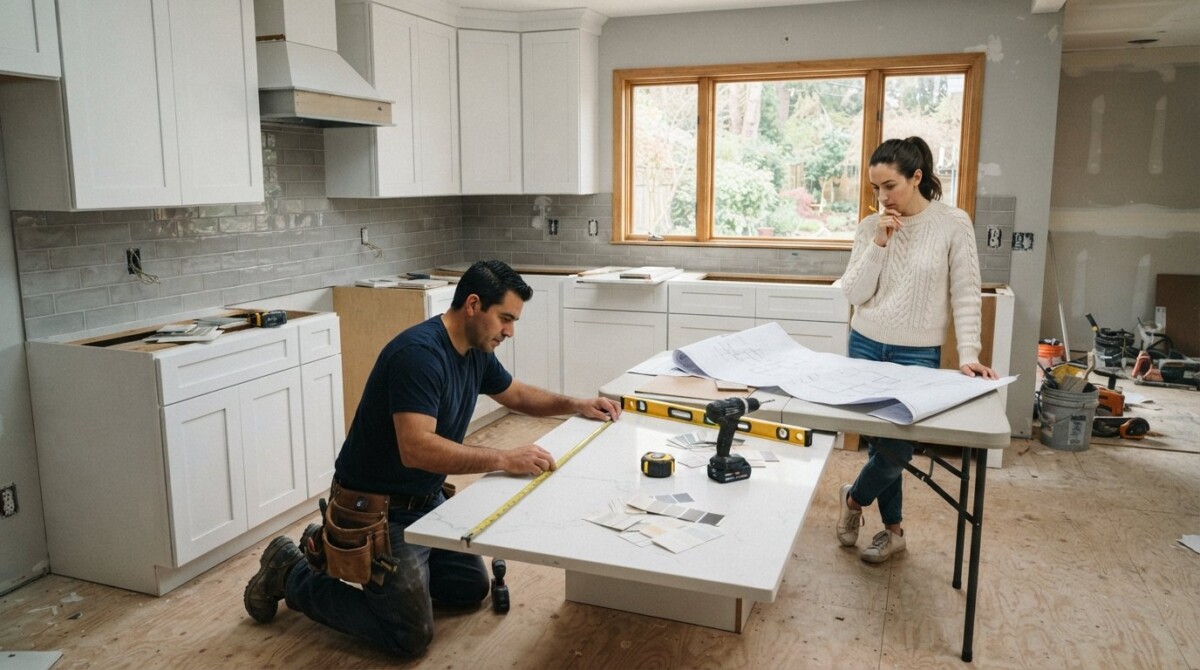
A major kitchen remodel, which includes new cabinets, countertops, appliances, and flooring, recovers about 60 to 80 percent of its cost at resale, according to the National Association of Realtors. However, you do not need a full gut job to capture value. Minor updates, like replacing cabinet fronts, adding a tile backsplash, and upgrading to stainless steel appliances, often return over 80 percent. The key is to balance cost with perceived quality.
Focus on surfaces that get the most attention. Quartz or granite countertops are safe bets because they look premium and resist wear. Shaker-style cabinets in a neutral color, like white or gray, have broad appeal. Under-cabinet lighting and a modern faucet add a high-end feel without a massive budget. Avoid trendy colors or unusual layouts that could alienate future buyers.
What to Skip in the Kitchen
Some kitchen upgrades do not pay off. Custom built-ins, commercial-grade ranges, and wine fridges are nice, but they appeal to a narrow audience. If you over-improve for your neighborhood, you may not recoup the extra cost. A good rule is to keep your home’s value within 10 to 15 percent of comparable homes in your area. Overbuilding can price you out of the market.
Instead, invest in what buyers expect in your price range. If homes in your area have granite counters, do not install marble. If they have standard-height cabinets, do not add ceiling-height custom units. Match the neighborhood standard, then add one subtle upgrade, like a pot filler or soft-close drawers, to stand out without overspending.
Bathroom Remodels Offer High ROI and Daily Comfort
Bathrooms are the second most important space for resale value. A clean, modern bathroom signals that the home is well-maintained. A dated bathroom with pink tiles and a rusty faucet raises immediate red flags. The good news is that bathroom remodels are less expensive than kitchens, and they still deliver strong returns.
A mid-range bathroom remodel recovers about 70 percent of its cost, according to Remodeling Magazine’s Cost vs. Value report. If you have two bathrooms, focus on the master bath first. Buyers spend the most time there and expect it to feel like a retreat. Key upgrades include a walk-in shower with glass doors, a double vanity, and ample lighting. Heated floors are a nice touch, but they are not essential for ROI.
For a guest bathroom, a simpler refresh can work. Replacing the vanity, toilet, and light fixtures can make the space feel new for under $3,000. Add a fresh coat of paint in a light, neutral color and new towels. These small changes make a big impression, especially when you list your home for sale.
Accessibility Features That Pay Off
If you are planning to age in place, consider adding grab bars, a curbless shower, and a comfort-height toilet. These features not only improve safety but also appeal to a growing number of older buyers. The demand for accessible homes is rising, so these upgrades can set your property apart. They also qualify for certain tax credits and insurance discounts in some states.
When you work with a contractor, ask about universal design principles. These include lever handles instead of knobs, wider doorways, and non-slip flooring. These changes are not just practical, they are marketable. You can advertise your home as move-in ready for a wider range of buyers.
Energy Efficiency: The Smartest Long-Term Investment
Energy-efficient upgrades are unique because they save you money every month while also increasing your home’s resale value. They answer what adds most value during remodel from a different angle: not just what you get back at sale, but what you keep in your pocket now. Modern buyers are increasingly looking for homes with lower utility bills and a smaller carbon footprint.
Replacing old windows with double-pane, Energy Star-rated models can recoup about 70 percent of their cost. Similarly, upgrading insulation in the attic and walls can reduce heating and cooling costs by up to 20 percent. These improvements are invisible to buyers, but they show up in lower energy bills, which is a powerful selling point.
Solar panels are another option, but their ROI varies by location and incentives. In states with high electricity rates and net metering, solar can add significant value. However, some buyers are hesitant about taking over a lease. If you buy the panels outright, they can add $15,000 to $20,000 to your home’s value, according to Zillow research. If you lease, the value is lower.
Smart home technology is a smaller but growing value-add. Programmable thermostats, smart lighting, and video doorbells are relatively cheap and appeal to tech-savvy buyers. They also signal that the home is modern and well-maintained. You can install these yourself in a weekend, making them a high-ROI DIY project.
Curb Appeal: The First Impression That Sets the Price
Your home’s exterior is the first thing buyers see, and it shapes their expectations. A tired, cluttered front yard can make them doubt the condition of the entire house. Curb appeal projects are often the most cost-effective improvements you can make. They also improve your own enjoyment every time you come home.
Simple landscaping like fresh mulch, trimmed shrubs, and a vibrant front door can cost under $1,000 and increase perceived value by up to 5 percent. If you have more budget, consider replacing siding or painting the exterior. These projects have a high ROI because they dramatically change the home’s appearance.
Here are three curb appeal projects with strong returns:
- Front door replacement: A new steel door recovers over 90 percent of its cost at resale.
- Garage door replacement: This is often the largest exterior feature, and a modern door can transform the look.
- Outdoor lighting: Pathway lights and sconces add safety and highlight architectural details.
These projects are relatively quick, and they make your home stand out in online listings. Since most buyers start their search online, great photos of an attractive exterior can drive more showings, which can lead to a higher sale price.
What Adds Most Value During Remodel: The Full Scope
To answer the question directly, the highest-value remodels are those that address core systems and broad appeal. Here is a ranked list of projects based on ROI data and real estate expert opinion:
- Minor kitchen remodel: Refacing cabinets, new appliances, and a backsplash.
- Bathroom remodel: New vanity, toilet, lighting, and a walk-in shower.
- Window replacement: Energy-efficient models throughout the home.
- Exterior improvements: Siding, paint, and a new front door.
- Adding a deck or patio: Outdoor living spaces are highly sought after.
These projects consistently deliver a return of 70 to 90 percent or more. They also improve your daily life, which is the real point of remodeling. If you are working with a limited budget, focus on these areas first. If you have more flexibility, you can add luxury touches, but always prioritize the essentials.
The order matters too. Tackle the kitchen and bathrooms first because they are the most visible and valuable. Then move to energy efficiency and curb appeal. These projects complement each other and create a home that is both beautiful and functional.
How to Maximize ROI on Any Remodel
Getting the highest return is not just about which projects you choose, it is also about how you execute them. First, set a realistic budget and stick to it. Overruns are common, but they eat into your ROI. Get at least three quotes from contractors and check their references.
Second, avoid over-personalizing. Bold paint colors, unique tiles, and custom built-ins may appeal to you, but they can turn off buyers. Choose neutral finishes that appeal to a wide audience. You can always add personal touches with furniture and decor.
Third, consider doing some work yourself. Painting, installing hardware, and landscaping are DIY-friendly tasks that save money. But leave complex jobs, like electrical and plumbing, to professionals. A botched DIY project can cost more to fix than it saves.
Finally, keep your remodel consistent with the rest of the home. A luxury kitchen in a modest house looks odd, and it may not yield a return. Match the level of finish to your home’s overall style and the neighborhood standards. This ensures your investment is proportionate to the property’s value.
Working With the Right Contractor Matters
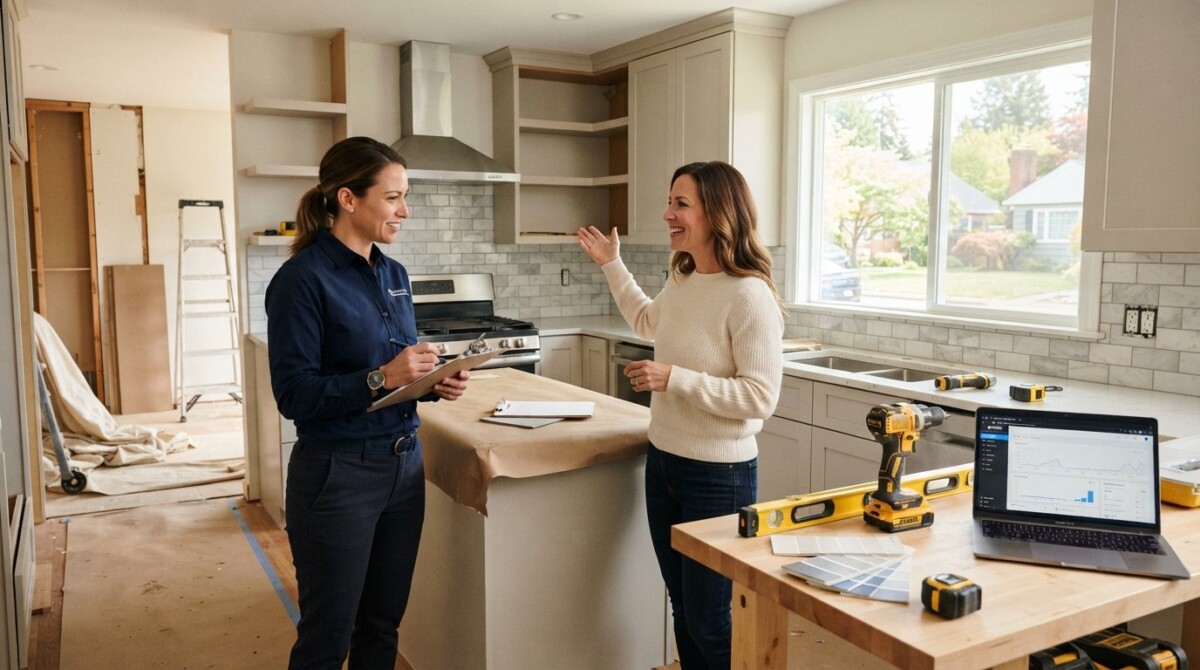
The success of your remodel depends heavily on the contractor you choose. A skilled contractor can bring your vision to life, while a poor one can cause delays, cost overruns, and shoddy work. Before you sign a contract, verify licenses, insurance, and references. Ask to see examples of similar projects they have completed.
Clear communication is also critical. Define your scope of work, timeline, and payment schedule in writing. Make sure you understand the warranty on both materials and labor. A good contractor will help you make cost-effective choices and warn you against unnecessary upgrades.
If you are a contractor reading this, you know that finding high-quality leads is the first step to a successful project. Homeowners are actively searching for professionals who can deliver these value-adding remodels. Platforms like HomeRemodelingLeads connect you with pre-qualified, high-intent customers in your area. This means less time cold-calling and more time doing what you do best.
For homeowners, it is equally important to find a contractor who understands your goals. Ask about their experience with ROI-focused remodels. They should be able to suggest upgrades that add value without exceeding your budget. A good contractor will also provide a detailed contract and a realistic timeline.
Planning Your Remodel for Maximum Value
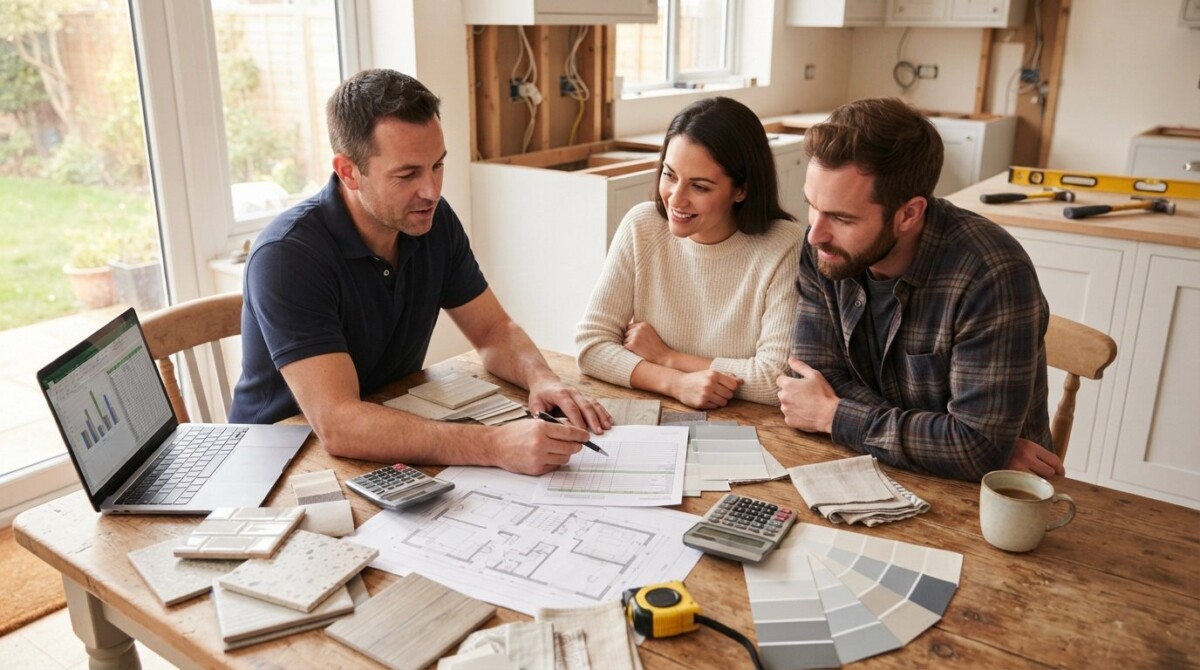
Before you start swinging hammers, take time to plan. Start by defining your goals. Are you remodeling to sell soon, or do you plan to stay for years? If you are selling, focus on high-ROI projects that appeal to the widest audience. If you are staying, you can prioritize your own comfort, but still keep future resale in mind.
Next, create a detailed budget that includes a 10 to 20 percent contingency for unexpected issues. Old homes often hide problems like faulty wiring or water damage. Having a cushion prevents stress and keeps your project on track.
Then, get your permits in order. Some remodels, like structural changes or electrical work, require permits. Skipping them can lead to fines and problems when you sell. Your contractor should handle this, but verify they do.
Finally, set a realistic timeline. Major remodels can take weeks or months. Plan accordingly, especially if you are living in the home during the work. Having a temporary kitchen or bathroom setup can make the process more bearable.
Final Thoughts on Value-Driven Remodeling
Remodeling is a journey, but it does not have to be a gamble. By focusing on what adds most value during remodel, you can make smart choices that pay off now and later. The kitchen, bathrooms, energy efficiency, and curb appeal are the pillars of home value. Prioritize these areas, avoid over-personalizing, and work with the right professionals.
Remember, the goal is not to create a showplace, it is to create a home that is comfortable, functional, and financially sound. When you do that, you win twice: you enjoy your home more, and you build equity that will serve you in the future. Start with one project, plan it well, and watch your home’s value grow.
About the Author: David