Door Installation Done Right: A Homeowner’s Blueprint
Your front door does more than mark the entrance to your home. It sets the tone for your property, contributes to curb appeal, and acts as a critical barrier against weather and intruders. Yet many homeowners overlook the complexity of door installation until a draft appears or a lock sticks. A properly installed door can improve energy efficiency, boost security, and even increase resale value. But what does a correct installation actually involve, and how do you avoid the common pitfalls that lead to costly repairs? This guide walks you through the entire process, from choosing the right door to finding a qualified professional, so you can make informed decisions with confidence.
Why Professional Door Installation Matters
Attempting a DIY door installation can be tempting, especially with the abundance of online tutorials. However, doors are heavy, precise, and unforgiving. A seemingly minor misalignment can cause the door to stick, the weatherstripping to fail, and the lock to function poorly. Over time, these issues worsen, leading to air leaks, water damage, and security vulnerabilities.
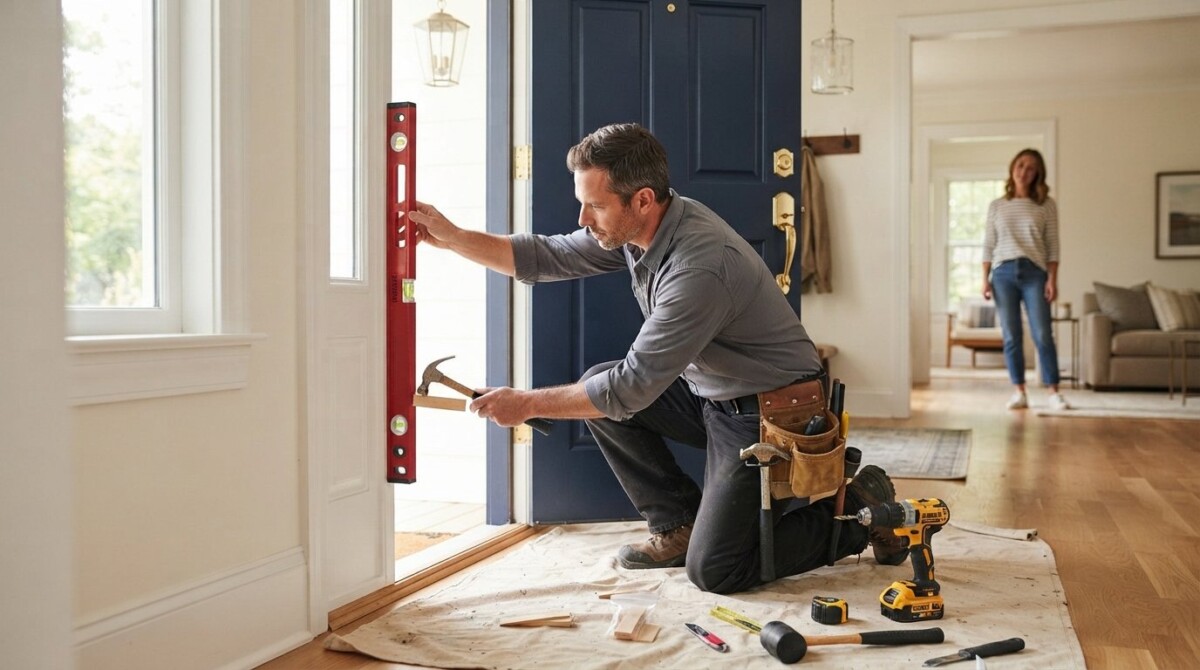
Professional installers bring a level of precision that is hard to replicate without years of experience. They understand the nuances of shimming, leveling, and anchoring. They also know how to handle unexpected issues, such as a rough opening that is out of square or a subfloor that has settled. Hiring a pro not only ensures the door looks great and operates smoothly, but it also protects your investment with workmanship warranties that DIY work cannot match.
For contractors reading this, the demand for skilled door installers is steady and growing. Homeowners are increasingly seeking professionals who can handle both simple replacements and complex custom installations. If you offer these services, you know that a steady stream of interested homeowners is the lifeblood of your business. That is where a reliable lead generation service can make a significant difference in your scheduling pipeline.
Types of Doors and Their Installation Challenges
Not all doors are created equal. The material, style, and function of your door determine not only the look but also the installation method and level of difficulty. Here is a breakdown of the most common types you will encounter.
Entry Doors (Steel, Fiberglass, and Wood)
Entry doors are your home’s first line of defense. They come in a variety of materials, each with its own installation considerations.
- Steel doors are durable and low-maintenance, but they can dent and are prone to rust if scratched. Installation requires careful sealing to prevent moisture from reaching the metal core.
- Fiberglass doors offer the look of wood with superior insulation and resistance to dents and rust. They are heavier, so installation requires solid framing and sometimes an extra set of hands.
- Wood doors provide classic beauty but demand more upkeep. They can warp or swell if not properly sealed. Installation involves ensuring the door is perfectly square to prevent binding.
Each material has specific weight and expansion characteristics that affect the installation process. A professional knows how to adjust for these factors to ensure a perfect fit.
Interior Doors (Hollow Core vs. Solid Core)
Interior doors are generally lighter and easier to install than entry doors. However, they still require precision. Hollow-core doors are inexpensive and easy to hang, but they offer little soundproofing. Solid-core doors are heavier and provide better acoustics and a more substantial feel.
The main challenge with interior doors is ensuring they are hung plumb and level within the frame. If the frame is not square, the door may swing open or closed on its own. A professional will use shims to adjust the frame and guarantee a smooth operation.
Patio and Sliding Doors
Sliding and French patio doors are large, heavy, and often have complex tracks and seals. Installation requires precise leveling of the threshold and careful alignment of the panels. A poor installation can lead to water leaks, air infiltration, and difficult operation.
These doors also have specific weight-bearing requirements. The header above the door must support the load, and the jambs must be reinforced. This is not a job for a novice. Professional installers have the tools and knowledge to handle these heavy units safely and correctly.
Steps in a Professional Door Installation
Understanding what goes into a professional installation can help you evaluate a contractor’s work and ensure nothing is overlooked. Here is a typical sequence of steps.
- Measuring and ordering: The installer takes precise measurements of the rough opening, including width, height, and depth. This ensures the new door will fit correctly. They will also check the sill and surrounding framing for damage.
- Removing the old door: The old door and frame are carefully removed. This involves prying off trim, cutting through nails, and lifting the unit out without damaging the surrounding wall or structure.
- Preparing the opening: The rough opening is cleaned, and any damaged wood is repaired. The area is checked for square and level, and waterproofing is applied to the sill and jambs.
- Setting the new door: The new door is positioned in the opening, and shims are placed to ensure it is plumb and level. The door is tested for smooth operation before being secured with screws.
- Insulating and sealing: The gaps between the frame and the rough opening are filled with low-expansion foam or fiberglass insulation. A high-quality sealant is applied to the exterior to prevent water intrusion.
- Finishing and trim: The interior and exterior trim are reinstalled or replaced. The door is adjusted for a proper fit, and the lockset, weatherstripping, and other hardware are installed.
Each step is critical. Skipping any of them can compromise the door’s performance and lifespan. For example, failing to properly insulate the gap can lead to significant energy loss, and inadequate waterproofing can cause rot and mold over time.
Cost Considerations and How to Budget
The cost of a door installation varies widely based on the type of door, the complexity of the job, and your location. On average, homeowners can expect to pay between $500 and $2,000 for a standard entry door installation, including labor. High-end custom doors or complex installations can cost significantly more.
Several factors influence the final price:
- Door material and design: Solid wood and custom designs are more expensive than standard steel or fiberglass.
- Size and configuration: Larger doors, double doors, and doors with sidelights require more work and material.
- Condition of the opening: If the rough opening has rot, water damage, or structural issues, the repair work will add to the cost.
- Location and accessibility: If your home is in a remote area or the installation site is difficult to access, the labor cost may be higher.
To avoid surprise bills, always get a detailed written estimate from your contractor. The estimate should break down the cost of materials, labor, and any additional fees. It is also wise to set aside a contingency fund of 10% to 20% for unexpected repairs that may be discovered during the installation.
Finding the Right Installer and Avoiding Scams
Choosing the right professional for your door installation is just as important as choosing the door itself. A bad installation can ruin a high-quality door and lead to years of frustration. Here are some tips for vetting potential installers.
First, ask for references and check online reviews. A reputable contractor will gladly provide a list of past customers. Look for patterns in the reviews. Are there consistent complaints about poor workmanship or communication? Second, verify that the installer is licensed and insured. This protects you in case of accidents or damage during the installation. Third, get multiple quotes. This allows you to compare pricing and understand what is included in each estimate.
Beware of door-to-door salespeople who offer steep discounts or pressure you into signing a contract on the spot. Legitimate businesses do not operate that way. Also, be wary of quotes that are significantly lower than others. They may be cutting corners or using subpar materials.
For homeowners, the search for a reliable installer can be time-consuming. You want someone who is responsive, professional, and skilled. For contractors, the challenge is being found by these very homeowners. This is where a lead generation service can bridge the gap, connecting you with pre-qualified customers who are actively searching for your services.
How Lead Generation Can Boost Your Door Installation Business
If you are a contractor specializing in door installation, you know that your calendar is your most valuable asset. But finding steady work is often the hardest part of running the business. Relying on word-of-mouth or local advertising can be unpredictable. That is where partnering with a platform like Home Remodeling Leads can help.
We connect you with high-intent homeowners who are specifically looking for door installation services. These leads have already expressed interest in hiring a professional, which means you spend less time on cold calls and more time on active projects. Our platform filters for quality, so you receive genuine requests from your service area.
By using our service, you can:
- Save time: We do the hunting for you. You receive notifications when a new lead matches your criteria.
- Increase efficiency: Focus your energy on providing excellent service, not on marketing.
- Grow your business: A steady flow of leads allows you to take on more jobs and expand your team.
Our goal is to support your success. We understand that every completed installation is a testament to your craftsmanship, and we want to help you fill your schedule with rewarding projects.
Maintenance Tips to Extend the Life of Your Door
Once your new door is installed, a little maintenance goes a long way. Proper care will keep it functioning smoothly and looking great for years to come.
Regularly inspect the weatherstripping and replace it if it becomes cracked or worn. A good seal is essential for energy efficiency. Clean the door with a mild detergent and water to remove dirt and grime. For wood doors, reapply a protective finish every one to two years to prevent moisture damage. Lubricate the hinges and locks with a silicone-based spray to ensure smooth operation.
Also, check the caulking around the exterior frame and repair any cracks or gaps. This prevents water from seeping in and causing rot. By staying on top of these small tasks, you can avoid major repairs down the line.
Door installation is a significant investment, but with the right knowledge and professional help, it can be a smooth and rewarding process. Whether you are upgrading your entryway or replacing a tired interior door, the key is to prioritize quality. Choose a door that fits your style and needs, hire a skilled installer, and maintain it properly. For contractors, remember that your reputation is built on every job. Using a lead service like ours can help you keep your schedule full and your business thriving. A well-installed door is not just an entrance; it is a promise of safety, comfort, and pride in your home. Make sure you deliver that promise on every project.
About the Author: Lila Kensington