Stop Water Damage: Home Waterproofing That Pays Off
Water is the silent enemy of every home. It seeps through foundation cracks, creeps under roofing shingles, and finds its way into basements after a heavy rain. The damage often starts small: a damp spot on the wall, a musty odor in the air, or a faint stain on the ceiling. Left unchecked, that minor issue can become a structural nightmare, leading to mold growth, rotting wood, and repair bills that stretch into the tens of thousands of dollars. For homeowners, the question is not whether waterproofing is necessary, but when to act and how to do it right.
This guide cuts through the noise. We will explain the key areas of your home that need protection, the most effective methods for keeping water out, and how to choose a contractor you can trust. You will also learn why proactive waterproofing is one of the smartest financial moves you can make, and how it directly connects to the value and longevity of your property.
Why Home Waterproofing Matters More Than You Think
Many homeowners only think about waterproofing after a flood or a leak has already caused visible damage. That reactive approach is costly. According to industry data, water damage is one of the most common and expensive home insurance claims, with the average claim costing thousands of dollars. Beyond the immediate repair costs, moisture creates the perfect environment for mold, which can trigger allergies and respiratory problems for your family.
Proactive home waterproofing is about prevention. It protects the structural integrity of your home, preserves your indoor air quality, and maintains your property’s resale value. A home with a documented history of dry basements and a well-maintained exterior is far more attractive to potential buyers. Think of it as an insurance policy that pays dividends in peace of mind and long-term savings.
The Critical Zones: Where Water Gets In
Water does not discriminate; it exploits every weakness in your home’s envelope. To protect your home effectively, you need to understand the primary entry points. Each zone requires a different strategy, and overlooking one can undermine your efforts in another.
Basement Waterproofing: The First Line of Defense
The basement is the most common site for water intrusion, simply because it is below ground level. Hydrostatic pressure from saturated soil pushes water through foundation walls and floors. Cracks in the foundation, whether from settling or shrinkage, provide a direct pathway. Poorly sealed window wells and gaps around utility lines are also frequent culprits.
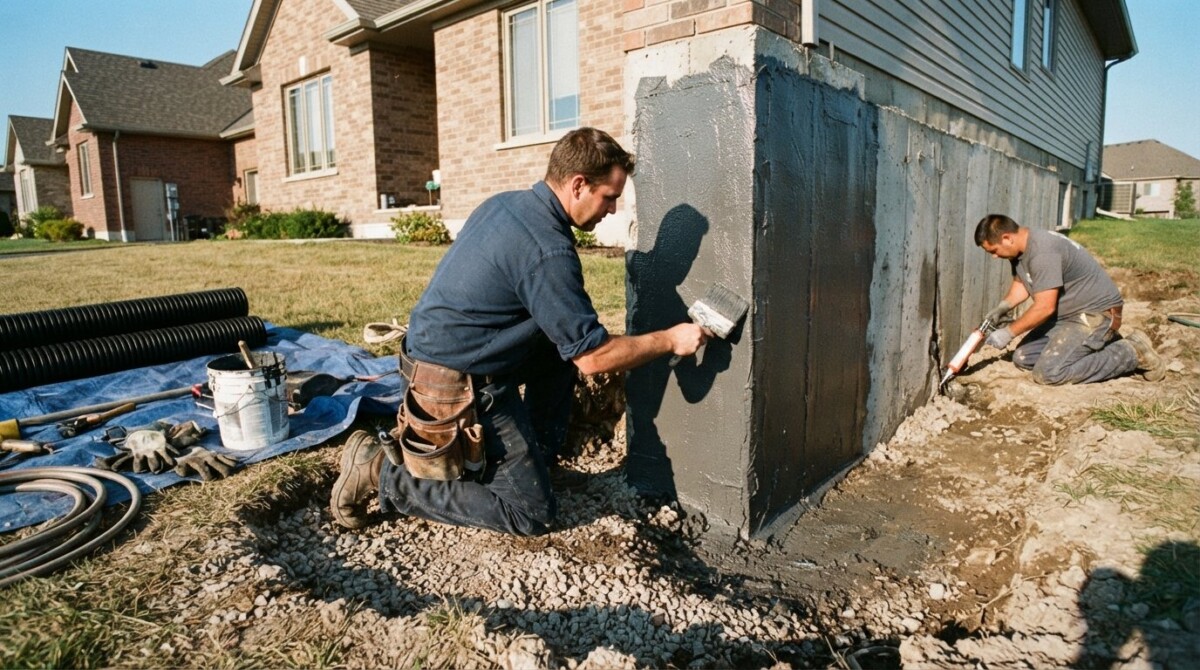
Interior basement waterproofing often involves applying sealants or epoxy injections to cracks, while exterior waterproofing requires excavating around the foundation to install a drainage membrane and a weeping tile system. Both approaches have merit, but a complete solution usually starts on the outside to relieve the hydrostatic pressure before it reaches the interior walls.
Exterior Walls and Siding
Your home’s exterior walls are constantly bombarded by rain, snow, and wind-driven moisture. Siding materials like vinyl, wood, or fiber cement are designed to shed water, but they are only as good as their installation. Gaps in the siding, improperly flashed windows and doors, and cracked caulking allow water to penetrate behind the cladding. Once there, it can rot the sheathing and framing, leading to major structural repairs.
Proper exterior waterproofing includes installing a weather-resistant barrier (house wrap) behind the siding, correctly flashing all penetrations, and maintaining the sealant around doors and windows. It is a system that works together to keep the building envelope dry.
Roofing and Gutters
Your roof is your first defense against the elements, but it is not impenetrable. Damaged or missing shingles, deteriorated flashing around chimneys and vents, and clogged gutters all contribute to water problems. When gutters overflow, water cascades down the side of your house, saturating the soil near the foundation and increasing the risk of basement leaks.
Regular roof inspections and gutter cleaning are simple, non-negotiable maintenance tasks. But when the time comes for a full roof replacement, choosing high-quality materials and ensuring proper underlayment installation is a critical component of a comprehensive waterproofing plan.
Key Waterproofing Methods and Strategies
Once you have identified the vulnerable areas, the next step is to choose the right protection. There is no one-size-fits-all solution; a combination of methods often yields the best results. Here is a breakdown of the most effective strategies used by professionals:
- Exterior Drainage Systems: This involves installing a perforated pipe at the base of the foundation footing to collect groundwater and direct it away from the house. It is the most effective way to reduce hydrostatic pressure.
- Interior Drainage Systems: If exterior excavation is not feasible, an interior French drain system can be installed beneath the basement floor slab. It collects water that seeps through the walls or floor and routes it to a sump pump.
- Sump Pumps and Backup Systems: A sump pump is essential for any basement that collects water. It actively removes water from the sump pit. Adding a battery backup ensures the pump works during power outages, which often occur during severe storms.
- Foundation Crack Injection: For minor, non-structural cracks, epoxy or polyurethane foam can be injected under pressure to seal the opening and prevent water intrusion.
- Waterproofing Coatings and Membranes: These are applied to the exterior foundation walls (below grade) or to interior walls to create a barrier against moisture. Some are cementitious, while others are elastomeric or bentonite-based.
Each of these methods addresses a specific aspect of water management. A professional waterproofing contractor will assess your home’s unique conditions, including soil type, drainage patterns, and the foundation’s condition, to recommend the most appropriate and cost-effective combination.
Signs Your Home Needs Waterproofing Now
Waiting for visible water is a mistake that leads to extensive damage. Recognizing the early warning signs allows you to address minor issues before they escalate into major projects. Here are some indicators that your home may need waterproofing:
- Musty odors in the basement or lower levels, which indicate the presence of mold or mildew.
- Visible efflorescence, a white, chalky powder on foundation walls, which is a sign of mineral deposits left by evaporating water.
- Cracks in the basement floor or walls that are growing in size or length.
- Peeling paint or wallpaper in interior spaces, which suggests high humidity or a leak.
- Warped or buckling wood floors, especially at the edges near exterior walls.
- Water stains on ceilings or walls, which may indicate a roof leak or a plumbing issue.
If you notice any of these signs, do not delay. Start with a professional inspection to determine the source of the moisture. A qualified expert can perform a moisture assessment and recommend a targeted plan.
Professional Waterproofing: What to Expect
While some minor tasks like sealing small cracks or cleaning gutters are DIY-friendly, major waterproofing work is not. It requires specialized equipment, an understanding of building science, and experience with excavation and drainage. Hiring a professional is an investment in the long-term health of your home.
A reputable contractor will begin with a thorough inspection of your property, including the grading around the foundation, the condition of your gutters and downspouts, and the interior of your basement. They should explain their findings in clear terms and provide a detailed proposal that outlines the scope of work, materials to be used, and the total cost. They should also be able to provide references and proof of insurance.
The Cost of Waterproofing vs. The Cost of Neglect
The cost of professional basement waterproofing varies widely depending on the method and the size of your home. Interior drainage systems might cost a few thousand dollars, while exterior excavation can run significantly higher. It is easy to balk at these numbers, but compare them to the cost of repairing a flooded basement. A single major flood can cause tens of thousands of dollars in damage to flooring, drywall, furniture, and personal belongings. The bill for mold remediation alone can dwarf the cost of a waterproofing system. Investing in prevention is almost always the more financially sound decision.
How to Choose the Right Waterproofing Contractor
Selecting the right contractor is as important as the waterproofing method itself. A poorly executed waterproofing job can fail, leading to more extensive damage and costly callbacks. Here is a checklist to guide your decision:
- Check credentials: Ensure the contractor is licensed, bonded, and insured. Ask for proof of insurance and verify their license with your local authorities.
- Ask for references: A reputable contractor will happily provide references from recent customers. Contact a few to ask about their experience, the quality of work, and whether the waterproofing has held up.
- Get multiple quotes: Obtain at least three written estimates from different contractors. Compare the scope of work, materials, and costs. Be wary of quotes that are significantly lower than others; they may indicate inferior materials or workmanship.
- Look for a warranty: Waterproofing should come with a warranty that covers both materials and labor. A strong warranty shows that the contractor stands behind their work.
- Insist on a detailed contract: The contract should specify the exact work to be done, the timeline, payment schedule, and any guarantees. Do not sign a contract with blank spaces or vague descriptions.
Taking the time to vet potential contractors can save you from a costly mistake. The goal is to find a professional who will do the job correctly the first time, giving you durable protection for years to come.
The Lead Generation Connection for Contractors
For professional waterproofing contractors, the challenge is not just delivering excellent work; it is finding homeowners who are actively seeking their services. The demand for waterproofing spikes after heavy storms, but the need is constant. Marketing a contracting business effectively requires a targeted approach to reach the right people at the right moment.
This is where a lead generation service becomes an invaluable asset. Instead of spending time and money on broad advertising that may not reach interested homeowners, contractors can purchase high-intent leads from a platform that connects them specifically with people searching for waterproofing and basement repair services. These platforms pre-qualify the leads, ensuring that the contractor is not wasting time on tire-kickers or unqualified prospects. For a busy contractor, this can be the most efficient way to grow their business and fill their project pipeline.
Protecting Your Investment for the Long Term
Home waterproofing is not a one-time event; it is an ongoing commitment to the health of your property. After the initial waterproofing system is installed, regular maintenance is essential. This includes keeping gutters clean, ensuring downspouts direct water away from the foundation, and inspecting the sump pump periodically. Landscaping should also be graded to slope away from the house, preventing water from pooling near the foundation.
By staying vigilant and addressing minor issues promptly, you can extend the life of your waterproofing system and avoid the stress and expense of emergency repairs. Your home is one of your largest assets, and protecting it from water damage is one of the most responsible things you can do as a homeowner. Whether you are tackling a small crack or planning a full exterior excavation, the investment you make today will pay off in the form of a safer, healthier, and more valuable home for years to come.
About the Author: Mason Caldwell