Bathroom Remodel Lead Economics: Planning vs. Ready to Hire
Master bathroom remodel lead economics planning versus ready to hire to boost your close rate. Call (510)-663-7016 for expert guidance.

Every bathroom remodeling contractor knows the sting of a lead that goes nowhere. You spend time on the phone, maybe visit the home, put together an estimate, and then the homeowner disappears. The problem is rarely the lead itself. It is almost always a mismatch between the lead's stage and your sales approach. Bathroom remodel lead economics planning versus ready to hire is not just a budgeting exercise. It is a strategic framework that determines how you allocate time, marketing spend, and follow-up energy across two very different types of prospects.
In the lead generation world, bathroom leads typically fall into two buckets: planning-stage leads and ready-to-hire leads. Each has its own cost structure, conversion timeline, and profit potential. Treating them the same is like using a sledgehammer to hang a picture frame. You might get the job done, but you will break a lot of things along the way. This article breaks down the economics of each lead type and gives you a practical playbook for maximizing return on both.
How Planning-Stage and Ready-to-Hire Leads Differ in Sales Cycle Length
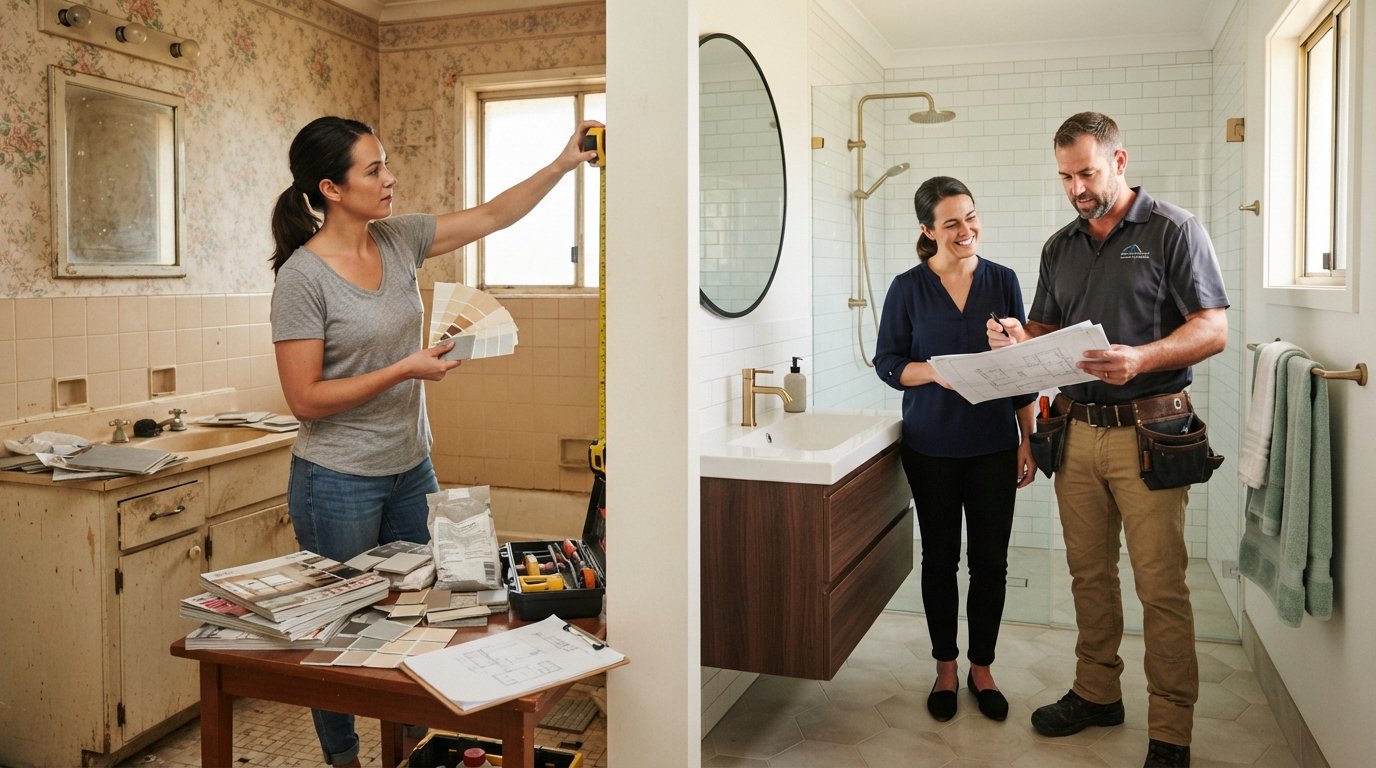
The most obvious difference between planning-stage and ready-to-hire leads is time. A planning-stage lead is a homeowner who is still exploring possibilities. They might be months away from breaking ground. They are gathering ideas, comparing materials, and trying to understand what their budget can realistically buy. A ready-to-hire lead, by contrast, has already done the mental work. They know what they want, they have a budget in mind, and they are actively interviewing contractors.
This timeline gap has a direct impact on your cost per acquisition. Planning leads typically cost less per lead because the homeowner is earlier in the funnel and less committed. Ready-to-hire leads command a premium because the intent is higher and the competition among contractors is fiercer. But cheaper leads are not always more economical. If you convert only one in twenty planning leads but one in four ready-to-hire leads, the math changes quickly.
Consider a simple example. Suppose you pay $25 for a planning-stage bathroom lead and $45 for a ready-to-hire lead. If your close rate on planning leads is 5 percent, your cost per closed deal is $500. If your close rate on ready-to-hire leads is 25 percent, your cost per closed deal is $180. The ready-to-hire lead is more than twice as efficient, even though it costs nearly twice as much upfront. This is the core of bathroom remodel lead economics: it is not about the sticker price of the lead, it is about the cost per signed contract.
That said, planning leads are not a lost cause. They are an investment in future revenue. The key is to understand that you are playing a longer game. You need a follow-up system that keeps you top of mind without burning out your sales team. The contractors who win with planning leads are the ones who treat them like seeds, not lottery tickets.
Setting Expectations and Follow-Up Cadence for Each Stage
Your follow-up cadence should match the lead's stage. For ready-to-hire leads, speed is everything. The homeowner is likely talking to multiple contractors, and the first one to respond often has a significant advantage. A good rule of thumb is to respond within five minutes. If you cannot answer the phone, have an automated text or email ready to go. The goal is to book an in-home consultation as quickly as possible, ideally within 48 hours.
For planning-stage leads, speed matters less than consistency. These homeowners are not ready to book a consultation yet, and pushing too hard will scare them off. Instead, focus on education and low-pressure check-ins. A weekly or biweekly email with bathroom design ideas, budget tips, or material comparisons can keep you in the conversation without being pushy. A monthly phone call to answer questions and gauge progress is often enough.
Here is a simple framework for follow-up cadence by lead stage:
- Ready-to-hire: Respond within 5 minutes, book consultation within 48 hours, send a reminder and a pre-consultation checklist the day before, follow up within 24 hours after the consultation with a written estimate.
- Planning-stage: Respond within 24 hours, add to a monthly educational email list, check in by phone every 30 days, offer a free design consultation or budget worksheet as a value-add, and re-engage when they signal readiness (for example, by requesting a quote or asking about timelines).
- Hybrid leads: Some homeowners are planning but have a firm timeline, for example, they want the project done before a holiday or a family event. Treat these like ready-to-hire leads with a longer runway. Book a consultation early and stay in touch with milestone check-ins.
The key is to document every interaction in your CRM so that no lead falls through the cracks. A planning lead that goes cold for six months might suddenly become ready to hire when they get a bonus at work or when their current bathroom finally gives out. If you have stayed in touch, you will be the first call they make.
For contractors who want to scale their lead volume without sacrificing follow-up quality, a platform like HomeRemodelingLeads bathroom remodeling leads offers both planning and ready-to-hire options. The ability to filter by stage allows you to allocate your sales resources appropriately, spending more time on high-intent leads while nurturing the planning-stage prospects with automated follow-up.
When to Invest Education Time in Planning Leads
Education is the currency of planning-stage leads. These homeowners are hungry for information, and the contractor who provides it becomes the trusted advisor. But education takes time, and time is money. So when is it worth the investment?
The answer depends on two factors: the size of the potential project and the likelihood that the homeowner will actually move forward. A homeowner planning a simple cosmetic refresh (new vanity, paint, and fixtures) is probably not worth hours of education. A homeowner planning a full gut renovation with custom tile work and a layout change is a different story. That project could be worth tens of thousands of dollars, and the homeowner is likely to need guidance on design, materials, and budgeting.
Here are some signals that a planning lead is worth an education investment:
- They have a defined budget range (even if it is preliminary).
- They have a timeline, even if it is six to twelve months out.
- They ask detailed questions about materials, permits, or construction timelines.
- They have already started collecting inspiration photos or researching contractors.
- They own their home and have lived in it for at least a few years (suggesting they are invested in the property).
If a planning lead shows two or more of these signals, it is worth scheduling a brief phone call or a low-pressure in-home consultation. The goal is not to close the sale but to position yourself as the expert and to gather information that will help you tailor your follow-up. For example, if you learn that the homeowner is leaning toward a curbless shower and heated floors, you can send them articles or product recommendations that align with those interests.
One effective tactic is to offer a free bathroom remodeling budget worksheet or a design consultation. This gives the homeowner something of value without requiring a commitment, and it gives you an excuse to stay in touch. Contractors who use this approach often find that planning leads convert at a higher rate when they eventually become ready to hire because the relationship and trust are already established.
Qualifying Budget and Scope Without Losing the Homeowner
Qualifying budget and scope is the trickiest part of working with planning-stage leads. Ask too soon, and you risk sounding pushy or transactional. Ask too late, and you waste time on a project that was never going to happen. The key is to frame the conversation around helping the homeowner, not interrogating them.
Instead of asking "What is your budget?" try asking "Have you had a chance to think about a budget range for this project?" This phrasing is softer and gives the homeowner permission to say they are still figuring it out. If they do not have a number, offer a range based on similar projects you have completed. For example, "Most of the full bathroom remodels we do in this area land between $15,000 and $25,000, depending on the finishes and whether we move any plumbing. Does that align with what you were thinking?" This gives them a benchmark and makes it easier for them to share their own expectations.
Scope qualification follows the same principle. Instead of asking for a detailed list of what they want, ask about their priorities. "If you had to pick the three most important things for this remodel, what would they be?" This helps you understand what matters most to the homeowner (for example, a larger shower, more storage, or better lighting) and gives you a sense of the project's complexity. It also opens the door to a conversation about trade-offs, which is where you can demonstrate your expertise and build trust.
For ready-to-hire leads, qualification can be more direct. These homeowners have already done their homework, so you can ask about budget and scope with more confidence. A good approach is to send a pre-consultation questionnaire that asks about budget range, must-have features, and timeline. This saves time during the in-home consultation and allows you to prepare a more accurate estimate.
The worst thing you can do is disqualify a planning lead too early because they do not have a firm budget. Many homeowners start with a vague idea and refine it as they learn more. If you stay in the conversation and provide value, you can help them shape their budget and scope in a way that aligns with your services. This is especially true for larger projects where the homeowner may be considering a home equity loan or refinancing. In those cases, you can point them to resources like MortgageLeads to explore financing options, which adds value and keeps you top of mind.
The Economics of Lead Mix: Balancing Planning and Ready-to-Hire
Smart contractors do not choose between planning leads and ready-to-hire leads. They build a balanced portfolio of both. The right mix depends on your capacity, your sales process, and your growth goals. If you are a small shop with limited sales bandwidth, you might focus more on ready-to-hire leads to keep your calendar full. If you have a dedicated salesperson or a robust follow-up system, you can afford to invest in planning leads for long-term pipeline health.
A useful exercise is to calculate your cost per closed deal for each lead type and compare it to your average project profit. For example, if your average bathroom remodel nets $8,000 and your cost per closed deal from ready-to-hire leads is $200, that is a 40:1 return. If your cost per closed deal from planning leads is $600, that is a 13:1 return. Both are profitable, but the ready-to-hire leads are more efficient in the short term. The planning leads, however, may have less competition and higher loyalty, which can lead to referrals and repeat business.
Another factor to consider is seasonality. In many markets, bathroom remodeling demand peaks in spring and summer. During peak season, ready-to-hire leads may be more plentiful and more competitive. In the off-season, planning leads can help you fill your pipeline for the next year. By adjusting your lead mix throughout the year, you can smooth out revenue fluctuations and keep your team busy.
It is also worth tracking the source of your leads. Some lead providers specialize in one stage or the other. For a deeper dive into how lead costs and project ROI interact, see our guide on bathroom remodel costs, plans, and ROI. That resource breaks down typical project budgets and helps you set realistic expectations for both lead types.
Building a Follow-Up System That Works for Both Stages
The backbone of successful bathroom remodel lead economics is a follow-up system that automates the repetitive work while preserving the personal touch. For ready-to-hire leads, automation should focus on speed and scheduling. For planning leads, automation should focus on education and nurturing.
Here is a simple three-step framework for building your system:
- Segment your leads by stage at the point of entry. Use your CRM to tag each lead as planning or ready-to-hire based on the information you collect (for example, timeline, budget clarity, and urgency). This allows you to route leads to the appropriate follow-up sequence automatically.
- Create separate email and text templates for each stage. Ready-to-hire leads should receive a prompt response with a scheduling link and a brief overview of what to expect. Planning leads should receive a welcome message with a link to a helpful resource (like a budget worksheet or design guide) and an invitation to reply with questions.
- Review and adjust your cadence monthly. Track open rates, response rates, and conversion rates for each sequence. If a particular email or text is not performing, change it. If a sequence is producing too many unsubscribes, reduce the frequency. The goal is to stay top of mind without becoming a nuisance.
One often-overlooked element of follow-up is the handoff between marketing and sales. If your marketing team generates leads but your sales team does not follow up consistently, you are wasting money. Make sure there is a clear process for assigning leads, logging interactions, and escalating hot prospects. A weekly sales meeting where you review the pipeline and discuss stuck leads can make a big difference.
For contractors who buy leads from a marketplace, it is also important to understand the provider's replacement or credit policy. Some providers offer credits for bad contact information or duplicates. Knowing the rules can save you money and reduce frustration. HomeRemodelingLeads, for example, offers a return policy for invalid leads, which protects your investment and keeps your cost per acquisition predictable.
Common Mistakes That Wreck Lead Economics
Even experienced contractors make mistakes when working with bathroom leads. Here are the most common ones and how to avoid them:
- Treating all leads the same. As this article has shown, planning and ready-to-hire leads require different approaches. Using a high-pressure sales script on a planning lead will kill the relationship. Using a slow, educational approach on a ready-to-hire lead will lose the job to a faster competitor.
- Not tracking cost per closed deal. Many contractors focus on the cost per lead and ignore the downstream conversion rate. A cheap lead that never converts is more expensive than an expensive lead that closes quickly. Track your cost per closed deal by lead source and stage.
- Giving up too soon on planning leads. Planning leads often take months to mature. If you stop following up after two weeks, you are leaving money on the table. A long-term nurture sequence can turn a cold planning lead into a hot ready-to-hire lead when the timing is right.
- Over-automating the personal touch. Automation is great for scheduling and reminders, but it cannot replace a genuine conversation. Make sure your sales team has the time and authority to pick up the phone and talk to leads, especially high-value ones.
- Ignoring the homeowner's financing concerns. Many bathroom remodels are financed through home equity loans or refinancing. If you can connect homeowners with reliable financing resources, you remove a major barrier to closing. This is where a service like MortgageLeads can be a valuable addition to your referral network.
By avoiding these mistakes, you can improve your conversion rates and get more mileage out of every lead you buy.
Putting It All Together: A Practical Playbook
To succeed with bathroom remodel lead economics planning versus ready to hire, you need a playbook that addresses both stages. Here is a summary of the key actions:
- For planning leads: Respond within 24 hours, offer a valuable resource, add to a monthly nurture campaign, check in by phone every 30 days, and re-engage when they show readiness signals. Invest education time only when the project size and homeowner signals justify it.
- For ready-to-hire leads: Respond within 5 minutes, book a consultation within 48 hours, send a pre-consultation questionnaire, follow up with a written estimate within 24 hours, and ask for the sale. Speed and professionalism are your biggest advantages.
- For your overall lead mix: Track cost per closed deal for each stage, adjust your mix based on seasonality and capacity, and build a follow-up system that automates the repetitive work while preserving personal touch.
The contractors who master this balance are the ones who build sustainable, profitable businesses. They do not chase every lead with the same intensity, and they do not ignore the slow-burn prospects. They understand that bathroom remodel lead economics is about optimizing the entire funnel, not just the top.
Whether you are buying leads from a marketplace or generating them through your own marketing, the principles are the same. Know your numbers, segment your leads, and tailor your follow-up. If you do, you will turn more leads into signed contracts and build a pipeline that keeps your crew busy year-round.