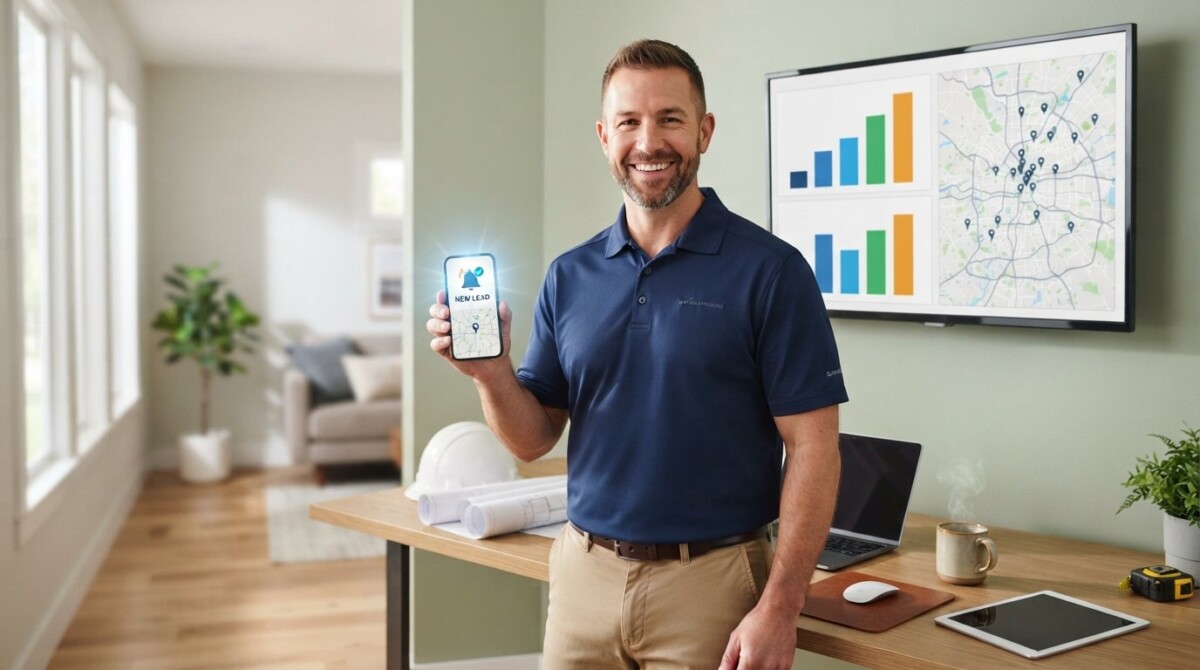

Behavior Based Lead Generation for Contractors
For home improvement contractors, the gap between a homeowner’s need and a signed contract is often filled with wasted time and misdirected effort. Traditional lead generation methods, such as cold calling or generic online ads, cast a wide net but rarely catch the right fish. This is where behavior based lead generation changes the game. Instead of chasing every homeowner who visits a website, this approach focuses on the actions people take, which reveal their true intent. By paying attention to what a potential customer does, not just who they are, you can prioritize your efforts and win more projects.
Behavior based lead generation is a strategy that scores and prioritizes prospects based on their digital footprints. It tracks interactions like website visits, content downloads, email opens, and service-specific page views. For a contractor, this means knowing whether a homeowner is merely browsing or actively comparing prices for a new roof. This intelligence allows you to reach out at the perfect moment with the perfect message, increasing your close rate significantly. In this guide, we will explore how you can implement this system to fill your pipeline with high-intent projects.
Why Behavioral Data Matters More Than Demographics
Demographic data, such as age, income, or home location, tells you who a person is, but it does not tell you what they need. A homeowner in a high-income area might have a new roof, while a neighbor’s house could be leaking. Behavioral data cuts through the guesswork by revealing immediate needs and interests. When a homeowner spends ten minutes on your bathroom remodeling page, downloads a cost guide, and then checks your team page, they are signaling a clear intent to start a project soon.
This level of insight is invaluable for contractors who want to avoid wasting resources on cold leads. Instead of calling every homeowner in a zip code, you focus on those who have already shown interest in your specific services. For example, if a lead has visited your project gallery multiple times and then clicks on your financing options page, they are likely serious about moving forward. By prioritizing these actions, you can tailor your follow-up to address their specific concerns, such as budget or timeline.
Furthermore, behavioral data helps you refine your marketing messages. If you notice that most of your high-intent leads come from mobile devices, you can optimize your website for mobile users. If they frequently search for energy-efficient windows, you can highlight those benefits in your ads. This continuous feedback loop ensures that your marketing budget is spent on strategies that actually work, not on assumptions about what might work.
Key Signals of High-Intent Homeowners
Not all actions are equal. A single page view could be accidental, but a pattern of specific behaviors is a strong indicator of purchase intent. Learning to identify these signals is the first step in creating an effective lead scoring system. While the exact signals may vary by trade, the following are common across most home improvement sectors.
- Service Page Views: Visiting a specific service page, like roofing or kitchen remodeling, indicates a direct interest in that service.
- Content Downloads: Downloading a checklist, a pricing guide, or a maintenance tip sheet shows a desire for detailed information.
- Contact Form Submissions: Filling out a contact form is a direct request for communication, but the behavior leading up to it matters.
- Return Visits: A homeowner who returns to your site multiple times is actively comparing options and is closer to a decision.
- Schedule Page Engagement: Spending time on your appointment booking page or checking your service area suggests they are ready to talk.
Tracking these signals requires a reliable system. Simple website analytics can show page views, but they do not tie behavior to a specific person. To truly leverage behavior based lead generation, you need a tool that can associate actions with a lead profile. This is where a professional lead generation service can provide a significant advantage, as they have the infrastructure to capture and analyze this data effectively.
Once you have identified these high-intent signals, the next step is to act on them immediately. A lead who downloads a price guide should receive a follow-up email within the hour, not the next day. This speed to lead is critical, as the first contractor to respond often wins the job. By automating your response based on the specific behavior, you can ensure that no hot lead goes cold.
Implementing a Behavior Based Lead Scoring System
To move from a reactive to a proactive approach, you need a formal lead scoring model. This system assigns points to different behaviors, and when a lead reaches a certain threshold, they are flagged as high priority. For example, a website visit might be worth 5 points, a service page view 10 points, a download 20 points, and a contact form submission 50 points. A lead with over 100 points is ready for a direct phone call, while a lead with 30 points might only be ready for an email newsletter.
Building this system does not require a complex enterprise software suite. Many customer relationship management (CRM) platforms offer lead scoring features that are accessible to small and medium-sized contractors. You can set up rules that automatically assign scores based on the actions your leads take. The key is to start simple and refine your model over time based on the leads that actually convert into paying customers.
One practical way to accelerate this implementation is to partner with a platform that already collects and scores behavioral data. For instance, our behavior based lead generation for homeowners service is designed to deliver leads that have already been vetted for their intent. This allows you to bypass the technical setup and focus your energy on closing deals. You receive leads with context, such as what pages they viewed or what questions they asked, which gives you a head start in your sales conversation.
However you choose to implement it, the goal is to create a clear workflow. High-scoring leads should be routed to your sales team for immediate follow-up. Medium-scoring leads can be entered into an automated email sequence that provides value and builds trust. Low-scoring leads can be nurtured with periodic newsletters and seasonal tips. This tiered approach ensures that your most valuable resource, your time, is spent where it has the highest return.
Integrating Behavioral Data with Your Sales Process
Having behavioral data is only half the battle; the other half is using it effectively in your sales conversations. When you call a lead, do not just say, “I see you requested a quote.” Instead, say, “I noticed you were looking at our basement remodeling projects, and you checked out our financing page. Are you interested in a flexible payment plan for a basement update?” This personalized approach shows the homeowner that you are attentive and genuinely interested in solving their problem.
This level of personalization extends to your email follow-ups as well. If a lead spent time on your solar energy page but not on your roofing page, do not send them a general email about all your services. Send them a case study about a successful solar installation and a list of available rebates. This targeted communication resonates more deeply and moves the lead closer to a decision.
For contractors who are not ready to build their own scoring system, using a service that provides pre-qualified leads is a smart alternative. Our contractor lead generation system focuses on capturing high-intent homeowners who are actively searching for services like yours. By integrating these leads into your sales funnel, you can immediately apply your best practices without the initial technical hurdle.
Remember, the sales process should be a continuation of the behavioral insights. Document the key behaviors that led to the sale and use that information to refine your approach. For example, if you notice that leads who download a specific guide are more likely to book an appointment, you can feature that guide more prominently on your website. This alignment between marketing and sales is the core of a successful growth strategy.
Common Pitfalls and How to Avoid Them
While behavior based lead generation is powerful, it is not without its challenges. One common mistake is overcomplicating the scoring model. If you have 50 different behaviors each with a different point value, you will spend more time managing the system than using it. Start with the 5 to 10 most meaningful behaviors and adjust as you learn. Another pitfall is ignoring negative behaviors, such as a lead unsubscribing from your email list or visiting a competitor’s website. These signals can help you disqualify leads early and save your resources.
A further issue is failing to act on the data. Collecting data and never using it to change your outreach is a waste of time. Ensure that your team is trained to review the behavioral notes attached to each lead and to tailor their pitch accordingly. If a lead has visited your site five times, they are likely waiting for a reason to choose you. Your follow-up should provide that reason, whether it is a special offer, a strong guarantee, or a recent testimonial.
Finally, do not forget the human element. Behavioral data is a tool, not a substitute for genuine relationship building. A homeowner may be ready to buy, but they will still choose a contractor they trust. Use the insights to start a conversation, but then listen to their needs and provide honest advice. As noted in our guide on finding a reliable roofer, trust is the ultimate deciding factor in a home improvement project.
To avoid these pitfalls, consider a phased approach. Begin by tracking a few key behaviors and manually reviewing your leads. Once you see patterns emerging, you can automate the scoring and routing. This gradual implementation reduces risk and helps your team adapt to the new system without feeling overwhelmed.
Measuring Success and Refining Your Approach
To know if your behavior based lead generation efforts are paying off, you need to track specific metrics. The most important metric is lead-to-close rate, which measures the percentage of leads that become paying customers. If your close rate increases after implementing this strategy, it is a strong indicator that you are attracting higher quality leads. Other metrics to watch include cost per lead, time to close, and return on investment for your marketing spend.
Regularly review your data to identify trends. Are leads from a particular source, like a specific social media platform, more likely to convert? Are certain types of content, such as video walkthroughs or detailed cost breakdowns, more effective at moving leads down the funnel? Use these insights to double down on what works and cut what does not. This continuous optimization is what separates a successful campaign from a mediocre one.
For contractors who prefer a hands-off approach to data collection, a lead generation service can provide these metrics directly. They can tell you how many leads were generated, what behaviors they exhibited, and which ones turned into booked appointments. This transparency allows you to evaluate the true value of the service and make informed decisions about your future marketing investments.
In the end, the goal is to create a predictable pipeline of projects. Behavior based lead generation gives you the tools to understand your customers on a deeper level and to act with confidence. By focusing on the signals that matter, you can stop chasing dead ends and start building a thriving business around high-intent homeowners.
The home improvement market is competitive, and the contractors who thrive are those who understand their customers best. Behavioral data is the key to that understanding. It transforms raw website traffic into a clear roadmap of who is ready to buy and what they need from you. By committing to this approach, you will not only increase your close rates but also build a reputation for being a contractor who truly listens and delivers.
About the Author: David