
How a Contractor Sales Pipeline Gets You Better Bids Faster
You notice a leak in the ceiling after a heavy rain. Or maybe your bathroom tile is starting to crack, and the grout crumbles when you touch it. At first, you think, “I can fix that myself next weekend.” But as the days pass, the leak stains get bigger, and the crack in the tile widens. You start searching online for local contractors, but the process feels overwhelming. How do you know who is trustworthy? How do you avoid paying too much? This is where understanding the contractor sales pipeline becomes useful. It is simply the system professional contractors use to manage their leads, estimate projects, and schedule work. When you understand this pipeline, you can get better bids faster and hire a contractor with confidence.
Understanding the Contractor Sales Pipeline
The contractor sales pipeline is the step-by-step process that a remodeling or repair company follows from the moment a homeowner reaches out until the job is complete. It includes inquiry, site visit, estimate, proposal, contract signing, scheduling, and project completion. A well-managed pipeline means you get a timely, accurate quote and the job stays on schedule.
This system matters most to contractors who handle multiple projects at once,roofers, window installers, bathroom remodelers, and HVAC specialists. Homes that are older, have deferred maintenance, or are in areas with extreme weather tend to trigger the most pipeline activity. When a contractor has a smooth pipeline, you benefit because you receive professional estimates quickly and the contractor can start your project sooner.
How a Slow Pipeline Hurts Homeowners
When a contractor’s pipeline is clogged,too many leads, not enough staff, or poor organization,homeowners experience long wait times for estimates, vague pricing, and delayed start dates. You may call three companies and only hear back from one. That one may give you a price over the phone without ever seeing your home. That is a red flag. A healthy pipeline includes a physical inspection before any quote is given.
Why This Matters for Your Home
Ignoring the early signs of damage,like water stains, drafty windows, or a sagging roof,leads to bigger problems. Water damage spreads behind walls, causing mold that affects your family’s health. A small roof leak can rot the decking and rafters, turning a $500 repair into a $5,000 replacement. Delaying HVAC repairs can lead to system failure in extreme temperatures, risking frozen pipes or heat exhaustion.
Your home is likely your biggest investment. Waiting until an emergency forces you to hire the first available contractor often results in rushed work and higher costs. By understanding how the contractor sales pipeline works, you can plan ahead, compare options, and choose a pro who values clear communication and quality work.
If you notice signs of this issue in your home, it may help to speak with a qualified contractor. Request a free quote or call to explore your repair or remodeling options.
Common Problems Homeowners Experience
Many homeowners try to handle small repairs themselves, only to discover hidden damage that requires professional skills. A simple caulk replacement around a bathtub can reveal rotted subfloor. Replacing a single roof shingle may uncover widespread granule loss. These surprises strain your budget and timeline.
Another common problem is hiring a contractor who does not have a clear pipeline. You might get a vague estimate, then face delays, change orders, and unexpected costs. A contractor with a structured pipeline provides a detailed scope of work, a fixed price, and a realistic schedule.
- Water stains on ceilings or walls indicating leaks
- Cracked or missing roof shingles after a storm
- Drafty windows or doors that raise energy bills
- Mold or mildew growth in bathrooms or basements
- Uneven floors or sticking doors from foundation shifts
- Aging HVAC systems that run constantly but never quite heat or cool
How Professionals Solve the Problem
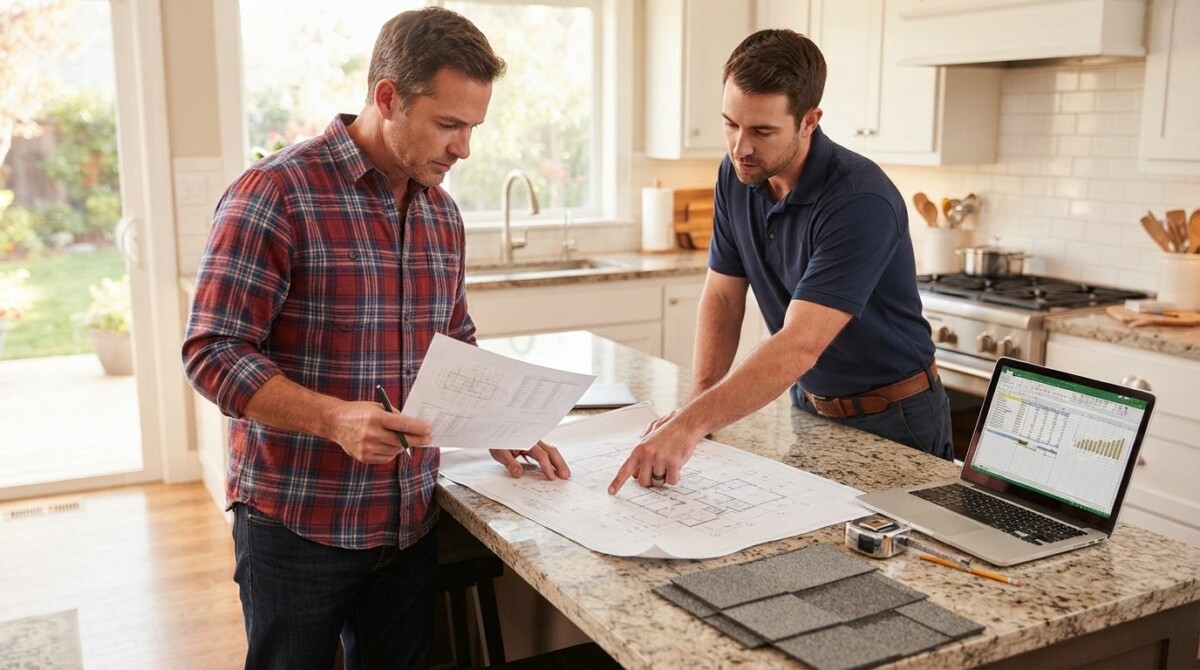
Experienced contractors follow a consistent process to diagnose the issue, recommend the best solution, and complete the work efficiently. They start with a thorough inspection, often using moisture meters, thermal cameras, or structural assessments that a homeowner would not have access to. This ensures the root cause is addressed, not just the symptom.
- Inspection and diagnosis , The contractor inspects the area, identifies the cause, and notes any hidden damage.
- Detailed estimate , You receive a written proposal with materials, labor, timeline, and payment terms.
- Permits and planning , The contractor pulls required permits and orders materials to avoid delays.
- Professional installation or repair , Trained crews complete the work safely and according to code.
- Cleanup and inspection , The job site is cleaned, and you walk through to confirm satisfaction.
Professional work is safer and more reliable than DIY fixes because contractors carry insurance, know local building codes, and have experience with similar projects. They also have access to commercial-grade materials that last longer than what you can buy at a home improvement store.
A professional inspection can reveal hidden issues before they become expensive repairs. Compare contractor quotes here or call to discuss your project.
Warning Signs You Should Not Ignore
Your home often gives subtle clues that a problem is developing. Paying attention early can save you thousands of dollars and prevent safety hazards. Walk through your home twice a year,spring and fall,and look for these signs.
- Peeling paint or wallpaper near windows or ceilings
- Musty odors in basements or crawl spaces
- Higher-than-normal utility bills without a rate increase
- Visible mold spots or efflorescence on basement walls
- Roof granules in gutters or downspouts
- Unusual sounds from the HVAC system, like banging or squealing
What Affects the Cost of Repairs or Installation
Pricing varies widely based on several factors. Understanding these can help you budget and evaluate quotes fairly. The size of the project is the biggest factor,replacing a single window costs far less than replacing all windows in a house. Materials also play a major role; premium roofing shingles or energy-efficient windows cost more upfront but offer long-term savings.
Labor costs depend on the complexity of the work and accessibility. A bathroom remodel on the second floor with limited access is more expensive than a first-floor renovation. The age of your home matters too,older homes may have outdated wiring, plumbing, or structural issues that require extra work. Always ask for a line-item estimate so you can see exactly what you are paying for.
Costs can vary depending on the condition of your home. The best way to know the price is to get a personalized estimate. Request free quotes from contractors or call today.
How to Choose the Right Contractor
Selecting a contractor is one of the most important decisions you will make for your home. A bad choice can lead to poor workmanship, budget overruns, and legal headaches. A good choice gives you peace of mind and a beautiful, durable result.
Start by asking friends and neighbors for recommendations. Then, verify each candidate online. Look for contractors who specialize in your type of project and have been in business for several years. A structured sales pipeline is a sign of a well-run company.
- Check licenses and insurance , Confirm the contractor is licensed in your state and carries general liability and workers’ compensation insurance.
- Read customer reviews , Look for patterns in reviews, not just star ratings. Pay attention to comments about communication and timeliness.
- Ask for detailed estimates , A vague quote is a red flag. A good estimate breaks down materials, labor, permits, and timeline.
- Compare multiple quotes , Get at least three estimates to understand the market rate and avoid overpaying.
- Confirm experience , Ask how many similar projects they have completed. Request references and photos of past work.
Long-Term Benefits of Professional Work
Investing in professional repairs or remodeling pays off in many ways. First, safety improves,properly installed roofs, windows, and HVAC systems reduce the risk of fire, carbon monoxide leaks, and structural failure. Second, durability increases. Professional work lasts years longer than amateur fixes because correct techniques and quality materials are used.
Energy efficiency is another major benefit. New windows, insulation, and HVAC systems can lower your utility bills by 20,30%. Your home stays more comfortable year-round. Finally, a professionally completed project adds resale value. When you sell, buyers will pay a premium for a home with documented, code-compliant upgrades.
What is a contractor sales pipeline?
A contractor sales pipeline is the step-by-step process a contractor uses to manage leads, provide estimates, and complete projects. It helps them stay organized so they can give you a timely quote and complete your job on schedule. Understanding this concept helps you choose a reliable professional.
How can I tell if a contractor has a good pipeline?
Look for prompt communication, clear written estimates, and a realistic timeline. A contractor who returns calls quickly, inspects your property before quoting, and provides a detailed scope of work likely runs an efficient pipeline. Avoid contractors who give prices over the phone without seeing your home.
Why do contractors ask so many questions before giving a quote?
Good contractors ask detailed questions to understand the full scope of work, your preferences, and any existing issues. This helps them provide an accurate estimate and avoid surprises later. It is a sign of a thorough, professional pipeline.
Should I get multiple quotes for my project?
Yes. Comparing at least three quotes helps you understand the market rate and what different contractors offer. Do not automatically choose the lowest price,evaluate each estimate based on materials, timeline, and the contractor’s reputation.
How long does a typical contractor pipeline take from quote to completion?
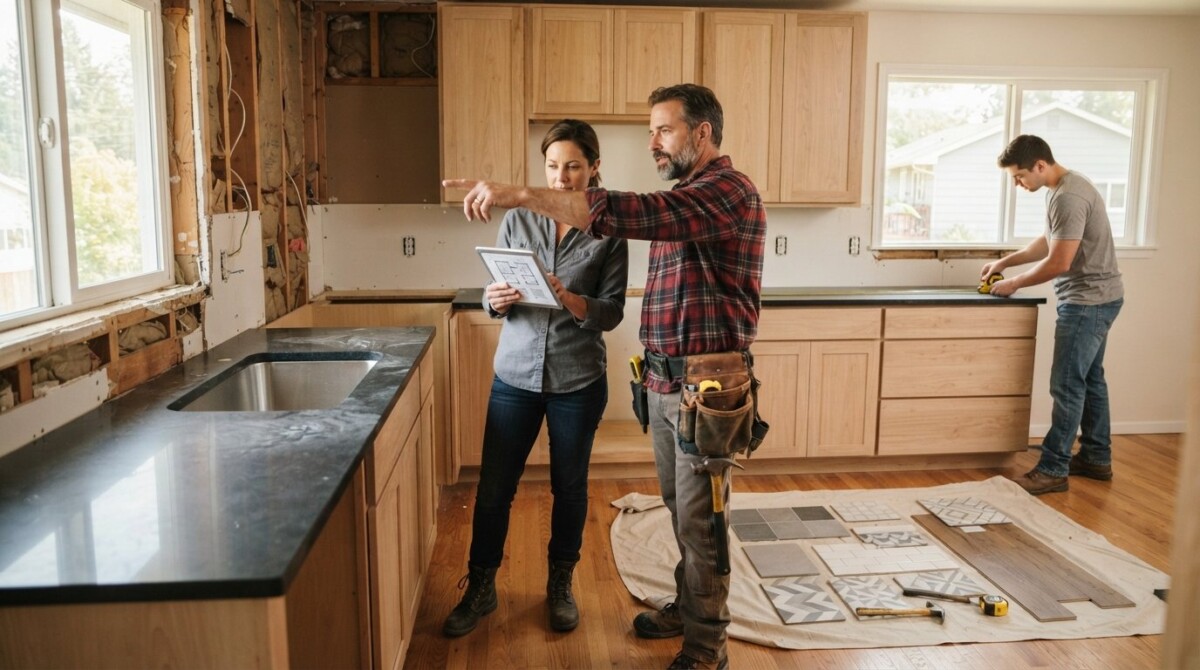
It varies by project. A small repair might take a few days from quote to finish. A full kitchen remodel could take weeks of planning before construction begins. Ask the contractor for a typical timeline during your initial consultation.
What happens if a contractor’s pipeline is overloaded?
You may experience long wait times for estimates, delayed start dates, or rushed work. A professional contractor will communicate these delays honestly and set realistic expectations. If you feel ignored, look for another contractor with better capacity.
Are online lead services like HomeRemodelingLeads reliable for finding contractors?
Yes, platforms like HomeRemodelingLeads connect you with pre-screened contractors who are actively seeking work. This means the contractors you connect with are motivated and ready to provide competitive quotes. It simplifies the process of finding vetted professionals.
Can I negotiate the price in a contractor’s estimate?
Some contractors are open to negotiation, especially if you are flexible on materials or timeline. However, be wary of contractors who drop their price significantly,they may cut corners. Focus on value and clear scope rather than just the lowest number.
Understanding the contractor sales pipeline puts you in control of your home improvement project. You can spot well-run companies, avoid common pitfalls, and get the best value for your investment. Do not wait until a small issue becomes a costly emergency. Compare contractor quotes today to protect your home and your peace of mind.
About the Author: Lila Kensington