
Denver Home Improvement: Projects, Permits and Contractors
Denver homeowners know that the Mile High City offers a unique blend of historic charm and modern mountain living. Whether you are refreshing a bungalow in Capitol Hill or updating a contemporary home in Highlands Ranch, home improvement projects here come with specific challenges and opportunities. From altitude-affected HVAC systems to strict historical district guidelines, getting the job done right requires proper planning, reliable contractors, and a clear understanding of local regulations. This guide walks you through the essential steps for successful home improvement in Denver Colorado, helping you avoid costly mistakes and connect with professionals who deliver quality work.
Why Denver Is Different: Climate, Altitude and Building Trends
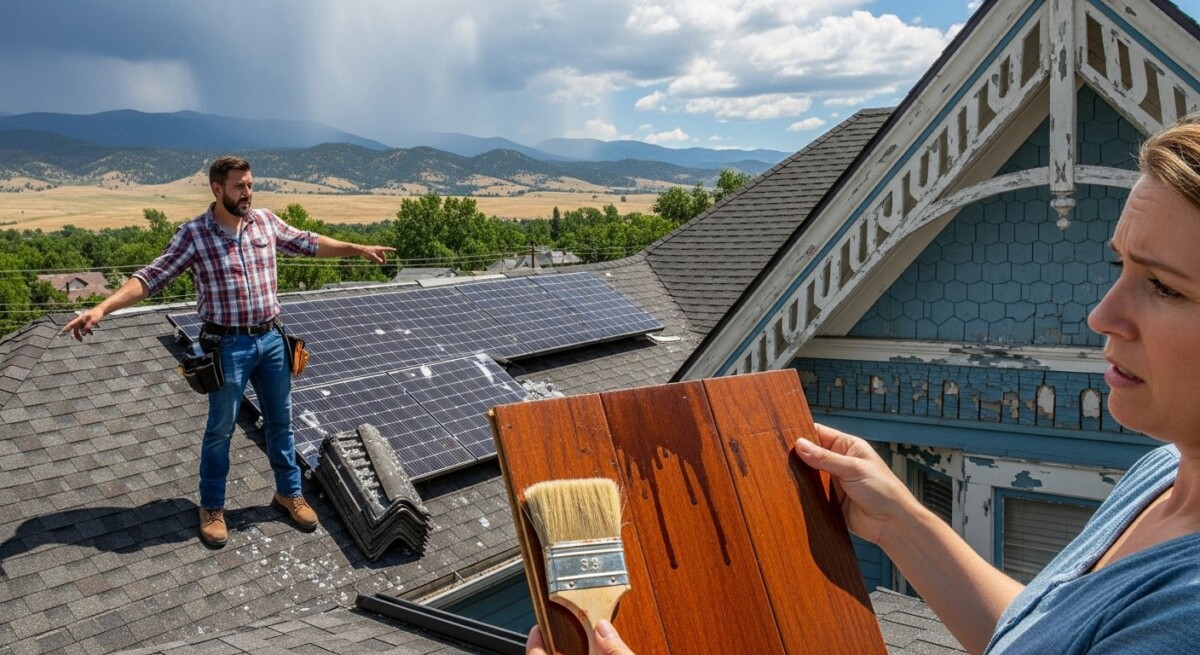
Denver’s semi-arid climate and high elevation (5,280 feet) directly influence every renovation decision. Low humidity and intense UV exposure can crack wood siding, fade paint, and degrade roofing materials faster than in other regions. At the same time, sudden hailstorms are common from May through September, making impact-resistant roofing a smart investment. Many Denver homeowners now pair roof replacements with solar panel installations, taking advantage of Colorado’s 300 days of sunshine and state solar tax credits.
The dry air also affects interior renovations. Hardwood floors may shrink and gap without proper humidification, while interior paint often dries too quickly, leading to brush marks. Experienced Denver contractors know how to adjust materials and techniques for these conditions. When you evaluate bids, ask how each contractor accounts for local climate factors. This upfront question can save you thousands in future repairs.
Starting Your Project: Define Scope and Budget
Before calling any contractor, map out exactly what you want to accomplish. Write a detailed scope of work that includes materials, dimensions, finishes, and any special requests. For example, if you are remodeling a bathroom, decide whether you need a walk-in shower or a soaking tub, what tile type you prefer, and if you want heated flooring. The more specific you are, the more accurate the bids will be.
Next, set a realistic budget. Industry standards suggest allocating 10 to 20 percent extra for unexpected issues, such as hidden water damage or outdated wiring. In Denver, permit fees and HOA approvals can also add costs. To get an idea of typical price ranges, talk to multiple contractors and review recent completed projects in your neighborhood. For contractor lead generation assistance, you can explore services that specialize in connecting homeowners with vetted professionals.
Permits and Regulations in Denver
Denver requires building permits for most structural, electrical, plumbing, and mechanical work. Even replacing windows or adding a deck often needs approval from the Denver Community Planning and Development Department. Historical districts, such as the Wyman Historic District or the Boulevard Park District, have additional design review boards that must approve exterior changes. Failing to pull permits can result in stop-work orders, fines, and difficulties when selling your home.
Your contractor should handle permit applications as part of their service. Ask if they are licensed in Denver and familiar with local codes. A reputable professional will pull permits automatically; a red flag is any contractor who suggests skipping this step. After the work is complete, final inspections ensure everything meets safety standards. Keep copies of all permits and inspection reports for your records.
Choosing the Right Contractor in Denver
Finding a trustworthy contractor is the most critical step in any renovation. Start by asking neighbors, friends, or local online communities for recommendations. Then check online reviews, the Better Business Bureau, and the Colorado Department of Regulatory Agencies to verify licenses and any complaints. Always interview at least three contractors and request detailed written bids that break down labor, materials, permits, and timeline.
One common pain point for Denver homeowners is sifting through unreliable leads. Instead of cold-calling dozens of contractors, consider using a platform that provides pre-qualified leads directly to top professionals. For an in-depth look at how this works locally, read our article on Finding Reliable Home Improvement Leads in Denver Colorado. This resource explains how homeowners can access contractors who are already vetted and ready to bid on their projects.
Key Questions to Ask Contractors
Before signing a contract, ask these questions:
- Are you licensed, bonded, and insured in Colorado? Request proof of general liability and workers’ compensation insurance.
- How many projects similar to mine have you completed in Denver? Ask for references and photos.
- Who will be on-site daily? Subcontractor quality varies, so confirm the lead crew.
- What is the payment schedule? Avoid paying more than 10 to 15 percent upfront. Milestone-based payments are standard.
- How do you handle change orders? Get a written process for unexpected additions.
These questions help you gauge professionalism and reduce the risk of disputes. If a contractor hesitates to answer or provides vague responses, move on to the next candidate. The best contractors welcome transparency because they know their reputation depends on delivering quality work.
Top Home Improvement Projects in Denver
Certain renovations consistently add value and comfort for Denver homeowners. Here are four popular options to consider:
Kitchen and Bathroom Remodeling
Kitchens and bathrooms offer the highest return on investment (ROI) when selling a home. Updating countertops, cabinets, and fixtures can recoup 60 to 80 percent of costs. In Denver, farmhouse-style kitchens with quartz countertops and subway tile backsplash remain on trend. Bathroom remodels often focus on spa-like features such as rainfall showerheads and frameless glass enclosures. Energy-efficient appliances and low-flow fixtures align with Colorado’s environmental consciousness.
Roofing and Solar Integration
Denver’s hailstorms make roof replacement a frequent necessity. Impact-resistant shingles, metal roofing, or synthetic slate are excellent choices. Many homeowners now combine roofing with solar panel installation. Solar energy leads are growing in demand; professionals who offer both services are increasingly common. This single-project approach simplifies logistics and can qualify for federal tax credits.
Basement Finishing and ADUs
Denver’s housing market has a shortage of affordable units. Finishing a basement or building an accessory dwelling unit (ADU) in your backyard can create rental income or extra living space for family. Denver relaxed ADU zoning rules in 2020, making it easier to add a detached unit up to 1,000 square feet. These projects require careful structural planning and thorough permit applications, so a knowledgeable contractor is essential.
Energy Efficiency Upgrades
Colorado offers several rebate programs for energy-efficient improvements. Replacing old windows, adding insulation, upgrading to a high-efficiency furnace or heat pump, and installing smart thermostats can lower utility bills significantly. Denver’s climate makes double-pane or triple-pane windows a wise investment. Check with Xcel Energy and the Colorado Energy Office for current incentives before you start.
Financing Your Home Improvement
Many Denver homeowners use a combination of savings, home equity loans, and contractor payment plans. For larger projects like a full kitchen remodel (often $30,000 to $60,000), a home equity line of credit (HELOC) may offer lower interest rates than credit cards. Some contractors partner with financing companies that provide promotional 0 percent APR for the first 12 months. Always read the fine print to avoid deferred interest penalties.
If your project improves energy efficiency, you might qualify for the federal residential energy-efficient property tax credit or Colorado’s RENU loan program (which offers low-interest loans for renewable energy and efficiency upgrades). Ask your contractor about these options early in the planning stage. A well-qualified contractor can help you understand which financing path aligns with your project’s scope and timeline.
How Lead Generation Services Help Denver Contractors and Homeowners
Finding the right contractor can be time-consuming. Many Denver homeowners resort to random internet searches or referral boards, only to discover scheduling conflicts or mismatched expertise. This is where professional lead generation services bridge the gap. Platforms that specialize in home improvement leads collect homeowner project details, verify budgets, and share those leads with pre-screened contractors. The result is faster, more accurate matches.
For contractors, buying leads eliminates cold-calling and puts them in front of homeowners who are actively seeking services. For homeowners, it means receiving bids from local professionals who have already been vetted for licensing and insurance. To better understand this model, check out our Pay Per Lead Home Improvement guide for homeowners, which explains how pricing and quality control work. While the concept originated in major markets like Los Angeles, it has become highly effective in Denver as well. In fact, the same system that helps homeowners in LA get reliable bids can be adapted to the Denver metro area. Read about how this strategy applies across regions in our article on How to Find Quality Home Improvement Leads in Los Angeles California, and consider how similar lead-matching services can benefit your own Denver project.
Common Pitfalls and How to Avoid Them
Even with careful planning, home improvement projects sometimes go wrong. Here are the most common mistakes Denver homeowners make and how to sidestep them:
- Underestimating timelines. Denver’s permit process can take two to six weeks depending on the project scope. Add another one to two weeks for inspections. Build buffer time into your schedule.
- Skipping written contracts. Verbal agreements lead to disputes over scope, materials, and payment. Always have a signed contract that includes start and completion dates, payment milestones, and warranty terms.
- Choosing the lowest bid. A very low bid often means corners will be cut. Compare three to five bids and assess value, not just price. The cheapest option may use inferior materials or unlicensed workers.
- Ignoring HOA rules. Homeowners’ associations in Denver communities like Stapleton and Green Valley Ranch have strict guidelines on exterior colors, roofing materials, and fence styles. Get written HOA approval before ordering materials.
By avoiding these pitfalls, you can keep your project on track, on budget, and free from legal headaches. Always communicate openly with your contractor and document every change in writing.
Preparing for Your Renovation
Once you select a contractor and finalize your plan, prepare your home for construction. Clear the work area of furniture and personal items. Protect floors and doorways with drop cloths or temporary coverings. If the work involves dust or noise, plan to relocate during the most disruptive phases. Many Denver contractors offer temporary storage containers or on-site trailers for materials, reducing clutter inside your home.
Set up a communication schedule with the project manager. Some contractors provide daily or weekly updates via email or text. Agree on how to handle questions or concerns that arise between visits. Regular check-ins help catch small issues before they become big problems. When the project finishes, walk through the space with your contractor to create a punch list of any final touch-ups. Do not make the final payment until all items are resolved to your satisfaction.
Home improvement in Denver Colorado is an exciting opportunity to enhance your home’s comfort, efficiency, and value. With the right research, a clear budget, and a reliable contractor, your renovation can be smooth and rewarding. Whether you are upgrading a single bathroom or tackling a whole-house remodel, take advantage of local resources and lead-matching services to connect with professionals who truly understand Denver’s unique building landscape.
About the Author: Lila Kensington