Home Modification for Accessibility: A Complete Guide
As we age or face mobility challenges, our homes can become less functional and even unsafe. The bathroom, stairs, and narrow doorways that once served us well may now present daily obstacles. Home modification for accessibility is not just about installing grab bars; it is about creating a living space that supports independence, comfort, and safety for everyone, regardless of physical ability. Whether you are planning for a loved one or preparing for your own future, understanding the scope of these changes is the first step toward a more accessible and welcoming home.
This guide walks you through the key areas of home modification, from assessing needs to choosing the right contractor. We will cover the most common and impactful changes, the costs involved, and how to move forward with confidence. For homeowners who want professional results, connecting with vetted remodelers through a trusted lead service like HomeRemodelingLeads can simplify the process and ensure quality workmanship.
Why Home Modification for Accessibility Matters
Most homes are not designed with accessibility in mind. Standard doorways are often too narrow for wheelchairs, bathrooms lack support bars, and kitchens place countertops out of reach. For the millions of Americans with mobility issues, these design flaws can turn simple tasks into exhausting or dangerous challenges. In fact, falls are the leading cause of injury among older adults, and many of these falls happen at home.
Modifying your home does more than just prevent accidents. It allows individuals to remain in their homes longer, maintaining their social connections and sense of independence. This is often referred to as “aging in place,” and it is a major reason why homeowners invest in accessibility upgrades. Moreover, these modifications can increase the resale value of a home, as more buyers are looking for properties that can accommodate aging parents or family members with disabilities.
The financial and emotional benefits are clear. A well-designed accessible home reduces caregiver burden and can delay or eliminate the need for assisted living facilities, which are often extremely costly. By planning and investing now, you are not only improving your quality of life but also making a smart financial decision for the future.
Key Areas of the Home That Need Modification
When considering home modification for accessibility, it is helpful to think about the home in zones. Each area presents unique challenges and opportunities for improvement. The most critical areas are typically the bathroom, the entryways, the kitchen, and the stairs. Let us examine each in detail.
Bathroom Safety and Accessibility
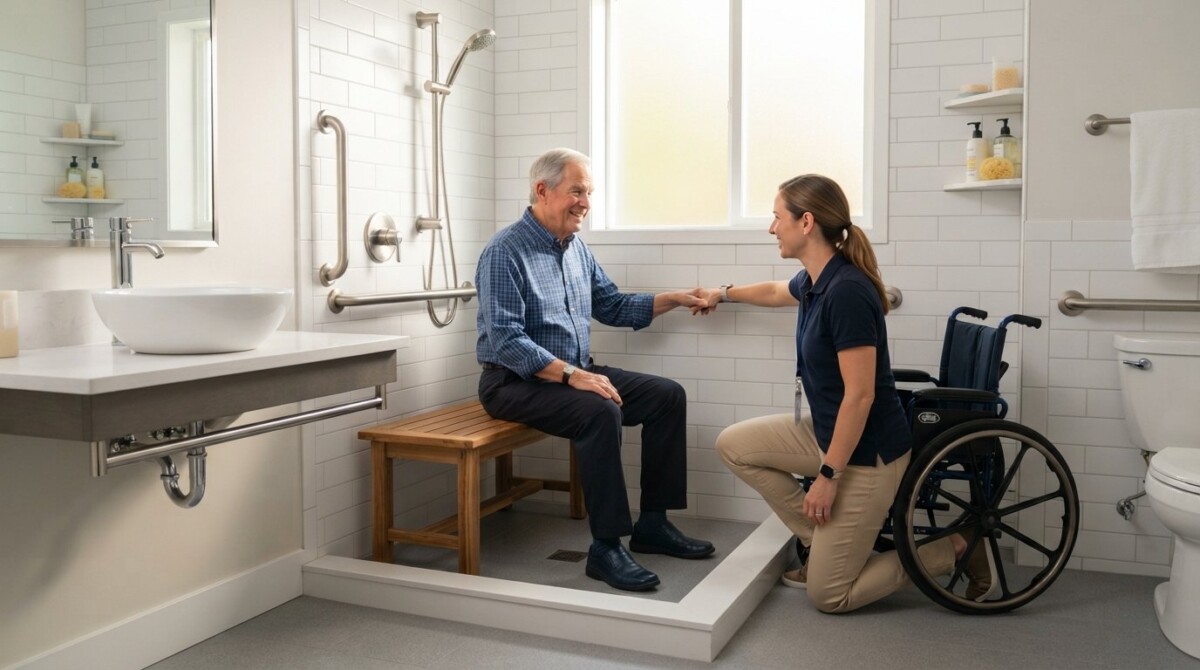
The bathroom is often the most dangerous room in the house. Wet floors, hard surfaces, and tight spaces create a perfect storm for slips and falls. A comprehensive bathroom modification might include a walk-in shower with a built-in bench, a comfort-height toilet, and non-slip flooring. Grab bars near the toilet and inside the shower are essential, and they should be properly anchored to the wall studs to support significant weight.
For those using a wheelchair, a roll-under sink and a curbless shower (also known as a zero-threshold shower) are critical. These features allow for easy maneuvering and eliminate the need to step over a barrier. If you are planning a full remodel, consider installing a wall-mounted sink that allows a wheelchair to roll underneath. These changes not only improve safety but also enhance the overall usability of the space for everyone in the household.
One of the most common concerns is the cost of a bathroom remodel. However, you do not need to do everything at once. Even simple changes, such as adding a handheld showerhead or installing lever-style faucets, can make a significant difference. For larger projects, many homeowners choose to work with a professional to ensure that all modifications meet safety standards and are installed correctly.
Entryways and Ramps
Getting into and out of the home is the first obstacle many people face. Steps at the front door can be an insurmountable barrier for wheelchair users and a trip hazard for those with limited balance. Installing a ramp or a platform lift is a common solution. Ramps should have a gentle slope (1 inch of rise for every 12 inches of run) and a non-slip surface. They should also have handrails on both sides for added support.
Beyond the ramp itself, consider the door hardware. Lever handles are easier to operate than round knobs, and they can be opened with a closed fist or elbow. A door might also need to be widened to accommodate a wheelchair. This is often a structural change that requires a professional contractor. Additionally, ensure that the entryway has adequate lighting, both inside and out, to prevent accidents after dark.
Kitchen Accessibility
The kitchen is the heart of the home, but it can be one of the most challenging spaces to navigate with a disability. Standard countertops are often too high for a seated user, and upper cabinets may be unreachable. A well-planned accessible kitchen features adjustable-height countertops, pull-out shelves, and side-by-side refrigerators with water dispensers. The stove should have controls on the front, so you do not have to reach over burners, and a wall oven at a safe height is a better option than a standard range.
Another key element is the sink. A shallow sink with an offset or gooseneck faucet allows for wheelchair access. Consider adding a pull-out sprayer for easier rinsing. For storage, use drawers instead of cabinets whenever possible, as they provide better visibility and easier access. A lazy Susan in corner cabinets can also help maximize usable space.
Stairs and Vertical Lifts
For multi-level homes, stairs are a major obstacle. A stairlift is a relatively affordable and non-invasive option for those who can transfer from a wheelchair to a seat. These devices are installed directly on the stair treads and can be used by individuals who have some mobility but cannot climb stairs safely. For those who need to remain in a wheelchair, a vertical platform lift or a residential elevator is a more comprehensive solution.
Residential elevators are a significant investment, but they can greatly increase a home’s accessibility and value. They require a dedicated shaft and can be installed in existing homes, usually in a central location. While the cost is high, many families find that it is still less expensive than moving to a single-story home or entering an assisted living facility. A professional assessment is essential to determine which option is best for your home and your physical needs.
Planning Your Home Modification Project
Before you pick up a hammer or hire a contractor, you need a clear plan. Start by making a list of the daily activities that are difficult to perform. This will help you prioritize which modifications are most urgent. For example, if bathing is a daily struggle, the bathroom should be your first project. If you are a caregiver, consult with an occupational therapist who can assess the home and recommend specific changes that align with the person’s abilities.
Next, you need to determine your budget. Home modification costs can range from a few hundred dollars for simple grab bars to tens of thousands for a full addition or elevator. Create a realistic budget that includes not only the cost of materials and labor but also permits and any unexpected expenses. It is wise to set aside a contingency fund of 10-20% of the total project cost.
Once you have a plan and a budget, you need to find the right professionals. This is where HomeRemodelingLeads can be incredibly valuable. Instead of scouring the internet for contractors and hoping they are reliable, you can use a lead service to connect with pre-screened, high-intent professionals who specialize in bathroom remodeling, general contracting, and accessibility modifications. This saves you time and reduces the risk of hiring an unqualified individual.
When interviewing contractors, ask for proof of insurance, licensing, and references. A reputable contractor will be happy to provide these. Also, ask about their experience with accessibility modifications specifically, as this is a niche area that requires specialized knowledge of building codes and safety standards.
Funding Your Accessibility Modifications
The cost of home modification is a major concern for many families. Fortunately, there are several ways to fund these projects. If you are a veteran, the Department of Veterans Affairs offers grants for home modifications, such as the Home Improvements and Structural Alterations (HISA) grant. For older adults, local Area Agencies on Aging often have programs that provide financial assistance for safety-related modifications.
Other options include home equity loans, reverse mortgages, and state-specific grant programs. Some non-profit organizations, like Rebuilding Together, offer free or low-cost modifications to low-income homeowners. Additionally, if you are paying for modifications out-of-pocket, be sure to keep all receipts, as some of these expenses may be tax-deductible if they are considered medical expenses.
When planning your budget, consider the long-term savings. A safe home can prevent a costly fall that results in hospitalization and rehabilitation. It can also delay or eliminate the need for paid home care or institutional care, which often costs thousands of dollars per month. Investing in your home now is an investment in your future independence and financial stability.
Working with Contractors: How a Lead Service Can Help
Finding a contractor who understands accessibility is not always easy. Standard home builders may not be familiar with the nuances of universal design. This is why using a service like HomeRemodelingLeads is so beneficial. HomeRemodelingLeads connects homeowners with contractors who are actively seeking projects, meaning you are more likely to find someone who is interested and available to take on your work.
The platform provides pre-qualified leads, so you know that the contractors you are talking to have been vetted to some degree. This reduces the risk of scams and poor workmanship. You can also receive multiple quotes, which allows you to compare prices and services to find the best fit for your project and budget.
Furthermore, working with a lead service can speed up the process. Instead of waiting for a contractor to return your call, you can be proactive and reach out to them directly. This is especially helpful for urgent modifications, such as installing a ramp after a hospitalization. With HomeRemodelingLeads, you can specify your project type and location, and the service will match you with relevant contractors in your area.
Steps to Get Started with HomeRemodelingLeads
If you are ready to begin your home modification project, using a lead service is a smart first step. Here is a simple process to follow:
- Assess your needs: Make a detailed list of the modifications you want and the problems you need to solve.
- Set a budget: Determine what you can afford and research potential funding sources.
- Submit a request on HomeRemodelingLeads: Provide details about your project, including the type of work (e.g., bathroom remodel, ramp installation) and your location.
- Review contractor profiles: The service will send you inquiries from interested contractors. Look at their profiles, reviews, and past work.
- Interview and hire: Contact the top candidates, ask questions, and choose the one that best meets your needs and budget.
By following these steps, you can take the guesswork out of finding a professional and move forward with your project with confidence.
Conclusion
Home modification for accessibility is a powerful way to improve safety, independence, and quality of life. Whether you are making a few simple changes or undertaking a major remodel, the benefits are immeasurable. With careful planning, a realistic budget, and the right professional help, you can transform your home into a space that supports you and your loved ones for years to come. Using a service like HomeRemodelingLeads can connect you with skilled contractors who have the expertise needed to make your vision a reality, ensuring that your home remains a sanctuary of comfort and safety.
About the Author: Mason Caldwell