
Home Remodeling Quotes Homeowners Compare: A Fair Guide
Compare home remodeling quotes homeowners compare with confidence and avoid surprise bills. Call (510)-663-7016 for expert guidance on your project.

By Adam Miller
When three remodeling bids land in your inbox and the numbers differ by thousands of dollars, the natural instinct is to pick the lowest one. That instinct costs homeowners more money, more time, and more frustration than almost any other decision in a renovation. The quotes you compare are not just prices: they are competing definitions of what your project actually includes. Learning to read them side by side, line by line, is the single best way to protect your budget and choose a contractor who will still be answering your calls after the final walkthrough.
What a Professional Remodeling Quote Should Contain
A credible quote is a small contract, not a napkin estimate. Before you compare numbers, confirm that each bid covers the same scope. If one contractor priced a full gut renovation and another priced a cosmetic refresh, the totals are meaningless side by side. Ask every contractor to break the quote into clear sections so you can verify apples to apples.
At minimum, a professional quote should include labor costs separated from material costs, a written scope of work describing exactly what will be demolished, installed, and finished, and a project timeline with major milestones. It should also name the specific materials and brands being used, state who pulls permits and pays for them, and explain how change orders will be priced if surprises appear behind the walls.
Homeowners comparing home remodeling quotes should expect these line items in every bid they review:
- Demolition and disposal costs, including dumpster fees and haul-away
- Material specifications with brands, models, and quantities (not just "tile allowance")
- Labor broken out by trade: carpentry, plumbing, electrical, tile, painting
- Permit fees and inspection responsibilities, with the contractor named as the puller
- Contingency language and a written change order process
- Payment schedule tied to milestones, not arbitrary dates
- Warranty terms for workmanship and manufacturer coverage
If a bid is a single number on a sheet of paper, treat it as a conversation starter, not a comparable offer. Contractors who quote this way often win on price and lose on execution, because nothing was defined well enough to be held accountable. A detailed quote protects both sides: you know what you are buying, and the contractor knows what they agreed to deliver.
Why the Lowest Bid Rarely Delivers the Best Value
The lowest bid usually wins for one of three reasons: the contractor missed something, the contractor plans to charge for it later through change orders, or the contractor is cutting corners on labor or materials you cannot see. None of these outcomes serve the homeowner. A bid that is 15 percent below the others is a signal to investigate, not a signal to celebrate.
Common gaps in low bids include missing permit costs, omitted disposal fees, vague material allowances that force upgrades later, and no contingency for hidden damage. In older homes, opening a wall can reveal outdated wiring, water damage, or structural issues that no honest contractor can predict from the surface. A quote without contingency language is not a bargain: it is a promise that every surprise will become an extra invoice.
Value, not price, is the right comparison metric. A slightly higher bid that includes permit management, a defined change order process, quality materials, and a realistic schedule often costs less in the end than a low bid that expands through extras. When you compare home remodeling quotes, homeowners should rank each bid on completeness, clarity, and communication as heavily as on the bottom line. The cheapest quote is only cheapest if nothing goes wrong, and in remodeling, something always goes wrong.
Questions to Ask About Scope, Materials, and Change Orders
The quote is a document, but the contractor is a relationship. Before signing anything, ask questions that reveal how the contractor thinks about risk, communication, and accountability. The answers matter more than the paperwork, because they show you what happens when the project hits its first unexpected problem.
Start with scope. Ask the contractor to walk you through the quote line by line and explain anything you do not understand. Ask what is explicitly excluded, because exclusions are where budgets quietly break. Then move to materials: ask who selects them, what happens if a chosen item is discontinued, and whether the allowance covers the quality level you actually want.
Change orders deserve special attention. Ask how the contractor prices work that was not in the original scope, whether there is a markup on change orders, and how approval works in writing. A contractor who answers these questions clearly and without defensiveness is showing you their process. A contractor who brushes them off is showing you their future behavior.
Use this short list as a script when you interview contractors:
- What is included, and what is specifically excluded from this price?
- Who pulls the permits, and are the fees already in the total?
- How do you handle change orders, and can I see a sample?
- What is the payment schedule, and how is it tied to progress?
- What warranty do you provide, and who honors it after the job ends?
Write down the answers and compare them across contractors. Consistency in the answers is a strong sign of professionalism. Vague or shifting answers are a warning. This is also where technology-forward contractors stand out: in our guide on smart home remodeling contractors, we explain how modern builders use digital tools to document scope and reduce disputes, and those habits show up in how clearly they quote.
How Contractors Can Build Quotes That Earn Trust
For remodelers, the quote is a sales document and a trust document at the same time. Homeowners comparing bids are not just looking for the lowest number: they are looking for evidence that the contractor will still be responsive in month three. A detailed, well-organized quote answers unspoken questions before they are asked, and it separates you from competitors who send a number and a handshake.
Start by standardizing your quote template. Every bid should include the same sections in the same order, so homeowners can compare you fairly against others. Itemize labor and materials, spell out exclusions, attach a sample change order, and include your license and insurance details. This structure signals that you run a process, not a pickup truck. It also reduces the number of clarifying calls you field during the bidding window.
Price transparency builds confidence. Explain why your number is what it is: the quality of materials, the experience of your crew, the permits you manage, and the warranty you back. If you are not the lowest bid, say so proactively and explain the difference. Homeowners respect a contractor who knows their value and can articulate it. That same clarity carries into lead quality: when you buy pre-qualified leads, you are choosing homeowners who are ready to have this exact conversation, which shortens the path from quote to signed contract.
Finally, treat the quote as the beginning of communication, not the end. Follow up within a day, answer questions in writing, and be willing to walk through the document line by line. Contractors who do this convert more bids and earn referrals, because the homeowner's memory of the process becomes the story they tell neighbors. For remodelers who want to protect their business against the financial risk that comes with bigger projects, pairing strong quotes with the right coverage matters too, and resources like BestInsuranceLeads can connect agencies with homeowners actively seeking insurance, a useful complement for contractors expanding their service relationships.
Comparing Quotes Side by Side Without Getting Fooled
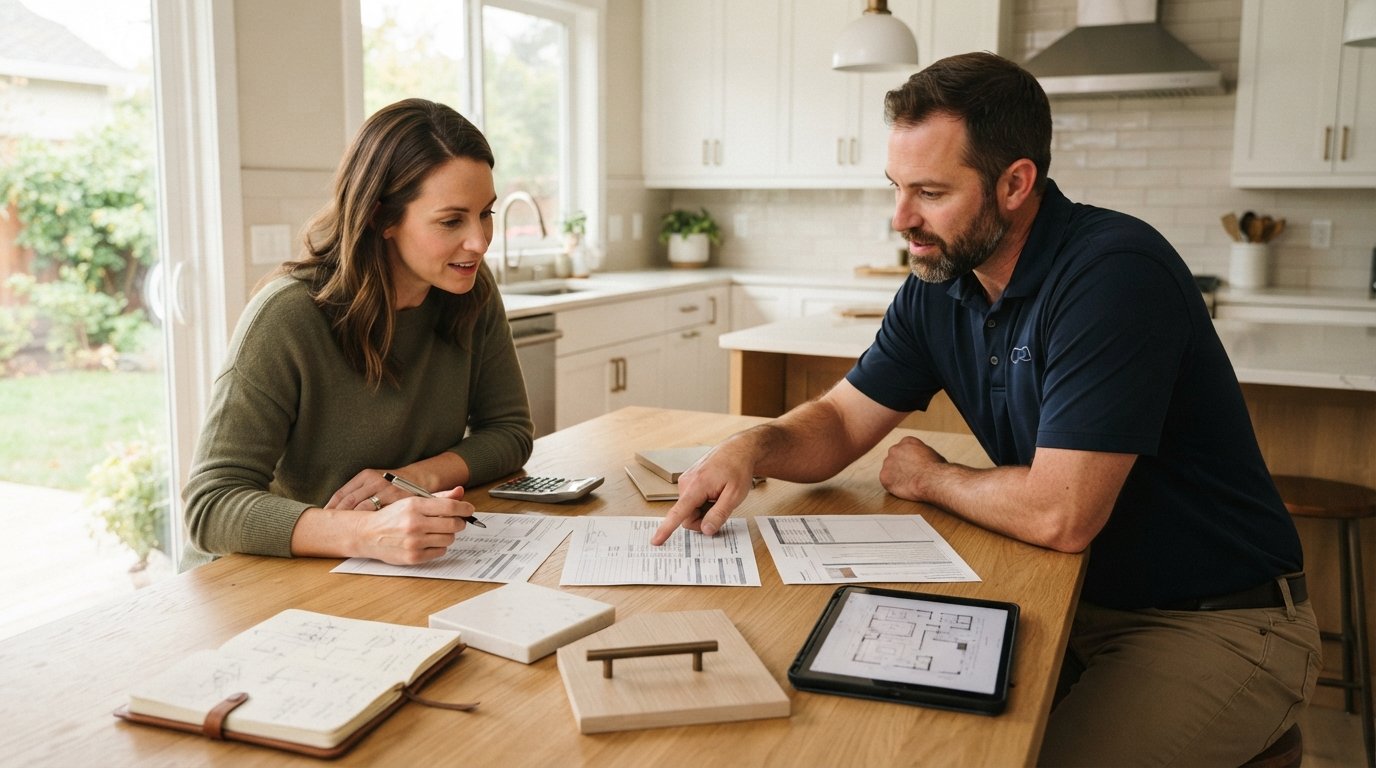
The most reliable method is a simple spreadsheet or a printed table with one column per contractor and one row per scope item. Fill it in as you read each bid, and mark anything that is missing or unclear. Missing items are not neutral: they are future costs. When you finish, you will see which bid is actually complete and which bid only looks cheaper because it left things out.
Pay attention to allowances. An allowance is a placeholder number for materials the homeowner will choose later, such as tile, fixtures, or flooring. A low allowance makes a bid look smaller, but if the allowance cannot buy anything you actually want, the real price is higher. Ask each contractor what quality level their allowance covers and what happens if you go over. A bid with realistic allowances is more honest than a bid with low ones.
Also compare schedules and payment terms. A contractor who asks for a large deposit before any work begins, or who wants payments front-loaded, carries more risk for you. Milestone-based payments tied to completed work are standard and safer. A realistic timeline that accounts for permit review and material lead times is another sign of experience. When you line up the bids this way, the true comparison becomes obvious, and the decision becomes easier to defend to yourself and your family.