
How to Remodel Smart Home Wiring: A Contractor's Guide
Remodeling smart home wiring boosts property value and energy efficiency. Call (510)-663-7016 for expert guidance on your next project.

By Nathan Adler
Smart home technology is no longer a luxury; it is a standard expectation among homeowners planning a remodel. From voice-controlled lighting to whole-house energy monitoring, the demand for connected living spaces is reshaping how contractors approach electrical work. But integrating smart wiring into a renovation project is not simply a matter of swapping out a few switches. It requires foresight, planning, and a solid understanding of both current technology and future scalability. Whether you are a contractor looking to expand your service offerings or a homeowner preparing for a major renovation, mastering the process of remodeling smart home wiring can significantly increase property value, improve energy efficiency, and create a safer, more convenient living environment. This guide will walk you through the essential steps, from assessing your current infrastructure to selecting the right components and ensuring a smooth installation.
Why Smart Home Wiring Matters in a Remodel
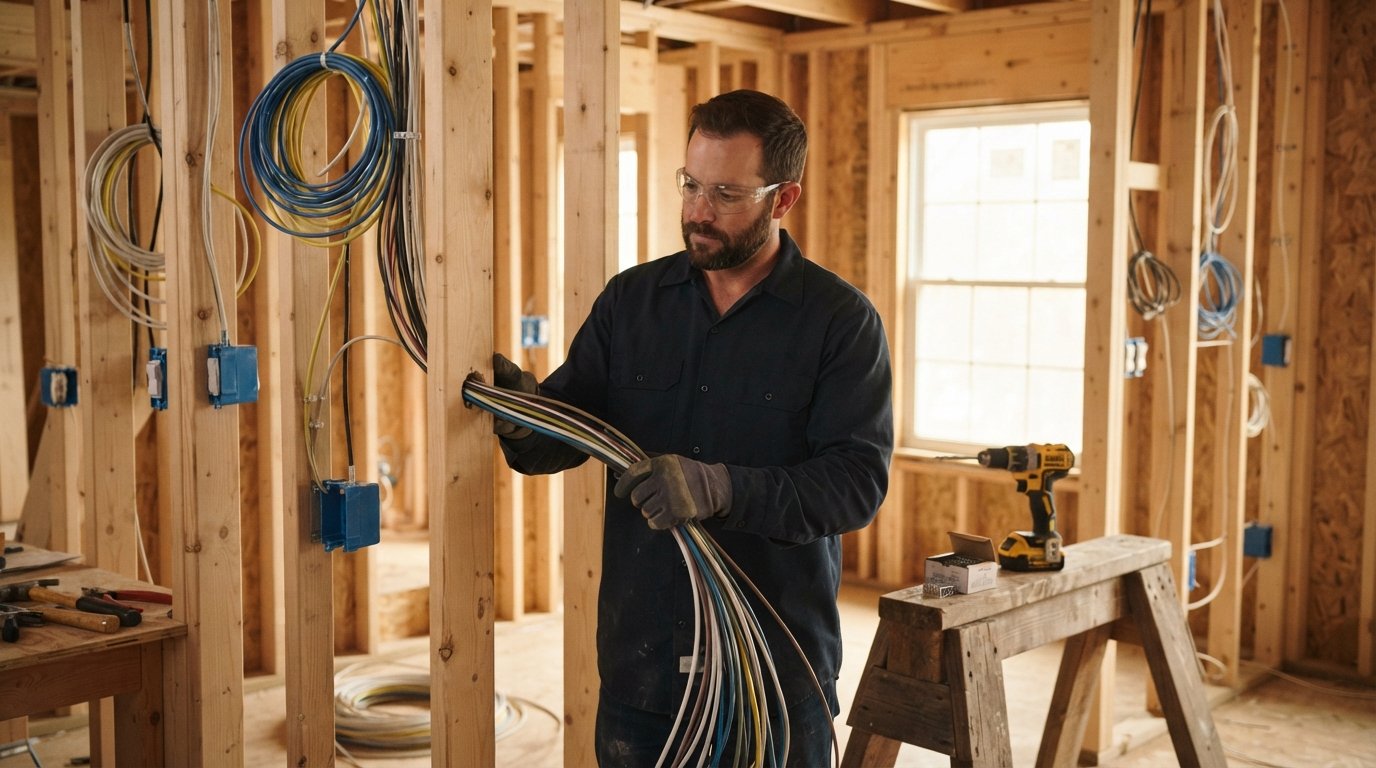
During any remodel, the walls are open, and the opportunity to run new cables is at its peak. Retrofitting smart wiring after the fact is costly and disruptive. By planning ahead, you can create a robust backbone that supports everything from automated blinds to security cameras. Smart wiring also future-proofs the home, allowing homeowners to add devices without tearing into drywall later. For contractors, offering smart wiring expertise is a competitive differentiator. It signals that you are up to date with modern home trends and can deliver a turnkey solution. Moreover, proper wiring reduces the risk of electrical issues, ensures reliable performance, and can be a selling point when the homeowner decides to sell.
When remodeling, consider that smart homes rely on a combination of wired and wireless protocols. A wired backbone provides stability and speed, while wireless offers flexibility. The key is to strike a balance that meets the homeowner's current needs and anticipates future upgrades. This guide will help you navigate that balance.
Assessing Your Current Wiring and Planning the Upgrade
Before any new cables are pulled, you need a clear picture of what exists. Start by evaluating the existing electrical system. Is the panelboard adequate for additional circuits? Are there any code violations or outdated wiring (such as knob-and-tube) that must be addressed? A licensed electrician should perform a thorough inspection. Next, map out the homeowner's smart home goals. Which rooms will be automated? Will they want motorized shades, multi-room audio, or a comprehensive security system? Each device has its own wiring requirements, so understanding the end game is crucial.
Create a wiring plan that includes dedicated circuits for high-draw devices, such as home theaters or electric vehicle chargers. Plan for a central wiring enclosure, often called a structured wiring panel, where all low-voltage cables terminate. This panel should be centrally located and easily accessible. Also, consider conduit runs from the panel to key locations; conduit allows for future cable additions without opening walls. The plan should account for both power and data cables, and it should be documented for future reference.
Choosing the Right Cables and Infrastructure
The backbone of any smart home is its cabling. For data, Category 6 (Cat6) or Category 6A (Cat6a) Ethernet cables are recommended for their high bandwidth and ability to support future speeds. These cables can handle everything from internet distribution to PoE (Power over Ethernet) devices like cameras and access points. For audio and video, consider using shielded cables to prevent interference. Coaxial cable may still be needed for certain TV or satellite services, but many modern setups rely on streaming, so evaluate the necessity.
For lighting control, smart switches typically require a neutral wire. If the existing wiring lacks a neutral in switch boxes, you may need to rewire those circuits, which can be a significant task. Alternatively, you can opt for smart bulbs or switches that do not require a neutral, but a wired solution is generally more reliable. Also, plan for a dedicated 240V circuit if the homeowner is considering an electric vehicle charger or a large heat pump. Always use cables that meet local electrical codes and are rated for in-wall installation.
Structured Wiring and Centralized Control
A structured wiring system brings all low-voltage cables to a single distribution point. This simplifies management and allows for easy upgrades. The structured wiring panel should include ample space for network switches, audio/video distribution modules, and smart home controllers. From this panel, run Cat6 cables to each room, terminating at wall plates with keystone jacks. For wireless access points, consider ceiling-mounted Ethernet drops for optimal coverage. This approach ensures strong Wi-Fi throughout the home, which is essential for smart devices.
Centralized control systems, such as those from Control4, Savant, or Crestron, rely on a wired backbone for reliability. These systems can integrate lighting, climate, security, and entertainment into a single interface. While these systems are more expensive, they offer a seamless experience. For budget-conscious homeowners, a DIY approach using platforms like Home Assistant or SmartThings can work with a mix of wired and wireless devices. In either case, a structured wiring foundation makes integration smoother.
Integrating Lighting, Security, and Entertainment
Lighting is often the first step into smart home automation. Smart switches and dimmers allow for scheduling, remote control, and scenes. When wiring for smart lighting, ensure that each switch box has a neutral wire and that the circuit is not overloaded. For advanced lighting control, consider a centralized lighting panel that uses low-voltage keypads and relays. This approach offers greater flexibility and reduces the number of wires running to each switch.
Security systems benefit greatly from wired connections. Wired cameras are more reliable and less susceptible to hacking than wireless ones. Run Cat6 cables to potential camera locations, typically at eaves and entry points. For door and window sensors, wired contacts are more secure but harder to retrofit; wireless sensors are often used in remodels. However, if walls are open, wiring for sensors is feasible. Entertainment systems, including multi-room audio and home theater, require speaker cables and HDMI runs. Plan for in-wall and in-ceiling speakers, and run conduit for future HDMI versions.
Future-Proofing and Scalability
Technology evolves rapidly, so the smart home wiring you install today should accommodate tomorrow's devices. One of the best ways to future-proof is to install conduit in walls, especially from the structured wiring panel to entertainment areas and home office spaces. Conduit allows you to pull new cables without cutting drywall. Also, consider installing a larger electrical panel than currently needed to accommodate future circuits. For data, using Cat6a provides headroom for higher speeds. Additionally, leave pull strings in conduit for easy cable additions.
Another aspect of future-proofing is to avoid proprietary systems that lock homeowners into a single vendor. Instead, favor open standards like Zigbee, Z-Wave, or Matter, which allow devices from different manufacturers to interoperate. A wired backbone that supports these standards via a smart home hub will provide the most flexibility. Finally, document the wiring plan and leave it with the homeowner; this documentation is invaluable for future upgrades or troubleshooting.
Working with Professionals and Avoiding Pitfalls
While some homeowners may attempt a DIY smart wiring project, the complexity of electrical work and building codes makes it wise to hire licensed professionals. An experienced electrician can ensure that all wiring meets code and is installed safely. Low-voltage wiring, such as for data and audio, may not require a licensed electrician in all jurisdictions, but it is still important to follow best practices to avoid signal interference and reliability issues.
When selecting a contractor for smart home integration, look for certifications such as CEDIA (Custom Electronic Design and Installation Association) or THX. These professionals have proven expertise in home technology integration. Also, coordinate with other trades: the electrician, low-voltage technician, and HVAC contractor should communicate to avoid conflicts. For example, running Ethernet cables near electrical lines can cause interference, so maintain separation. And always test cables after installation to ensure they meet performance standards.
For contractors seeking to grow their business, partnering with a lead generation platform can provide a steady stream of homeowners interested in smart home upgrades. Platforms like PayPerCallMarketing connect service-based businesses with high-intent customers through pay-per-call advertising, allowing you to focus on delivering quality work while someone else handles the marketing. Additionally, resources like Compare Remodel Quotes: A Smart Homeowner's Guide can help homeowners understand the value of professional installation and make informed decisions, which ultimately benefits contractors who prioritize quality.
Cost Considerations and ROI
Remodeling smart home wiring is an investment. Costs vary based on the size of the home, the extent of wiring, and the level of automation desired. On average, homeowners can expect to spend between $2,000 and $10,000 for a comprehensive smart wiring project, including labor and materials. However, this cost can be offset by energy savings from smart lighting and thermostats, as well as increased resale value. According to industry studies, homes with smart home features can sell for up to 5% more than comparable homes without.
To maximize ROI, prioritize infrastructure over gadgets. A well-designed wiring backbone will support devices for years, while individual smart devices may become obsolete. Also, consider phasing the project: start with essential wiring (networking, lighting) and add advanced features later. This approach spreads out the cost and allows homeowners to see the benefits early. Contractors can use these points to upsell smart wiring as a value-added service that pays for itself over time.
Remodeling smart home wiring is a multifaceted project that demands careful planning, quality materials, and skilled installation. By following the steps outlined in this guide, contractors and homeowners can create a connected living environment that is both reliable and adaptable. As the demand for smart homes continues to rise, those who invest in proper wiring infrastructure will reap the rewards of enhanced comfort, efficiency, and property value.