How to Spot Bad Contractor Estimates Before You Hire
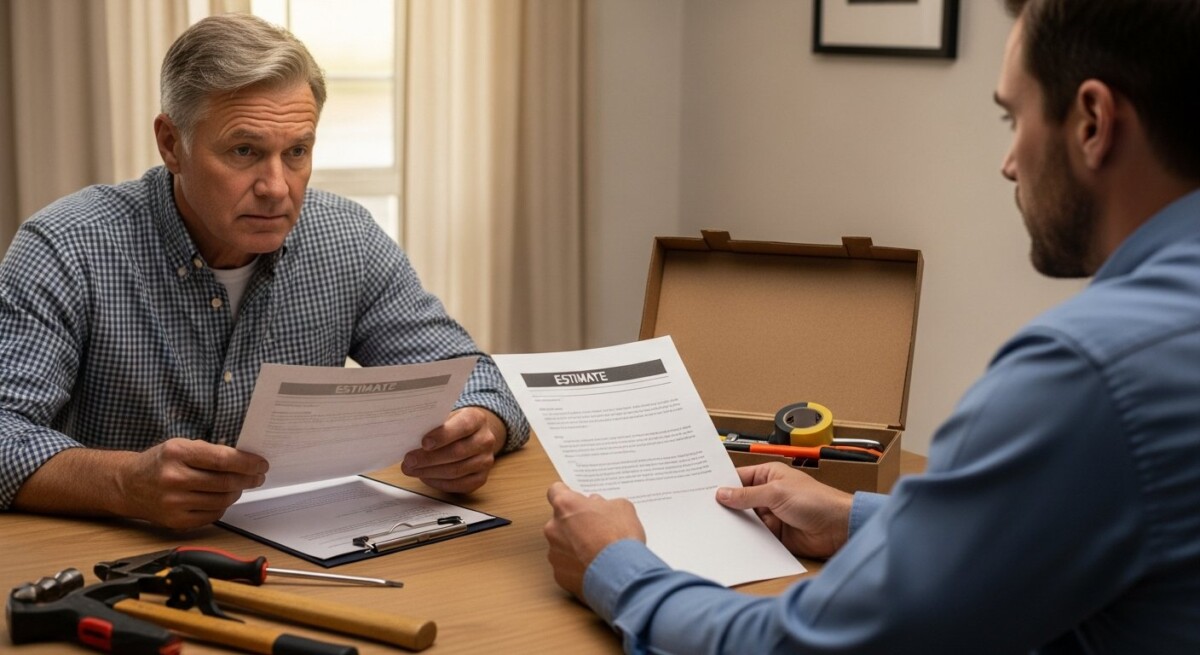
You finally saved up for that bathroom remodel or needed roof repair. You invite three contractors to give you a bid. One estimate is half the price of the others, another is filled with fine print, and the third seems reasonable but vague on materials. You feel confused and wonder which one is honest. This is exactly how most homeowners discover the problem: a bad contractor estimate looks good on the surface but hides serious risks. Learning how to spot bad contractor estimates can save you thousands of dollars, months of delays, and a lot of stress.
Understanding how to spot bad contractor estimates
A contractor estimate is a written document that outlines the expected cost of a home improvement project. It should include labor, materials, permits, timelines, and payment schedules. A bad estimate is one that is incomplete, unusually low, or filled with vague terms that leave you unprotected.
Bad estimates happen for several reasons. Some contractors intentionally lowball you to win the job and then add charges later. Others simply lack experience and do not know how to price a project accurately. Older homes or complex renovations are especially prone to bad estimates because hidden issues like old wiring or water damage often go unnoticed until work begins.
Why bad estimates are common in remodeling
Remodeling projects involve many moving parts: demolition, structural work, plumbing, electrical, and finishing. Any contractor who gives you a price without inspecting your home thoroughly is likely guessing. When you understand how to spot bad contractor estimates, you protect yourself from these costly guesses.
Why This Matters for Your Home
Accepting a bad estimate can lead to serious problems. You may end up with unfinished work, substandard materials, or safety hazards like faulty wiring or improper ventilation. What starts as a simple kitchen update can turn into a project that drags on for months and costs double the original quote.
Delaying the decision to verify an estimate also costs you money. Small issues like a leaking pipe or cracked foundation only get worse. By the time you hire a real professional, the repair cost has multiplied. Your home’s value can drop, and you may face difficulty selling the property later if unpermitted work was done.
Your family’s safety matters too. Bad estimates often lead to shortcuts that compromise structural integrity or create fire risks. Taking time to evaluate every estimate protects your investment and your peace of mind.
If you notice signs of this issue in your home, it may help to speak with a qualified contractor. Request a free quote or call to explore your repair or remodeling options.
Common Problems Homeowners Experience
Homeowners who accept bad estimates often report similar frustrations. The contractor starts the job, then demands more money for “unforeseen” issues. Materials are cheaper than promised, and the final result looks nothing like what was discussed. In worse cases, the contractor disappears after receiving a deposit.
These problems show up in every type of home project. Whether you are replacing windows, reshingling a roof, or remodeling a bathroom, a bad estimate creates chaos. You lose time, money, and trust in the process.
- Unusually low bids that seem too good to be true
- Estimates that lack detail on materials, brands, or quantities
- Vague payment schedules asking for large deposits upfront
- No mention of permits, inspections, or cleanup
- Pressure to sign immediately or “today only” discounts
- Verbal promises that are not written into the estimate
How Professionals Solve the Problem
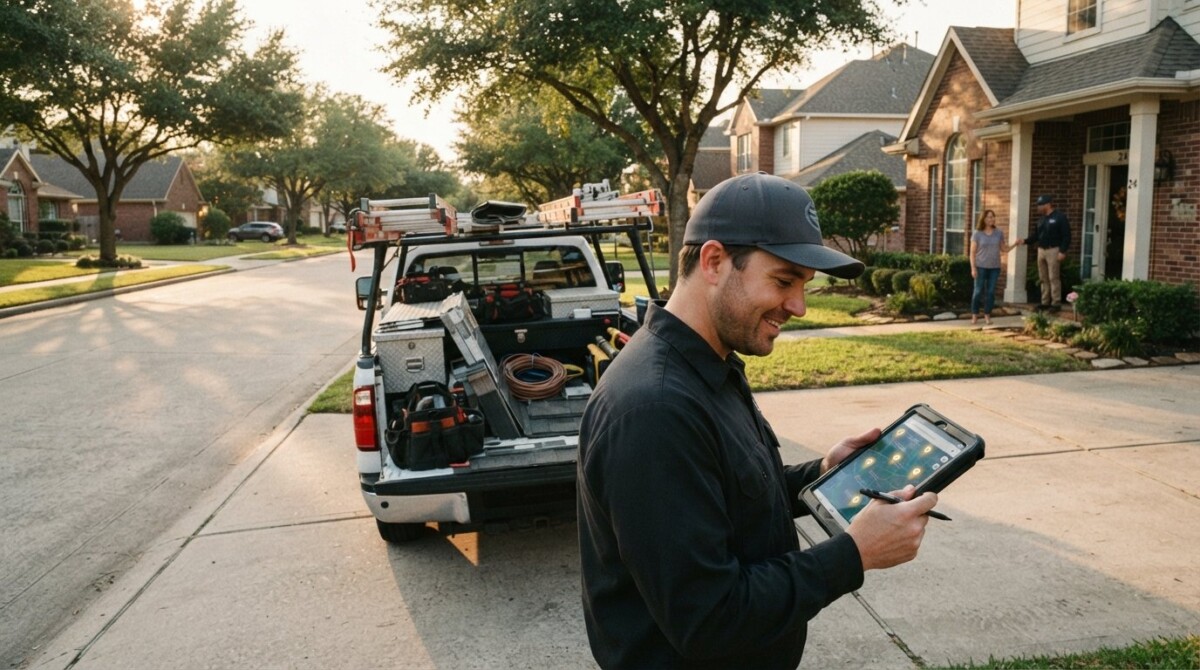
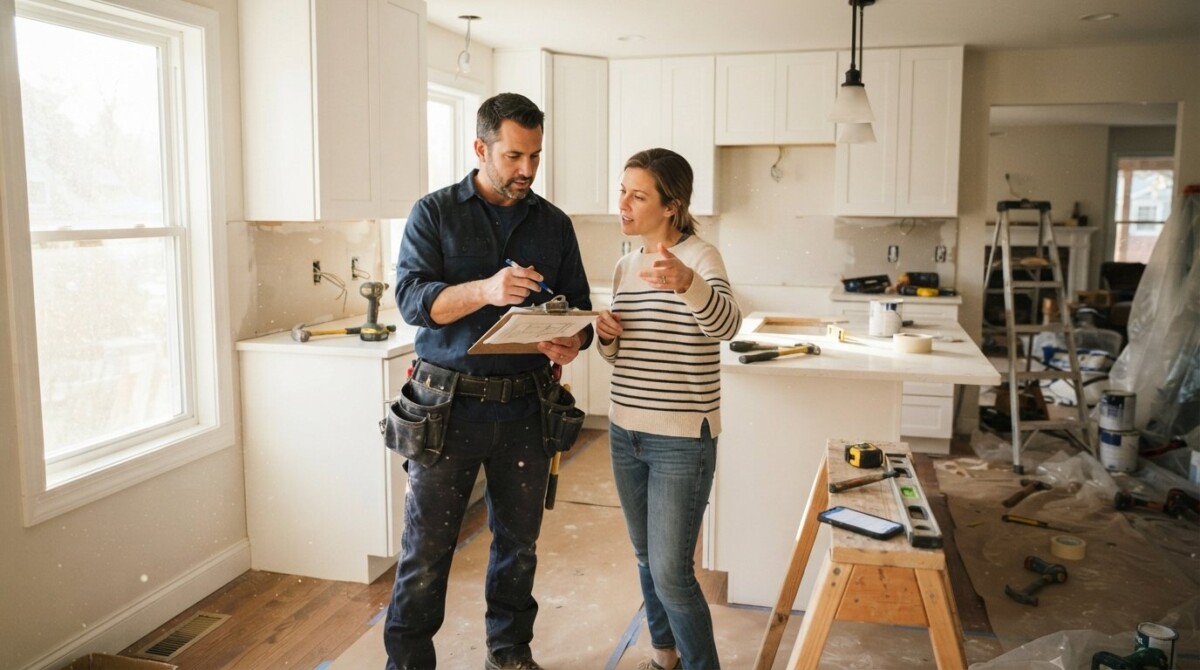
Experienced contractors follow a clear process to create accurate estimates. They visit your home, take measurements, inspect the area, and ask questions about your needs. They provide a written estimate that breaks down every cost so you know exactly what you are paying for.
- On-site inspection to identify hidden issues
- Detailed scope of work with material specifications
- Itemized pricing for labor, materials, permits, and disposal
- Clear payment milestones tied to completed work
- Written warranty and timeline with start and end dates
Professional work is safer and more reliable than DIY fixes because contractors carry insurance, follow building codes, and stand behind their work. When you know how to spot bad contractor estimates, you can confidently choose the pro who offers transparency and value, not just the lowest price.
A professional inspection can reveal hidden issues before they become expensive repairs. Compare contractor quotes here or call to discuss your project.
Warning Signs You Should Not Ignore
Your home often sends signals that a contractor’s estimate is off. Maybe the contractor refuses to put anything in writing, or the estimate includes a line for “unforeseen conditions” without explaining what that means. These red flags deserve your attention.
Trust your gut. If an estimate feels rushed, too simple, or overly complicated, ask questions. A reputable contractor will welcome your curiosity and clarify every line item. Ignoring these signs can lead to half-finished projects and legal disputes.
- Estimates that are only verbal or sent via text message
- Contractors who ask for more than 10% deposit before work begins
- No proof of general liability insurance or workers’ compensation
- Unwillingness to provide references from recent clients
- Estimates that exclude sales tax or disposal fees
- Claims that permits are unnecessary for your project
What Affects the Cost of Repairs or Installation
Many factors influence the final price of a home improvement project. The size of the area matters,a full kitchen remodel costs more than a countertop replacement. Materials also drive cost: custom cabinetry and quartz countertops are more expensive than stock options and laminate.
Labor rates vary by region and skill level. Complex jobs like structural repairs or electrical rewiring require specialized tradespeople who charge higher rates. Accessibility also affects cost; a roof with a steep pitch or a bathroom on the third floor takes more time and safety equipment to work on.
The age of your home can introduce surprises. Older homes often have outdated wiring, lead paint, or asbestos that must be handled by certified professionals. A good contractor accounts for these possibilities in the estimate. Understanding these variables helps you know how to spot bad contractor estimates that ignore them.
Costs can vary depending on the condition of your home. The best way to know the price is to get a personalized estimate. Request free quotes from contractors or call today.
How to Choose the Right Contractor
Selecting a contractor is about more than comparing numbers. You want someone who communicates clearly, shows up on time, and respects your home. The right contractor will make you feel confident in their ability to deliver quality work.
Take your time during this process. Interview at least three contractors, ask the same questions, and compare their answers. A contractor who listens to your concerns and offers solutions is worth more than one who rushes you to sign.
- Verify their license with your state’s contractor board
- Ask for proof of insurance and call the provider to confirm coverage
- Read online reviews on Google, Yelp, and the Better Business Bureau
- Request a detailed written estimate from every candidate
- Ask for photos of similar projects they have completed
Long-Term Benefits of Professional Work
Hiring a professional who provides a fair, detailed estimate pays off for years. Your roof lasts longer, your windows seal properly, and your bathroom stays mold-free. Quality workmanship means fewer repairs and lower energy bills over time.
Professional installations also increase your home’s resale value. When you sell, buyers and appraisers look for permits and quality finishes. A home improved by a reputable contractor commands a higher price and sells faster.
You also gain peace of mind. Knowing the job was done right means you can enjoy your home without worrying about hidden problems. That confidence is something no lowball estimate can provide.
What should a contractor estimate include?
A proper estimate should list the scope of work, specific materials and brands, labor costs, permit fees, a payment schedule, and a projected timeline. It should also include the contractor’s license number and warranty information. If any of these are missing, ask for clarification before signing.
Why are some contractor estimates so much lower than others?
Low estimates often mean the contractor is cutting corners. They may use cheaper materials, skip permits, or plan to add charges later. A significantly lower bid usually signals a bad estimate. Always compare itemized details, not just the total price.
Can I negotiate a contractor estimate?
Yes, but focus on value, not just price. Ask if you can supply your own materials or adjust the scope to fit your budget. A reputable contractor will work with you to find a solution without sacrificing quality or safety.
What should I do if a contractor asks for a large deposit upfront?
Be cautious. Most states limit deposits to 10% or less of the total project cost. Large upfront payments are a common sign of a bad contractor estimate or a potential scam. Offer to pay in installments tied to completed work.
How many contractor quotes should I get?
Three is the standard recommendation. Getting multiple quotes helps you understand the market rate for your project and makes it easier to spot a bad estimate. More than five quotes can become overwhelming without adding much value.
What if the contractor finds hidden damage after work starts?
A good estimate includes a contingency clause that explains how hidden issues will be handled. The contractor should stop work, show you the problem, and provide a written change order with the added cost before proceeding. Never approve extra work verbally.
Is a verbal estimate ever acceptable?
No. Always get everything in writing. A verbal estimate is not legally binding and leaves you with no recourse if the contractor overcharges or does poor work. Written estimates protect both you and the contractor.
How do I know if a contractor is licensed and insured?
Ask for their license number and insurance certificates. Verify the license through your state’s contractor licensing board. Call the insurance company listed on the certificate to confirm the policy is active and covers the type of work being done.
Your home deserves careful attention from the first estimate to the final walkthrough. Knowing how to spot bad contractor estimates helps you avoid costly mistakes and choose a professional who respects your time and budget. Before you hire anyone, compare multiple quotes and ask every question that comes to mind. A little effort now saves you from big regrets later.
About the Author: Mason Caldwell