Integrating Smart Home Technology in Remodeling Projects
Integrating smart home technology in remodeling projects boosts value and client satisfaction. Call (510)-663-7016 to get started today.

By Hannah Walsh
Imagine walking into your newly remodeled kitchen and saying, "Set the mood for dinner," and watching the lights dim, the thermostat adjust, and your favorite playlist start. That is the promise of smart home technology, and it is no longer a futuristic fantasy. For contractors and homeowners alike, integrating smart home technology in remodeling projects is becoming a standard expectation, not a luxury add-on. Whether you are planning a bathroom refresh or a full kitchen overhaul, the decisions you make during the design and construction phases will determine how smart your home can be for years to come. This guide will walk you through the key considerations, from wiring infrastructure to cost and value, and show you how to position your contracting business as a smart home expert.
Why Smart Home Integration Matters in Remodels
Smart home technology has moved from novelty to necessity for many homeowners. A 2025 survey by the National Association of Home Builders found that over 60 percent of renovating homeowners are interested in smart features, with lighting, security, and climate control topping the list. The reason is simple: smart devices offer convenience, energy savings, and peace of mind. But retrofitting smart technology after a renovation is often costly and disruptive. That is why integrating it during the remodel makes perfect sense. By planning ahead, you can embed wiring, sensors, and hubs into the walls and ceilings, avoiding exposed cables and future headaches. For contractors, offering smart home integration is a competitive differentiator that can increase project value and attract tech-savvy clients.
Moreover, smart home upgrades can boost a home's resale value. According to a 2024 report by Coldwell Banker, homes with smart lighting and security systems sell for up to 5 percent more than comparable homes without. While the exact ROI varies by market, the trend is clear: buyers are willing to pay a premium for homes that are move-in ready with modern conveniences. As a contractor, you can leverage this by educating clients on the long-term benefits and positioning smart integration as an investment rather than an expense.
Planning Smart Lighting, Security, and HVAC Integration
The key to successful smart home integration is planning. Before you tear down a wall or run new electrical lines, you need a clear roadmap of which devices will go where. Start by discussing the client's lifestyle and pain points. Do they frequently forget to turn off lights? Are they concerned about package theft? Do they want to save on energy bills? Answers to these questions will guide the selection of smart lighting, security, and HVAC solutions. For example, smart lighting can be controlled via app or voice, and can be scheduled to mimic occupancy when away. Security systems can include smart locks, video doorbells, and motion sensors that alert homeowners in real time. HVAC integration can involve smart thermostats that learn preferences and adjust automatically, or zoned systems that heat and cool only occupied rooms.
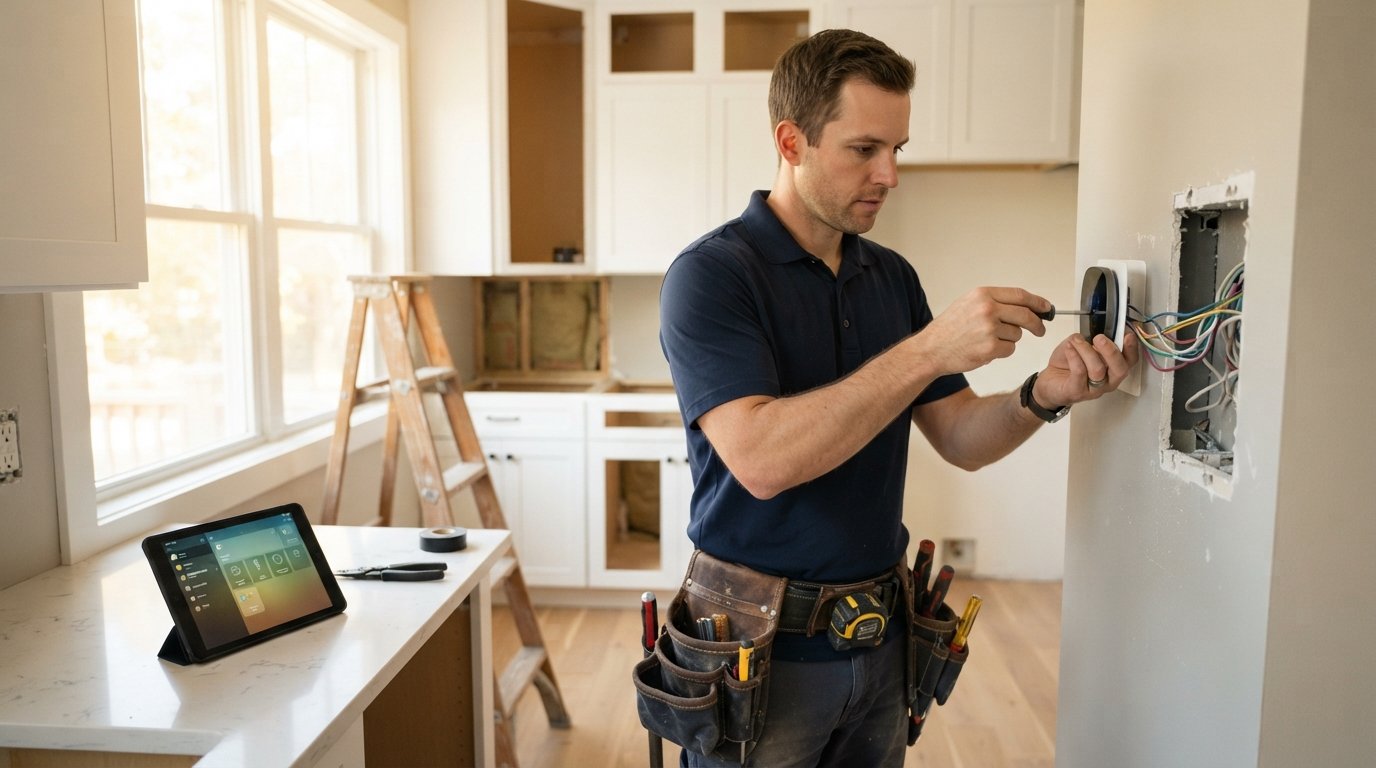
During the remodeling project, you will need to coordinate with electricians and low-voltage specialists to ensure proper wiring. Smart lighting often requires neutral wires in switch boxes, which many older homes lack. Security systems may need Ethernet runs for cameras or doorbells. HVAC integration may require additional wiring for zone controllers. By addressing these needs early, you avoid costly change orders later. A good practice is to create a smart home plan that specifies device locations, wiring requirements, and hub placement. This plan should be part of the construction documents and reviewed with the client before work begins.
Wiring and Infrastructure for Future-Proofing
Even if a client is not ready to install smart devices today, it is wise to future-proof the home by installing the necessary infrastructure. This means running conduit and pulling low-voltage wiring for data, audio, and video. A structured wiring panel, often called a smart home hub, centralizes network equipment and makes it easy to add devices later. At minimum, you should run Cat6 Ethernet to key locations such as the living room, kitchen, and home office, and coax cable for TV and internet. For lighting, consider running extra neutral wires to switch boxes and adding deep junction boxes to accommodate smart switches. For security, pre-wire for cameras at entry points and run cable for door and window sensors. For HVAC, run thermostat wire (typically 18/5 or 18/8) to accommodate smart thermostats and zone controllers. These steps add minimal cost during construction but save significant expense and disruption later.
In addition to wiring, consider the network backbone. Smart homes rely on robust Wi-Fi, so plan for a mesh network or access points wired via Ethernet. This ensures reliable coverage throughout the home, especially as devices multiply. Also, think about power availability: smart devices need outlets, and you may want to add USB outlets or smart plugs in strategic locations. By designing a future-proof infrastructure, you deliver a home that can evolve with technology, and you protect your client's investment.
Cost and Value of Smart Home Upgrades
Homeowners often ask about the cost of smart home integration. While it varies widely based on the scope and device quality, you can provide a general framework. Basic smart lighting (a few smart switches and bulbs) might cost $500 to $1,500 installed. A smart security system with cameras and sensors could range from $1,000 to $3,000. Smart HVAC integration, including a smart thermostat and zone controls, might be $800 to $2,500. These figures include labor and wiring if done during a remodel. When compared to the cost of retrofitting later, which can be two to three times higher due to drywall repair and labor, the value is clear. Moreover, smart devices can reduce energy bills by 10 to 15 percent annually, according to the EPA, providing ongoing savings.
Beyond energy savings, smart home upgrades can increase resale value and marketability. A 2025 study by the National Association of Realtors found that smart home features ranked among the top five most desirable home amenities, with 45 percent of buyers willing to pay more for them. As a contractor, you can use these statistics to upsell smart home packages. Offer tiered packages: a basic package with smart lighting and thermostat, a security-focused package with cameras and smart locks, and a premium whole-home package with integrated control. This approach makes it easy for clients to choose based on budget and needs, and it increases your average project value.
Positioning Your Contracting Business as a Smart Home Expert
In a competitive market, specialization sets you apart. By becoming known as a smart home remodeling expert, you attract clients who value technology and are willing to invest in it. To build this reputation, start by educating yourself and your team on the latest smart home trends and products. Obtain certifications from organizations like CEDIA (Custom Electronic Design and Installation Association) or the Smart Home Institute. Showcase your expertise through a dedicated section on your website, blog posts, and social media content that highlights completed smart home projects. Use case studies to demonstrate how you solved specific challenges, such as integrating smart lighting in a historic home or creating a whole-home audio system.
Networking with smart device manufacturers and integrators can also provide leads and support. Many manufacturers offer dealer programs with training and marketing materials. Partnering with a local home automation specialist can help you handle complex installations while you focus on the remodel. Finally, collect testimonials from satisfied clients that emphasize the seamless integration and the benefits they enjoy. Word-of-mouth referrals are powerful, especially for technology-driven services.
Upselling Smart Home Packages to Remodeling Clients
The best time to upsell smart home technology is during the initial consultation. Ask open-ended questions about how the client uses their home and what frustrations they have. For example, if they complain about high energy bills, propose a smart thermostat and zoned HVAC. If they mention security concerns, suggest a smart doorbell and cameras. Present smart home packages as a way to enhance comfort, convenience, and savings. Use visual aids like brochures or a tablet demo to show how devices work together. Emphasize that integrating now is more cost-effective than retrofitting later. Offer a bundled price that includes devices, installation, and setup, making it easy for the client to say yes.
Another effective strategy is to include smart home pre-wiring as a standard feature in your remodeling contracts, with an option to add devices. This positions you as forward-thinking and provides a foundation for future upgrades. You can also create a showroom or demo area in your office where clients can experience smart home technology firsthand. Remember to follow up after the project with a tutorial on how to use the systems, and offer ongoing support or maintenance plans. This not only ensures client satisfaction but also opens the door for future upgrades and referrals. For contractors looking to grow their business with high-intent leads, platforms like PingPost.Exchange can connect you with homeowners actively seeking remodeling services, including smart home integration.
When planning timelines for your remodeling projects, it is helpful to reference resources like our guide on remodel project timelines to set realistic expectations with clients, especially when adding smart technology that may require additional coordination.
Overcoming Common Challenges
Integrating smart home technology is not without challenges. One common issue is compatibility: different devices may use different protocols (Wi-Fi, Zigbee, Z-Wave, Bluetooth). To avoid fragmentation, recommend a central hub or platform that supports multiple protocols, such as SmartThings or Home Assistant. Another challenge is cybersecurity. Smart homes collect data, so it is crucial to secure the network with strong passwords, firmware updates, and possibly a separate VLAN for IoT devices. As a contractor, you can partner with IT professionals to ensure proper setup. Finally, client education is key. Many homeowners are intimidated by technology, so provide clear instructions and a simple user manual. Offer a walkthrough after installation and be available for questions.
By addressing these challenges proactively, you deliver a reliable and user-friendly smart home that enhances your reputation. Remember that smart home technology is constantly evolving, so stay informed about new developments and be ready to adapt. Attend industry trade shows, follow tech blogs, and participate in online forums to keep your knowledge current. This commitment to continuous learning will solidify your position as a trusted expert.
Integrating smart home technology in remodeling projects is a win-win for contractors and homeowners. It adds value, differentiates your services, and creates happier clients. By planning early, future-proofing infrastructure, and offering tiered packages, you can capitalize on this growing trend. Start the conversation with your next client today and watch your projects become smarter and more profitable.