Lead Exchange Technology for Homeowners: A Simple Guide
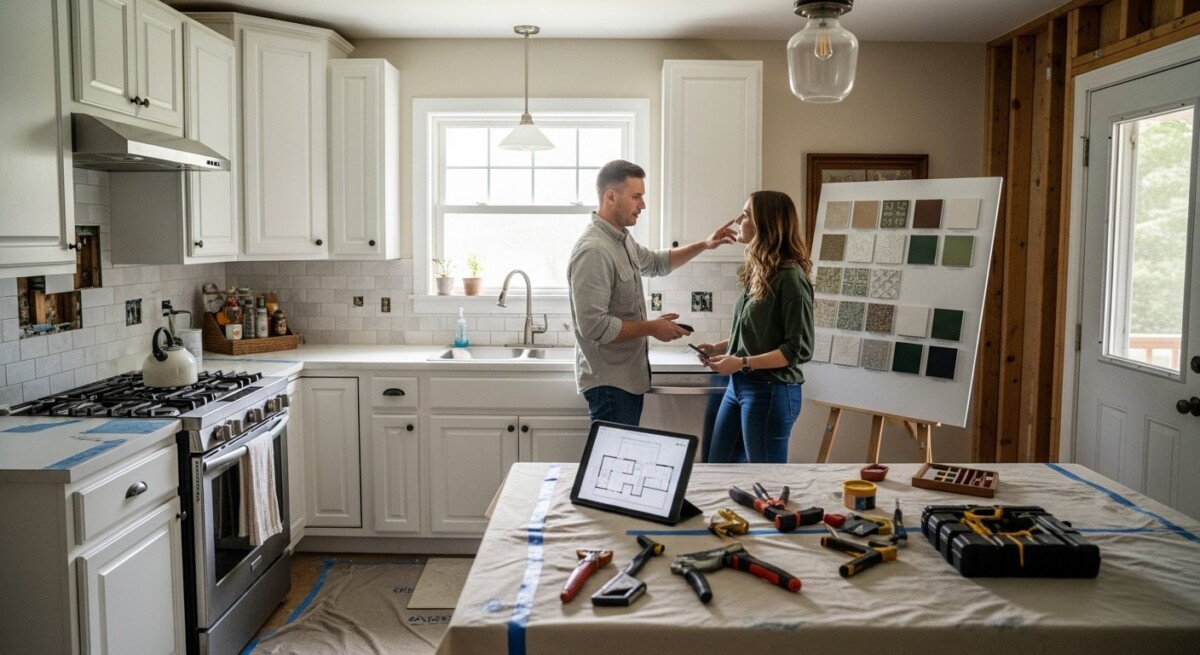
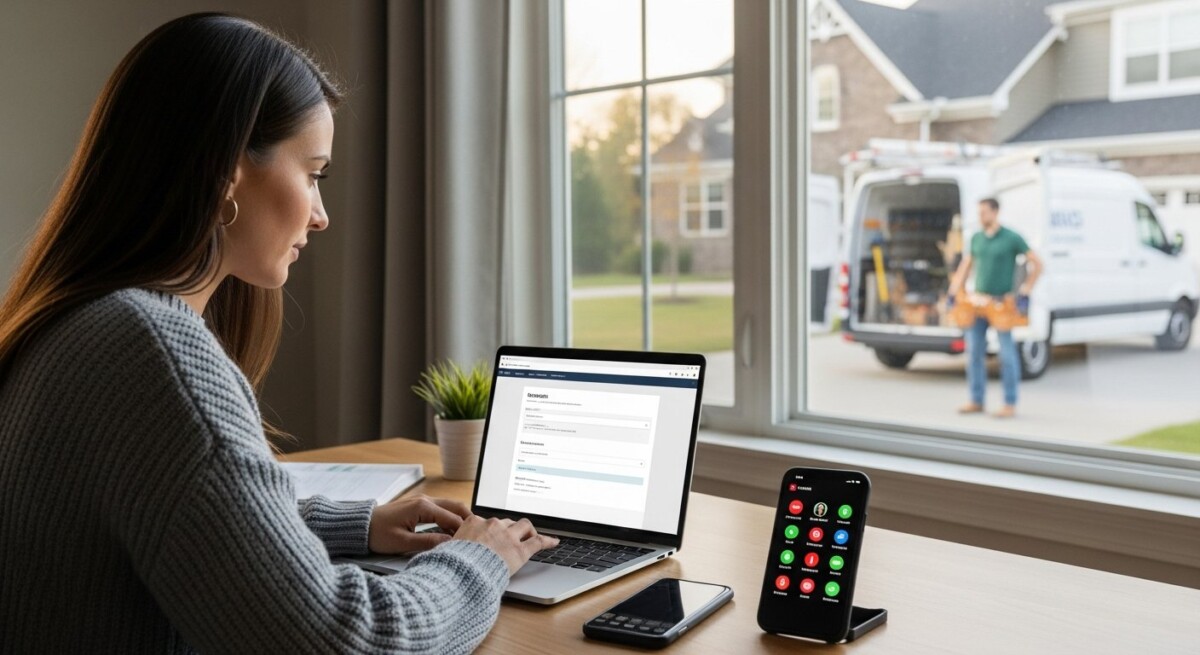
You’ve finally decided to tackle that kitchen remodel or replace your old windows. You start searching online for contractors, and soon your phone is ringing and your inbox is filling up. It feels overwhelming, and you’re not sure who to trust. This common scenario is often powered by something called lead exchange technology, a system that connects homeowners with local professionals. While it’s meant to help, not understanding how it works can leave you feeling lost in a sea of calls. Knowing a bit about this process can help you navigate your project more confidently and find the right help for your home.
Understanding Lead Exchange Technology for Contractors
In simple terms, lead exchange technology is a digital marketplace. Homeowners like you submit a request for a service, like a roof repair or bathroom renovation. That request becomes a “lead.”
Specialized platforms then sell or distribute that lead to a network of contractors who are looking for new projects in your area. The goal is to efficiently connect homeowners with multiple qualified professionals, saving you time from having to call dozens of companies yourself.
Homes of any age or style can be part of this system. Whether you’re in a new build or a century-old house, when you seek quotes online, you’re likely engaging with this technology. It’s a standard part of how the modern home improvement industry operates.
Why This Matters for Your Home
This process matters because the contractor you choose directly impacts your home’s safety, value, and your peace of mind. A rushed decision based on the first call you receive can lead to working with someone who isn’t the best fit for your specific project.
Poor workmanship or miscommunication can result in unfinished jobs, subpar materials, or even code violations. These issues aren’t just inconvenient; they can lead to water damage, electrical hazards, or structural problems that are far more expensive to fix later.
By understanding that these leads are often exchanged between businesses, you can take a more proactive role. Your goal shifts from just answering calls to carefully evaluating each contractor who reaches out, ensuring they have the right skills for your job.
If you notice signs of this issue in your home, it may help to speak with a qualified contractor. Request a free quote or call to explore your repair or remodeling options.
Common Problems Homeowners Experience
The main challenge with this automated connection is the lack of curation. You might get contacted by contractors whose specialty doesn’t match your project, or who are simply too busy to give your job the attention it deserves.
Another frequent issue is the volume of contact. Submitting one form can sometimes result in a dozen calls and texts in a single hour, which feels intrusive and makes comparison difficult. It’s hard to have a thoughtful conversation when the phone won’t stop ringing.
Common frustrations include:
- Receiving calls from contractors outside your local service area.
- Getting quotes for different scopes of work, making apples-to-apples comparison impossible.
- Feeling pressure to decide quickly from sales-focused callers.
- Difficulty verifying the legitimacy and reputation of each caller.
- Wasting time on initial consultations with contractors who are not a good fit.
- Concerns about where your contact information is being shared.
How Professionals Solve the Problem
Reputable contractors understand these homeowner pain points. The best ones use lead networks not just to find jobs, but as a starting point for building a genuine connection. They know that a good fit goes both ways.
Their process is designed to cut through the noise and provide clarity. They focus on understanding your specific problem, inspecting your home’s unique conditions, and providing a detailed, transparent plan. This professional approach turns an anonymous lead into a trusted client relationship.
A typical, thorough process from a quality contractor looks like this:
- Initial Qualification: They ask detailed questions to ensure your project aligns with their expertise and availability.
- Scheduled Consultation: They set a specific time for a site visit, rather than pressuring you over the phone.
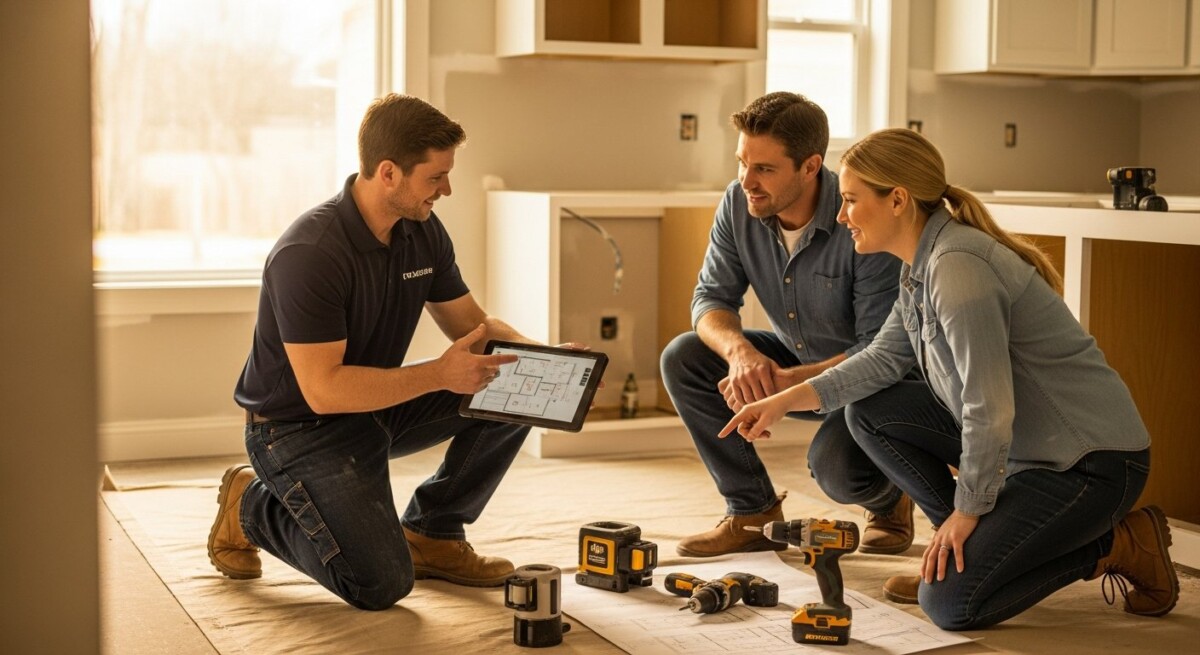
- On-Site Assessment: They examine the problem area, discuss your goals, and take measurements.
- Detailed Proposal: They provide a written estimate that outlines materials, labor, timeline, and costs clearly.
- Open Communication: They remain available to answer questions before you make a decision, without high-pressure tactics.
A professional inspection can reveal hidden issues before they become expensive repairs. Compare contractor quotes here or call to discuss your project.
Warning Signs You Should Not Ignore
When navigating contractor leads, certain red flags can indicate a company that may not handle your project professionally. Paying attention to these early signs can save you from stress and poor results down the line.
Ignoring these warnings can lead to contracts with vague terms, unexpected cost overruns, and contractors who disappear before the job is done. Protecting your investment starts with recognizing these signals during your initial conversations.
Be cautious if a contractor:
- Demands a large deposit or full payment upfront before any work begins.
- Is reluctant to provide a written, detailed contract or license information.
- Only communicates through pressure tactics or limited-time discounts.
- Has no online presence, portfolio, or verifiable customer reviews.
- Provides a quote that is drastically lower than others without clear explanation.
- Cannot answer specific questions about permits, materials, or project timeline.
What Affects the Cost of Repairs or Installation
When you receive quotes, the prices can vary widely. This isn’t always about the lead source; it’s often about the scope and quality of the work proposed. Understanding what drives cost helps you evaluate quotes intelligently.
Key factors include the size and complexity of the project, the quality of materials selected, and the labor intensity. For example, a simple faucet replacement costs far less than a full bathroom plumbing overhaul. A contractor’s overhead,like insurance, skilled labor, and proper permitting,also contributes to a fair price.
Other variables are your home’s age and accessibility. Older homes may have unforeseen issues like outdated wiring or structural quirks that need addressing. Difficult-to-access work areas, like a steep roof or a cramped crawl space, can also increase labor time and cost. A trustworthy contractor will explain these factors in their estimate. For more on budgeting effectively, see our resource on planning your home improvement finances.
Costs can vary depending on the condition of your home. The best way to know the price is to get a personalized estimate. Request free quotes from contractors or call today.
How to Choose the Right Contractor
The goal isn’t just to stop the phone from ringing; it’s to find a professional you can trust with your home. Take control of the process by being selective, even after you’ve submitted an online request.
Treat the initial calls as interviews. You are hiring someone for an important job. The right contractor will respect this process and provide the information you need to feel confident. They should see you as a partner, not just a lead.
Follow these practical steps to find the best fit:
- Verify Licenses and Insurance: Always ask for proof. This protects you from liability and ensures they meet local regulations.
- Read Reviews and Ask for References: Check sites like Google, BBB, and ask for past client contacts. Speak to those homeowners about their experience.
- Get Detailed, Written Estimates: Compare quotes that break down material costs, labor, timeline, and payment schedule. Vague estimates lead to problems.
- Compare Multiple Quotes: Don’t settle for the first or cheapest option. Get at least three detailed estimates to understand the market rate for your project.
- Assess Communication: Choose someone who listens, answers questions clearly, and communicates promptly. This style will continue throughout the project.
Long-Term Benefits of Professional Work
Taking the time to find a skilled contractor through a lead network pays off for years. Quality workmanship ensures the repair or renovation is done correctly the first time, adhering to building codes and safety standards.
This protects your family and your property. A well-installed roof won’t leak, proper electrical work won’t cause a fire hazard, and a correctly built addition will be structurally sound. This peace of mind is invaluable.
Furthermore, professional work enhances your home’s value and efficiency. Quality materials and installation last longer, reducing future maintenance costs. Energy-efficient upgrades, like windows or insulation installed by experts, can lower utility bills. When it’s time to sell, documented professional renovations are a strong selling point that attracts buyers. Understanding how home energy upgrades add value is a key part of this long-term benefit.
What is a lead exchange in home improvement?
A lead exchange is a digital system where your request for a contractor service is shared with multiple local businesses. It’s a common way contractors find new projects and homeowners get multiple contacts quickly, but it requires you to vet each company carefully.
Is my information safe when I request quotes online?
Reputable lead generation platforms have privacy policies, but your contact information is typically shared with contractors. To protect yourself, use trusted sites, read their privacy notices, and be prepared for several companies to reach out. Never provide sensitive financial details in an initial form.
How many contractor quotes should I get?
It’s wise to get at least three detailed, written quotes. This allows you to compare not just price, but also the proposed scope of work, materials, timeline, and the contractor’s communication style. It gives you a clear picture of your options.
Why do contractor prices vary so much for the same job?
Prices vary due to differences in material quality, labor costs, business overhead (like insurance), and project scope. A very low bid might mean cutting corners, while a high bid might include premium materials or more comprehensive labor. The detailed estimate explains the difference.
Can I opt out of lead sharing after I submit a form?
This depends on the specific website’s policy. Often, once submitted, the lead is distributed. You can always tell individual callers you are not interested. For future projects, you can ask a contractor if they source leads differently or work primarily on referrals.
What should I ask a contractor during the first call?
Ask about their experience with projects like yours, their availability, if they are licensed and insured, and how they handle permits. A good contractor will gladly answer these questions and propose a next step, like a scheduled site visit.
How do lead networks benefit homeowners?
They save you time by connecting you to multiple available contractors at once. This is especially helpful for urgent repairs or when you’re unsure who to call. The key is using the contacts as a starting point for your own research and selection process. For a deeper look at how these networks function, our guide on how a home improvement lead network works offers more insight.
What’s the best way to find a reliable contractor?
Combine methods. Use online leads for a broad search, but also ask for personal referrals from friends or neighbors, check local trade association directories, and read online reviews. The most reliable path often mixes technology with trusted personal recommendations.
Navigating home improvements starts with understanding the connection process. By being an informed homeowner, you can transform the flood of initial contacts into a shortlist of qualified professionals. Addressing issues early with the right contractor protects your home’s value and your family’s safety. The next step is simple: take control by comparing detailed quotes and choosing a partner you trust for your project.
About the Author: David