
Lead Generation for Remodelers: A Homeowner’s Guide
You’ve finally decided to update your kitchen or add that master bathroom you’ve always wanted. You start searching online for ideas and contractors, but quickly feel overwhelmed. Your inbox fills with confusing ads, and your phone rings with pushy sales calls from companies you’ve never heard of. This frustrating experience is often the result of how remodelers find new clients,a process known as lead generation. For homeowners, navigating this system can feel confusing and impersonal, making it hard to find a trustworthy professional for your most important investment.
Understanding Lead Generation for Remodelers
In simple terms, lead generation is how remodeling companies find potential customers like you. It’s their process for turning homeowners who are thinking about a project into actual clients. This system exists because contractors need a steady stream of projects to keep their teams working.
Remodelers use many methods to find leads. These include online advertising, search engine optimization (SEO), referrals from past clients, and partnerships with home improvement stores. When you search for “kitchen remodeler near me” or fill out a form for a free estimate, you often become a “lead” in their system.
The goal of good lead generation is to connect qualified homeowners with reputable contractors. A qualified homeowner is someone who is serious about a project, has a realistic budget, and is ready to move forward. This matching process benefits everyone when done correctly.
How the Modern Matching Process Works
Today, many homeowners start their search online. Reputable contractors work to make their expertise visible through helpful websites, photos of past projects, and positive reviews. When you reach out, a good company will listen first, aiming to understand your needs before discussing their services.
Why This Matters for Your Home
Finding the right remodeler isn’t just about convenience,it directly impacts the success of your project and the safety of your home. The contractor you choose will be making significant changes to your property, which requires skill, proper licensing, and insurance.
A poor remodeling job can lead to costly structural issues, water damage, or electrical problems down the road. By understanding how contractors find clients, you can better identify those who invest in building a strong reputation, rather than just chasing the next quick sale. This leads to better communication, higher quality work, and lasting results that protect your home’s value.
If you notice signs of this issue in your home, it may help to speak with a qualified contractor. Request a free quote or call to explore your repair or remodeling options.
Common Problems Homeowners Experience
When the lead generation process is focused on quantity over quality, homeowners can face several frustrating issues. You might feel like just another number, with contractors offering generic solutions without understanding your specific home and vision.
Common problems include receiving vague estimates that balloon in cost later, dealing with high-pressure sales tactics, or struggling to get clear answers about timelines and materials. These experiences often stem from a contractor’s need to quickly turn leads into sales, rather than building a relationship based on trust and your project’s success.
- Receiving persistent, unsolicited calls and emails after a single online inquiry.
- Getting “ballpark” quotes over the phone that have little relation to the final price.
- Feeling rushed into signing a contract before you’re ready.
- Working with a salesperson instead of the actual project manager or lead carpenter.
- Encountering contractors who don’t take time to visit your home and assess its unique conditions.
- Discovering hidden fees or change orders that weren’t part of the original discussion.
How Professionals Solve the Problem
Established, trustworthy remodelers use lead generation to start meaningful conversations, not just to make a sale. They focus on educating homeowners and providing clear, detailed information so you can make confident decisions. Their process is designed to reduce your stress, not add to it.
A professional will typically follow a structured approach to ensure your project’s success from the first contact to the final walkthrough. This careful planning is what separates a quality remodeling experience from a problematic one.
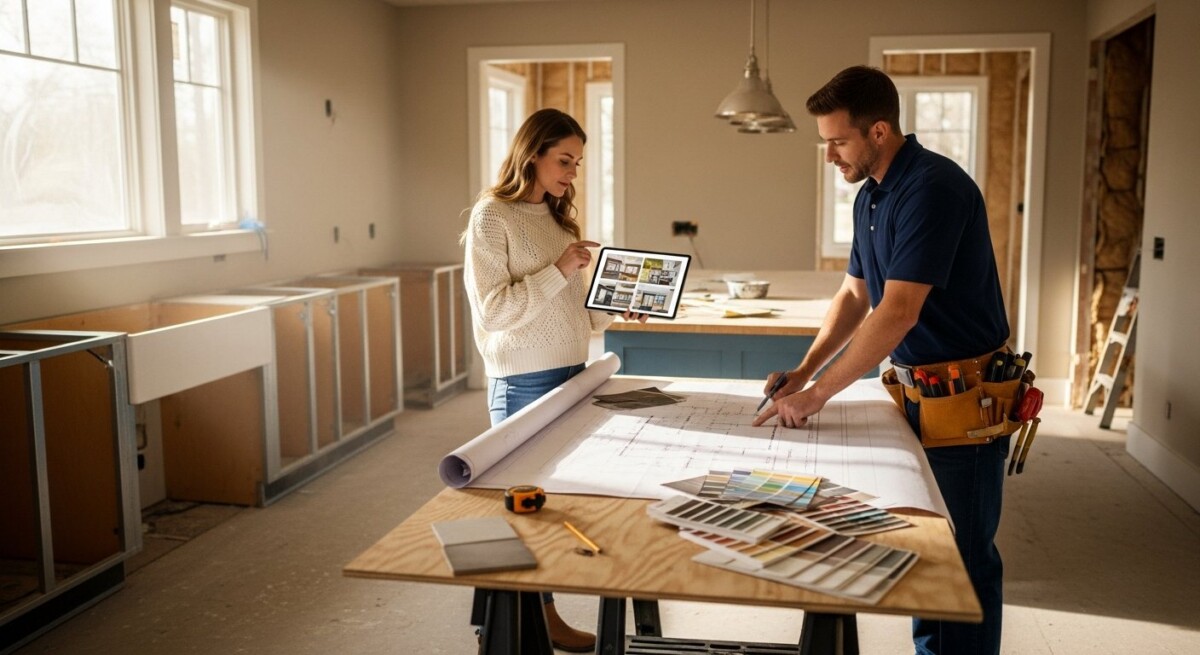
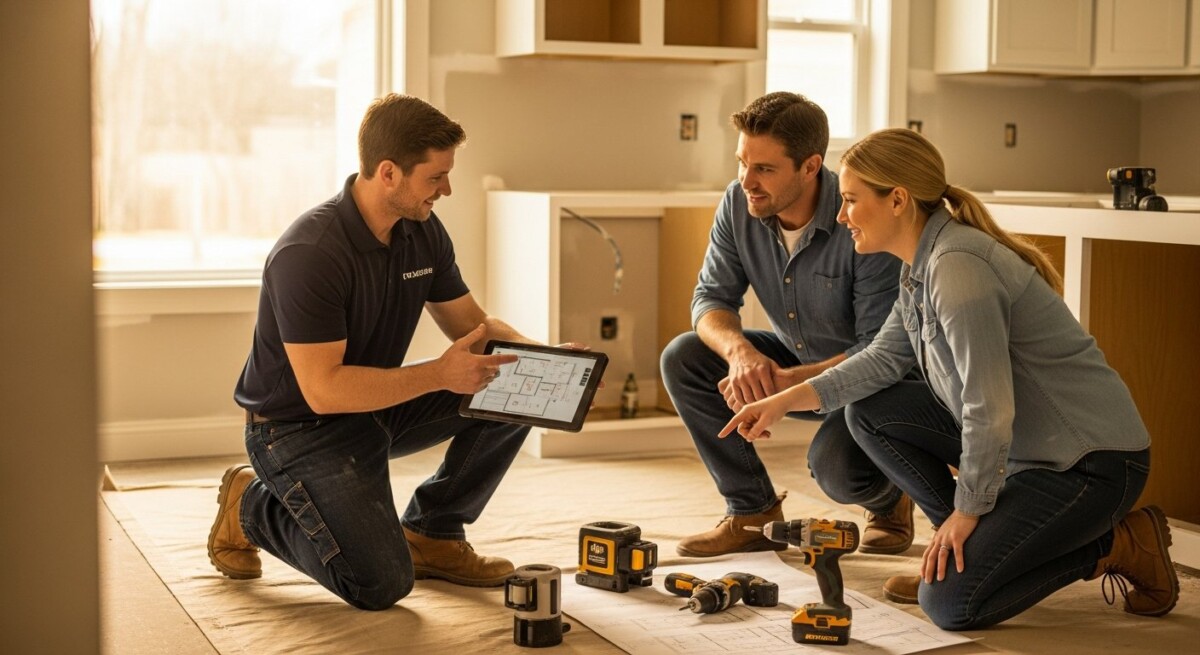
- Consultation & Listening: A good contractor starts by listening. They visit your home, ask detailed questions about your needs, lifestyle, and budget, and offer initial professional insights.
- Detailed Proposal: They provide a clear, written proposal that outlines the scope of work, materials, timeline, payment schedule, and total cost, with few assumptions.
- Open Communication: They assign a dedicated point of contact and establish how you’ll communicate throughout the project, ensuring you’re never left in the dark.
- Professional Execution: Their skilled crew follows the plan, maintains a clean worksite, and addresses any unforeseen issues promptly and transparently.
- Final Review & Follow-up: They walk you through the completed work, ensure your satisfaction, and stand behind their work with warranties.
A professional inspection can reveal hidden issues before they become expensive repairs. Compare contractor quotes here or call to discuss your project.
Warning Signs You Should Not Ignore
As you talk to different remodeling companies, paying attention to early red flags can save you from a negative experience. These warning signs often indicate a contractor is more interested in securing a quick contract than in delivering a quality project for your home.
Trust your instincts. If something feels off during your initial conversations, it’s likely a sign of how the entire project will be managed. A professional remodeler’s process should make you feel informed, respected, and confident.
- The contractor cannot provide a local business address or hesitates to share proof of licensing and insurance.
- They demand a large deposit (more than 10-15%) before any work begins or before materials are delivered.
- They only communicate through high-pressure sales calls and avoid putting details in writing.
- They have no online presence, or their website and reviews seem fake or overly generic.
- Their estimate is significantly lower than others without a clear, detailed explanation of how they are saving costs.
- They suggest you pull the required building permits yourself, which is often a sign they are not properly licensed.
What Affects the Cost of Repairs or Installation
Remodeling costs can vary widely, and understanding the factors involved helps you evaluate quotes fairly. A trustworthy contractor will explain these variables clearly, so you know exactly what you’re paying for. Transparency here is a key sign of a professional.
The biggest cost drivers are typically the scope of work and material selections. However, the condition of your existing home can also play a major role. An older home might have unexpected issues like outdated wiring, plumbing, or structural concerns that need to be addressed before new work can begin.
Costs can vary depending on the condition of your home. The best way to know the price is to get a personalized estimate. Request free quotes from contractors or call today.
How to Choose the Right Contractor
Selecting a remodeler is one of the most important decisions in your project. Take your time and do your homework. The right professional will welcome your questions and provide thorough answers, viewing your diligence as a sign you’re a serious homeowner.
Start by seeking recommendations from friends, family, or neighbors whose projects you admire. Then, interview at least three contractors. This comparison will give you a clear sense of different approaches, communication styles, and price points for your specific job.
- Verify Credentials: Always check for a valid state license, liability insurance, and workers’ compensation coverage. This protects you from financial liability.
- Review Past Work: Ask for a portfolio of completed projects and, if possible, addresses of recent jobs you can drive by. Read online reviews on multiple platforms.
- Get Detailed Estimates: Ensure each quote outlines the same scope of work, materials (brand, grade, quantity), labor, timeline, and cleanup. Compare them line by line.
- Meet the Team: Ask who your daily point of contact will be. Try to meet the project manager or lead carpenter who will be on-site.
- Check References: Speak directly with 2-3 past clients. Ask about the contractor’s communication, problem-solving, adherence to budget and schedule, and the quality of the finished work.
Long-Term Benefits of Professional Work
Investing in a professional remodeler pays dividends long after the project is complete. Quality workmanship ensures your new space is not only beautiful but also safe, durable, and functional for years to come. It’s an investment in your daily comfort and your home’s future value.
Professional work adheres to building codes and best practices, preventing issues like water intrusion, mold growth, or electrical hazards. It also typically comes with warranties on both labor and materials, giving you peace of mind. A well-executed remodel can significantly increase your home’s resale value and appeal, often yielding a high return on investment when it’s time to sell.
FAQs
How long does it typically take to get estimates from remodelers?
A reputable contractor will usually schedule an in-home consultation within a week. After that visit, you should receive a detailed written proposal within 5-10 business days. If someone offers an instant quote over the phone without seeing your home, it’s likely not accurate or comprehensive.
What should I have ready before talking to a contractor?
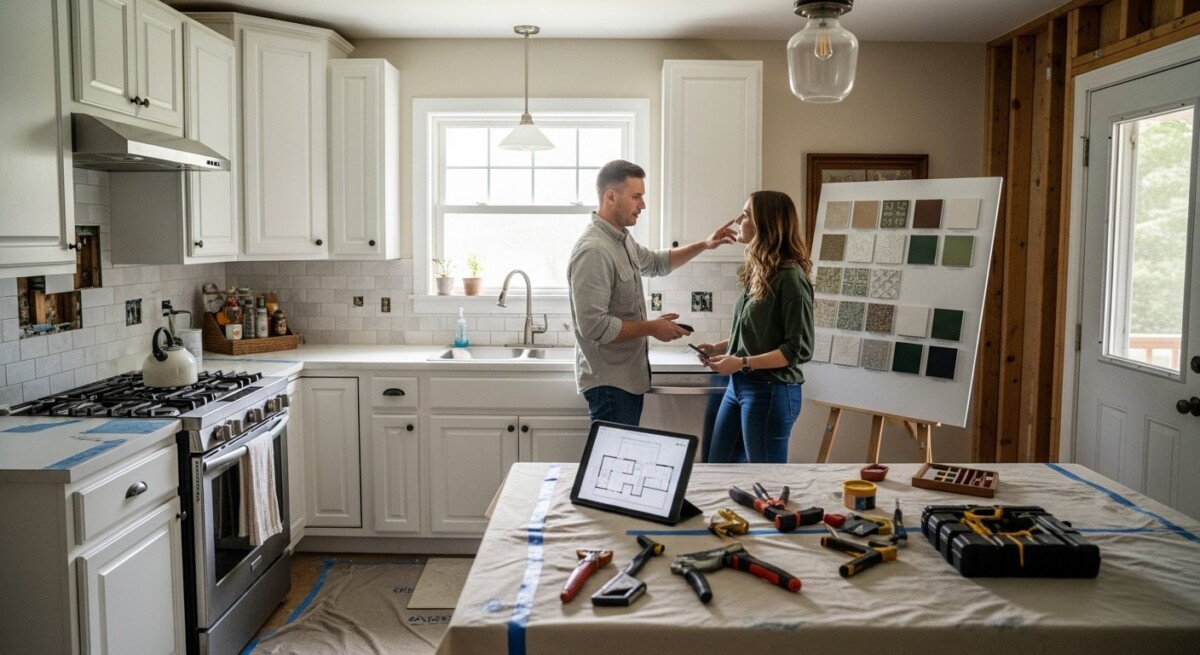
It helps to have a basic idea of your goals, budget, and desired timeline. Gather inspiration photos, measure the space if you can, and make a list of your top priorities and “must-haves” versus “nice-to-haves.” Also, know your home’s approximate age and any known issues.
Is it worth getting multiple quotes?
Absolutely. Getting at least three detailed quotes is one of the smartest things you can do. It allows you to compare not just price, but also the proposed approach, materials, and the contractor’s professionalism. The lowest price is not always the best value if it compromises quality.
What’s the difference between an estimate and a quote?
An estimate is a rough, non-binding approximation of cost. A quote (or proposal) is a fixed-price offer for the specified scope of work. For remodeling, you want a fixed-price quote in writing to avoid surprise costs, barring any unforeseen conditions discovered after work begins.
How do I know if a contractor is properly insured?
Ask them to provide a Certificate of Insurance (COI) from their insurer. You can also call the insurance company listed on the COI to verify the policy is current. This protects you if there’s an accident or damage to your property during the project.
What questions should I ask past references?
Ask if the project was completed on time and on budget, how the contractor handled unexpected issues, if the worksite was kept clean and safe, and if they would hire the same contractor again. The most telling question is often, “What was the biggest challenge during the project, and how was it resolved?”
Finding the right remodeling professional starts with understanding how the process should work from your perspective. By focusing on contractors who value clear communication, detailed planning, and quality craftsmanship, you can transform a potentially stressful search into a confident decision. Don’t let a confusing lead generation process deter you from improving your home. Take the first step by requesting detailed quotes from several qualified local professionals to compare your options and find the best fit for your vision and budget.
About the Author: Lila Kensington