Lead Generation for Window and Door Contractors: A 2026 Guide
Master lead generation for window and door contractors with proven strategies to fill your pipeline and close more jobs. Call (510)-663-7016 to get started.

By Caleb Griffin
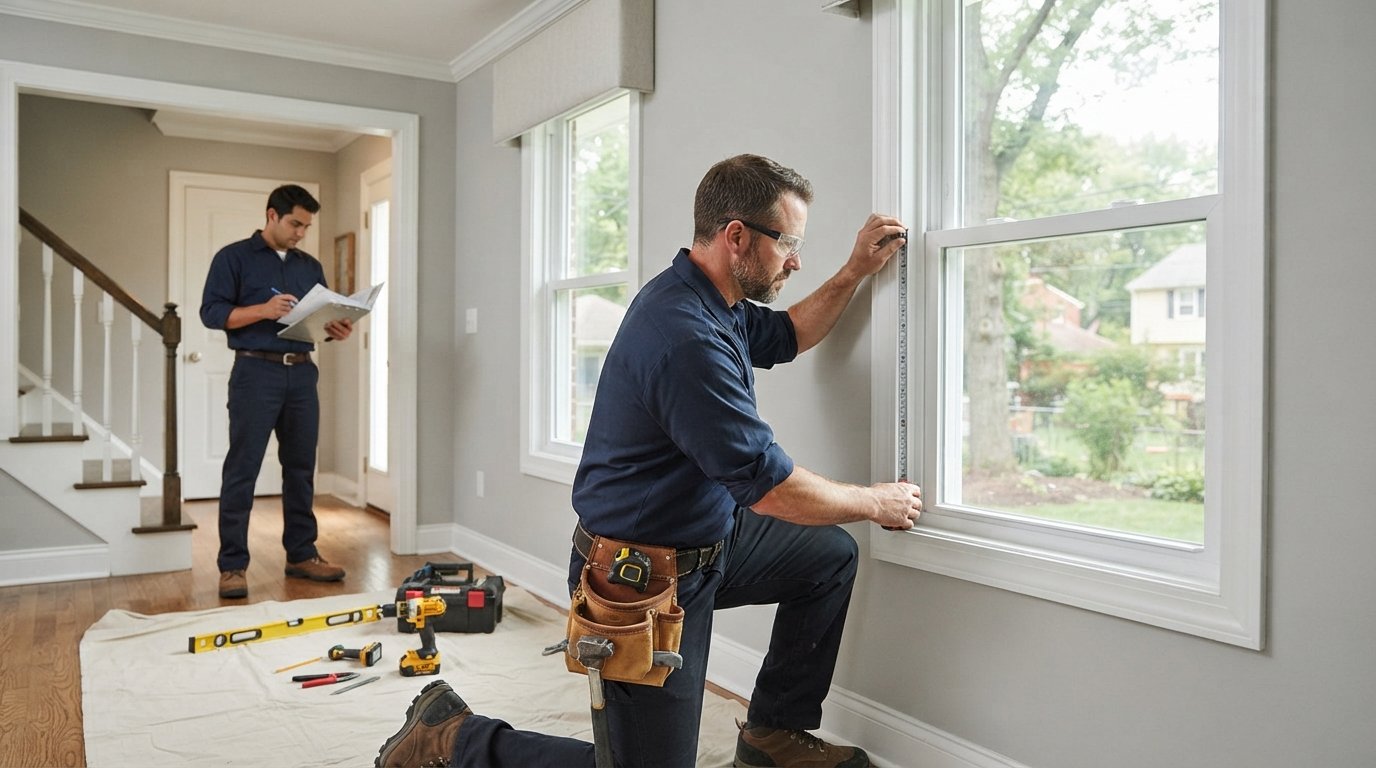
Window and door replacement is one of the most competitive segments in home improvement. Homeowners often compare three to five bids before signing, and the first contractor to respond with a relevant, professional message usually wins the job. If your pipeline depends on referrals and the occasional yard sign, you are leaving revenue on the table. A deliberate lead generation system fills the gaps, smooths out seasonal swings, and gives you control over your growth instead of waiting for the phone to ring.
The good news is that window and door contractors have more options than ever. From exclusive, pre-qualified leads to live transfers and self-generated inbound funnels, the right mix depends on your capacity, close rate, and average ticket. This guide breaks down what actually works, how to measure it, and how to avoid the most common traps that drain marketing budgets.
Why Window and Door Lead Generation Is Different
Window and door projects sit in a unique spot: high enough in cost that homeowners do real research, but not so high that they treat it like a full kitchen remodel. That means your leads are usually comparing options, reading reviews, and asking neighbors for recommendations. They are also highly sensitive to timing, because a failed seal or a drafty door often triggers an urgent search.
This creates two distinct lead types you need to plan for. The first is the emergency or urgent replacement lead: a homeowner with a broken window, a leaking door, or a failed seal who needs a solution this week. The second is the planned upgrade lead: a homeowner researching energy-efficient windows, new entry doors, or a full exterior refresh over the next one to three months. Each requires a different follow-up cadence and a different sales approach.
Understanding this distinction is the foundation of effective lead generation for window and door contractors. If you treat every lead like an emergency, you will burn out your sales team. If you treat every lead like a long-cycle research project, you will lose the urgent jobs to faster competitors.
Building a Lead Generation System That Fits Your Business
Random acts of marketing do not build a predictable pipeline. You need a system: a repeatable process that consistently delivers qualified opportunities and converts them into signed contracts. The most successful window and door companies treat lead generation as an operational function, not a one-off tactic.
A strong system starts with clarity about your target customer. Are you focused on residential replacements in a specific ZIP code range? Do you specialize in historic home window restoration, or energy-efficient vinyl replacements, or high-end entry doors? The narrower your focus, the easier it becomes to choose lead sources and craft messages that resonate. In our guide on building a contractor lead generation system, we walk through how to map your capacity to your lead flow so you never overbuy or underbuy.
Once your target is clear, the system has four moving parts: lead acquisition, lead qualification, follow-up, and conversion tracking. Each part needs an owner, a process, and a metric. Without that structure, you cannot tell which sources are profitable and which are quietly bleeding cash.
Lead Acquisition Channels That Work for Window and Door Pros
There is no single best channel. The right mix depends on your budget, your sales capacity, and how quickly you can respond. Most successful contractors combine two or three sources rather than betting everything on one.
- Exclusive lead marketplaces: Platforms that sell a lead to one contractor only, often with homeowner contact details and project intent. These tend to cost more per lead but reduce competition and speed up follow-up.
- Shared lead marketplaces: Lower cost per lead, but you are competing with other contractors. Speed to contact and a strong first impression become critical.
- Inbound content and local SEO: A well-optimized website with service-area pages, project galleries, and financing information can generate steady organic leads over time.
- Paid search and social: Google Ads and local service ads can produce high-intent leads if you manage negative keywords and geographic targeting carefully.
- Referral and review programs: Past clients, real estate agents, and property managers are a reliable source of high-trust leads when you ask consistently.
Most contractors start with one paid source and one organic source, then add a second paid source once the first is profitable. The key is to avoid spreading your budget so thin that no channel gets enough data to optimize. If you are buying leads, start with a modest volume, track close rates by source, and scale only what works.
For window and door specialists, lead quality often matters more than lead volume. A homeowner who is actively requesting quotes for a full-house window replacement is worth far more than five casual browsers. That is why many contractors prefer platforms that screen for project intent, homeownership, and timeline. HomeRemodelingLeads, for example, offers window replacement leads segmented by single-window and multi-window projects, with exclusive and shared pricing tiers so you can match lead cost to your close rate. If you also sell related services like roofing or siding, bundling lead purchases across categories can improve your cost per acquisition. Insurance agents and agencies looking to cross-sell property coverage can explore BestInsuranceLeads for verified insurance leads as a complementary channel.
Qualifying Leads Before You Spend Sales Time
Not every lead deserves a full in-home consultation. The most efficient contractors use a short qualification script to separate serious buyers from tire-kickers. This saves hours of driving and keeps your sales team focused on opportunities that can actually close.
A practical qualification framework covers four areas: project scope, timeline, budget range, and decision process. Ask what needs to be replaced, when they want it done, whether they have a budget in mind, and who else is involved in the decision. You do not need perfect answers, but you do need enough signal to prioritize.
For window and door contractors, two additional questions are especially useful. First, ask whether the homeowner owns the property (renters rarely authorize replacements). Second, ask whether they have already received other bids. Homeowners who are actively comparing quotes are further along in the buying process and often close faster. Document these answers in your CRM so you can refine your lead sources over time.
How to Convert Window and Door Leads into Signed Contracts
Lead generation is only half the equation. The other half is conversion, and this is where many contractors lose deals they should have won. Window and door sales are trust-heavy purchases. Homeowners are letting strangers into their homes and making a significant financial commitment, so your follow-up must be fast, professional, and reassuring.
Speed is the single biggest lever. Studies across home services consistently show that contacting a lead within five minutes dramatically increases the chance of reaching the homeowner and booking an appointment. If you cannot respond that fast, set up an automated text and email sequence that acknowledges the inquiry and sets expectations. But do not rely on automation alone: a personal call within the first hour still outperforms everything else.
Your first conversation should focus on listening, not pitching. Ask about the problem they are trying to solve, how long they have been thinking about it, and what prompted them to reach out now. Homeowners appreciate a contractor who asks good questions and offers clear next steps. Bring a concise presentation that covers product options, energy efficiency, warranty details, and financing, and be prepared to answer questions about installation timelines and disruption.
Follow-up is where most contractors give up too early. Window and door purchases often involve multiple decision-makers and a comparison period of several weeks. A structured follow-up sequence that includes a thank-you email, a text reminder, a second call, and a value-add touch (such as a financing guide or a project gallery) keeps you top of mind without being pushy. Track every touch in your CRM so nothing falls through the cracks.
Measuring What Matters: Key Metrics for Window and Door Lead Generation
You cannot improve what you do not measure. The most important metric is not cost per lead; it is cost per signed contract. A $50 lead that closes at 20 percent is far more profitable than a $20 lead that closes at 5 percent. Build a simple dashboard that tracks the following:
- Cost per lead by source: What you pay for each inquiry, including platform fees and ad spend.
- Contact rate: The percentage of leads you successfully reach within 24 hours.
- Appointment rate: The percentage of contacted leads that book an in-home consultation.
- Close rate: The percentage of consultations that turn into signed contracts.
- Average ticket and gross margin: So you can calculate return on investment accurately.
Review these numbers monthly. If a source has a high contact rate but a low close rate, the problem may be lead quality or your sales presentation. If a source has a low contact rate, your follow-up speed or script needs work. The goal is not to find perfect leads; it is to build a repeatable process that turns a predictable percentage of leads into revenue.
Seasonality also matters. Window and door demand often peaks in spring and early fall, with a dip during the coldest and hottest months depending on your region. Use historical data to adjust your lead purchases and staffing so you are not overpaying during slow periods or understaffed during surges.
Common Mistakes That Hurt Window and Door Lead Generation
Even experienced contractors fall into predictable traps. The first is buying too many leads at once without the sales capacity to follow up. This creates a pile of stale leads, wasted spend, and a bad reputation with the lead provider. Start small, measure, and scale gradually.
The second mistake is treating all leads the same. A homeowner requesting a single window replacement has a very different timeline and budget than one requesting a whole-house upgrade. Segment your follow-up by project type and intent so your messaging matches the opportunity.
The third mistake is ignoring the post-appointment follow-up. Many contractors assume that if the homeowner does not sign on the spot, the deal is dead. In reality, window and door buyers often need a second conversation, a revised quote, or reassurance about financing. A disciplined follow-up cadence can recover a significant percentage of otherwise lost deals.
Finally, avoid the temptation to compete solely on price. Homeowners buying windows and doors care about energy savings, warranty coverage, installation quality, and trust. Lead with value and proof (reviews, project photos, certifications) rather than discounts, which erode margin and attract price-shoppers who are unlikely to become long-term customers.
Scaling Your Lead Generation Without Breaking Your Operations
Once you have a lead source that works, the natural next step is to scale. But scaling too fast can overwhelm your team and damage your close rate. The key is to add capacity in step with lead volume. That might mean hiring a dedicated appointment setter, adding a second salesperson, or investing in CRM automation to handle follow-up more efficiently.
It also helps to diversify your sources as you grow. Relying on a single lead provider is risky; if prices rise or quality drops, your pipeline suffers. A balanced mix of purchased leads, organic search, referrals, and repeat business gives you resilience and negotiating leverage.
Finally, think beyond the first job. Window and door replacements often lead to additional work: siding, roofing, gutters, and entry doors. A homeowner who trusts you with one project is a prime candidate for the next. Build a simple post-installation follow-up that asks for a review and offers a referral incentive. Over time, this turns one-time buyers into repeat customers and advocates, lowering your overall cost per acquisition.
Lead generation for window and door contractors does not have to be a guessing game. With a clear target, a focused channel mix, fast follow-up, and disciplined measurement, you can build a pipeline that delivers consistent, profitable work. Start with one source, prove the economics, and expand from there. The contractors who treat lead generation as a system, not a gamble, are the ones who grow year after year.