Open Concept Remodel Pricing: What Homeowners Must Know
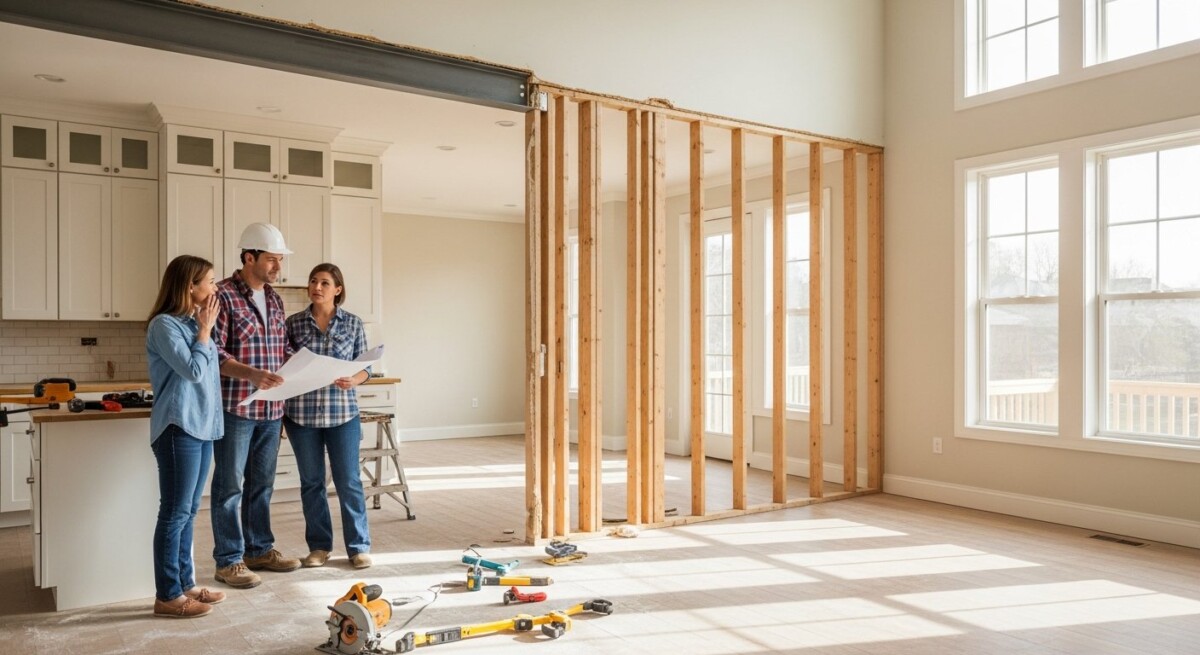
You finally decide to knock down that wall between your kitchen and living room. The idea of an open, airy space feels perfect,until you start getting estimates that vary by thousands of dollars. Many homeowners discover this problem when they call a few contractors and receive wildly different numbers. If you ignore these pricing differences, you risk overpaying or choosing a contractor who cuts corners. Understanding open concept remodel pricing helps you plan your budget and avoid costly surprises.
Understanding Open Concept Remodel Pricing
Open concept remodel pricing refers to the total cost of removing walls, reconfiguring layouts, and updating finishes to create a connected living space. It includes structural work, electrical and plumbing changes, flooring, and often new cabinetry or countertops. The price varies because every home is different,what works in a 1950s ranch may not apply to a 1990s two-story.
Homes with load-bearing walls require steel beams or LVL headers, which add significant cost. Older homes may need updated wiring or ductwork. Even the location of your kitchen sink or bathroom can drive up plumbing expenses. The more complex your layout, the higher the open concept remodel pricing climbs.
Which Homes Are Most Affected
Homes built before 1980 are common candidates for open concept remodels because they often have small, closed-off rooms. Split-level and traditional colonial floor plans also benefit from opening up. However, these same homes tend to have hidden surprises,asbestos in drywall compound, outdated electrical panels, or knob-and-tube wiring,that push costs higher.
Why This Matters for Your Home
An open concept remodel is a major investment. If you rush into it without understanding pricing, you risk damaging your home’s structural integrity. Removing a load-bearing wall without proper support can cause sagging ceilings, cracked drywall, or worse,a partial collapse. Safety should always come first.
Delaying the project because of confusing estimates can also lead to bigger problems. Cracks in walls or uneven floors may worsen over time, turning a $10,000 job into a $30,000 emergency. Beyond safety, an open floor plan increases your home’s resale value,but only if done correctly. In our guide on whole home makeover pricing, we explain how similar projects affect property value.
If you notice signs of this issue in your home, it may help to speak with a qualified contractor. Request a free quote or call to explore your repair or remodeling options.
Common Problems Homeowners Experience
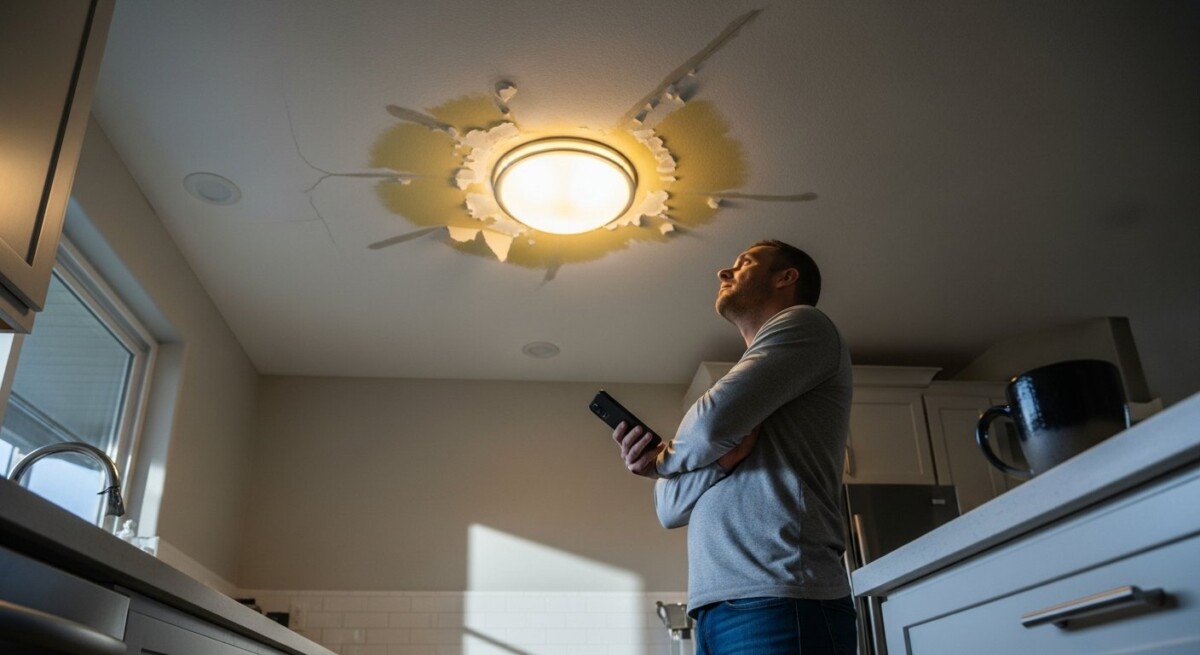
Many homeowners assume an open concept remodel is just demolition and drywall. In reality, hidden problems often surface once walls come down. You might discover old wiring that doesn’t meet code, mold inside wall cavities, or water damage from a past leak. These discoveries add time and money to your project.
Another frequent issue is underestimating the cost of finishes. New hardwood floors, quartz countertops, and custom cabinetry can double your budget if you haven’t shopped around. Without a clear understanding of open concept remodel pricing, you might run out of funds halfway through.
- Visible damage like cracks in walls or ceilings after wall removal
- Performance problems such as uneven heating or cooling in the new open space
- Structural concerns like sagging floors or door frames that no longer align
- Aging materials that require asbestos abatement or lead paint remediation
- Unexpected electrical or plumbing upgrades to meet current codes
- Insufficient load-bearing support that requires engineering consultation
How Professionals Solve the Problem
Experienced contractors start with a thorough inspection. They check for load-bearing walls, inspect the attic for structural issues, and test for hazardous materials. This upfront assessment prevents surprises later. A professional also pulls necessary permits, ensuring your remodel meets local building codes.
- Evaluate the existing structure and identify load-bearing walls
- Design a new layout that maximizes space and natural light
- Install temporary supports before removing any load-bearing wall
- Run new electrical, plumbing, and HVAC lines as needed
- Install drywall, flooring, and finishes to complete the open concept look
Professional work is safer and more reliable than DIY. Contractors carry insurance, so if something goes wrong,like a gas line hit during demo,you’re protected. They also have relationships with suppliers, which can lower material costs. When you compare open concept remodel pricing from pros, you’re paying for peace of mind.
A professional inspection can reveal hidden issues before they become expensive repairs. Compare contractor quotes here or call to discuss your project.
Warning Signs You Should Not Ignore
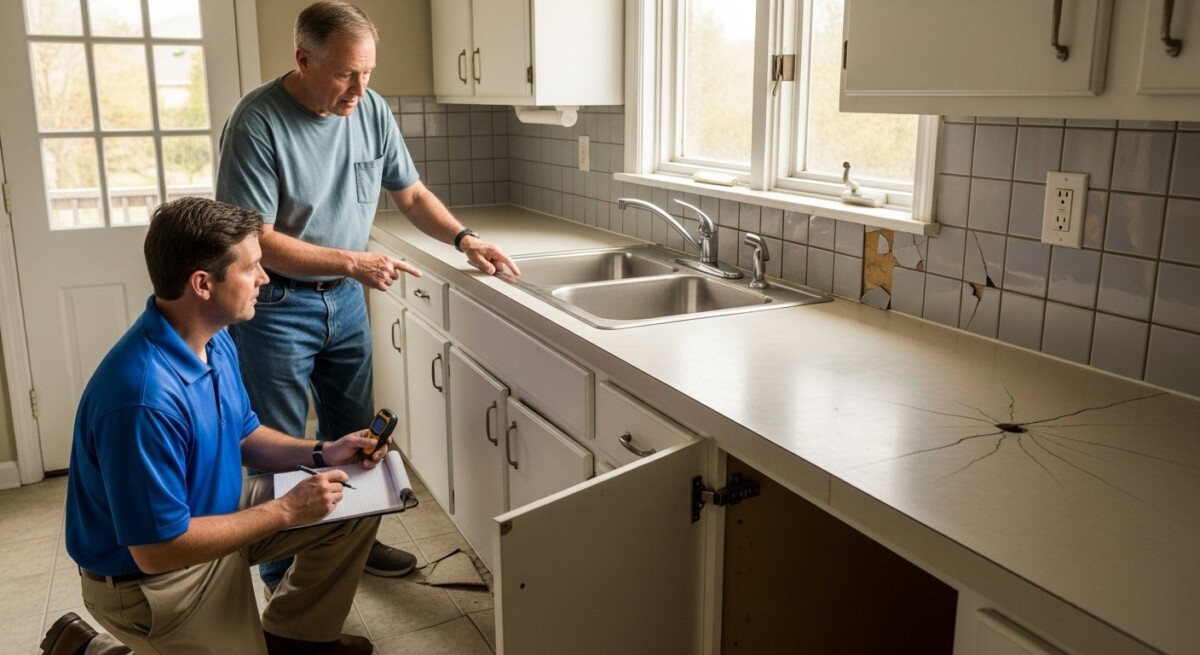
Your home may already be telling you it’s time for a remodel. Cracks that run diagonally from door corners often indicate foundation movement. Doors that stick or won’t latch properly can signal settling or a shifting load. These signs don’t always mean immediate danger, but they deserve attention before you start knocking down walls.
Another warning sign is outdated electrical systems. If you have a fuse box instead of a breaker panel, or if lights dim when you turn on the microwave, your home’s wiring may not support an open concept layout. Addressing these issues early prevents fire hazards and keeps your remodel on schedule.
- Diagonal cracks above doorways or windows
- Doors that stick or won’t close properly
- Floors that slope or feel bouncy in certain areas
- Visible gaps between walls and ceilings
- Frequent circuit breaker trips or flickering lights
- Musty odors inside walls, suggesting hidden moisture or mold
What Affects the Cost of Repairs or Installation
Several factors influence open concept remodel pricing. The size of your project matters most,removing one wall costs far less than taking down three and relocating a kitchen. Material choices also drive price: engineered hardwood costs more than laminate, and custom cabinetry costs more than stock. Labor rates vary by region, with urban areas typically charging more than rural ones.
Accessibility of the work area can increase costs. If your home has tight hallways or stairs, moving debris and materials takes extra time. Older homes may require specialized skills, like plaster repair or historic preservation techniques. The age of your home also affects pricing,homes built before 1970 often need significant updates to meet modern codes.
Costs can vary depending on the condition of your home. The best way to know the price is to get a personalized estimate. Request free quotes from contractors or call today.
How to Choose the Right Contractor
Selecting the right contractor is just as important as understanding pricing. A low bid might mean the contractor plans to cut corners or use cheap materials. A high bid doesn’t always guarantee quality,sometimes it means the contractor is too busy and doesn’t really want your job. Look for a middle ground with clear, itemized estimates.
Before hiring anyone, verify their license and insurance. Ask for references from past open concept remodels. A good contractor will happily share photos and contact information. Read online reviews on multiple platforms to get a balanced view. Finally, trust your gut,if a contractor pressures you to sign quickly or asks for a large upfront deposit, walk away.
- Check that the contractor is licensed and carries liability insurance and workers’ compensation
- Read customer reviews on Google, Yelp, and the Better Business Bureau
- Ask for a detailed written estimate that breaks down materials, labor, and permits
- Compare at least three quotes to understand the fair market range
- Confirm the contractor has experience with load-bearing walls and structural changes
Long-Term Benefits of Professional Work
A professionally done open concept remodel adds lasting value to your home. The space becomes more functional for daily life and more appealing to future buyers. Proper structural support means your home stays safe for decades. Quality finishes resist wear and tear, so you won’t face repairs in a few years.
Energy efficiency also improves. An open layout allows better airflow, which can lower heating and cooling costs. New windows and insulation installed during the remodel further reduce energy bills. Over time, the savings on utilities help offset the initial investment. In our article on comparing home improvement pricing, we discuss how to evaluate these long-term benefits against upfront costs.
Ultimately, professional work protects your biggest asset,your home. You avoid the stress of DIY mistakes and the risk of structural failure. When you understand open concept remodel pricing, you can make informed decisions that keep your project on budget and on track.
What is the average cost of an open concept remodel?
The average cost ranges from $15,000 to $50,000, depending on the scope. Removing a single non-load-bearing wall costs around $1,500 to $5,000. Full kitchen and living room combinations with new finishes can exceed $75,000. Your location and material choices significantly affect the final price.
How much does it cost to remove a load-bearing wall?
Removing a load-bearing wall typically costs $5,000 to $15,000. This includes installing a temporary support, adding a steel beam or LVL header, and patching the ceiling and floor. Engineering fees and permits add another $500 to $2,000.
Does an open concept remodel increase home value?
Yes, an open concept layout usually increases home value by 5,10%. Buyers prefer connected living spaces for entertaining and natural light. However, a poorly done remodel can lower value, so professional execution is critical.
How long does an open concept remodel take?
Most projects take 4 to 8 weeks from start to finish. Simple wall removals with no structural changes may take 2,3 weeks. Full remodels involving kitchen or bathroom relocation can take 3,5 months.
Do I need a permit for an open concept remodel?
Yes, most municipalities require permits for structural changes, electrical work, and plumbing. Pulling a permit ensures the work meets safety codes. Skipping permits can lead to fines and problems when selling your home.
Can I do an open concept remodel myself?
Only if you have experience with framing, electrical, and plumbing. Removing a load-bearing wall without proper support is dangerous. Most homeowners save money in the long run by hiring licensed professionals.
What is the cheapest way to create an open concept layout?
The cheapest option is removing a non-load-bearing wall and refinishing the surfaces. Keeping existing flooring and cabinetry reduces costs. You can also use partial walls or large openings to save on structural work.
How do I find a reliable contractor for my open concept remodel?
Start by asking friends and neighbors for referrals. Use online platforms like HomeRemodelingLeads to compare quotes from pre-vetted contractors. Always check licenses, read reviews, and get at least three written estimates before deciding.
Understanding open concept remodel pricing is the first step toward a successful home transformation. By recognizing warning signs early, working with professionals, and comparing quotes, you protect your home and your budget. Don’t let confusing estimates delay your dream space,start exploring your options today.
About the Author: Mason Caldwell