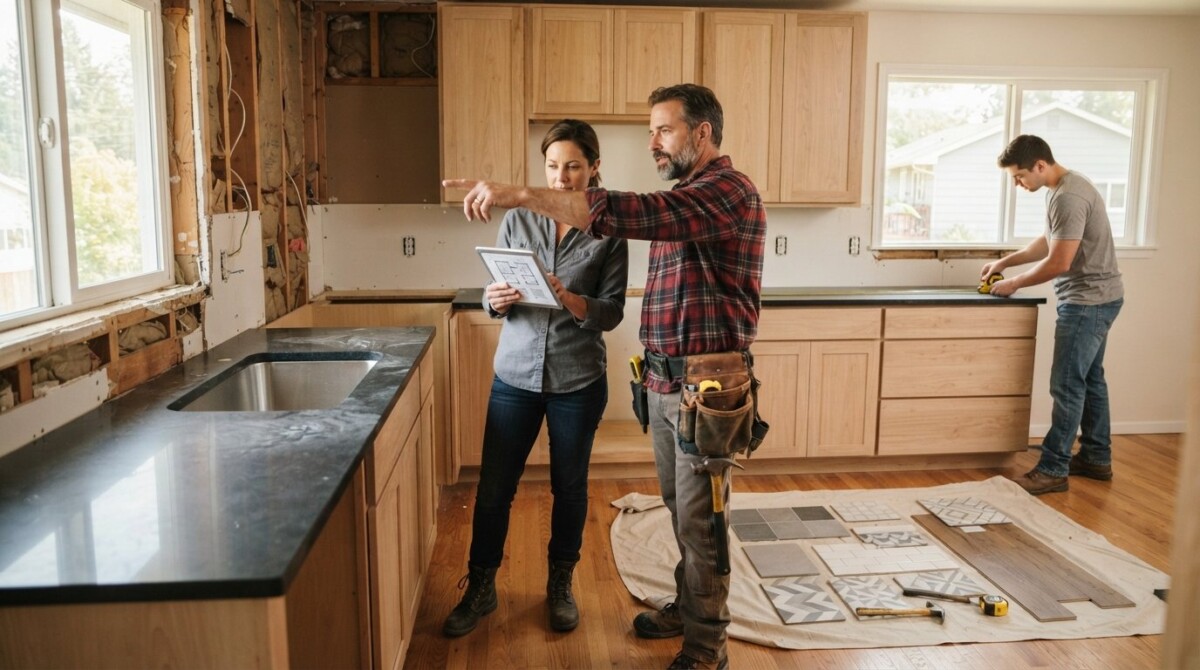

How to Find Quality Home Improvement Leads for Your Next Project
You notice a small crack in the bathroom tile. Or maybe the kitchen faucet has been dripping for weeks. At first, it seems like a minor annoyance. But soon, that crack widens, the drip stains the cabinet, and you wonder if ignoring it will cost you more later. This is the moment many homeowners face: deciding whether to tackle a repair or call in a professional. Finding reliable home improvement leads,trustworthy contractors who can handle the job,feels overwhelming when you don’t know where to start.
Understanding Home Improvement Leads
In simple terms, a home improvement lead is a connection between you and a contractor who can help with your project. It might be a referral from a neighbor, an online search result, or a quote you request through a matching service. The goal is to find qualified professionals who have the skills, licenses, and insurance to do safe, lasting work.
Homeowners often discover leads through word of mouth, local ads, or digital platforms that pre-screen contractors. The challenge is separating reliable pros from those who might cut corners. When you understand how leads work, you can save time, avoid scams, and find someone who fits your budget and timeline.
Most homes experience some need for repairs or upgrades over time. Older homes, in particular, may require updates to plumbing, roofing, or electrical systems. Even newer builds can develop issues from weather or daily wear. Knowing how to find and evaluate leads helps you act before small problems become big ones.
Why This Matters for Your Home
Ignoring early signs of damage can lead to costly consequences. A leaking roof might cause mold inside your walls. A cracked foundation can worsen with seasonal freeze-thaw cycles. When you delay repairs, you risk not only higher bills but also reduced safety for your family.
Beyond safety, your home’s value can drop if visible problems go unfixed. Buyers notice water stains, sagging gutters, or outdated wiring. Professional repairs protect your investment and keep your home comfortable. Acting early,by finding the right lead,saves money and stress in the long run.
Additionally, energy efficiency suffers when windows, insulation, or HVAC systems are neglected. Higher utility bills are a common sign that something needs attention. By connecting with a qualified contractor, you can address these issues and improve your home’s performance.
If you notice signs of this issue in your home, it may help to speak with a qualified contractor. Request a free quote or call to explore your repair or remodeling options.
Common Problems Homeowners Experience
Every home has weak points that show up over time. Some problems are obvious, like a broken window or a clogged drain. Others are hidden, like deteriorating insulation or slow leaks behind walls. Recognizing these issues early can prevent emergencies.
Homeowners often discover problems during seasonal changes,when the first heavy rain reveals a roof leak or winter drafts make rooms uncomfortable. Aging materials are another common culprit. For example, original windows from the 1980s may seal poorly, and old wiring might not handle modern appliances.
- Water damage or stains on ceilings and walls
- Drafts, uneven temperatures, or high energy bills
- Cracks in the foundation, driveway, or walkways
- Malfunctioning plumbing, such as low water pressure or slow drains
- Outdated or unsafe electrical outlets and panels
- Roof shingles that are curled, missing, or covered in moss
How Professionals Solve the Problem
Experienced contractors bring more than tools,they bring knowledge. They can diagnose root causes instead of just patching symptoms. For instance, a professional roofer will check for underlying deck damage, not just replace a few shingles. This thorough approach prevents repeat repairs.
Professional work also includes proper permits, inspections, and safety protocols. This is especially important for structural, electrical, or plumbing projects. When you hire a licensed contractor, you gain peace of mind that the work meets local codes and will last.
- Inspection and diagnosis: The contractor assesses the problem and identifies any hidden issues.
- Plan and estimate: You receive a detailed scope of work and cost breakdown.
- Scheduling and preparation: Materials are ordered, and the work area is protected.
- Repair or installation: Skilled tradespeople complete the job using proper techniques.
- Cleanup and follow-up: The site is cleaned, and you get a final walkthrough.
A professional inspection can reveal hidden issues before they become expensive repairs. Compare contractor quotes here or call to discuss your project.
Warning Signs You Should Not Ignore
Your home often gives clues that something is wrong. Pay attention to unusual smells, sounds, or changes in appearance. Musty odors might indicate mold from a hidden leak. A flickering light could mean faulty wiring. These signs are not just annoyances,they’re warnings.
Early detection allows you to schedule repairs on your terms, rather than facing an emergency. For example, catching a small roof leak during dry weather is far easier than dealing with a collapsed ceiling during a storm. Likewise, addressing a cracked window now prevents drafts and higher heating bills all winter.
- Peeling paint or wallpaper near ceilings or windows
- Warped or buckling floors, especially near water sources
- Unusual sounds from plumbing, like gurgling or banging
- Visible mold or mildew in bathrooms, basements, or attics
- Doors or windows that stick, indicating shifting foundations
- Sudden spikes in water or energy bills
What Affects the Cost of Repairs or Installation
Project costs vary widely based on several factors. The size of the repair is a major driver,fixing a single leaky pipe costs less than repiping an entire floor. Materials also play a role; premium roofing shingles or energy-efficient windows cost more upfront but save money over time.
Labor rates differ by region and by the complexity of the job. For example, a simple bathroom faucet replacement might take a plumber an hour, while a full remodel requires weeks of work. Accessibility matters too,repairs in tight attics or behind finished walls take extra time and skill.
Older homes often have unique challenges, such as obsolete wiring or non-standard framing. These can increase costs because contractors must adapt methods and materials. The best way to understand your specific situation is to get multiple estimates from qualified professionals.
Costs can vary depending on the condition of your home. The best way to know the price is to get a personalized estimate. Request free quotes from contractors or call today.
How to Choose the Right Contractor
Choosing a contractor is one of the most important decisions you’ll make during a home improvement project. A good contractor communicates clearly, shows up on time, and delivers quality work. A poor choice can lead to delays, budget overruns, or even unsafe conditions.
Start by gathering leads from multiple sources. Ask neighbors for referrals, check online reviews, and use platforms that pre-vet professionals. Once you have a shortlist, interview each candidate and ask for written estimates. Compare not just prices but also the scope of work and materials listed.
- Verify licenses and insurance: Ensure they are licensed in your state and carry liability and worker’s comp insurance.
- Read customer reviews: Look for patterns in feedback about timeliness, communication, and quality.
- Ask for detailed estimates: A vague quote may hide extra fees. Get everything in writing.
- Compare multiple quotes: Three to four estimates give you a realistic range and help you spot outliers.
- Confirm experience with similar projects: A roofer may not be the best choice for a bathroom remodel.
Long-Term Benefits of Professional Work
Investing in professional repairs and installations pays off over time. Quality work lasts longer, which means you won’t have to revisit the same problem next year. For example, a properly installed roof can last 20,30 years, while a DIY patch might fail in a season.
Safety is another major benefit. Licensed contractors follow building codes and safety standards, reducing the risk of electrical fires, gas leaks, or structural failures. This protection extends to your family and anyone who visits your home.
Finally, professional work boosts your home’s resale value. When you sell, buyers and appraisers notice updated kitchens, modern bathrooms, and well-maintained systems. In our guide on finding reliable home improvement leads in Denver, Colorado, we explain how connecting with vetted contractors can improve your property’s marketability. Similarly, learning about pay per lead home improvement models can help you understand how to efficiently find professionals without wasting time.
Additionally, a home improvement lead network connects you to contractors who have been pre-screened, saving you the hassle of vetting strangers. By using such networks, you gain access to a pool of qualified pros ready to bid on your project.
What is the first step in starting a home improvement project?
Start by identifying the problem you want to fix. Write down what you see, hear, or feel,like a draft, a leak, or an outdated fixture. Then gather home improvement leads by asking for referrals or using an online service. This gives you a list of contractors to contact for quotes.
How do I know if a contractor is reliable?
Check their license, insurance, and online reviews. Ask for references from recent projects similar to yours. A reliable contractor will provide a written estimate and answer your questions clearly. You can also use a lead network that pre-screens professionals for you.
Should I get more than one quote?
Yes, always get at least three quotes. This helps you understand the fair market price for your project. It also lets you compare the scope of work each contractor proposes. Be wary of quotes that are much lower or higher than the average.
What if I find a lead online? Is it safe?
Online leads can be safe if you use reputable platforms that vet contractors. Always verify the contractor’s credentials yourself before signing a contract. Avoid paying large deposits upfront, and never hand over cash without a written agreement.
How long does a typical home improvement project take?
It depends on the project. A simple repair like fixing a faucet might take a few hours. A kitchen remodel could take several weeks. Ask your contractor for a timeline in writing, including start and completion dates.
Can I negotiate the price with a contractor?
Yes, you can discuss pricing, especially if you have multiple quotes. Some contractors may adjust their price or offer a discount for off-season work. However, focus on value rather than the lowest price,cheap work often costs more in the long run.
What should a written estimate include?
A good estimate lists the work to be done, materials to be used, labor costs, and any permit fees. It should also state the payment schedule and warranty terms. If something is unclear, ask the contractor to explain before you sign.
How do I avoid home improvement scams?
Be cautious of contractors who demand full payment upfront or only accept cash. Avoid anyone who pressures you to sign immediately or offers a deal that seems too good to be true. Use trusted lead sources and always get everything in writing.
Your home is one of your biggest investments. Small problems don’t stay small for long, but you don’t have to face them alone. By understanding how to find quality home improvement leads, you can connect with professionals who will protect your home, your budget, and your peace of mind. Start by comparing contractor quotes today,it’s the smartest first step you can take.
About the Author: David