Small Home Transformation Ideas for Big Impact
You walk into your living room and feel like the walls are closing in. Maybe the kitchen cabinets are outdated, the bathroom tile is cracked, or the layout just doesn’t flow. Many homeowners notice these issues gradually,a squeaky floor here, a cramped corner there,but dismiss them as minor annoyances. The truth is, ignoring these small problems can lead to bigger headaches, like water damage, mold, or declining property value. That’s where small home transformation ideas come in: simple, cost-effective changes that refresh your space and protect your investment. Whether you’re planning a weekend project or a full remodel, understanding your options is the first step toward a more comfortable, valuable home.
Understanding Small Home Transformation Ideas
Small home transformation ideas are targeted upgrades that improve a home’s function, appearance, or efficiency without requiring a complete gut renovation. Think of them as strategic improvements,like swapping out old light fixtures, repainting cabinets, or adding built-in shelving,that deliver noticeable results on a modest budget. These projects often target high-traffic areas such as kitchens, bathrooms, and entryways, where small changes make the biggest difference.
Why do homeowners pursue these transformations? Common triggers include outdated finishes, worn flooring, or a desire for more storage. Older homes, especially those built before 2000, frequently lack modern conveniences like energy-efficient windows or open-concept layouts. Even newer builds can feel generic, prompting owners to add personality through trim, tile, or paint. The key is focusing on changes that boost both livability and resale value.
Which Rooms Benefit Most?
Bathrooms and kitchens are the top candidates for small transformations. A new vanity, updated faucet, or fresh grout can make a dated bathroom feel spa-like. In the kitchen, swapping hardware, adding a backsplash, or refinishing cabinets costs far less than a full renovation but still modernizes the space. Entryways and mudrooms also respond well to simple upgrades like coat hooks, benches, or new lighting.
Why This Matters for Your Home
Your home is likely your largest asset, and neglecting minor issues can erode its value over time. A leaking faucet might seem harmless, but it wastes water and can lead to mold behind walls. Peeling paint isn’t just ugly,it signals moisture problems that rot wood and attract pests. Safety risks also increase: loose handrails, uneven steps, or faulty electrical outlets can cause accidents, especially for children or elderly family members.
Beyond safety, comfort suffers when homes feel cramped or outdated. Poor lighting strains your eyes, inefficient windows drive up energy bills, and lack of storage creates clutter that stresses you out. The longer you wait, the more these problems compound. A small crack in a tile can grow into a leak that ruins subflooring, turning a $200 fix into a $2,000 repair. Acting early saves money and preserves your peace of mind.
If you notice signs of this issue in your home, it may help to speak with a qualified contractor. Request a free quote or call to explore your repair or remodeling options.
Common Problems Homeowners Experience
When homeowners tackle small home transformations, they often encounter issues that reveal deeper problems. For instance, removing old wallpaper might expose crumbling drywall, or pulling up carpet could reveal stained hardwood. These surprises are common in homes over 20 years old, where previous owners may have covered up flaws rather than fixing them.
Another frequent challenge is layout inefficiency. A narrow hallway or poorly placed door can make a room feel smaller than it is. Homeowners also struggle with outdated electrical systems that can’t handle modern appliances or smart home devices. And let’s not forget storage,many homes lack closets, pantry space, or garage organization, forcing families to live in clutter.
- Outdated kitchen or bathroom fixtures that leak or look worn
- Cracked or stained flooring that poses tripping hazards or traps allergens
- Poor lighting that makes rooms feel dark, small, or uninviting
- Insufficient storage causing clutter and reducing usable square footage
- Drafty windows and doors that drive up heating and cooling costs
- Worn countertops, cabinets, or vanities that lower resale value
How Professionals Solve the Problem
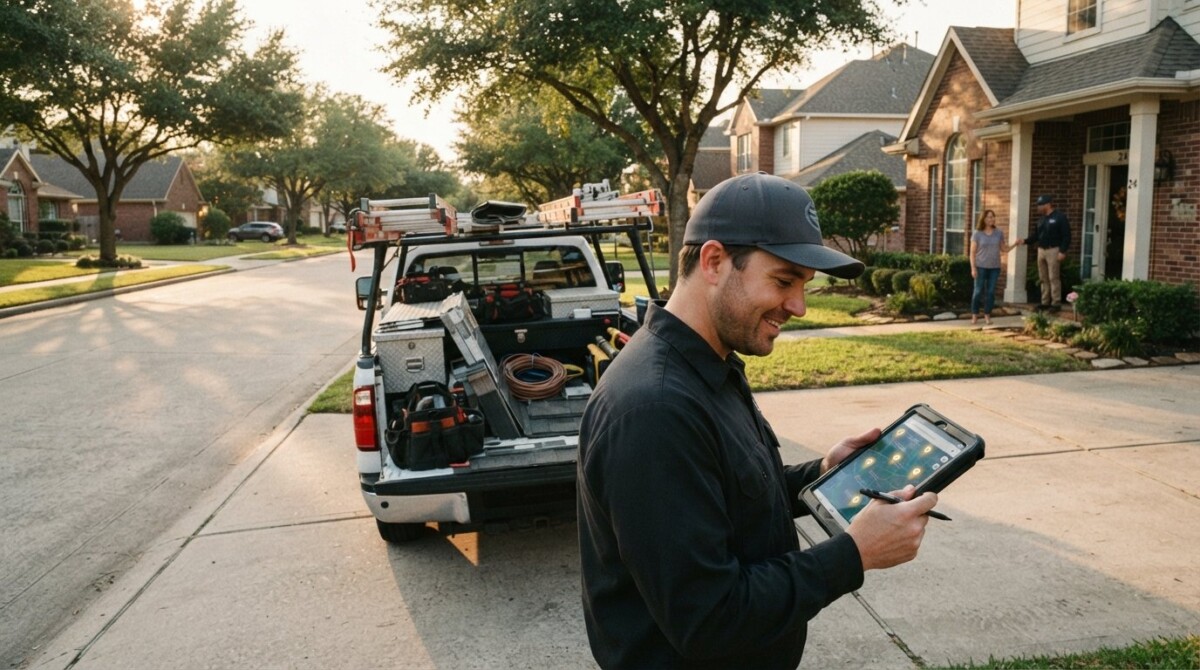
Experienced contractors approach small home transformations with a systematic process. First, they assess the space, identifying hidden issues like water damage, outdated wiring, or structural weaknesses. Then they recommend solutions that fit your budget and goals, whether that’s a partial remodel, material upgrade, or layout change. Professionals bring tools, expertise, and efficiency that DIY efforts often lack.
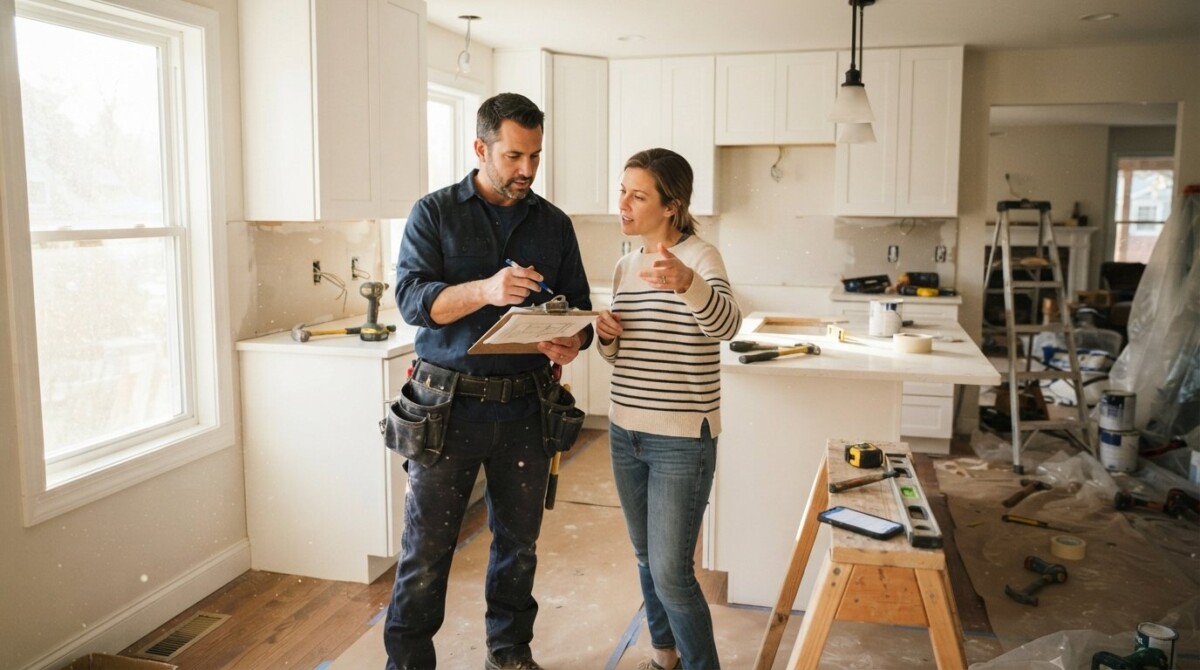
- Inspection and planning: A contractor measures the space, checks for underlying problems, and discusses your vision and budget.
- Material selection: They help you choose durable, cost-effective materials that match your style,like quartz countertops, luxury vinyl plank flooring, or energy-efficient windows.
- Permits and prep: Pros handle necessary permits, protect furniture, and set up a timeline to minimize disruption.
- Installation or renovation: Skilled tradespeople complete the work,whether it’s tiling, plumbing, carpentry, or painting,following safety codes.
- Final walkthrough: The contractor inspects every detail, fixes any issues, and ensures you’re satisfied before leaving.
A professional inspection can reveal hidden issues before they become expensive repairs. Compare contractor quotes here or call to discuss your project.
Warning Signs You Should Not Ignore
Your home often gives subtle clues that it needs attention. A musty smell in the bathroom might mean mold behind the walls. Doors that stick or won’t close properly indicate shifting foundations or humidity damage. And if your energy bills keep climbing despite normal usage, your home likely lacks proper insulation or has drafty windows.
Pay attention to visual cues too: peeling paint around windows, water stains on ceilings, or gaps in caulk around tubs and sinks. These aren’t just cosmetic flaws,they’re entry points for moisture, pests, and air leaks. Catching them early gives you a chance to fix the root cause before it spreads.
- Water stains or soft spots on walls, ceilings, or floors
- Persistent odors in bathrooms, basements, or kitchens
- Drafty windows or doors that make rooms uncomfortable
- Cracks in tile, grout, or caulk near wet areas
- Loose or squeaky floorboards, especially in high-traffic zones
- Flickering lights or outlets that feel warm to the touch
What Affects the Cost of Repairs or Installation
Several factors influence how much a small home transformation costs. The size of the project matters most,refinishing a single bathroom costs less than updating a kitchen. Materials also drive the budget: laminate flooring is cheaper than hardwood, and stock cabinets cost less than custom builds. Labor rates vary by region and contractor experience, so comparing quotes helps you find fair pricing.
Accessibility is another factor. If your home has tight spaces, old pipes behind walls, or asbestos in older flooring, preparation work adds time and expense. Similarly, homes built before 1980 may need electrical upgrades to meet modern codes. A professional inspection identifies these variables upfront, so you won’t face surprise costs mid-project.
Costs can vary depending on the condition of your home. The best way to know the price is to get a personalized estimate. Request free quotes from contractors or call today.
How to Choose the Right Contractor
Finding a reliable contractor for your small home transformation starts with research. Ask neighbors or friends for recommendations, then check online reviews on platforms like Google, Yelp, or the Better Business Bureau. Look for contractors who specialize in the type of work you need,a tile expert for bathrooms, a carpenter for custom shelving, or a general remodeler for whole-room updates.
Once you have a shortlist, interview each candidate. Ask about their experience with similar projects, request proof of insurance and licenses, and always get a detailed written estimate. A good contractor will explain their process, timeline, and how they handle unexpected issues. Don’t automatically choose the lowest bid,consider the value of experience, quality materials, and warranties.
- Verify licenses and insurance with your state or local contractor board
- Read customer reviews and ask for references from recent projects
- Request itemized estimates that break down materials, labor, and permits
- Compare at least three quotes to understand market rates
- Confirm the contractor has experience with your specific project type
Long-Term Benefits of Professional Work
Investing in professional small home transformations pays off in multiple ways. Safety improves when licensed contractors follow building codes, install proper ventilation, and use fire-resistant materials. Durability increases because pros use high-quality products and techniques,like waterproofing showers or reinforcing cabinets,that withstand daily wear for years.
Energy efficiency is another major benefit. New windows, better insulation, or LED lighting lower your utility bills and reduce your carbon footprint. These upgrades also boost home value: even a minor kitchen remodel recovers about 70% of its cost at resale, according to industry data. And finally, you gain peace of mind knowing the work is done right, with warranties that protect you if something goes wrong.
What is the easiest small home transformation?
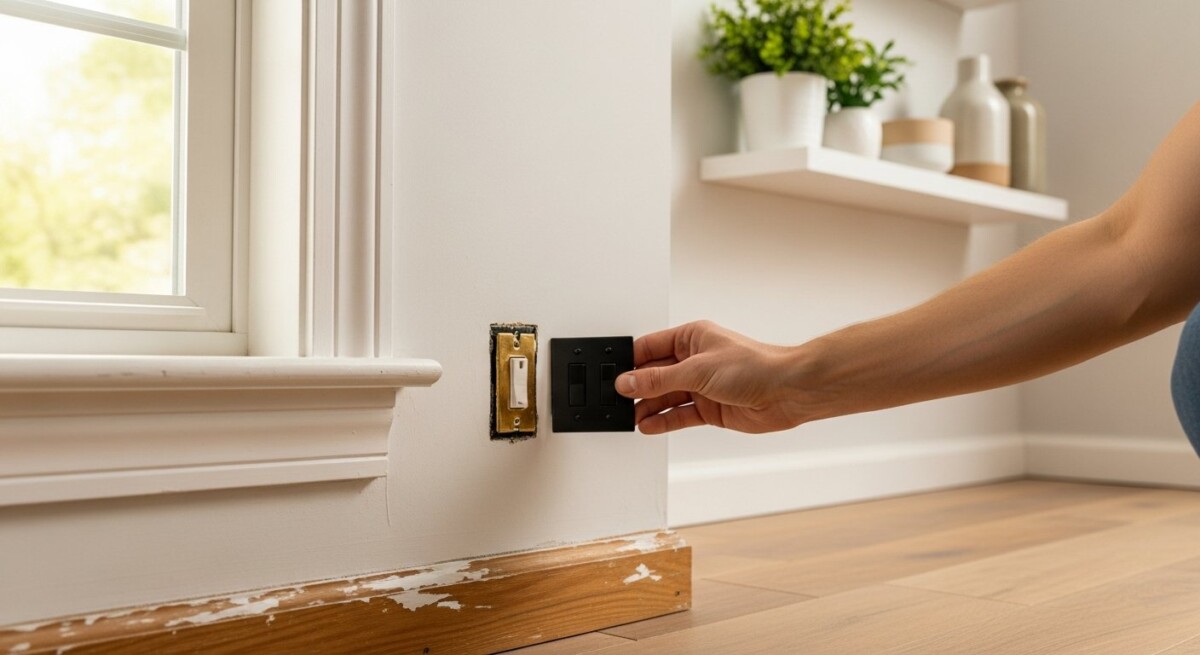
Painting walls, cabinets, or trim is often the simplest and most cost-effective transformation. A fresh coat of paint instantly brightens a room, covers stains, and updates the look without major expense. Other easy projects include replacing hardware (knobs, handles, faucets), adding new light fixtures, or installing peel-and-stick backsplash tiles.
How much does a small bathroom remodel cost?
Costs vary widely, but a minor bathroom remodel,replacing vanity, toilet, lighting, and fixtures,typically ranges from $3,000 to $8,000. If you also replace tile, shower, or bathtub, expect $6,000 to $15,000. Getting multiple quotes helps you find a price that fits your budget and project scope.
Can I transform my home on a tight budget?
Yes. Focus on high-impact, low-cost changes like painting, decluttering, adding mirrors to create space, or updating lighting. You can also refinish existing cabinets instead of replacing them, or install floating shelves for extra storage. Prioritize projects that improve function and appearance without requiring major structural work.
How long does a small kitchen update take?
A minor kitchen remodel,refacing cabinets, replacing countertops, and updating appliances,usually takes 2 to 4 weeks. Simple projects like painting cabinets or installing a backsplash can be done in a weekend. Timing depends on material availability, contractor schedule, and whether you need permits.
Do I need a permit for small home transformations?
Permits are often required for structural changes, electrical or plumbing work, and major additions. Cosmetic updates like painting, flooring, or cabinet refacing typically don’t need permits. Check with your local building department before starting any project to avoid fines or complications when selling your home.
Should I hire a contractor or do it myself?
If the project involves plumbing, electrical, or structural changes, hire a licensed contractor to ensure safety and code compliance. DIY works for simple tasks like painting, installing shelves, or swapping hardware. Consider your skill level, time, and tools,mistakes can cost more than hiring a pro.
How do I find a good contractor?
Start by asking for referrals from friends, family, or neighbors. Use online platforms like HomeRemodelingLeads to compare pre-screened contractors in your area. Always check licenses, insurance, and online reviews before hiring. A reliable contractor will provide a clear contract, timeline, and warranty.
What adds the most value to a home?
Kitchen and bathroom updates consistently offer the best return on investment. Energy-efficient improvements like new windows, insulation, or HVAC systems also boost value and appeal to buyers. Curb appeal projects,fresh paint, landscaping, or a new front door,deliver strong returns with relatively low costs.
Small home transformation ideas can refresh your space, protect your property, and increase comfort without breaking the bank. The key is addressing issues early and working with qualified professionals who deliver lasting results. Before you start any project, compare contractor quotes to understand your options and find the best fit for your home and budget.
About the Author: David