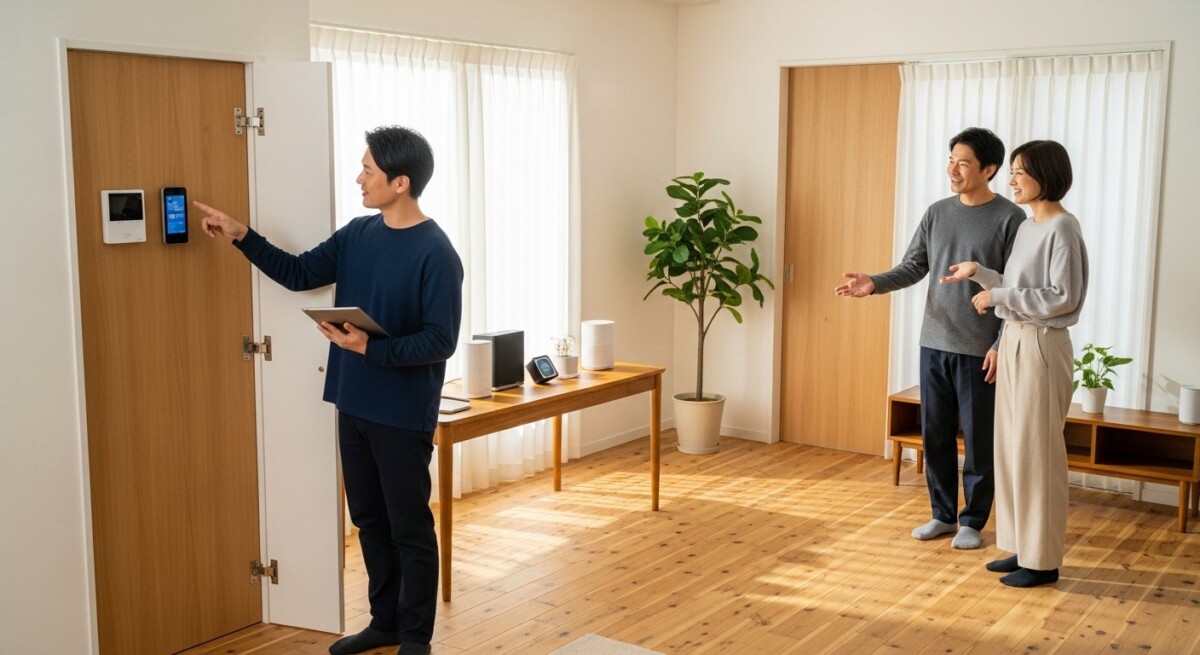
Smart Home Project Matching: Find the Right Contractor for Your Upgrade
You finally decide to turn your house into a smart home. You picture voice-controlled lights, a smart thermostat that learns your schedule, and a video doorbell that lets you see who’s at the front door from anywhere. But when you start researching smart home devices, you quickly realize something: not all smart home systems work together, and not every contractor knows how to install them properly. This is where smart home project matching becomes essential. It’s the process of connecting your specific upgrade goals with a contractor who has the right expertise,and if you ignore it, you could end up with a system that doesn’t talk to itself, or worse, an expensive redo.
Understanding Smart Home Project Matching
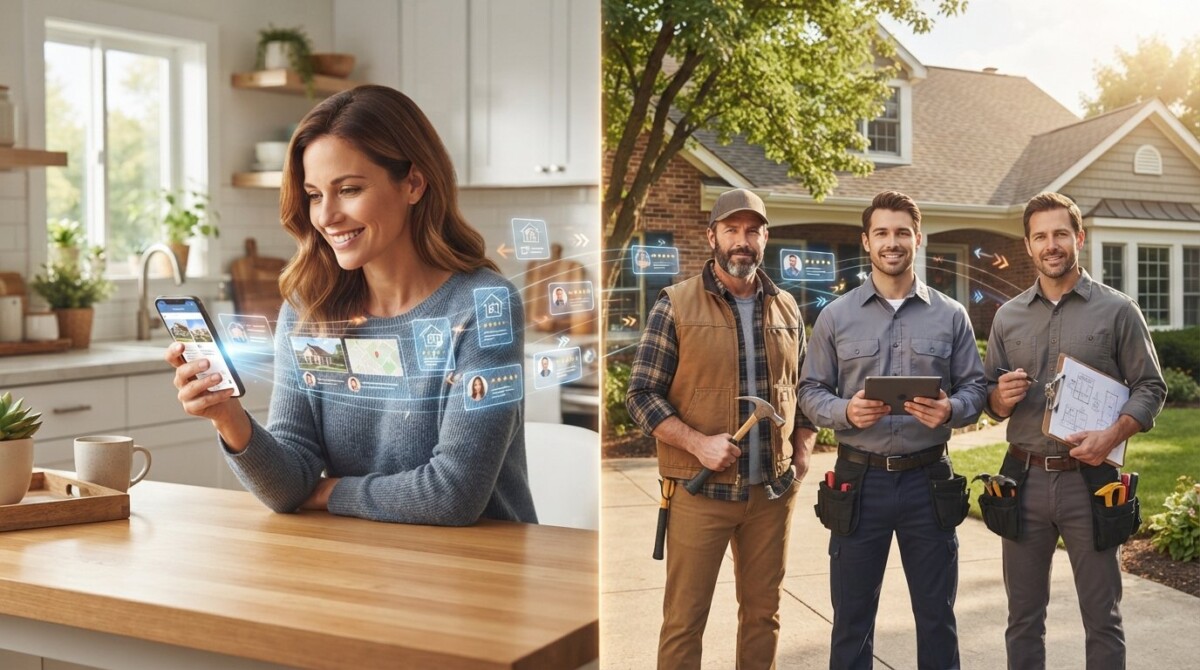
Smart home project matching simply means finding a contractor who has the exact skills needed for the smart home upgrades you want. Instead of hiring a general electrician for a whole-home automation system, you look for a pro who specializes in smart lighting, security, or energy management. The right match saves you time, money, and frustration.
Why does this matter? Because smart home technology evolves fast. A contractor who installed basic smart thermostats five years ago may not be up to date on today’s wireless protocols, voice assistant integrations, or hubless systems. Homeowners who skip the matching process often end up with incompatible devices, unreliable connections, or unfinished installations. Older homes with outdated wiring are especially vulnerable to mismatched projects.
How the Matching Process Works
In practice, smart home project matching involves three steps: defining your goals, researching compatible devices, and vetting contractors by their experience with those specific products. For example, if you want a full security system with cameras, motion sensors, and smart locks, you need someone who has installed that exact brand before. A mismatched contractor might get the hardware in place but fail to configure the app or integrate it with your existing voice assistant.
Why This Matters for Your Home
Getting the right contractor for your smart home project isn’t just about convenience,it affects your home’s safety, value, and long-term costs. A poorly installed smart lock could leave your front door vulnerable. A misconfigured thermostat might run your HVAC system inefficiently, driving up energy bills by hundreds of dollars a year. And if the work is done wrong, you may need to pay twice: once for the failed installation and again for the fix.
Property damage is another risk. Smart home devices often require running low-voltage wiring, drilling into walls, or mounting sensors in attics and crawl spaces. An inexperienced contractor might damage drywall, nick a water pipe, or create an electrical hazard. Over time, hidden issues like loose connections or improper sealing can lead to mold, short circuits, or fire risks. The cost of repairing those problems far exceeds the cost of hiring the right pro from the start.
Comfort also takes a hit. A smart home system that doesn’t work reliably is more frustrating than no smart system at all. Lights that flicker, sensors that false-alarm, and voice assistants that ignore commands turn your dream upgrade into a daily annoyance. Professional smart home project matching ensures the installation is smooth, the devices communicate properly, and your home actually becomes smarter,not more complicated.
If you notice signs of this issue in your home, it may help to speak with a qualified contractor. Request a free quote or call 1-800-555-0199 to explore your repair or remodeling options.
Common Problems Homeowners Experience
Homeowners who skip smart home project matching often run into the same frustrating issues. The most common complaint is devices that won’t integrate,your smart lights might work with Alexa but not Google Assistant, or your smart lock might require a separate hub that doesn’t connect to your Wi-Fi router. Another frequent problem is intermittent connectivity, where devices drop offline randomly, making them unreliable.
Then there are the installation errors. Contractors who aren’t familiar with smart home wiring might place sensors in the wrong spots, install switches that don’t fit standard junction boxes, or fail to secure low-voltage cables properly. These mistakes can cause devices to malfunction or create safety hazards. And because smart home technology is relatively new, many homeowners don’t know what to look for,so they don’t realize the work is subpar until after the contractor has left.
- Devices that don’t work with each other (no integration)
- Frequent Wi-Fi or Bluetooth dropouts
- Smart locks or cameras that stop responding
- Switches or outlets that don’t fit existing wall boxes
- Sensors installed in locations where they can’t detect motion or temperature properly
- Wires left exposed or poorly secured, creating trip or fire hazards
How Professionals Solve the Problem
Experienced smart home contractors follow a structured process to avoid these pitfalls. They start with a thorough assessment of your home’s existing wiring, Wi-Fi coverage, and structural layout. Then they design a system that uses compatible devices and a central hub (if needed) to ensure everything works together. Finally, they install the hardware, configure the software, and test every component before leaving.
- Site evaluation: The contractor inspects your home’s electrical system, Wi-Fi signal strength, and wall construction to plan the best installation approach.
- System design: They select devices that are compatible with each other and with your preferred voice assistant or app, creating a unified control plan.
- Professional installation: Devices are mounted securely, wiring is run neatly and safely, and all connections are tested for reliability.
- Configuration and training: The contractor sets up automation routines, user profiles, and security settings, then shows you how to use the system.
- Follow-up support: Many pros offer a warranty period and remote troubleshooting if any issues arise after installation.
Professional work is safer and more reliable than DIY because contractors carry liability insurance, know local building codes, and have experience with dozens of device brands. They can also spot potential problems,like weak Wi-Fi in a far corner of the house,and fix them before they cause issues. When you invest in smart home project matching, you’re paying for peace of mind as much as for the hardware.
A professional inspection can reveal hidden issues before they become expensive repairs. Compare contractor quotes here or call 1-800-555-0199 to discuss your project.
Warning Signs You Should Not Ignore
If your smart home system is already installed but isn’t working right, pay attention to the warning signs. A device that keeps disconnecting from the network is often a sign of poor placement or interference. Lights that flicker when you use voice commands may indicate a wiring issue. And if your smart thermostat can’t maintain the temperature you set, the problem could be a misconfigured sensor or an incompatible HVAC system.
Some signs are more subtle. For example, if your smart lock’s battery drains faster than expected, the installation may have a short circuit. If your security cameras record only half the room, the contractor likely mounted them in the wrong spot. Ignoring these issues can lead to bigger problems,like a dead battery during a power outage or a security gap that leaves your home vulnerable. Early action is the best way to protect your investment.
- Smart devices that frequently lose Wi-Fi connection
- Lights, locks, or cameras that respond slowly or not at all
- Batteries draining much faster than the manufacturer claims
- Unusual heat coming from smart switches or outlets
- Smart thermostat that can’t maintain a steady temperature
- Error messages in the app that you can’t resolve
What Affects the Cost of Repairs or Installation
The cost of a smart home installation,or fixing a bad one,depends on several factors. The size of your home matters because larger spaces require more devices, longer wiring runs, and sometimes additional Wi-Fi access points. The complexity of the system also plays a role: a single smart thermostat costs far less than a whole-home automation setup with lighting, security, and climate control.
Materials and labor are the two biggest line items. High-end devices from brands like Lutron, Control4, or Ring cost more than budget options, but they often offer better reliability and integration. Labor costs vary by region and by the contractor’s experience level. Accessibility matters too,if your attic is cramped or your walls are brick, installation takes longer and costs more. Older homes may need electrical upgrades to support modern smart devices, which adds to the total price.
Costs can vary depending on the condition of your home. The best way to know the price is to get a personalized estimate. Request free quotes from contractors or call 1-800-555-0199 today.
How to Choose the Right Contractor
Choosing the right contractor for your smart home project is the most important decision you’ll make. Start by looking for contractors who list smart home installation as a specialty,not just general electrical work. Check their website for specific brands they’ve worked with, and ask for photos or references from similar projects. A good contractor will be happy to share examples of their work.
Don’t rely on price alone. The cheapest bid might save you money upfront, but it could cost you more in repairs and replacements later. Instead, focus on experience, communication, and willingness to explain the process. A contractor who asks detailed questions about your goals and your home’s layout is more likely to deliver a system that works. Always get at least three quotes so you can compare not just prices but also the scope of work and warranty terms.
- Verify the contractor’s license and insurance before signing anything
- Read online reviews on Google, Yelp, or the Better Business Bureau
- Ask for a detailed written estimate that lists all devices, labor, and warranties
- Compare at least three quotes to understand the market rate
- Confirm the contractor has installed the specific brand or system you want
Long-Term Benefits of Professional Work
When you invest in professional smart home installation, the benefits go far beyond the first month of use. A properly installed system is safer because all wiring meets code and devices are securely mounted. It’s also more reliable,no random dropouts, no misconfigured sensors, no compatibility headaches. That means you actually enjoy using your smart home instead of troubleshooting it.
Durability is another major advantage. Professional-grade installation uses proper mounting hardware, cable management, and surge protection, which extends the life of your devices. And because the system is designed to grow with you, adding new devices later is simpler and less expensive. Over time, a smart home that’s installed correctly can increase your property value,especially if you ever sell. Buyers are willing to pay a premium for a home with integrated, professionally installed smart technology.
Energy savings also add up. A smart thermostat that’s properly calibrated can cut heating and cooling costs by 10,15%. Smart lighting with occupancy sensors reduces electricity waste. And a well-integrated system lets you monitor and control everything from your phone, so you never leave the AC running all day again. These savings help offset the upfront cost of installation, making professional smart home project matching a smart financial move in the long run.
What is the best way to find a contractor for a smart home project?
The best way is to use a platform that specializes in smart home project matching, like HomeRemodelingLeads. These services connect you with pre-vetted contractors who have experience with the specific devices and systems you want. You fill out a short form describing your project, and multiple contractors send you quotes. This saves you hours of research and ensures you’re comparing qualified pros.
How do I know if a contractor is qualified for smart home installations?
Look for contractors who list smart home automation as a service on their website or business profile. Ask them directly about their experience with your chosen brand,for example, “How many Ring doorbells have you installed?” or “Are you certified by Lutron?” A qualified contractor will also carry general liability insurance and have positive reviews from homeowners who did similar projects.
Can I install smart home devices myself to save money?
You can install some simple devices yourself, like a plug-in smart plug or a battery-powered video doorbell. But for hardwired devices,smart switches, thermostats connected to your HVAC, wired security cameras,DIY installation can be risky. Mistakes can damage your home’s electrical system, void warranties, or create safety hazards. For complex systems, professional installation is worth the investment.
What should I ask a contractor before hiring them for a smart home project?
Ask about their experience with your specific devices, how they handle Wi-Fi connectivity issues, what kind of warranty they offer on labor, and whether they provide post-installation support. Also ask for a written estimate that breaks down device costs, labor, and any additional fees. A good contractor will answer these questions clearly and in writing.
How long does a typical smart home installation take?
It depends on the scope of the project. A single smart thermostat can be installed in an hour. A whole-home system with lighting, security, and climate control can take two to five days. The contractor should give you a timeline during the quoting process. Complex installations in older homes may take longer because of necessary electrical upgrades.
Will my existing Wi-Fi support a smart home system?
Maybe, but not always. Many smart home devices require a strong, stable Wi-Fi signal, especially if you have multiple devices. If your router is old or located far from where devices will be installed, you may need a mesh Wi-Fi system or additional access points. A good contractor will test your Wi-Fi during the site evaluation and recommend upgrades if needed.
What happens if a smart home device stops working after installation?
If the device is under warranty, the manufacturer usually covers a replacement. If the issue is caused by improper installation,like a loose wire or wrong configuration,the contractor should fix it at no extra cost during the warranty period. That’s why it’s important to hire a contractor who offers a labor warranty, typically 1,2 years.
How much does a smart home installation cost on average?
Costs vary widely based on the size of your home and the complexity of the system. A basic setup with a smart thermostat, video doorbell, and a few smart bulbs might cost $500,$1,500 including installation. A full home automation system with lighting, security, motorized shades, and climate control can range from $5,000 to $20,000 or more. Getting multiple quotes is the best way to understand the price for your specific project.
Your smart home should make life easier, not more frustrating. By taking the time to match your project with the right contractor, you avoid the headaches of incompatible devices, shoddy installation, and wasted money. Whether you’re planning a single upgrade or a whole-home transformation, start by comparing quotes from qualified professionals. The right match makes all the difference.
About the Author: David