Smart Home Remodel Miami Florida Guide for 2026
Miami’s unique blend of Art Deco heritage, tropical climate, and modern coastal living creates specific demands for any home remodel. Miami Florida homeowners face challenges that set their projects apart from renovations in other cities: humidity control, hurricane preparedness, and a design aesthetic that balances indoor-outdoor living. Whether you are updating a Coral Gables bungalow or a Brickell high-rise condo, every decision from materials to contractor selection must account for these local realities. This guide walks through the critical steps of planning a home remodel in Miami Florida, from budgeting and permitting to choosing the right professionals who understand the local market.
Understanding Miami’s Remodeling Landscape
Miami’s housing stock spans decades of architectural trends, from 1920s Mediterranean Revival to 2000s contemporary condos. Each era brings distinct structural considerations. Older homes often require foundation work and electrical upgrades to meet current codes, while newer units may need cosmetic updates that respect strict HOA guidelines. The subtropical climate accelerates wear on roofing, windows, and exterior finishes, making material durability a top priority.
Another layer of complexity is the regulatory environment. Miami-Dade County enforces some of the nation’s strictest building codes, especially for wind resistance and flood mitigation. Permits are required for most structural changes, electrical work, plumbing, and even some cosmetic renovations. Homeowners who skip this step risk fines, insurance issues, and complications when selling the property. Working with a contractor who regularly navigates Miami’s permitting system saves time and prevents costly rework.
Budget expectations also differ here. Labor costs in Miami tend to run higher than the national average due to demand and the specialized skills required for hurricane-resistant construction. Material costs fluctuate based on import availability, as much of the region’s lumber and stone arrives through nearby ports. A realistic budget for a mid-range kitchen remodel in Miami Florida typically starts at $25,000 to $40,000, while a full bathroom renovation ranges from $12,000 to $25,000. These figures can climb significantly for luxury finishes or structural changes.
Planning Your Project Scope and Priorities
Before contacting contractors, define your project scope with precision. A vague plan leads to change orders, which inflate costs and extend timelines. Start by listing your non-negotiables: which rooms must be updated, what problems need solving (leaky windows, outdated wiring, cramped layouts), and what aesthetic direction you prefer. Miami’s design trends lean toward open floor plans, impact-resistant windows, and materials that resist mold and salt corrosion.
Once your list is complete, separate wants from needs. Needs include code compliance, structural repairs, and systems upgrades. Wants cover cosmetic features like custom cabinetry, premium countertops, or luxury fixtures. This distinction helps when budget cuts become necessary. A smart order of operations starts with structural and mechanical work, moves to insulation and drywall, then finishes with flooring, paint, and fixtures. Skipping this sequence risks damaging new finishes during later phases.
Timeline expectations matter as much as budget. A full home remodel in Miami Florida typically takes three to six months for a single floor, depending on scope and permit approval speed. Permit review alone can take four to eight weeks in Miami-Dade. Factor in material lead times, especially for custom windows or imported tile. Build a buffer of two to four weeks into your schedule for unexpected delays like weather events or inspection rescheduling.
Choosing the Right Contractor for Miami Conditions
Selecting a contractor is the most consequential decision in your remodel. The right professional brings local knowledge, licensed tradespeople, and a network of reliable suppliers. Start by verifying credentials: a Florida Certified General Contractor license, liability insurance, and workers’ compensation coverage are non-negotiable. Ask for references from recent Miami projects, ideally ones similar in scope and budget to yours.
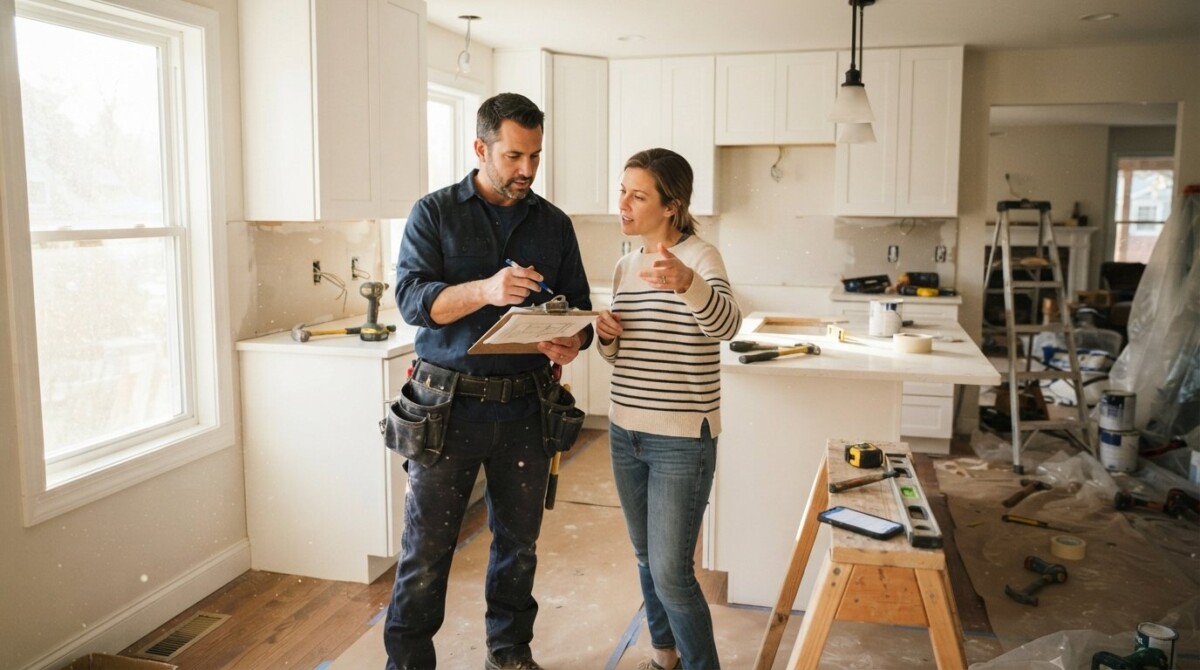
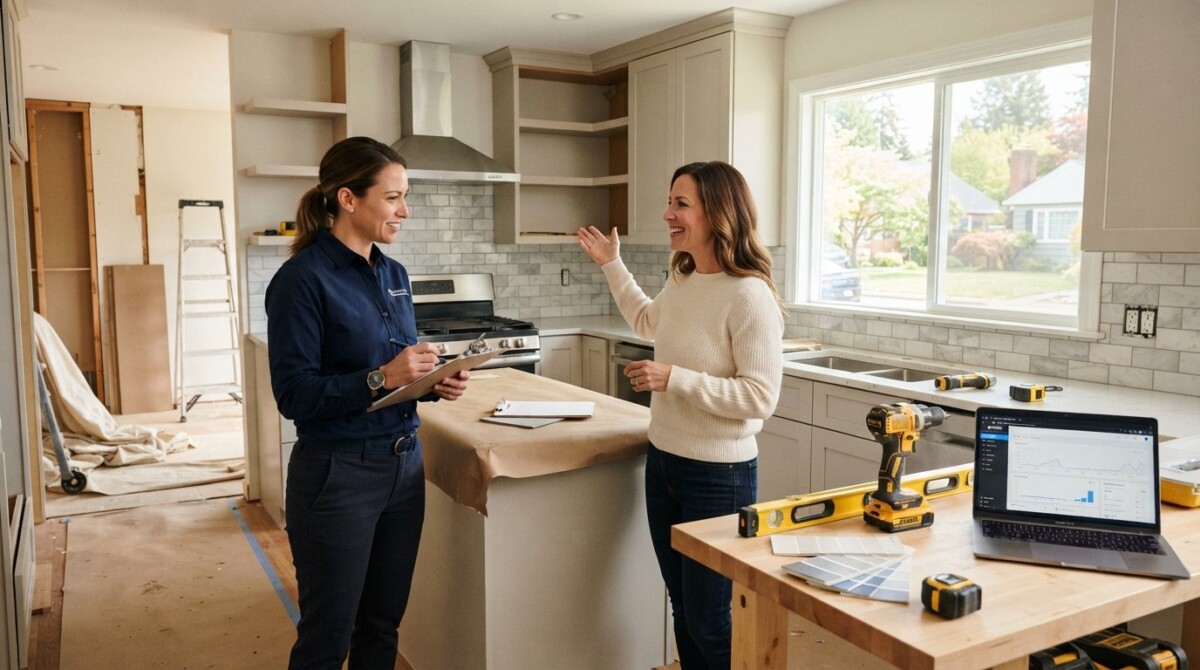
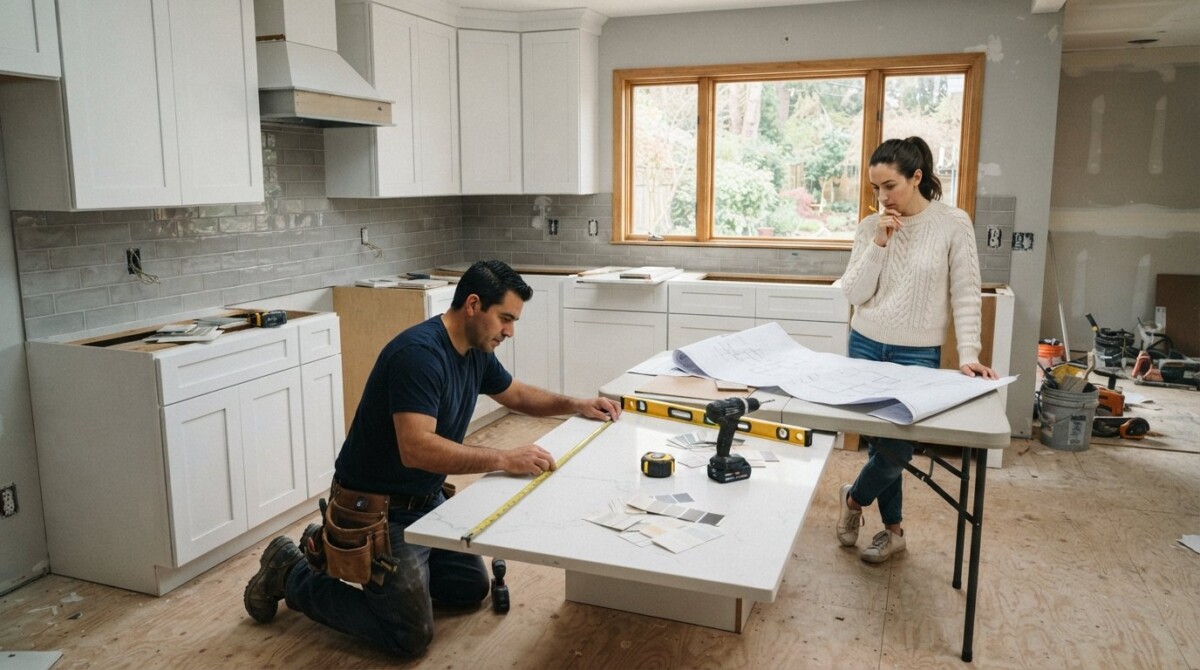
Interview multiple contractors and compare their approach to your project. A reputable contractor will visit your home, take measurements, and discuss your goals in detail before providing a written estimate. Be wary of contractors who give quotes over the phone or demand large upfront deposits. Standard practice in Florida is a down payment of 10 to 20 percent, with progress payments tied to completed milestones.
For homeowners seeking reliable contractors, platforms that provide pre-qualified leads bridge the gap between vetted professionals and renovation projects. In our guide on finding quality home remodeling leads, we explain how to evaluate contractor backgrounds and compare bids effectively. This approach saves hours of research and connects you with contractors who actively seek work in your area.
Contractors who specialize in Miami remodeling understand local nuances: the importance of impact-resistant windows, the need for proper moisture barriers, and the correct way to seal exterior walls against hurricane-force winds. They also maintain relationships with building inspectors and know which permit offices process applications fastest. This local expertise directly affects your project’s timeline and final quality.
Navigating Permits and Building Codes
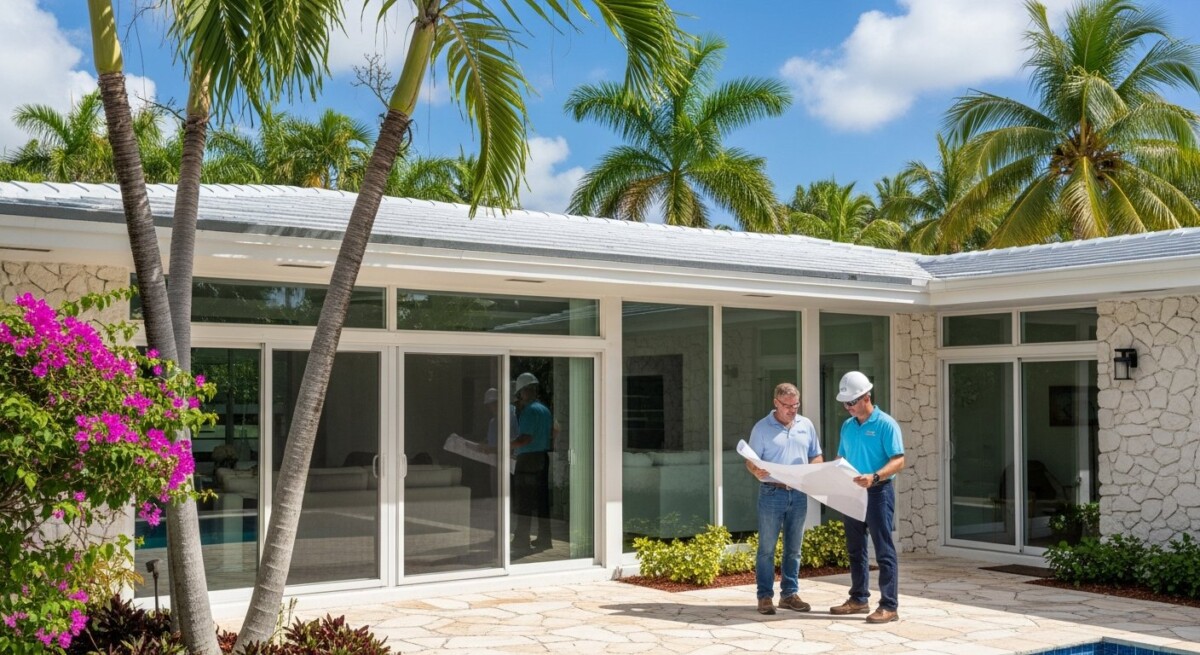
Miami-Dade County requires building permits for most remodeling work, including kitchen and bathroom renovations, window replacements, roof repairs, and electrical or plumbing changes. Cosmetic updates like painting or cabinet refacing may not require permits, but anything affecting the structure or systems does. The permitting process ensures your remodel meets safety standards for wind resistance, electrical load, and flood elevation.
The application process starts with submitting detailed plans to the local building department. Plans must include floor layouts, structural calculations, and specifications for materials. Many homeowners hire an architect or designer to prepare these documents. Permit fees vary by project value but typically range from $500 to $2,000 for residential remodels. Review times range from two to eight weeks, depending on the complexity and current workload of the permit office.
Inspections occur at multiple stages: foundation, framing, rough-in for electrical and plumbing, insulation, and final approval. Each inspection requires the contractor to be present and pass before work continues. Failing an inspection triggers a re-inspection fee and delays the schedule. A contractor with a strong track record in Miami knows exactly what inspectors look for and prepares accordingly.
Homeowners who attempt unpermitted work face serious consequences. Insurance companies may deny claims for damage related to unpermitted renovations. When selling the property, undisclosed work can derail transactions or force costly retroactive permits. Investing in proper permitting upfront protects your investment and ensures your home remodel in Miami Florida adds value rather than liability.
Designing for Miami’s Climate and Lifestyle
Miami’s environment demands materials and layouts that perform under intense sun, high humidity, and occasional hurricanes. Impact-resistant windows and doors are not just a safety feature but often a requirement for insurance discounts and code compliance. Look for products rated for Miami-Dade County’s large-missile impact test, which simulates debris hitting windows at high wind speeds.
Flooring choices should prioritize moisture resistance. Porcelain tile, luxury vinyl plank, and sealed concrete outperform hardwood and laminate in Miami’s humidity. If you prefer natural stone, choose granite or quartzite over marble, which stains and etches easily in this climate. For outdoor spaces, consider porcelain pavers or travertine that stay cool underfoot and resist mold growth.
Interior layouts that embrace natural light while controlling heat gain work best in Miami. Large windows with low-E coatings reduce UV damage to furnishings and lower cooling costs. Open floor plans that connect kitchens, dining, and living areas suit Miami’s indoor-outdoor entertaining culture. Sliding glass doors that open to a patio or pool deck extend usable square footage and improve ventilation.
Color palettes in Miami lean toward whites, beiges, and soft grays, often accented with tropical blues or greens. These colors reflect heat and create a sense of spaciousness. Matte finishes on cabinets and countertops hide fingerprints and smudges better than high-gloss options. For countertops, quartz offers durability and stain resistance without the maintenance requirements of natural stone.
Budgeting and Financing Your Remodel
Creating a realistic budget requires more than a lump sum number. Break down costs into categories: design and permits, structural work, systems (electrical, plumbing, HVAC), finishes, fixtures, appliances, and contingency. A 15 to 20 percent contingency fund is standard for Miami remodels, covering unexpected issues like termite damage found during demolition or code upgrades required mid-project.
Financing options vary based on your equity and credit profile. Cash-out refinancing, home equity loans, and home equity lines of credit are common choices for major remodels. Personal loans or credit cards work for smaller projects but carry higher interest rates. Some contractors offer financing through third-party lenders, but compare terms carefully before committing.
Return on investment matters if you plan to sell within five years. In Miami, kitchen and bathroom remodels typically recoup 60 to 80 percent of their cost at resale. Energy-efficient upgrades like impact windows and solar panels can yield higher returns due to utility savings and buyer demand. A well-executed home remodel in Miami Florida that respects the neighborhood’s character and current market trends adds long-term value beyond the initial investment.
Track every expense during the project. Use a spreadsheet or project management app to log payments, change orders, and material costs. This record helps you stay within budget and provides documentation for tax purposes if the remodel qualifies for energy credits or medical necessity deductions.
Working With a Lead Service to Find Contractors
Finding qualified contractors in a competitive market like Miami takes effort. Online directories, referrals, and social media produce mixed results. Many homeowners spend weeks vetting candidates only to discover scheduling conflicts or mismatched expertise. A more efficient path involves using a lead generation service that connects you with contractors actively seeking work in your area.
HomeRemodelingLeads screens contractors for licensing and insurance before listing them on the platform. When you submit your project details, the system matches you with professionals who have capacity and relevant experience. This eliminates the guesswork of cold-calling contractors from online searches. You receive quotes from pre-qualified providers who understand Miami’s permitting process and material requirements.
For those considering the business side of remodeling, understanding home remodeling lead trends helps predict demand for specific services. Kitchen and bathroom remodels consistently generate high-intent leads in Miami, along with window replacement and roof repairs. Knowing these patterns helps contractors allocate their marketing budget effectively and helps homeowners understand which projects are in high demand among quality professionals.
When you find a contractor through a lead service, treat the relationship professionally. Provide clear plans, respond to questions promptly, and make payments on schedule. A smooth working relationship encourages the contractor to prioritize your job and communicate openly about challenges. The lead service model works best when both parties commit to transparency and cooperation.
For contractors reading this, the ability to buy quality home remodeling leads transforms how you build your pipeline. Instead of spending hours on cold outreach, you receive pre-screened prospects who have already expressed interest in remodeling services. This efficiency lets you focus on delivering excellent work rather than chasing leads. In a market like Miami where competition is fierce, access to reliable leads gives you a clear advantage.
Managing the Renovation Process Day to Day
Once construction begins, communication becomes your most important tool. Establish a weekly check-in with your contractor to review progress, upcoming tasks, and any issues. Use email or a project management app to document decisions and approvals. Verbal agreements lead to misunderstandings; written records keep everyone aligned.
Prepare for disruption. Your home will be dusty, noisy, and at times inaccessible. Set up a temporary kitchen if renovating that space, and designate a clean zone for sleeping and relaxing. If the remodel affects bathrooms, ensure at least one remains functional throughout the project. Consider staying with family or renting a short-term apartment during the most invasive phases.
Inspections mark critical milestones. Schedule them early and confirm that the contractor has corrected any issues before the inspector arrives. Failed inspections waste time and money. A contractor who communicates proactively about inspection readiness reduces these risks.
Change orders are inevitable in most remodels. When you decide to upgrade a fixture or move a wall, get a written quote for the change before approving the work. Some changes affect the timeline, so ask for a revised completion date. Keep a running list of approved change orders with their costs and schedule impacts. This discipline prevents budget creep and keeps the project on track.
Final walkthroughs should happen before making the last payment. Inspect every detail: paint edges, tile grout lines, cabinet door alignment, light switch operation, and plumbing pressure. Create a punch list of items that need correction and agree on a timeline for completion. Do not release final payment until all items are resolved to your satisfaction.
Miami’s remodeling market rewards homeowners who plan thoroughly, choose experienced professionals, and stay engaged throughout the process. The combination of strict building codes, climate demands, and design expectations creates a challenging but rewarding renovation environment. By following the steps outlined here, you position your project for success from the first sketch to the final walkthrough.
Investing time upfront in contractor selection, permit preparation, and budget planning saves money and stress later. The result is a home remodel in Miami Florida that stands up to the elements, reflects your personal style, and adds lasting value to your property. Whether you are refreshing a single bathroom or transforming your entire home, the principles remain the same: know your goals, work with qualified professionals, and respect the unique conditions that make Miami a one-of-a-kind place to live.
About the Author: Mason Caldwell