Storm Damage Roofing Leads: Respond Fast, Win More Jobs
Storm damage roofing leads how to respond fast: build a rapid-response system that wins more claims. Call 5106637016 for help scaling your pipeline.

By Nathan Adler
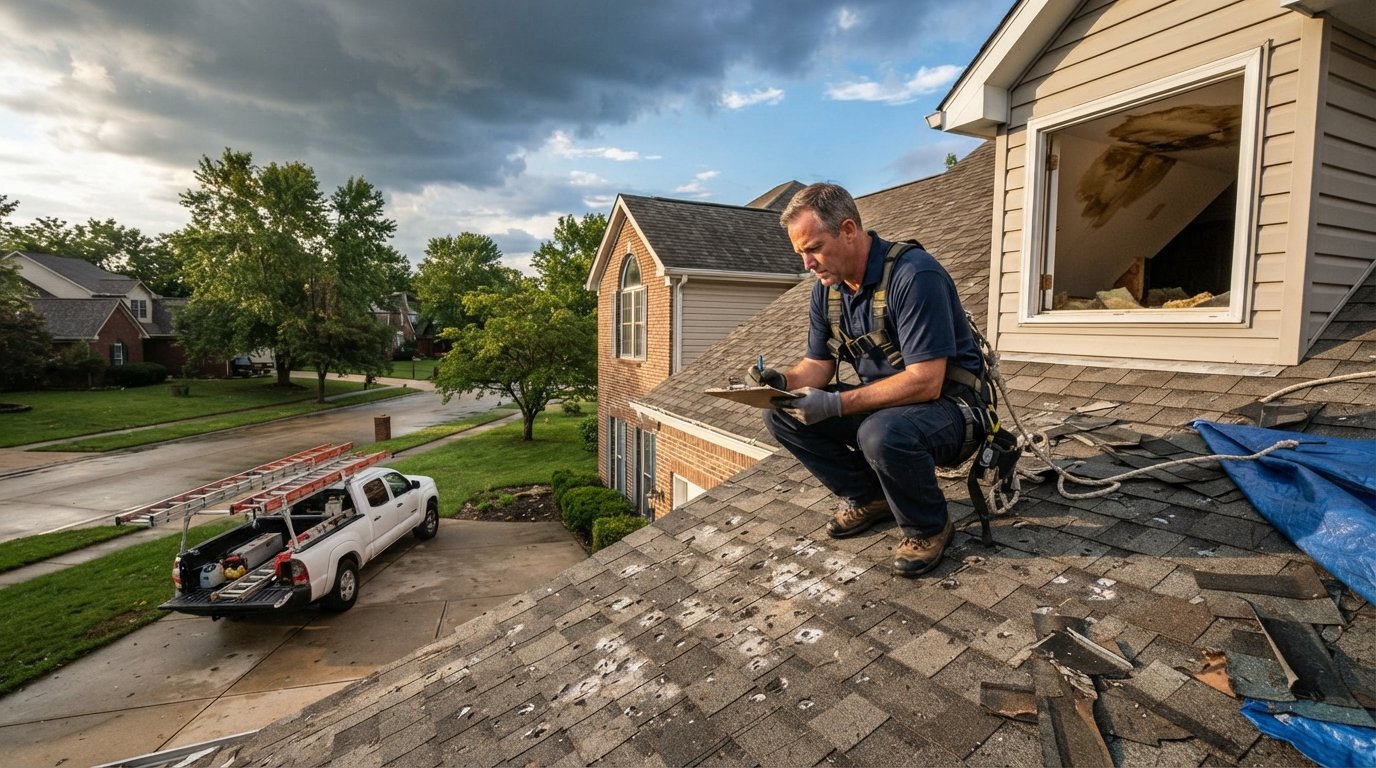
A single hailstorm can turn a quiet week into a flood of phone calls, and the contractors who win those jobs are rarely the ones with the biggest trucks. They are the ones who respond first, follow up with a real system, and treat every storm damage inquiry like a perishable asset. If you are buying or generating storm damage roofing leads, speed is not a nice-to-have virtue, it is the entire business model. Homeowners with a tarp on the roof and water staining the ceiling are not comparison shopping for three weeks. They are calling the first three roofers who answer, and they are often signing with the first one who shows up with a clipboard and a clear explanation.
That reality creates both an opportunity and a trap. The opportunity is that storm events create sudden, concentrated demand that a well-prepared contractor can capture in days rather than months. The trap is that most roofing companies respond to a surge the same way they respond to normal volume: slowly, manually, and inconsistently. This guide breaks down how to respond fast to storm damage roofing leads, from the moment severe weather hits your service area to the moment you close the estimate and schedule the crew.
Why Speed Decides Who Wins Storm Damage Roofing Leads
The math behind response time is brutal and simple. A homeowner who files a claim after a storm is usually working against a deadline set by their insurer, their patience, and the number of neighbors dealing with the same damage. When dozens of houses on one street have torn shingles or dented gutters, every roofer in the county gets the same list of opportunities. The difference between a 15 minute response and a 4 hour response is often the difference between a signed contract and a voicemail that never gets returned.
There is also a trust dimension. Storm damage is emotionally charged. Homeowners worry about leaks, mold, insurance denials, and being taken advantage of by out-of-state crews that disappear after the check clears. A fast, professional response signals competence and local accountability. When you call back within minutes, introduce yourself by name, and explain exactly what happens next, you separate yourself from the storm chasers before you ever knock on the door.
Speed also compounds through referrals. If you handle three houses on a street quickly and professionally, the fourth and fifth homeowners will call you directly. In storm restoration, one fast response can turn into an entire subdivision of work, which is why the operational discipline below matters more than any single marketing channel.
In our guide on finding reliable roofing leads in Houston Texas, we explain how storm-prone markets reward contractors who build rapid-response systems before the weather turns, and the same logic applies in every hail belt and hurricane corridor.
Build a Storm Response Plan Before the Storm Arrives
The worst time to design your storm response process is the morning after a major weather event, when your phone is already ringing and your office manager is fielding calls with a notepad. Fast response is a pre-built machine, not a heroic effort. Before the next storm season, decide who answers leads, what they say, how leads get routed to inspectors, and how follow-up happens when the first call goes unanswered.
A practical storm response plan covers four moving parts: intake, triage, scheduling, and follow-up. Intake is where leads enter your business, whether from purchased storm damage roofing leads, your website form, or a referral. Triage is how you decide which leads get same-day attention. Scheduling is how inspections land on a calendar without double-booking. Follow-up is what happens when a homeowner does not answer, which in storm season is extremely common because they are on the phone with their insurance company.
Write the plan down and assign names to each role. A plan that lives only in the owner's head collapses the moment volume triples. Here is a simple framework you can adapt:
- Designate a storm lead coordinator who owns every incoming inquiry and logs it in your CRM within 5 minutes.
- Set a response standard: first contact attempt within 5 minutes for purchased leads and within 15 minutes for web form submissions.
- Create a three-touch sequence for unanswered calls: call, text, call again, spaced 10 to 15 minutes apart.
- Pre-build inspection routes by ZIP code so inspectors are not driving across three counties in one day.
- Prepare a storm-specific script and a one-page homeowner checklist that explains the claims process.
Once this framework exists, a storm becomes an execution problem rather than a crisis. Your team knows exactly what to do, and you can scale by adding inspectors and temporary call support instead of reinventing your process under pressure.
Respond Within Minutes: The First Contact Playbook
The first contact is where most storm damage roofing leads are won or lost. Homeowners expect a human voice, not a voicemail box. When you call a lead, lead with empathy and specifics rather than a sales pitch. Acknowledge the storm, confirm you serve their area, and tell them what you will do next. Something as simple as "I saw the hail hit your neighborhood yesterday, I am local, and I can have an inspector at your home this afternoon" outperforms any scripted pitch about premium materials.
If the homeowner does not answer, do not wait an hour to try again. Storm leads are perishable. Send a text immediately that identifies you, your company, and a specific time window for an inspection. Then call again 10 to 15 minutes later. Many homeowners will respond to a text while they are on hold with their insurer, and a fast text often revives a lead that a single call would have lost.
During the first conversation, collect the information your inspector needs: address, roof age, visible damage, insurance carrier, claim number if one exists, and whether they have already signed with another contractor. Do not pressure the homeowner into a decision on the first call. Your goal is to book the inspection, not to close the job over the phone. Contractors who push too hard on the first contact often lose the lead to a competitor who simply sounded calmer and more helpful.
This is also the moment to set expectations about the insurance process. Explain that you will document the damage thoroughly, provide photos and measurements, and give them a written estimate they can submit with their claim. Homeowners who understand the process are far less likely to panic and sign with the first crew that knocks on their door.
Qualify Storm Damage Roofing Leads Without Slowing Down
Fast response does not mean chasing every inquiry with equal effort. Storm events attract a mix of legitimate claims, price shoppers, and homeowners who are not actually ready to hire. The skill is qualifying quickly without creating friction. Ask three or four questions that separate serious leads from tire kickers: Is the damage visible from the ground? Has the homeowner filed a claim? Is the home owner-occupied? When are they available for an inspection?
Leads that pass this quick screen should be routed to an inspector immediately. Leads that fail should be placed in a nurture sequence rather than discarded, because storm claims often take weeks to approve. A homeowner who is waiting on an adjuster today may be ready to sign in 10 days, and the contractor who stayed in touch will get that call.
When you buy leads through a platform like HomeRemodelingLeads, you can often filter by category and geography, which reduces the time you spend on leads outside your service area. Lead quality varies by source, so track your close rate by source and by storm event. If one ZIP code consistently produces signed contracts and another produces nothing but dead ends, adjust your targeting before the next storm rather than after.
Qualification also protects your inspectors. Sending a crew to a home where the homeowner has no intention of filing a claim wastes the most expensive hour in your business. A two minute phone screen is far cheaper than a two hour drive.
Route Inspections and Estimates for Same-Day Turnaround
In storm restoration, the inspection is the sale. Homeowners sign with the contractor who shows up, documents the damage clearly, and explains the claim process in plain language. To respond fast, you need inspection capacity that scales with storm volume. That means cross-training office staff, partnering with trusted independent adjusters or inspectors, and pre-building routes so inspectors work in clusters rather than zigzagging across the metro.
Same-day turnaround is achievable when you prepare in advance. Keep a storm kit in every truck: ladders, drones if you use them, photo documentation templates, moisture meters, and printed checklists for homeowners. An inspector who arrives with everything needed to document a claim finishes faster and looks more professional than one who has to improvise.
After the inspection, deliver the estimate within 24 hours, ideally the same day. Homeowners who wait three days for a number often sign with someone else in the meantime. A written estimate that includes photos, measurements, and a clear scope of work also strengthens the homeowner's insurance claim, which builds loyalty and generates referrals.
If your storm volume exceeds your inspection capacity, consider bringing in additional sales support or partnering with a lead exchange to focus your efforts on the highest-intent opportunities. Platforms such as MortgageLeads serve a similar function in the lending space, connecting professionals with high-intent consumers in real time, and the same principle applies to roofing: intent plus speed equals conversion.
Follow Up Relentlessly Without Becoming a Nuisance
Most storm damage roofing leads do not close on the first contact. Homeowners get busy, adjusters reschedule, and family emergencies take priority. Contractors who follow up consistently win the jobs that everyone else abandoned. The key is to follow up with value rather than pressure. Send claim status reminders, offer to review the adjuster's report, and check in after weather events that could worsen existing damage.
A simple follow-up cadence for storm leads looks like this: contact on day one, day three, day seven, day fourteen, and day thirty, with a mix of calls, texts, and email. After day thirty, move the lead into a long-term nurture list and check in monthly until the claim is resolved or the homeowner hires someone else. This cadence sounds aggressive, but in storm restoration it is simply professional persistence. Homeowners often thank the contractor who stayed in touch when their first choice disappeared.
Track every touch in your CRM so nothing falls through the cracks. If you are running a small operation, even a shared spreadsheet with columns for lead source, contact date, next action, and status will outperform memory. The contractors who lose storm leads are almost never beaten on price. They are beaten on follow-through.
Turn Fast Response Into Long-Term Growth
Storm season is a stress test for your entire business, and the contractors who pass it come out with more than a few extra roofs. They come out with a repeatable rapid-response system, a stronger reputation in storm-hit neighborhoods, and a pipeline of referrals that carries them through the slow months. The same discipline that wins a hail claim in April wins a retail replacement in October.
Invest in the boring infrastructure: a CRM, a written response plan, trained staff, and a reliable lead source. Then measure everything, from first-contact time to inspection-to-close rate, and improve one number at a time. When the next storm hits, you will not be scrambling. You will be scheduling.
If you want to fill your pipeline before the weather turns, start by building relationships with a lead provider that understands storm-driven demand and can deliver high-intent roofing leads when you need them most. Fast response is a choice you make in advance, and it is the single biggest advantage you can build in storm damage roofing.