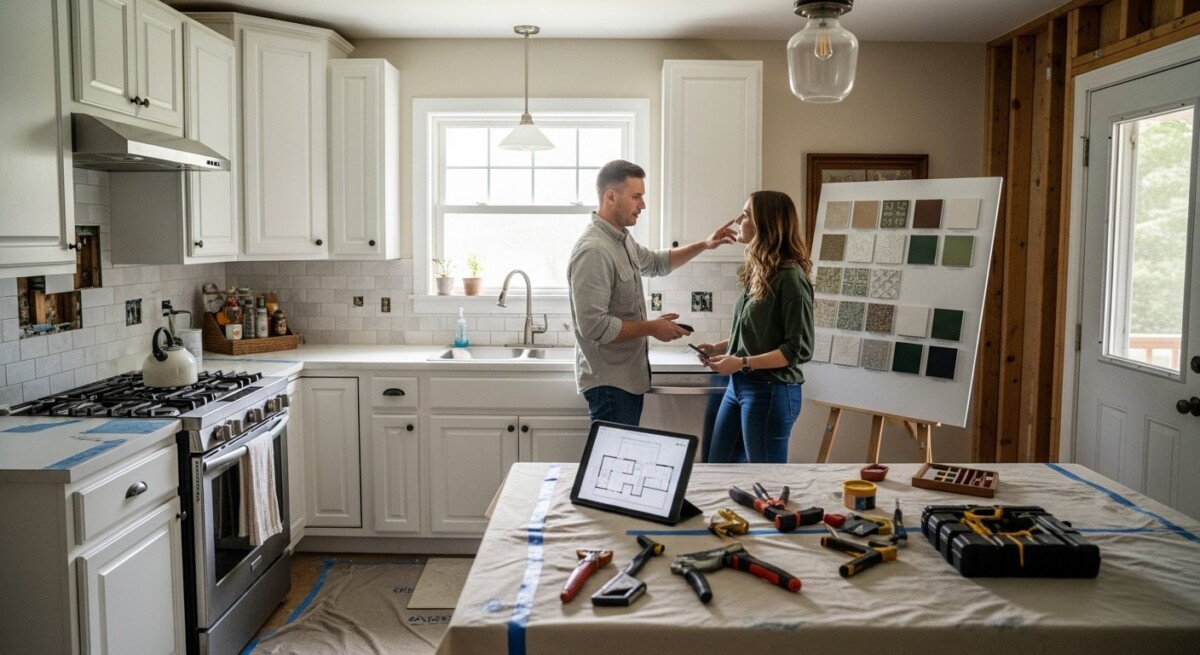

Understanding Home Remodeling Lead Exchange for Homeowners
You’ve finally decided to tackle that kitchen renovation or bathroom update you’ve been dreaming about. You start researching contractors, but quickly feel overwhelmed by the options. You might wonder how to find the right professional without getting endless sales calls or sharing your information with dozens of strangers. This common dilemma is at the heart of understanding home remodeling lead exchange, a process that connects homeowners with contractors. Ignoring how this system works can lead to frustrating experiences, wasted time, and potentially hiring someone who isn’t the best fit for your project.
Understanding Home Remodeling Lead Exchange
In simple terms, a home remodeling lead exchange is a service or marketplace that connects homeowners who need work done with qualified contractors looking for projects. Think of it as an introduction service for your home improvement needs. You, as a homeowner, provide basic details about your project. The service then shares that information, or “lead,” with a network of pre-screened contractors who are interested in your type of job.
This happens because finding the right contractor can be time-consuming for both parties. Contractors spend a lot of effort marketing and looking for new clients. A lead exchange streamlines this by bringing projects directly to them. For you, it means your project details are sent to several professionals at once, saving you from making countless phone calls and repeating your story.
This system is most commonly used for specific, planned projects like bathroom remodels, kitchen updates, room additions, or window replacements. It’s less about emergency repairs and more about planned improvements where you have time to compare options and get multiple quotes.
Why This Matters for Your Home
Choosing the right contractor is one of the most critical decisions in any remodeling project. The quality of the connection you make can directly impact the safety, value, and success of your home improvement. A poor match can lead to miscommunication, subpar work, budget overruns, and significant stress.
Using a reputable lead service can help filter out unqualified or unreliable contractors before they ever reach you. Many services verify licenses, insurance, and reviews. This vetting process adds a layer of protection, giving you a better starting point than a random online search. It’s about increasing your chances of finding a professional who will do the job right the first time, protecting your biggest investment,your home.
If you notice signs of this issue in your home, it may help to speak with a qualified contractor. Request a free quote or call to explore your repair or remodeling options.
Common Problems Homeowners Experience
Without a clear path to find contractors, homeowners often face several predictable hurdles. The most common is simply not knowing where to start. You might get a recommendation from a neighbor, but that contractor could be booked for months. Or, you might find someone online with no verifiable track record in your community.
These challenges can delay your project, lead to rushed decisions, or result in hiring someone based on price alone. Understanding how to navigate the contractor search effectively is key to avoiding these pitfalls. For a deeper look at the homeowner’s perspective in this process, our guide on how homeowners participate in lead exchange breaks it down step-by-step.
- Information Overload: Too many options from general online searches with no way to compare them fairly.
- Unverified Contractors: Contacting businesses that may not be properly licensed, insured, or experienced for your specific job.
- Wasted Time: Spending hours on the phone repeating project details only to find the contractor isn’t available or doesn’t do that type of work.
- Pressure to Decide: Feeling rushed by the first contractor who shows up, without the chance to get other estimates.
- Scope Mismatch: Hiring a great handyman for a job that requires a specialized remodeling team, or vice versa.
- Price Confusion: Receiving quotes that vary wildly with no clear explanation of the differences in materials or labor quality.
How Professionals Solve the Problem
Experienced contractors use lead services as a tool to find serious, ready-to-act homeowners. From their side, a quality lead means a detailed project description, a realistic budget range, and a homeowner who is genuinely seeking quotes. This allows them to prepare properly for an estimate visit and provide a more accurate and thoughtful proposal.
When you use a reputable exchange, you benefit from this efficiency. The contractor knows you are comparing quotes, which encourages them to provide their best service and competitive pricing upfront. The process is designed to create a fair, transparent starting point for both parties. If you’re curious about the contractor’s side of finding projects, our article on how contractors find local remodeling leads offers useful insight.
- Project Submission: You submit your project details (type, scope, timeline) through a secure form.
- Contractor Matching: The service matches your project with 3-4 local contractors who specialize in that work and are vetted.
- Initial Contact: Those contractors receive your lead and will contact you directly to schedule a consultation.
- On-Site Consultation: Contractors visit your home to see the space, discuss your vision, and ask detailed questions.
- Quote Delivery: You receive written, itemized estimates from each contractor, allowing for an apples-to-apples comparison.
- Decision & Scheduling: You choose the contractor that best fits your budget, timeline, and communication style, and work begins.
A professional inspection can reveal hidden issues before they become expensive repairs. Compare contractor quotes here or call to discuss your project.
Warning Signs You Should Not Ignore
While a lead exchange is a tool for planned projects, the need for a contractor can sometimes arise urgently. Certain home issues signal that professional help is needed soon, and delaying can turn a simple repair into a major, costly remodel. It’s important to recognize these signs early.
Acting quickly when you see these warnings can save you thousands of dollars and prevent damage to your home’s structure and value. A small leak today can cause rot, mold, and foundation issues tomorrow. Using a trusted service to find a pro quickly is a smart move.
- Persistent Moisture or Leaks: Water stains on ceilings or walls, or a musty smell in a bathroom or basement.
- Outdated or Failing Systems: A kitchen with original 1970s plumbing and wiring, or a bathroom with crumbling tile and grout.
- Inefficiency and High Bills: Drafty windows, poor insulation, or an ancient HVAC system driving up your energy costs.
- Lack of Functionality: A kitchen layout that doesn’t work for your family, or a bathroom that’s unsafe for aging relatives.
- Visible Structural Concerns: Cracks in foundation walls, sagging floors, or doors/windows that no longer close properly.
- Pre-Purchase Planning: You’ve bought a fixer-upper and need a reliable team to make it livable and safe.
What Affects the Cost of Repairs or Installation
Remodeling costs are rarely simple. Many factors influence the final price, which is why getting multiple detailed quotes is so valuable. The size and scope of your project are the most obvious factors,a full kitchen gut job costs more than a cabinet refacing project.
Material choices create a huge range. Are you selecting standard stock cabinets or custom-built ones? Are you choosing vinyl plank flooring or hardwood? Labor costs also vary based on the complexity of the work, local wage rates, and the contractor’s expertise. The age and condition of your home can introduce surprises like outdated wiring or plumbing that must be brought to code, affecting the project’s bottom line.
Costs can vary depending on the condition of your home. The best way to know the price is to get a personalized estimate. Request free quotes from contractors or call today.
How to Choose the Right Contractor
Once you have quotes in hand from a lead exchange or other source, the real decision-making begins. Price is important, but it shouldn’t be the only factor. The goal is to find a balance of fair pricing, proven experience, clear communication, and a sense of trust.
Take your time in this phase. A good contractor will not pressure you to sign immediately. They will be happy to answer your questions, provide references, and explain the details of their quote. This is where the vetting done by a lead service gives you a head start, but your own diligence is still essential. For a comprehensive look at sourcing contractors, you can explore our resource on where homeowners can find qualified remodeling leads.
- Verify Credentials: Always check for a valid state license and current liability and workers’ compensation insurance. Ask for proof.
- Read Reviews and Ask for References: Look at online reviews on multiple platforms and ask the contractor for 2-3 past client references you can call.
- Compare Detailed, Written Estimates: Ensure quotes are itemized (materials, labor, permits, cleanup) so you can compare them fairly, not just by the bottom line.
- Meet Them at Your Home: The consultation is a two-way interview. Gauge their communication style, professionalism, and whether they listen to your ideas.
- Get Everything in Writing: The final contract should include payment schedule, project timeline, specific materials (brand, model, color), and a process for handling changes.
Long-Term Benefits of Professional Work
Investing in quality professional remodeling pays dividends long after the project is complete. First and foremost, it ensures the work is safe and up to building code, protecting your family. Proper installation also means materials and systems will last longer, performing as they were designed to.
This durability translates to less maintenance and fewer repairs down the road. Energy-efficient upgrades, like new windows or insulation, lower your monthly utility bills for years. Finally, professional workmanship significantly increases your home’s resale value and appeal. A well-done remodel is an investment that you get to enjoy every day and that pays off when it’s time to sell.
What is a home remodeling lead exchange?
A home remodeling lead exchange is a service that connects homeowners with pre-screened contractors. You submit your project details, and the service shares that information with local professionals who are qualified for that type of work, saving you time searching and providing contractors with serious project opportunities.
Is using a lead service free for homeowners?
Yes, reputable lead exchange services are almost always free for homeowners. The contractors pay a fee to the service for receiving qualified leads. You should never have to pay a fee just to submit your project or to receive quotes from contractors.
How many contractors will contact me?
This varies by service, but typically your project will be sent to 3-4 contractors. This gives you a manageable number of quotes to compare without being overwhelmed by dozens of calls. You can always choose to contact additional contractors on your own if you wish.
Am I obligated to hire someone from the service?
No, you are under no obligation. The purpose is to provide you with options and information. You are free to choose any of the contractors, choose none of them, or use the quotes as a benchmark when talking to other professionals. The choice is always yours.
What information do I need to provide?
You’ll typically need to provide the type of project (e.g., kitchen remodel), your home’s location, a rough idea of the scope (full renovation vs. partial update), your desired timeline, and a realistic budget range. The more detail you provide, the better the matches will be.
How are the contractors vetted?
Quality services vet contractors by checking state licensing, verifying insurance coverage, and often reviewing their business history and customer reviews. The level of vetting varies, so it’s still wise for you to do your own verification before signing a contract.
Can I use this for small repair jobs?
Lead exchanges are generally geared toward larger remodeling projects like kitchens, bathrooms, additions, and replacements. For small handyman repairs, you might be better served by local handyman services or neighborhood recommendation apps, as contractors on lead networks often focus on bigger jobs.
What if I get too many calls or spam?
A reputable service will control how your information is distributed. If you are receiving an excessive number of calls from outside the recommended contractors, or suspect your information was sold, contact the service provider immediately. Your privacy should be protected.
Finding the right professional for your home remodeling project doesn’t have to be a source of stress. By understanding how lead exchanges work and taking a thoughtful approach to comparing contractors, you can make a confident decision. Addressing home issues early with qualified help protects your investment, enhances your safety, and adds lasting value to your home. Start by exploring your options and comparing detailed quotes from local professionals who specialize in the work you need done.
About the Author: Mason Caldwell