Understanding Remodeling Lead Buyers for Homeowners
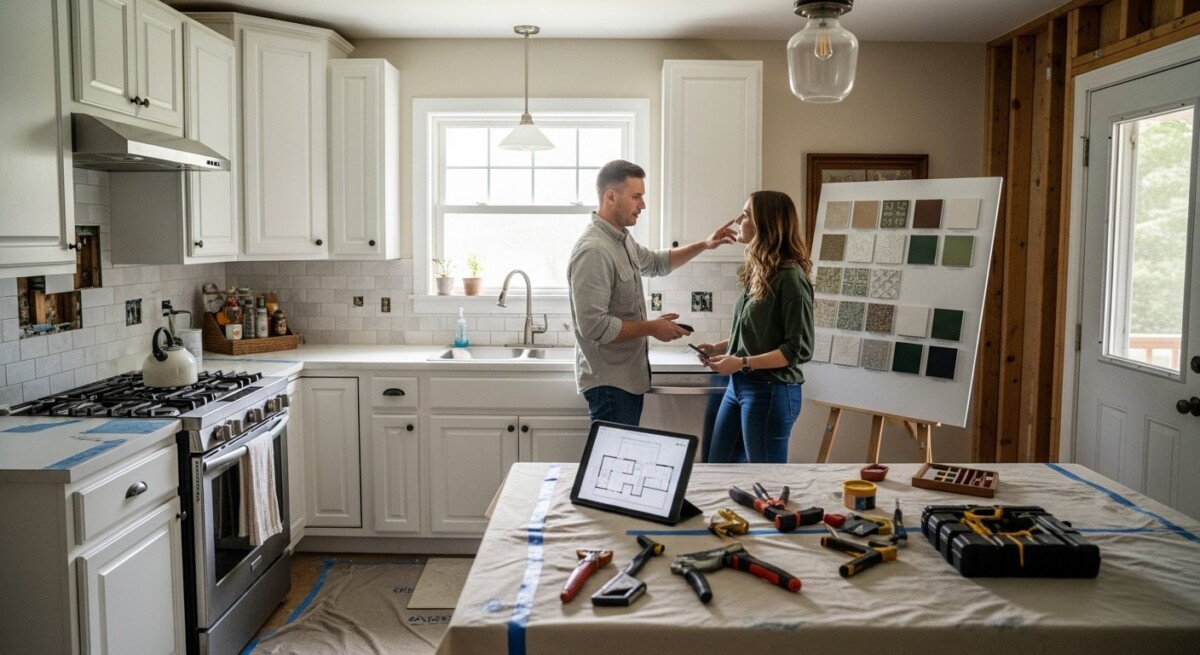
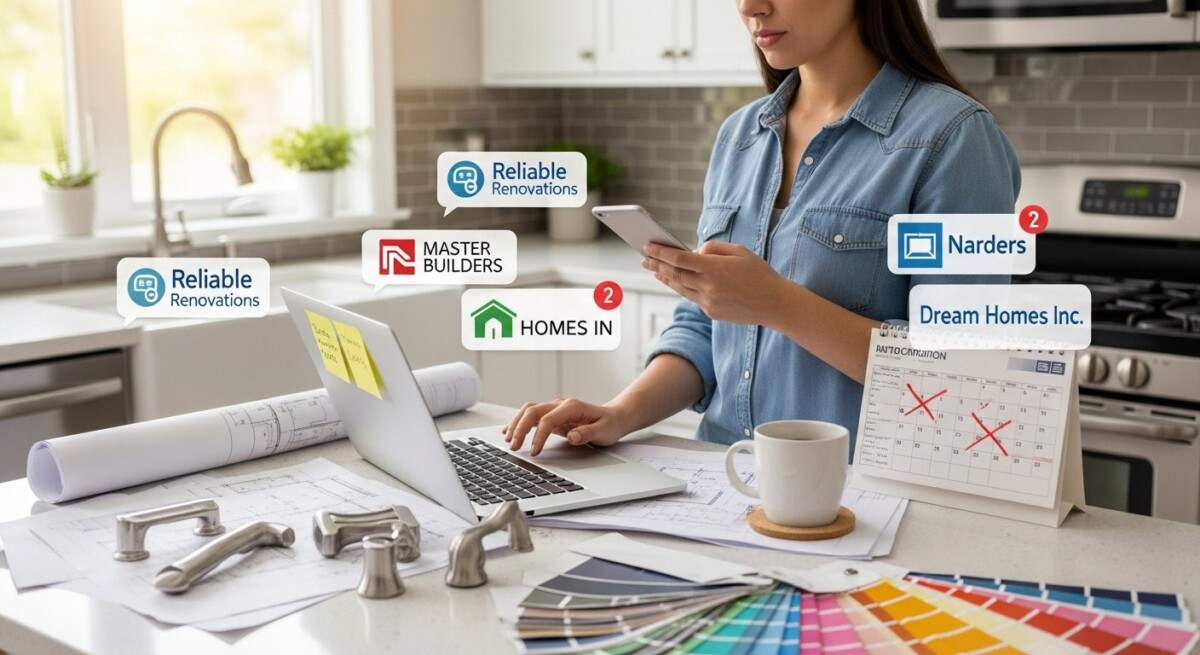
You’ve finally decided to tackle that kitchen renovation or add that master bathroom you’ve always wanted. You start researching online, and suddenly, your phone won’t stop ringing. Contractors you’ve never heard of are offering estimates, and your email is flooded with promotional offers. What’s happening? You’ve likely become a “lead” in a vast network, and your information may have been sold to multiple companies. This common scenario can leave homeowners feeling overwhelmed and unsure who to trust, turning an exciting project into a stressful chore.
Understanding Remodeling Lead Buyers
In simple terms, a remodeling lead buyer is a company or service that collects your contact information when you express interest in a home project and then sells that “lead” to local contractors. You become a lead when you fill out an online form for a quote, download a guide, or use a service that matches homeowners with pros.
This happens because the home improvement industry is highly competitive. Contractors are always looking for new customers, and many pay for these leads to find homeowners who are ready to remodel. It’s a common business practice, but it directly impacts your experience as a homeowner seeking help.
While any homeowner searching online can be affected, those using large, national lead-generation websites are most likely to have their information distributed to multiple businesses at once. Understanding this process is the first step to taking control of your remodeling project.
Why This Matters for Your Home
This system matters because it influences who contacts you and the quality of service you receive. When your information is sold to the highest bidder, you have no control over which contractors get your details. You might be connected with inexperienced companies or those not suited to your specific project type.
More importantly, a poor contractor match can lead to subpar work on your home. This isn’t just about inconvenience; it can result in safety issues, wasted money, and damage that requires even more expensive repairs down the line. Your home is your biggest investment, and who works on it matters.
If you notice signs of this issue in your home, it may help to speak with a qualified contractor. Request a free quote or call to explore your repair or remodeling options.
Common Problems Homeowners Experience
The lead-buying process often creates a frustrating experience for homeowners. Instead of a curated list of qualified professionals, you get a barrage of unsolicited contacts. This makes it difficult to compare options fairly and can pressure you into making a quick decision.
Common issues include contractors who are not properly licensed for your area, those who specialize in a different type of work, or companies that use high-pressure sales tactics. The focus shifts from finding the right fit for your project to simply managing the influx of calls.
- An overwhelming number of calls and emails from unknown companies.
- Contractors who are not local or familiar with your area’s building codes.
- Vague estimates that make true cost comparison impossible.
- Pressure to sign a contract quickly before you’ve done proper research.
- Difficulty discerning genuine reviews from marketing ploys.
- Wasted time scheduling consultations with mismatched professionals.
How Professionals Solve the Problem
The best way to navigate this landscape is to connect with contractors directly on your own terms. Reputable professionals build their business on referrals and reputation, not just purchased leads. They invest time in understanding your project and providing clear, detailed proposals.
A trustworthy contractor will follow a transparent process. This starts with a thorough consultation, moves to a detailed written estimate, and includes clear communication every step of the way. They solve the “lead buyer” problem by putting you, the homeowner, back in control of the selection process.
- Direct Consultation: They meet with you to understand your vision, budget, and timeline without sales pressure.
- Detailed Proposal: They provide a clear, written scope of work with itemized costs, not a vague ballpark figure.
- Portfolio Review: They show examples of past work similar to your project, proving their expertise.
- Reference Check: They willingly provide contact information for past clients.
- Clear Contract: They use a contract that outlines every phase, payment schedule, and material specification.
A professional inspection can reveal hidden issues before they become expensive repairs. Compare contractor quotes here or call to discuss your project.
Warning Signs You Should Not Ignore
Being aware of red flags can help you avoid a negative experience from the start. If a contractor’s first contact feels more like a sales pitch than a conversation, take note. Your project deserves thoughtful planning, not a rushed close.
Ignoring these signs can lead to bigger problems. A contractor who isn’t a good fit may cut corners, use inferior materials, or disappear before the job is done. Addressing these concerns early protects your home, your budget, and your peace of mind.
- The contractor cannot provide proof of current liability insurance and licensing.
- They ask for a large cash deposit or full payment before any work begins.
- They are reluctant to put anything in writing or provide a detailed contract.
- They use high-pressure tactics, like a “today-only” discount.
- Their online presence consists only of paid ads, with no genuine reviews or portfolio.
- They are evasive when asked for references from past clients.
What Affects the Cost of Repairs or Installation
Understanding cost factors helps you evaluate quotes fairly. The price isn’t just about materials and labor; it reflects the contractor’s expertise, planning, and quality assurance. A very low bid can sometimes indicate inexperience or a plan to use substandard materials.
Key factors include the project’s size and complexity, the quality of materials you select, your home’s existing condition (which may require unforeseen repairs), local labor rates, and permit costs. A professional contractor will explain these variables clearly, so you know exactly what you’re paying for.
Costs can vary depending on the condition of your home. The best way to know the price is to get a personalized estimate. Request free quotes from contractors or call today.
How to Choose the Right Contractor
Taking a proactive approach is the antidote to the passive lead-buyer system. Instead of waiting for calls, you seek out and vet contractors yourself. This puts you in the driver’s seat and leads to a better partnership and a better final result for your home.
Start by asking friends and neighbors for referrals. Then, do your own research online to check reviews and portfolios. The goal is to create a shortlist of two or three contractors who seem like a good fit before you even invite them for a consultation.
- Verify their license and insurance status with your local licensing board.
- Read recent customer reviews on multiple platforms (Google, BBB, etc.).
- Ask for and actually contact 2-3 references from projects similar to yours.
- Get detailed, written estimates from at least three different contractors.
- Choose based on communication, trust, and detailed planning, not just the lowest price.
Long-Term Benefits of Professional Work
Investing time in finding the right professional pays off for years. Quality workmanship ensures your remodel is safe, durable, and adds lasting value to your property. It also means fewer headaches and repair costs in the future.
Beyond the immediate project, a well-executed renovation improves your daily life through better functionality and energy efficiency. It also protects your home’s structural integrity. When done right, professional remodeling is an investment that safeguards your home and enhances your enjoyment of it.
What are remodeling leads?
Remodeling leads are contact details of homeowners who have shown interest in a renovation project, often collected online. These leads are frequently packaged and sold to contractors who pay for the chance to contact the homeowner and bid on the job. For a deeper look at how this system works, you can read our guide on how to get remodeling leads for your home project.
Is it bad if a contractor buys leads?
Not necessarily. Many reputable contractors use lead services to supplement their business. The concern arises when it’s their only source of work or if they rely on high-volume, low-quality leads. The key is how the contractor treats you once they make contact,with professionalism and a focus on your specific needs.
How can I avoid being sold to multiple contractors?
Be selective about where you submit your information. Instead of using large national lead-generation sites, seek out contractors directly through their websites, local associations, or personal referrals. When you do fill out a form, look for privacy policies that state your information won’t be shared without consent.
What should I ask a contractor who calls me?
Ask how they got your information, if they are licensed and insured for work in your city, and if they have experience with projects like yours. Politely end the call if they can’t answer these basic questions or if you feel pressured. Taking control of the conversation from the start is crucial.
What’s the difference between a lead service and a referral?
A lead service is a paid transaction; your contact info is a product. A referral comes from a trusted source,like a friend, neighbor, or your realtor,who had a positive personal experience with the contractor. Referrals typically lead to higher-quality matches and less sales pressure.
Are there reputable ways to find contractors online?
Yes. Look for local contractor associations, read verified reviews on sites like Google My Business, and explore platforms that vet their professionals. A good strategy is to learn about finding trusted contractors through a remodeling leads marketplace that prioritizes quality over quantity.
Why are multiple contractors calling me at once?
This is a clear sign your information was sold as a “shared” or “exclusive” lead to several companies simultaneously. They are all competing for the same job. This can be overwhelming, but understanding the process behind how to buy quality home remodeling leads can help you see the contractor’s perspective and navigate the situation.
Can I request to be taken off a lead list?
You can and should. Tell the caller you wish to be removed from their list and that they should not share your information. For future inquiries, always ask about a company’s data-sharing policy before submitting your personal details online.
Navigating a home remodel should be exciting, not overwhelming. By understanding how contractor lead systems work, you can take proactive steps to find the right professional for your job. The best approach is to seek out contractors directly, compare detailed quotes, and choose a partner you trust to care for your home as you would. Starting with a few personalized quotes is the most practical way to move your project forward with confidence.
About the Author: David