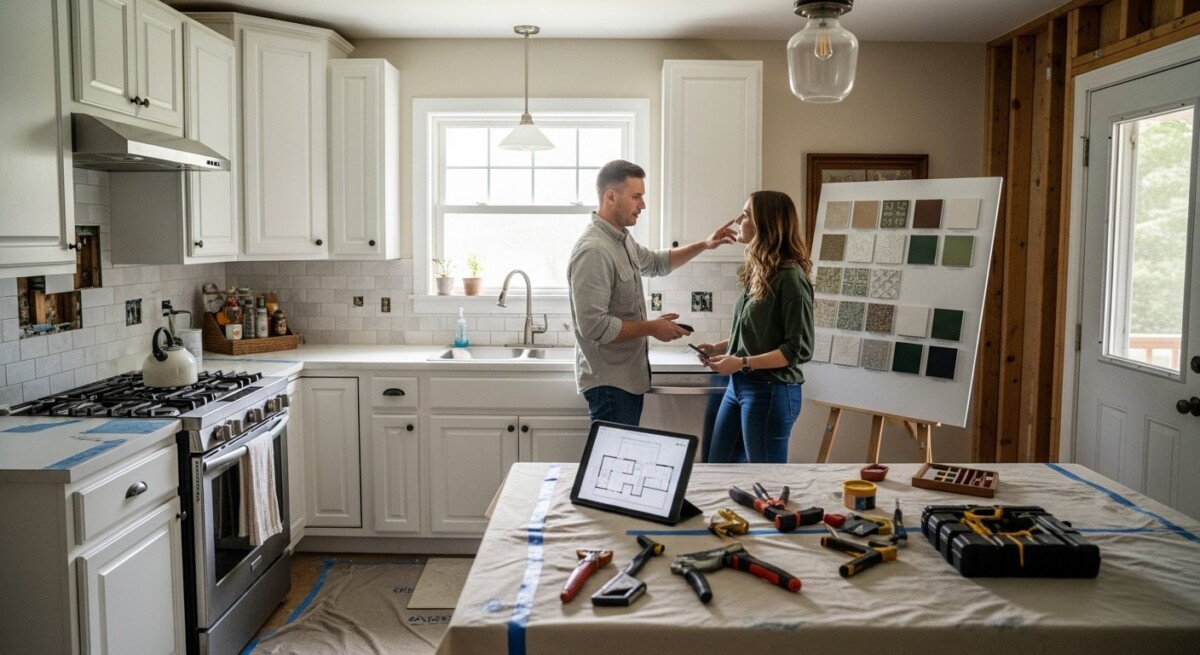

Understanding Remodeling Lead Sellers for Homeowners
You’ve decided it’s finally time to update your kitchen or add that master bathroom you’ve always wanted. You start searching online for ideas and contractors, and suddenly, your information seems to be everywhere. You’re getting calls and emails from companies you’ve never heard of, all promising to connect you with the perfect remodeler. This confusing experience often points to one thing: you’ve become a lead in the world of remodeling lead sellers. While it might seem like a shortcut to finding help, understanding this system is crucial to protecting your project, your budget, and your peace of mind.
Understanding Remodeling Lead Sellers
In simple terms, a remodeling lead seller is a company that collects your contact information and sells it to contractors. You provide your details, often by filling out a form for a “free estimate” or “project consultation” on a general home improvement website. That website isn’t a local contractor; it’s a lead generation business.
They then package your information as a “sales lead” and sell it to multiple remodeling companies in your area. The contractor pays for your contact details, hoping you’ll hire them for the job. This model is common across many industries, but for a significant project like a home remodel, it introduces unique challenges for homeowners.
Homes most affected are those owned by people actively searching for remodeling services online. If you’ve recently requested quotes or guides from large, national home improvement sites, you’ve likely entered this ecosystem.
Why This Matters for Your Home
Your home is your biggest investment, and a remodeling project is a major undertaking. The process you use to find a contractor directly impacts the quality, cost, and stress level of your project. Relying on a system where your request is sold to the highest bidder can put your goals at risk.
When contractors buy leads, they are competing on speed, not necessarily on fit or quality. They need to call you quickly and close the sale to make their investment worthwhile. This pressure can sometimes lead to rushed consultations, generic proposals, or high-pressure sales tactics that don’t serve your best interests for a thoughtful, well-planned remodel.
More importantly, you lose control over who contacts you. You cannot vet these contractors beforehand. You don’t know their local reputation, their specific expertise, or if they are even properly licensed and insured for work in your area. This lack of initial screening can open the door to unreliable or unqualified contractors.
If you notice signs of this issue in your home, it may help to speak with a qualified contractor. Request a free quote or call to explore your repair or remodeling options.
Common Problems Homeowners Experience
Navigating the lead seller system often leads to frustrating and time-consuming experiences. Instead of a streamlined search, you’re thrown into a reactive position, fielding calls instead of proactively evaluating experts.
Many homeowners report that the contractors who contact them seem to have only a vague understanding of their project, asking basic questions that were already answered in the initial form. This indicates a transactional relationship, not a consultative partnership focused on your home’s unique needs.
The most frequent issues include:
- Excessive and Unwanted Contact: Your phone and email are flooded by multiple companies, sometimes for weeks.
- Mismatched Expertise: A contractor who specializes in quick bathroom updates might call about your whole-house renovation, and vice versa.
- Generic Proposals: You receive boilerplate estimates that don’t reflect a deep understanding of your specific vision or home.
- Pressure to Decide Quickly: To justify the cost of the lead, some salespeople may push for an immediate commitment.
- Difficulty Comparing Quotes: When proposals are based on different scopes or assumptions, it’s nearly impossible to make an apples-to-apples comparison.
- Lack of Local Knowledge: The contractor may not be familiar with your neighborhood’s styles, common home issues, or even local permit requirements.
How Professionals Solve the Problem
The best way to avoid the pitfalls of lead sellers is to take control of the search process yourself. This means seeking out and vetting local, established contractors directly. A true professional wants to build a relationship with you, not just win a transaction.
When you contact a contractor directly, the conversation starts with your project, not with a purchased lead. They will typically follow a more thorough and homeowner-focused process. This approach prioritizes understanding and quality over speed, leading to a better outcome for your home.
A professional’s process usually looks like this:
- Initial Direct Contact: You reach out via their website, phone, or referral, initiating a direct relationship.
- Detailed Consultation: They visit your home to understand the space, your goals, budget, and challenges.
- Personalized Proposal: They create a custom plan and quote based on that in-person assessment, not a generic online form.
- Transparent Communication: They become your single point of contact, providing clear timelines, material selections, and updates.
- Focused Execution: Their team, which they know and trust, completes the work with oversight from the contractor you hired.
A professional inspection can reveal hidden issues before they become expensive repairs. Compare contractor quotes here or call to discuss your project.
Warning Signs You Should Not Ignore
If you’ve already submitted your information online, how can you tell if you’re dealing with a contractor from a lead seller? Recognizing the signs early can help you refocus your search on more reliable partners.
Persistent, vague communication is a major red flag. A contractor who is genuinely interested in your specific project will ask detailed questions about your home and vision, not just try to schedule a sales appointment as fast as possible.
Be cautious if you notice:
- The caller cannot recall basic details you submitted in the online form.
- They immediately push for an in-home sales meeting without a preliminary phone discussion.
- They offer a “today-only” discount or special offer to secure a contract.
- They are reluctant to provide a local business address or details about past projects in your immediate area.
- They cannot immediately provide proof of licensing and insurance for your state.
- Their company name doesn’t match the name you see in local online reviews or business directories.
What Affects the Cost of Repairs or Installation
Whether you’re remodeling a bathroom or renovating a kitchen, the cost is determined by the specifics of the job, not by how you found the contractor. However, the lead model can sometimes obscure true costs by encouraging low-ball estimates to win the job, with changes adding cost later.
When you work directly with a professional, they provide an estimate based on real factors. These include the quality of materials you choose (e.g., stock cabinets vs. custom), the complexity of the work (moving plumbing walls is more costly), and the current condition of your home (older homes often have unforeseen issues). Labor, project management, and permit fees are also key components.
The size and accessibility of the work area matter too. A small, second-floor bathroom may cost more per square foot than a large kitchen due to tighter working conditions and difficulty moving materials. A clear, direct relationship with your contractor ensures all these factors are discussed openly from the start, leading to a more accurate and trustworthy budget.
Costs can vary depending on the condition of your home. The best way to know the price is to get a personalized estimate. Request free quotes from contractors or call today.
How to Choose the Right Contractor
Taking a proactive approach puts you in the driver’s seat. Instead of reacting to calls, you can create a shortlist of contractors who have the specific skills and reputation for your type of project. This method saves time and leads to a better match.
Start by asking friends, family, and neighbors for personal referrals. There’s no better vetting than a firsthand account of a contractor’s work ethic and quality. You can also search for well-reviewed local companies online, but focus on those with a established local presence, not just a generic service area page.
Once you have a few names, follow these steps:
- Verify Licenses and Insurance: Always ask for and confirm their state contractor’s license and liability insurance. This protects you and your property.
- Check Reviews and Portfolios: Look at sites like Google, BBB, and Houzz for customer feedback and photos of completed projects similar to yours.
- Interview Multiple Contractors: Meet with at least three companies. Ask about their process, timeline, and who will be supervising the job daily.
- Get Detailed, Written Estimates: Ensure each quote outlines the same scope of work, materials, brand names, and a payment schedule for a fair comparison.
- Trust Your Instincts: Choose someone who communicates clearly, listens to your concerns, and makes you feel confident. The working relationship is as important as the price.
Long-Term Benefits of Professional Work
Investing the time to find the right contractor directly pays dividends long after the project is complete. A well-executed remodel by a trusted professional enhances your daily life and safeguards your home’s value.
Quality craftsmanship ensures durability. Properly installed tiles won’t crack, cabinets will hang straight for years, and electrical work will be safe and to code. This reduces the need for costly repairs or callbacks down the road. A professional also understands how to navigate local regulations and requirements by state, securing the necessary permits so your project is documented and legal, which is crucial for future resale.
Beyond structure and safety, a good remodel improves energy efficiency with better windows or insulation and creates a more functional, beautiful living space. Most importantly, it significantly increases your home’s market value. A documented, permitted remodel by a reputable contractor is a strong asset, whereas work done poorly by an unvetted handyman can become a liability during a home inspection.
What is a remodeling lead seller?
A remodeling lead seller is a company that collects homeowner information from online forms and sells it as a sales lead to contractors. Homeowners often provide their details thinking they are contacting a local remodeler directly, but they are actually entering a marketplace where their project request is auctioned off to multiple businesses.
Is it bad to use a lead generation website for my remodel?
It can be risky and inefficient. While convenient, these sites often prioritize selling your information over matching you with the best local contractor for your specific job. You may experience high-pressure sales, generic quotes, and a lack of vetting, making it harder to find a truly qualified professional you can trust with your home.
How can I find a contractor without using lead sellers?
The most reliable method is through personal referrals from people you trust. You can also search for highly-reviewed local contractors online, but focus on those with physical addresses and portfolios in your community. Contact them directly through their business website or phone number to start a conversation. For a deeper dive, our resource on finding real leads with contractor info explains the homeowner’s perspective on direct sourcing.
Why do contractors buy leads?
Contractors buy leads to find new customers without investing as much time in their own marketing. For a new or growing business, it can be a source of potential projects. However, many established, high-quality contractors find enough work through referrals and their reputation, allowing them to focus on serving existing clients rather than competing for purchased leads.
What should I ask a contractor who calls me from a lead?
Ask how they got your information. Then, ask for their full company name, business license number, and proof of insurance. Request to see examples of past projects similar to yours and for references. If they are evasive or pushy, it’s a sign to end the call and continue your own search.
Can using lead sellers affect the price of my project?
Indirectly, yes. The contractor pays for the lead (sometimes hundreds of dollars), and that cost is part of their business overhead. While not always itemized, it is factored into their pricing. More importantly, the focus on speed can lead to less detailed estimates, potentially resulting in change orders and higher costs later.
What’s the biggest risk of working with a contractor from a lead seller?
The biggest risk is the lack of vetting. You have no prior knowledge of their work quality, reliability, or business practices. You are relying on the lead seller’s minimal criteria, which may not include checking licensing, insurance, or local reputation, potentially putting your home, budget, and safety at risk.
Where can I learn more about the lead generation process from a homeowner’s view?
To understand the full landscape, including how information moves and how to protect your interests, you can review a comprehensive guide to selling home remodeling leads written to inform homeowners about the system they may encounter.
Your home deserves a remodeling process that is as thoughtful and well-constructed as the final result. By understanding how lead sellers work and choosing to seek out contractors directly, you take a crucial step toward protecting your investment. You gain control, ensure quality, and build a relationship with a professional who sees you as a client, not a sales lead. Start your project with confidence by comparing detailed quotes from local, vetted contractors who are focused on your home’s unique needs from the very first conversation.
About the Author: Mason Caldwell