Intent Based Remodeling Leads: A Homeowner’s Guide to Smarter Projects
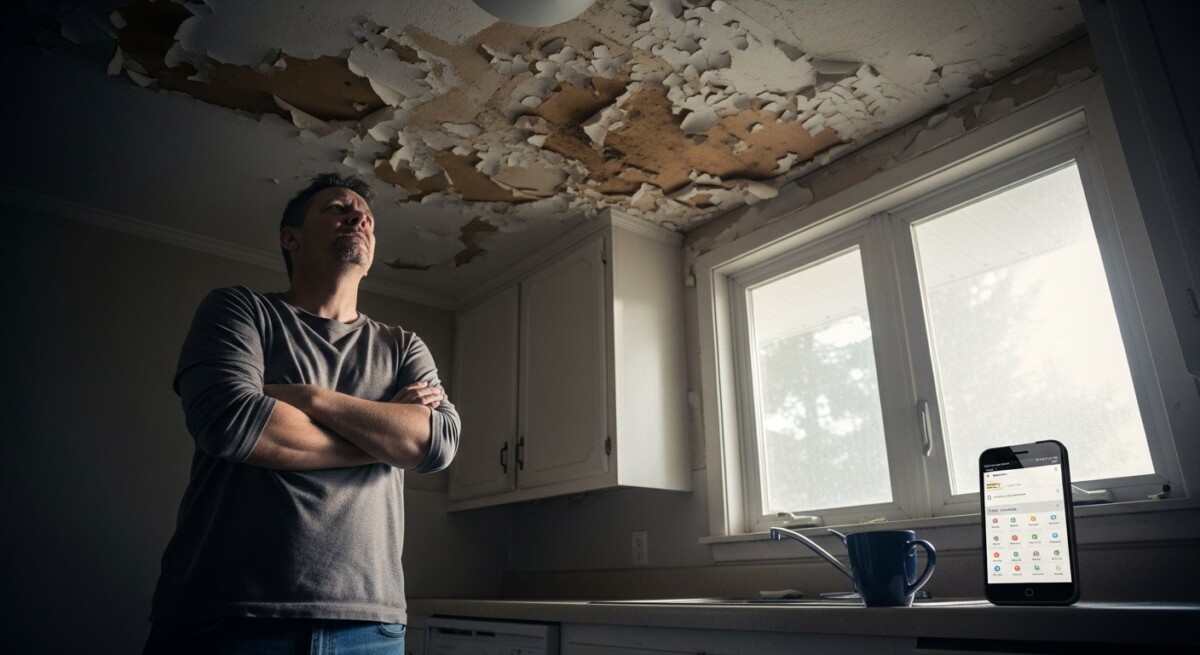
You walk into your kitchen one morning and notice a small water stain spreading across the ceiling near the window. It’s barely the size of a dinner plate, so you grab a rag, wipe it dry, and promise yourself you’ll look into it later. Weeks pass. The stain grows. The drywall starts to bubble. Suddenly, what could have been a simple roof or window repair turns into a full kitchen ceiling replacement. This is the moment most homeowners discover they need a contractor,but they also realize they wish they had found one sooner.
That moment of urgency is what industry professionals call an intent based remodeling lead. It happens when a homeowner actively searches for a solution to a specific problem,a leaky roof, an outdated bathroom, or drafty windows,and looks for someone to fix it. Understanding how these leads work can help you move from frustration to a finished project faster, with less stress and better results.
Understanding Intent Based Remodeling Leads
An intent based remodeling lead is simply a homeowner who knows they need a repair or renovation and is ready to hire someone. Unlike a casual browser who is just gathering ideas, an intent-based lead has a clear goal: fix a problem or improve their home. For contractors, these are the most valuable connections because they lead to real projects.
These leads often start with a search online. You might type “bathroom remodeler near me” or “roof leak repair” into Google. That search tells a platform like HomeRemodelingLeads that you have a genuine need. The system then matches you with contractors who specialize in exactly that type of work. This saves you from calling dozens of companies and hoping one fits.
Homes most affected by this dynamic are older properties, homes with deferred maintenance, or houses where the previous owner made cheap repairs. If your home is more than 20 years old, or if you’ve noticed small issues piling up, you are likely in the market for a remodeling lead,whether you realize it or not.
Why This Matters for Your Home
Ignoring the early signs of needed repairs can turn a manageable problem into a costly emergency. A small plumbing leak behind a wall, for example, can lead to mold, structural rot, and thousands of dollars in damage. The same goes for a worn-out roof or an old water heater. The longer you wait, the more your home’s safety and comfort are at risk.
Delaying also affects your home’s value. When you eventually sell, an inspector will find those hidden problems. You may be forced to make expensive fixes at the last minute or lower your asking price. By addressing issues early, you protect your investment and keep your home comfortable.
Another reason to pay attention: your energy bills. Drafty windows, insufficient insulation, and failing HVAC systems all waste energy. Replacing them with modern, efficient materials pays for itself over time. A professional contractor can identify these opportunities and help you prioritize.
If you notice signs of this issue in your home, it may help to speak with a qualified contractor. Request a free quote or call to explore your repair or remodeling options.
Common Problems Homeowners Experience
Most homeowners don’t wake up planning a major renovation. Instead, a problem forces the decision. You might notice water pooling around the foundation after a rainstorm, or your kitchen cabinets are so old the doors won’t close. These are the real-world triggers that turn you into an intent-based lead.
These problems usually appear gradually. You may not see the full extent of the damage until a contractor opens up a wall or climbs onto the roof. That’s why it’s important to act when you first spot trouble,not after it spreads.
- Water stains on ceilings or walls indicating a roof or plumbing leak
- Drafty rooms and high energy bills from old windows or poor insulation
- Mold or mildew smell in basements, bathrooms, or crawl spaces
- Cracked or uneven flooring that suggests foundation settling or moisture damage
- Outdated electrical panels or fixtures that pose a fire risk
- Broken or stuck windows, doors, or garage doors that compromise security
How Professionals Solve the Problem
Experienced contractors follow a systematic approach to fix your home’s issues. First, they perform a thorough inspection to identify all problems,not just the obvious ones. This ensures nothing is missed. Then, they provide a detailed estimate that covers materials, labor, and timeline.
Once you approve the plan, the contractor handles permits, schedules subcontractors if needed, and manages the project from start to finish. They also handle unexpected surprises, like rot behind a wall, without passing the full cost burden onto you in an unfair way.
Professional work is safer and more reliable than DIY fixes for several reasons. Contractors carry insurance, which protects you if something goes wrong. They have the right tools and training to complete the job efficiently. And they stand behind their work with warranties, giving you peace of mind long after the project ends.
A professional inspection can reveal hidden issues before they become expensive repairs. Compare contractor quotes here or call to discuss your project.
Warning Signs You Should Not Ignore
Your home gives you clues when something needs attention. The key is recognizing them early. A small crack in the foundation may seem harmless, but it can widen over time and allow water and pests inside. A toilet that rocks back and forth may eventually break the wax seal and cause a bathroom floor leak.
Pay attention to changes in performance. If your air conditioner runs constantly but never cools the house, it may be undersized or failing. If your water pressure drops suddenly, you could have a pipe leak or a failing water heater. These are not just annoyances,they are signals that a professional should take a look.
- Peeling paint or wallpaper that was not there before
- Musty odors that persist even after cleaning
- Sudden spikes in water or energy bills with no lifestyle change
- Visible sagging in ceilings, floors, or rooflines
- Frequent circuit breaker trips or flickering lights
- Doors or windows that stick or won’t latch properly
What Affects the Cost of Repairs or Installation
Several factors determine how much you will pay for a remodeling project. The size of the project is the biggest driver. Replacing a single window costs far less than replacing all the windows in a house. Similarly, a partial bathroom remodel is cheaper than a full gut renovation.
Materials also play a major role. Premium countertops, hardwood flooring, and energy-efficient windows cost more upfront but often last longer and add more value to your home. Labor costs vary by region and by the complexity of the job. A simple roof patch is inexpensive, but a full roof replacement on a steep, multi-story house requires more safety equipment and time.
Accessibility matters too. If your crawl space is tight or your attic has limited headroom, the contractor will need extra time to work. Older homes may have outdated wiring, plumbing, or structural elements that must be brought up to code, adding to the total cost.
Costs can vary depending on the condition of your home. The best way to know the price is to get a personalized estimate. Request free quotes from contractors or call today.
How to Choose the Right Contractor
Finding a good contractor is about more than picking the lowest bid. You want someone who is reliable, communicates clearly, and has a track record of quality work. Start by asking for recommendations from neighbors or friends who have had similar work done. Then, verify credentials online.
Always get at least three quotes for any major project. This gives you a sense of the market rate and helps you avoid both overpaying and choosing a bid that is suspiciously low. A reputable contractor will be happy to explain their estimate and answer your questions.
- Verify the contractor’s license and insurance with your state or local authority
- Read recent reviews on Google, Yelp, or the Better Business Bureau
- Ask for a detailed written estimate that breaks down materials, labor, and timeline
- Compare bids from at least three contractors before deciding
- Confirm the contractor has experience with your specific type of project, such as bathroom remodeling or roof repair
Long-Term Benefits of Professional Work
When you invest in professional remodeling, you are not just fixing a problem,you are improving your home for years to come. Quality materials and proper installation mean fewer repairs down the road. You will spend less time worrying about your home and more time enjoying it.
Energy efficiency is another major benefit. Modern windows, insulation, and HVAC systems can cut your utility bills by 20,30 percent. Over a decade, those savings can offset much of the project cost. Plus, a more comfortable home is easier to sell when the time comes.
Finally, professional work adds real value to your property. Kitchens, bathrooms, and finished basements consistently offer high returns on investment. If you ever decide to sell, buyers will notice the quality and be willing to pay more for a home that has been well maintained.
How do I know if I need a contractor or if I can do the work myself?
If the project involves electrical, plumbing, structural changes, or anything that affects your home’s safety, hire a professional. DIY is fine for painting, landscaping, or simple fixture swaps, but bigger jobs require permits and expertise.
What is the difference between a remodeling lead and a regular inquiry?
A remodeling lead comes from a homeowner who has a specific project in mind and is ready to hire. A regular inquiry might be someone just browsing ideas or gathering price ranges. Intent based leads are more valuable because they have a clear need and timeline.
How long does a typical bathroom or kitchen remodel take?
A bathroom remodel usually takes 2,4 weeks, while a kitchen can take 4,8 weeks depending on complexity. Delays can happen due to material shortages or unexpected structural issues, so always add a buffer to your timeline.
Will a contractor give me a firm price before starting work?
Yes, a reputable contractor provides a fixed-price quote after inspecting the site. The contract should list all materials, labor, and any potential additional charges. Avoid contractors who give only verbal estimates or refuse to put things in writing.
What should I do if I find a problem after the contractor finishes?
Most professional contractors offer a warranty on their work,typically one year for labor and longer for materials. Contact them immediately to report the issue. If they are unresponsive, you may need to file a complaint with your state licensing board.
How can I find intent based remodeling leads for my own home project?
You can use a service like HomeRemodelingLeads to connect with pre-screened contractors who specialize in your type of project. Fill out a short form describing your needs, and you will receive quotes from local pros.
Is it worth getting multiple quotes for a small repair?
Yes, even for small repairs, getting two or three quotes helps you understand fair pricing. Some contractors charge a minimum service fee, so you may find significant differences between bids.
Can I negotiate the price of a remodeling project?
Some contractors are open to negotiation, especially if you can be flexible on timing or materials. However, be cautious about pushing too hard,if a price seems too good to be true, the contractor may cut corners.
Whether you are dealing with a leaky roof, outdated kitchen, or drafty windows, addressing the problem early is the smartest move you can make for your home. Intent based remodeling leads exist because homeowners like you want real solutions, not just guesses. By comparing contractor quotes and hiring a professional, you save time, money, and stress. Start your project today by searching for trusted contractors in your area,your home will thank you.
About the Author: David