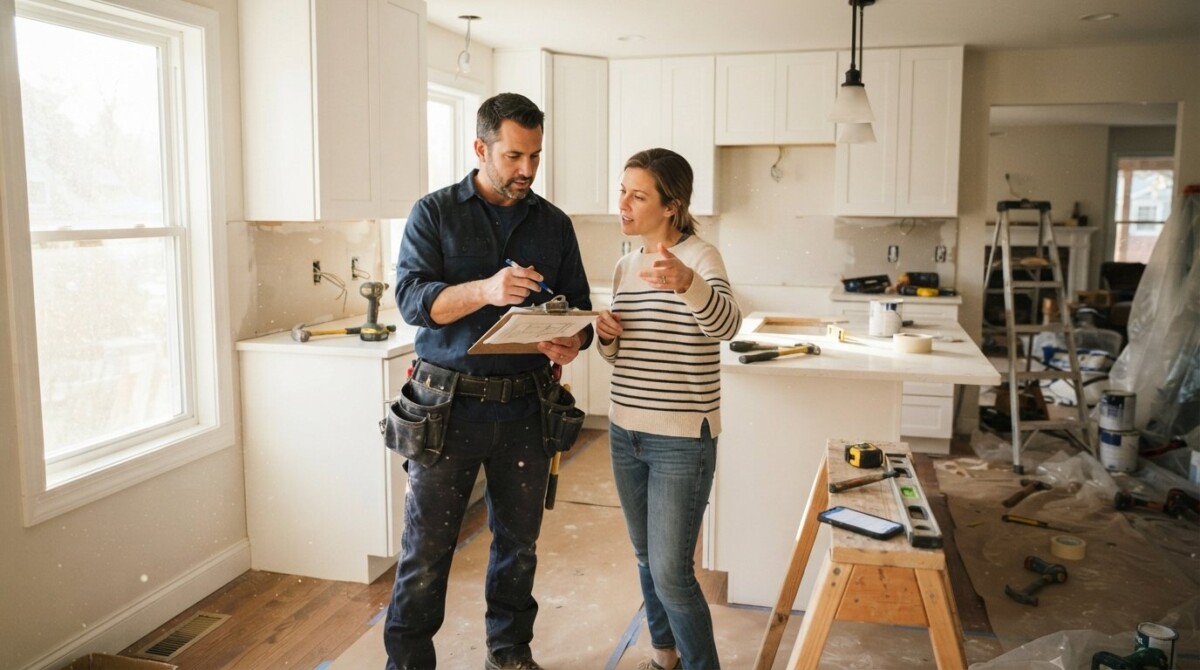

Remodel Regrets: What Homeowners Wish They Knew
You have waited years for this moment. The budget is set, the Pinterest board is full, and the contractor’s truck is finally in the driveway. Then the drywall comes down, the first change order arrives, and suddenly the dream kitchen feels like a money pit. Remodeling a home is one of the most stressful investments a person can make, and too many homeowners discover costly mistakes only after the dust settles. Understanding what homeowners regret during remodels before you swing the first hammer can save you thousands of dollars and months of frustration.
The truth is that most renovation regrets are not about bad taste or ugly tile. They are about poor planning, unclear communication, and skipping the research that separates a smooth project from a disaster. Whether you are updating a bathroom, finishing a basement, or adding a new roof, the same patterns of regret repeat across the country. In this article, we will break down the most common complaints, explain why they happen, and give you a practical playbook to avoid them.
The Hidden Costs That Blow Up Your Budget
The number one source of homeowner regret is not the design. It is the financial shock. A survey by the National Association of Home Builders found that nearly 60 percent of homeowners who remodel end up spending more than they planned. The gap between the initial quote and the final invoice is rarely small, and it often comes from unexpected structural issues, code requirements, or simple miscalculations.
One of the biggest mistakes is failing to add a contingency fund. Contractors routinely recommend setting aside 10 to 20 percent of the total budget for surprises. For example, when you open a wall to update plumbing, you might discover corroded pipes or knob-and-tube wiring that must be replaced to pass inspection. Without that buffer, you are forced to make painful cuts elsewhere, such as downgrading countertops or delaying the new windows.
Another hidden cost is the price of changes. Homeowners often assume they can swap out a $50 light fixture or move a wall outlet without major financial consequences. However, every change order slows the project, requires new materials, and can lead to labor charges that multiply quickly. As one contractor put it, “A change order is the most expensive sentence in the English language.”
To protect yourself, get multiple itemized bids and ask each contractor to explain what is included and what is not. Also, be wary of the lowest bid. If one estimate is dramatically cheaper than the others, the contractor may be cutting corners on materials, insurance, or labor. In the end, you get what you pay for, and the cheapest quote often becomes the most expensive project.
Scope Creep: When Small Projects Turn Into Full Renovations
You asked for a simple bathroom refresh, but now you are redoing the plumbing, moving a load-bearing wall, and adding heated floors. This phenomenon is called scope creep, and it is a silent killer of budgets and timelines. It happens when a homeowner walks into a showroom, sees a gorgeous soaking tub, and decides that a basic update is not enough.
Scope creep is especially common in older homes. A minor kitchen remodel can quickly reveal that the electrical panel is outdated or that the floor joists are uneven. While some of these issues must be addressed for safety, many are optional upgrades that you can postpone. The key is to define the project clearly before you start and to resist the urge to add “just one more thing” once work begins.
One way to control scope creep is to write a detailed contract that lists every task, material, and product. If the contractor suggests additional work, ask for a written change order that includes the cost and timeline. Then, ask yourself whether the extra expense is truly necessary or just a nice-to-have. Remember that every added feature extends the project and increases the chance of delays, so choose wisely.
Another aspect of scope creep is the temptation to renovate the entire house at once. If you are remodeling the kitchen, it is natural to think about the adjoining dining room or the hallway bathroom. However, tackling too many rooms simultaneously can overwhelm your budget and your family’s patience. Instead, phase the project over several years, and focus on the space that will give you the most daily satisfaction.
DIY Disasters: When Saving Money Costs More
There is a certain pride in saying, “I did it myself.” Yet, for complex tasks like electrical work, plumbing, or structural changes, DIY can be a costly mistake. Many homeowners underestimate the time, skill, and tools required for a professional-grade finish. They also forget that mistakes can lead to safety hazards, failed inspections, and decreased home value.
A classic example is tiling a shower. It seems straightforward, but waterproofing, slope, and grout selection are tricky. A poorly installed shower can leak, causing mold and water damage that costs thousands to repair. Similarly, DIY electrical work can create fire risks, and many insurance policies will not cover damage caused by unlicensed work.
That said, not all DIY is bad. Painting, installing shelving, or landscaping are often safe and satisfying projects. The key is to know your limits and to hire a professional for anything that affects the structure, safety, or major systems of your home. If you are unsure, consult with a general contractor who can give you an honest assessment of what is worth doing yourself.
When you do hire a professional, take the time to vet them properly. Check licenses, insurance, and references. Ask to see examples of similar work, and look for red flags like a contractor who demands full payment upfront or refuses to put estimates in writing. A reputable contractor will be happy to provide proof of credentials and a clear, signed contract.
Ignoring the Functional Layout
Many homeowners regret choosing aesthetics over function. They fall in love with a photo of a beautiful kitchen, but they ignore the fact that the layout does not work for their family. For example, a large island might look stunning, but if it blocks the path between the stove and the refrigerator, it becomes a daily annoyance.
The same issue applies to bathroom remodels. A freestanding tub might be a dream feature, but if it makes the space feel cramped or leaves no room for a double vanity, you will regret it every morning. Before you commit to a design, think about how you actually use the room. Do you need more counter space? Is there enough storage for your dishes or toiletries? Will the door swing open without hitting something?
A good designer or architect can help you create a layout that balances beauty and practicality. They can also help you think about future needs, such as aging in place. For example, installing grab bars in the shower or widening doorways now can save you from expensive modifications later. If you plan to stay in your home for many years, these functional choices are often more valuable than trendy finishes.
Another functional consideration is lighting. Too many homeowners rely on a single overhead fixture, which creates shadows and makes tasks like chopping vegetables or applying makeup difficult. Instead, plan for layered lighting: ambient, task, and accent. Under-cabinet lights in the kitchen, sconces beside the bathroom mirror, and dimmers in the living room can transform the feel of a space for a relatively small cost.
Choosing the Wrong Contractor
Perhaps the most painful regret is hiring a contractor who turns out to be unreliable, unqualified, or even dishonest. Stories of abandoned projects, shoddy workmanship, and unexplained delays are all too common. The problem is often that homeowners rush into a decision based on price or a gut feeling, without doing proper due diligence.
To avoid this, start by asking for recommendations from friends, family, and local building supply stores. Then, interview at least three contractors and ask pointed questions about their experience with your type of project. Request a written proposal that includes a timeline, payment schedule, and warranty information. Also, verify their license and insurance with your state or local authority.
One of the best ways to reduce risk is to work with a lead generation service that pre-qualifies contractors. At HomeRemodelingLeads, we connect homeowners with vetted, high-intent professionals who specialize in specific areas like roofing, bathroom remodeling, or HVAC. Instead of cold-calling dozens of companies, you can receive quotes from contractors who are actively seeking projects like yours. This saves time and gives you the confidence that you are dealing with established businesses.
Even with a great contractor, communication is vital. Set clear expectations at the start, and schedule regular check-ins to review progress. If a problem arises, address it immediately rather than letting it fester. A good contractor will appreciate your involvement and will work to resolve issues quickly.
Underestimating the Timeline and Disruption
Renovations take longer than almost anyone expects. A kitchen remodel that you thought would take six weeks might stretch into four months. This is not always the contractor’s fault; delays can come from permit approvals, material backorders, or unexpected discoveries. But the frustration is real, especially when you are living without a stove or shower.
To minimize the pain, ask your contractor for a realistic timeline and build in extra time for contingencies. Also, plan for the disruption. If you are remodeling the only bathroom, arrange for access to another one, or schedule the work when you can be away. For kitchen projects, set up a temporary cooking area in the garage or dining room, and plan easy meals that do not require an oven.
Another common regret is not living in the home during the renovation to catch problems early. While it is tempting to move out, being on-site lets you monitor quality and ask questions in real time. However, you need to balance that with the stress of living in a construction zone. Many homeowners find that staying in a spare bedroom and using a portable kitchen is a good compromise.
Finally, do not forget about the cleanup. A good contractor will protect your floors and furniture with dust barriers, but some mess is inevitable. Plan for daily vacuuming and have a place to store tools and materials out of the way. The end result will be worth the chaos, but you need to prepare mentally for the temporary discomfort.
Skimping on Materials and Finishes
It is tempting to save money by choosing the cheapest tile, laminate countertop, or builder-grade faucet. However, materials that look good in a showroom often perform poorly in real life. For example, a low-cost faucet might develop leaks or mineral buildup within a year, forcing you to replace it sooner than expected. Similarly, laminate countertops can chip or stain, and cheap carpet may flatten or discolor quickly.
This does not mean you need to buy the most expensive option in every category. Instead, invest in the items that get heavy use and are difficult to replace. In a kitchen, that means cabinets, countertops, and appliances. In a bathroom, prioritize the shower valve, toilet, and ventilation fan. You can save money on decorative elements like backsplash tile or cabinet hardware, which are easier and cheaper to update later.
One way to balance quality and budget is to use a professional designer or showroom consultant who can recommend durable, cost-effective products. They can also help you avoid the mistake of mixing too many trends. A trendy color or pattern might look dated in five years, which is why many experts suggest sticking with neutral finishes for large surfaces and adding color through accessories that you can change easily.
When you do splurge, make sure it adds value to your home. For example, a high-efficiency HVAC system or Energy Star-rated windows can reduce utility bills and increase resale value. In contrast, a $10,000 wine cooler might not appeal to future buyers. If you plan to sell within a few years, focus on updates that have broad appeal and a high return on investment.
Over-Improving for the Neighborhood
Remodeling can be a great way to enjoy your home, but it is also an investment. One regret that often surfaces at resale time is over-improving. If you install a $100,000 gourmet kitchen in a neighborhood where homes sell for $300,000, you may never recoup your costs. Real estate agents often say that you should not make your home the most expensive on the block.
To avoid this, research comparable homes in your area before you finalize your plans. Look at recent sales and see what features are common. If most homes have granite countertops, adding them is likely a safe bet. But if you are the only house with a six-burner range and a pot filler, you might be pricing yourself out of the market.
Another angle is to consider the purpose of the remodel. If you are renovating for your own enjoyment, then it is fine to spend on features that make you happy, even if they do not add much resale value. However, if you are preparing to sell, it is wiser to focus on upgrades that appeal to a wide range of buyers, such as fresh paint, new flooring, and updated light fixtures.
A good real estate agent can give you guidance on what improvements are worth doing. They can also help you avoid the mistake of neglecting curb appeal. Many homeowners spend all their money on the interior and forget that the front door and landscaping are the first things a buyer sees. A simple update like a new door handle, potted plants, and a clean walkway can make a big difference.
Failing to Plan for Permits and Inspections
Skipping permits might seem like a way to save time and money, but it can lead to serious regrets. Unpermitted work can create problems when you try to sell your home, because inspectors may require you to tear it out or pay for retroactive permits. It can also void your insurance if a fire or flood occurs in the renovated area.
Permits are required for structural changes, electrical, plumbing, and many HVAC installations. Your contractor should know the local codes and pull the necessary permits before starting. If they suggest working without them, that is a red flag. A licensed contractor will not risk their reputation by skipping code requirements.
Inspections are also your friend. They ensure that the work is done safely and correctly, and they can catch problems before they become major issues. For example, an inspector might flag a missing vent or an improperly sized beam. Fixing these issues during the project is much cheaper than dealing with them later.
If you are doing any part of the work yourself, check with your local building department to see what permits are needed. Even a simple deck or shed may require approval. The fees are usually modest, and the peace of mind is worth it. Remember that a failed inspection is not a personal attack; it is a chance to make your home safer and more valuable.
Emotional Stress and Relationship Strain
Remodeling is not just a financial investment; it is an emotional rollercoaster. Couples often argue over design choices, budgets, and timelines. The stress of living in a construction zone can also affect children and pets. Many homeowners regret not discussing the project thoroughly before starting, which leads to resentment and second-guessing.
To reduce conflict, schedule a planning session with your partner before you hire anyone. Write down your priorities, deal-breakers, and a realistic budget. Decide who will be the main point of contact with the contractor, but also agree on how you will make decisions together. If you have different tastes, find a compromise that you can both live with.
Another key is to set boundaries with the contractor. Agree on work hours, noise levels, and how you will handle unexpected issues. A written contract should include a process for change orders, so there are no surprises. Also, plan for your own sanity by scheduling breaks away from the noise and dust, such as a weekend trip or a dinner out.
Finally, remember why you started the project. Focus on the end goal, whether it is a more functional kitchen, a safer bathroom, or a more energy-efficient home. When the stress mounts, visualize the finished space and the joy it will bring. This mental shift can help you stay positive and make better decisions along the way.
How to Make Your Remodel a Success
Now that you know what homeowners regret during remodels, you can take proactive steps to avoid these pitfalls. The most important action is to plan thoroughly before you spend a dollar. Define your scope, set a realistic budget with a contingency, and research contractors carefully. Do not skip the permit process, and always get everything in writing.
Next, invest in quality where it matters, and do not be afraid to ask for help. A kitchen and bath designer can help you with layout and material choices. An architect can help with structural changes. A real estate agent can advise on resale value. And a lead generation service like ours can connect you with pre-screened contractors who are ready to tackle your project.
Finally, communicate openly and often with your contractor. Schedule weekly progress meetings, and do not let small issues fester. If something does not look right, speak up immediately. A good contractor will value your input and will work hard to earn your trust. The result will be a home that you love, without the regrets that plague so many others.
In the end, remodeling is a journey, not just a destination. By learning from the mistakes of others, you can save money, reduce stress, and create a space that truly works for your family. So take a deep breath, do your homework, and get ready to enjoy your new home.
About the Author: David