Is Remodeling Worth It in 2026? Key Factors
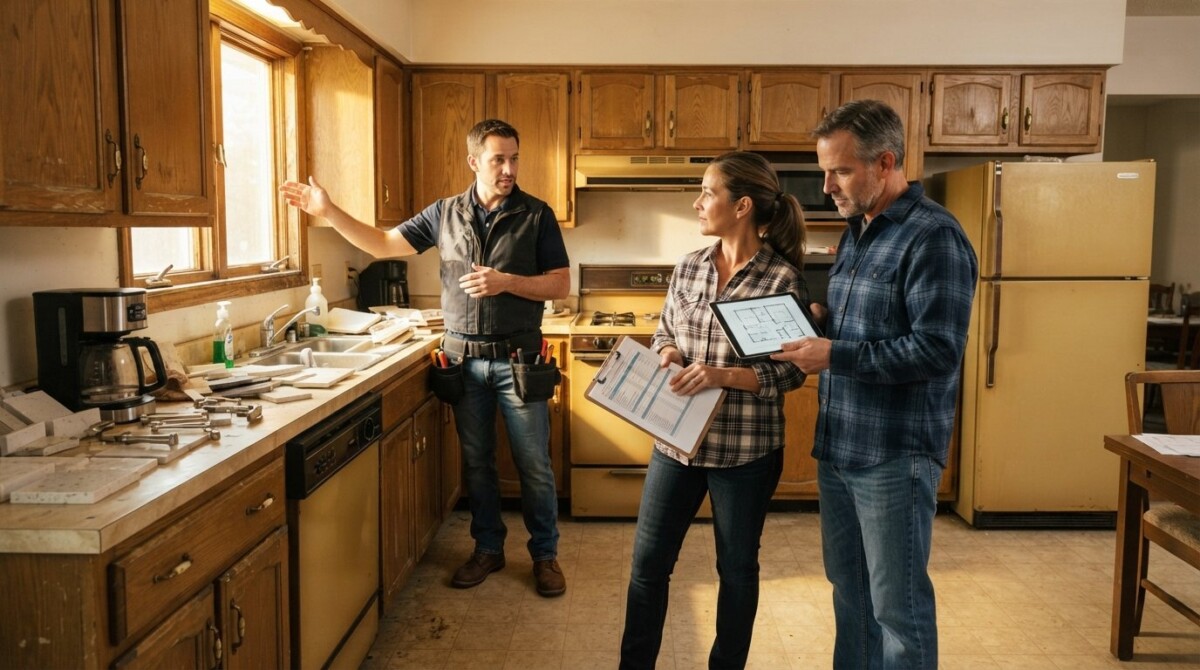
Picture this: it’s early 2026, and you’re standing in your 25-year-old kitchen. The cabinets are worn, the countertops are dated, and the layout feels cramped. You’ve been thinking about remodeling for months, but you’re haunted by one question: is remodeling worth it in 2026? With inflation, shifting housing prices, and new design trends, the answer is not as simple as it used to be. This guide breaks down the real costs, the actual returns, and the hidden benefits so you can decide with confidence.
Before diving into numbers, understand that a remodel is not just a financial transaction. It’s about how you live every day, how your home functions for your family, and how it will appeal to future buyers. In 2026, the calculus has changed. Interest rates may be stabilizing, but labor costs remain high, and material prices are still volatile. Yet, many homeowners are choosing to renovate rather than move, driven by a desire to adapt their current space to new work-from-home needs, multigenerational living, or simply to enjoy a more modern environment.
The 2026 Value Equation: Cost vs. Resale Value
When asking is remodeling worth it in 2026, start with the most tangible metric: return on investment (ROI). National averages from remodeling magazines and real estate reports suggest that most projects recoup only 50% to 80% of their cost at resale. For example, a minor kitchen remodel might return around 75%, while a lavish master suite addition could return just over 50%. These figures, however, are national averages. Your actual return depends heavily on your neighborhood, the quality of work, and the local real estate market.
In 2026, the gap between projects that add value and those that don’t is widening. Energy-efficient upgrades, like new windows or a high-efficiency HVAC system, are increasingly attractive to buyers who face rising utility costs. Smart home features, such as programmable thermostats and security systems, also add appeal without a massive price tag. On the other hand, highly personalized choices, like a wine cellar or a home theater with exotic finishes, may not pay off unless a buyer shares your specific tastes.
To get a clearer picture, consider the following ROI benchmarks for common projects in 2026:
- Entry door replacement (steel): up to 90% ROI, a high-impact curb appeal boost.
- Garage door replacement: around 85% ROI, one of the best low-cost investments.
- Minor kitchen remodel (refacing, new hardware, mid-range appliances): 70% to 80% ROI.
- Bathroom remodel (mid-range, no layout change): 60% to 70% ROI.
- Backyard patio or deck addition: 50% to 65% ROI, depending on climate.
These numbers are useful, but they don’t capture the full picture. A remodel that only breaks even at resale can still be worthwhile if you enjoy the space for years. The real question is whether the non-financial benefits justify the cost, which brings us to the next critical factor.
Hidden Benefits That Go Beyond the Checkbook
Many homeowners find that remodeling dramatically improves their quality of life, which is a form of return that never appears on a resale report. For instance, if you work from home, a dedicated office with proper lighting and soundproofing can boost your productivity and reduce stress. If you have aging parents moving in, a bathroom with walk-in tub and grab bars can prevent accidents and provide peace of mind. These lifestyle gains are subjective but often outweigh the financial ROI.
Another hidden benefit is increased energy efficiency. Replacing old windows, adding insulation, or upgrading to a tankless water heater can lower monthly bills significantly. Over five to ten years, these savings can offset a portion of the renovation cost. In 2026, with energy prices still unpredictable, this is a powerful motivator. A well-insulated home also feels more comfortable in extreme weather, reducing the strain on your HVAC system.
Finally, consider maintenance costs. An older home may be a money pit, with frequent repairs to aging systems. By remodeling, you’re not just making things look better; you’re proactively addressing structural issues. For example, redoing a bathroom often reveals water damage that, if left unchecked, could lead to mold and costly remediation. In this light, remodeling is preventative medicine for your home, a way to avoid surprise bills down the road.
Market Conditions and Timing in 2026
The broader economic climate plays a huge role in whether is remodeling worth it in 2026. If you’re planning to sell within two years, the timing of your project matters. In a seller’s market, where homes sell quickly and for top dollar, you may not need to remodel at all. In a buyer’s market, however, updates can make your listing stand out and justify a higher asking price. Currently, many regions are seeing a cooling market, so strategic improvements are more important than ever.
Also consider the cost of financing. If you’re paying cash, you avoid interest, but you’re tying up capital that could be invested elsewhere. If you’re taking out a home equity loan or using a credit card, interest rates in 2026 remain higher than the historic lows of recent years. This means your project’s effective cost is higher, so you need a higher return to break even. Homeowners who locked in a low mortgage rate years ago may find it cheaper to remodel than to move and take on a new loan at a higher rate.
Another timing consideration is the season. Contractors are often busier in spring and summer, leading to longer wait times and potentially higher quotes. Scheduling a remodel in late winter or early fall might get you better rates and more attentive service. In 2026, with supply chains more stable than during the pandemic, lead times for materials have shortened, but skilled labor is still in high demand. Booking early, even if your start date is months away, can lock in a rate and secure your contractor.
How to Make Your Remodel a Smart Investment
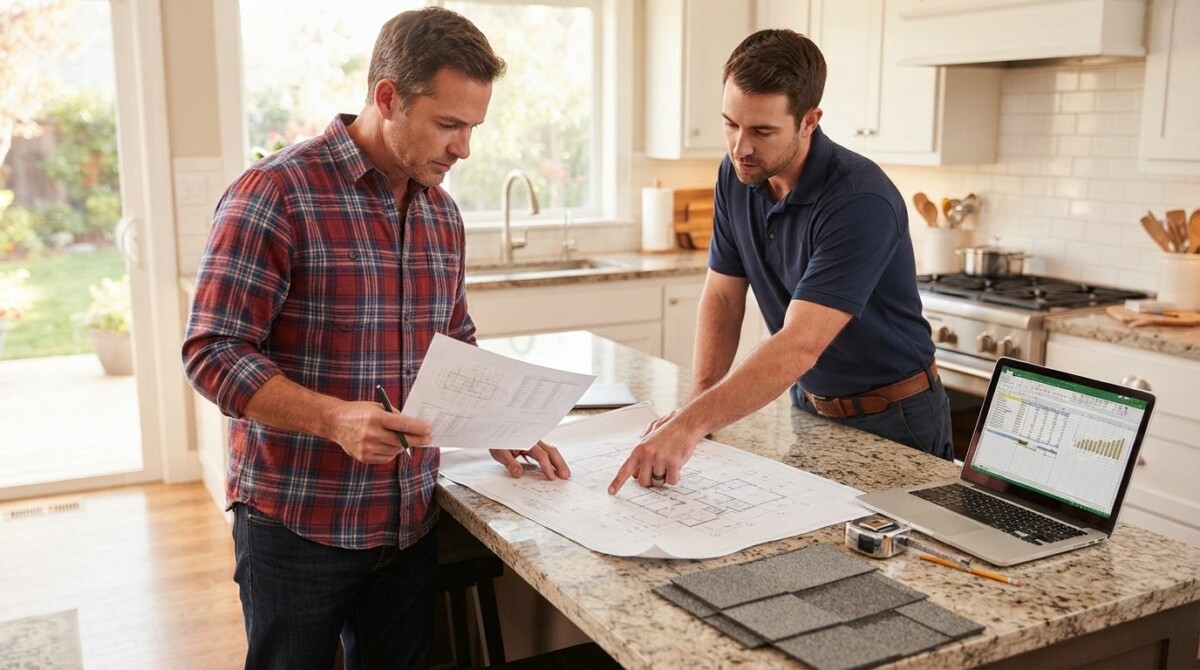
If you’ve decided to move forward, the next step is to plan carefully to maximize your return. Start with a clear budget that includes a 20% contingency fund for unexpected issues. Then, prioritize projects that offer both personal enjoyment and resale value. Kitchens and bathrooms are typically the highest-impact rooms, but even a simple update, like new lighting or fresh paint, can transform a space at a low cost.
Next, think like a buyer. What would a typical family in your area want? Neutral colors, durable materials, and open layouts are safe bets. Avoid overly trendy designs that might look dated in five years. For example, a kitchen with white shaker cabinets, quartz countertops, and stainless steel appliances appeals to a wide audience. A bathroom with a frameless glass shower and a double vanity is a classic choice. By staying within the mainstream, you protect your investment.
Finally, work with professionals who can deliver quality on time and on budget. This is where our article on remodeling worth provides a deeper dive into specific project values. But more importantly, you need a contractor who is reliable. A poorly executed remodel can actually lower your home’s value, so vet your contractor thoroughly. Check references, read reviews, and verify licenses and insurance. A good contractor will also help you make cost-effective choices, like suggesting alternative materials that look premium but cost less.
The Role of a General Contractor vs. Specialists
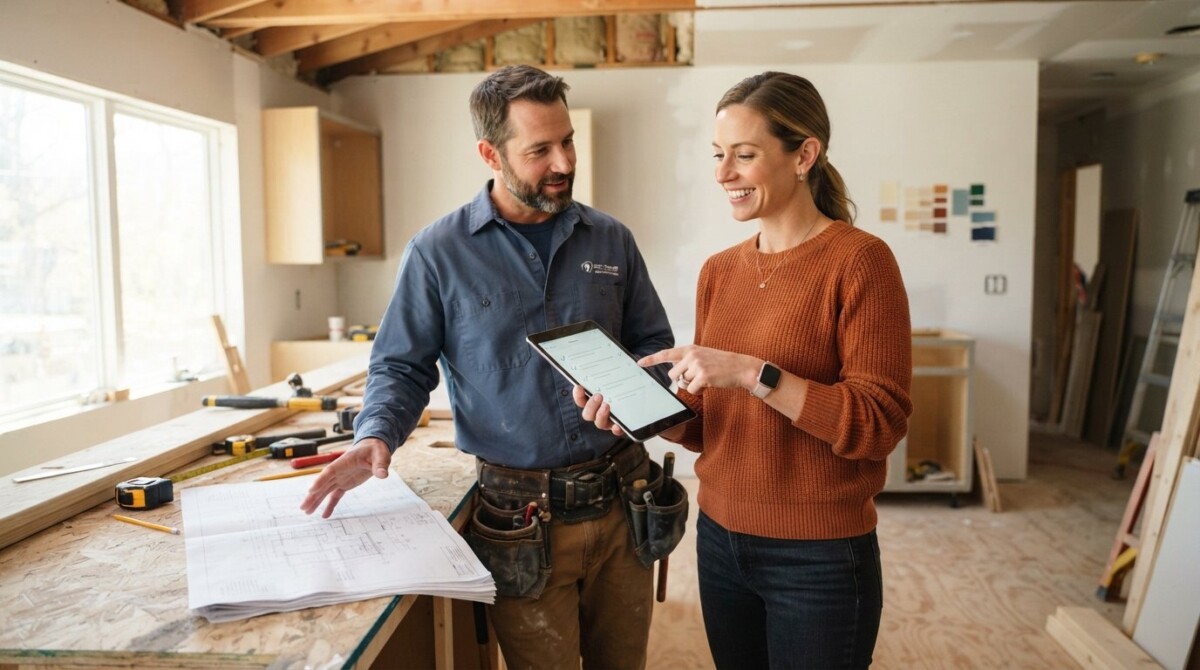
One decision that significantly impacts your budget and stress level is whether to hire a general contractor or individual specialists. A general contractor manages the entire project, from hiring and scheduling subcontractors to pulling permits and handling inspections. This convenience comes at a price, usually 10% to 20% of the total project cost. For complex remodels involving structural changes, plumbing, and electrical work, a general contractor is often essential to avoid costly mistakes.
For simpler projects, like a bathroom refresh or a kitchen countertop replacement, you might hire a skilled tradesperson directly. This could save money, but it places the burden of coordination on you. You’ll need to schedule inspections, order materials, and ensure the work meets code. If you have the time and expertise, this can be rewarding. If not, the added stress and potential for errors might not be worth the savings.
In 2026, the labor shortage in construction is still a concern, which means finding qualified specialists may be harder. This is where a lead generation service like Home Remodeling Leads becomes invaluable. It connects you with pre-screened, vetted contractors in your area who are actively seeking work. Instead of cold-calling and hoping for the best, you can review profiles, compare quotes, and choose a professional who fits your needs and budget, all without the risk of hiring an unqualified handyman.
Alternatives to a Full Remodel
If the cost of a full remodel is daunting, consider lighter alternatives that still refresh your home. For kitchens, cabinet refacing or painting can give a new look for a fraction of the price. Replacing dated hardware, faucets, and light fixtures also has a big impact for under $500. In bathrooms, reglazing a tub or replacing a vanity top can transform the space without tearing out tile.
For the whole house, a fresh coat of paint in a modern neutral palette, updating outlet covers and switch plates, and installing new flooring over old subfloors can make a space feel new. These cosmetic updates may not add as much resale value as a full remodel, but they can improve your daily enjoyment and help you decide if you really need to do more. They also buy you time to save for a larger project.
Another smart strategy is to phase your remodel. Instead of doing everything at once, tackle one room per year. This spreads out the cost and allows you to adjust your plans as your budget changes. It also means you can live in a construction zone for shorter periods, reducing disruption to your routine. Many homeowners find that after updating the kitchen, they want to prioritize the master bathroom next, rather than the guest bath they originally planned.
Pitfalls That Can Turn a Remodel into a Money Pit
The most common mistake is over-improving for your neighborhood. If every home on your block is a modest three-bedroom ranch, adding a $150,000 luxury addition won’t yield a proportional return. You’ll likely price your home above the market ceiling, making it hard to sell. Instead, aim to match the upper-middle range of homes in your area. This ensures you don’t price yourself out of local buyer budgets.
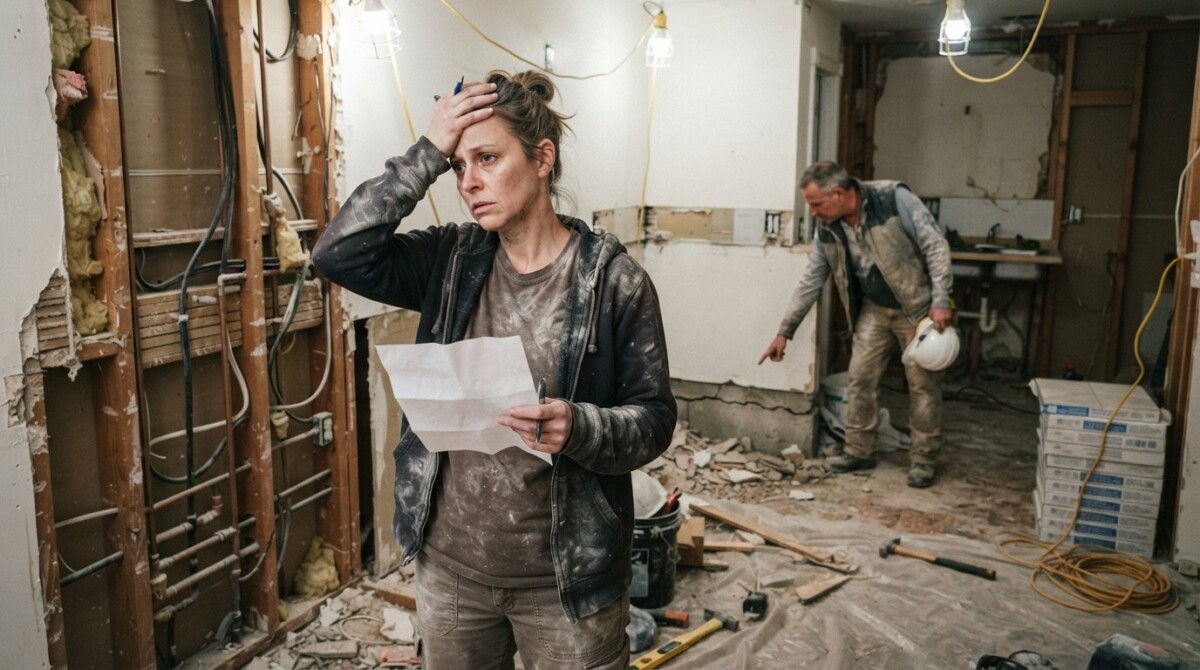
Another pitfall is ignoring critical structural issues in favor of aesthetics. A beautiful kitchen won’t be worthwhile if your roof is leaking or your foundation has cracks. Before you spend on new countertops, have a home inspector or structural engineer assess the property. Fixing major systems first, even if it’s less glamorous, protects your investment and prevents future disasters.
Finally, don’t get caught up in the excitement and overspend. It’s easy to upgrade finishes and add extras until your budget balloons. Set a firm budget and stick to it, making key decisions before work begins. If you find something you love that costs more, identify a cut elsewhere. For example, splurge on the kitchen island countertop but choose a standard stock cabinet finish instead of custom. Remember, bathroom remodeling leads and kitchen leads can help you find contractors, but the financial discipline must come from you.
Making the Final Decision
So, is remodeling worth it in 2026? The answer depends on your circumstances. If you plan to sell soon, focus on high-ROI, low-cost updates that appeal to a broad audience. If you’ll stay for five or more years, remodel for your own happiness, but still choose durable, classic materials. In both cases, the key is to balance your desires with financial prudence. A well-planned remodel can be one of the best investments you make, both in your home and in your quality of life.
To maximize your chances of success, start with a solid plan and a realistic budget. Then, find the right partner. Use resources like lead pricing to understand what it might cost to hire a contractor in your area. Ultimately, the decision is yours. Weigh the numbers, consider the intangibles, and trust your instincts. A remodel is a journey, and in 2026, it can truly transform your home into the space you’ve always wanted.
About the Author: David