Verified Homeowner Leads That Boost Remodeling Sales
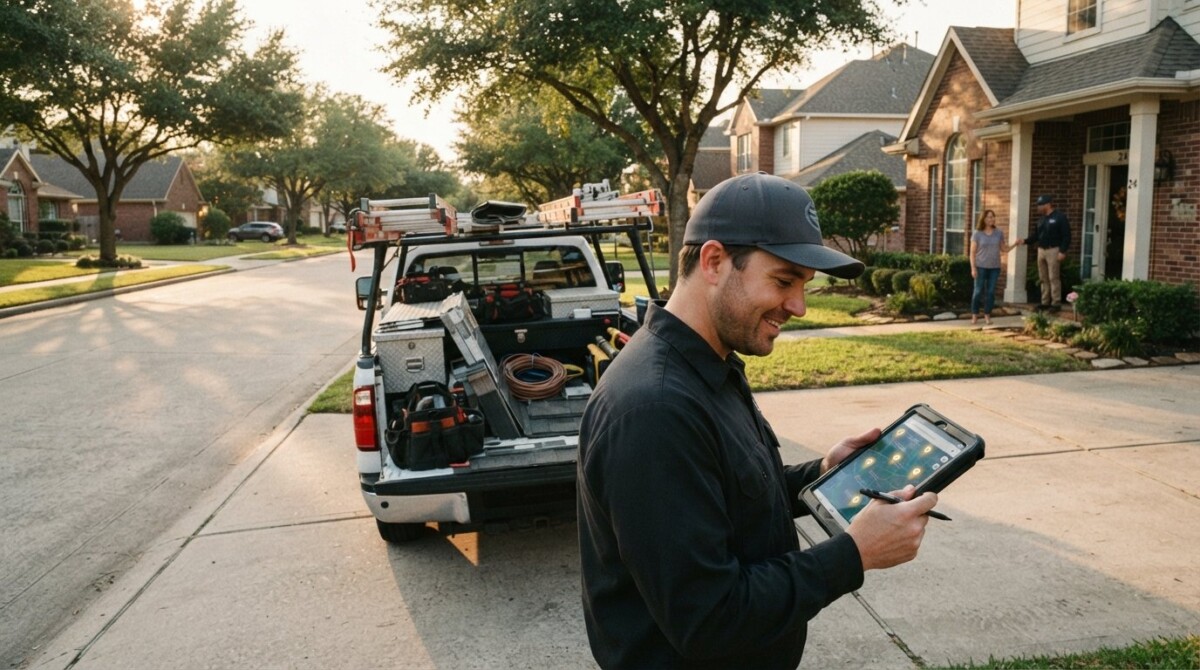
You just spent the morning driving across town to give an estimate on a bathroom remodel only to find the homeowner is “just looking” and has no real timeline. Worse, you later learn that three other contractors were also invited to bid, and the homeowner chose the cheapest quote without ever checking your credentials. This scenario is far too common for contractors who rely on random referrals or cold calls. The cure is a steady flow of verified homeowner leads: contacts who are actively seeking your services, have confirmed project details, and are ready to engage.
Verified homeowner leads are not just a list of names and phone numbers. They are carefully screened inquiries from property owners who have expressed a genuine need for a specific type of work, such as a roof replacement, window installation, or kitchen renovation. For a remodeling contractor, these leads represent the difference between chasing prospects and closing projects. This article explains what makes a lead “verified,” why it matters for your bottom line, and how to integrate a lead service into your business without wasting your marketing budget.
What Makes a Homeowner Lead Verified?
A lead is considered verified when the homeowner has taken a specific action that confirms their intent and project details. Verification goes beyond simply filling out a form with a name and email address. It involves cross-checking the information, confirming the property location, and often having a phone conversation to ensure the project is real and the timeline is reasonable.
For example, a verified lead might come from a homeowner who submits a request for a bathroom remodel, provides their address, answers questions about the scope of work, and indicates that they want to start within the next month. The lead provider then validates that the phone number is active, the address matches the homeowner’s information, and the project details are consistent. Only after passing these checks is the lead sent to a contractor.
Here are the key components that typically define a verified homeowner lead:
- Confirmed contact and property details: The homeowner’s name, phone number, and address are validated against public records or other data sources.
- Active project intent: The homeowner has explicitly stated they are planning a renovation or repair and are seeking professional bids.
- Specific project scope: Details such as the type of work, approximate size, and desired timeframe are captured to help you qualify the job.
- No duplicate or fraudulent entries: The lead provider filters out duplicate submissions and flags suspicious activity to prevent wasted calls.
When you purchase verified homeowner leads, you are paying for a higher level of confidence that the person on the other end of the phone is a real prospect, not a tire-kicker or a competitor gathering prices. That confidence saves you hours of administrative work and lets you focus your energy on preparing accurate bids and delivering excellent customer service.
Why Contractors Should Prioritize Verified Leads
The home improvement industry is crowded, and homeowners have more options than ever. They can request quotes from multiple companies with a few clicks, which often leads to a race to the bottom on price. But verified leads flip that dynamic. When a homeowner has taken the time to provide detailed project information and has been screened by a lead provider, they are more likely to be serious about hiring a professional, even if that means paying a fair price for quality work.
Consider the cost of chasing unverified leads. You spend fuel, time, and effort driving to estimates, preparing proposals, and following up. If even half of those leads are not ready to commit, your effective cost per bid skyrockets. Verified leads, on the other hand, reduce the number of dead-end estimates you give. Many contractors report that they close a higher percentage of jobs from verified leads compared to organic inquiries or purchased lists that have not been screened.
Another advantage is the quality of the conversation. Homeowners who are genuinely ready to start a project are better prepared to discuss budgets, timelines, and material preferences. They are more receptive to your professional advice and less likely to negotiate aggressively on every line item. This makes the sales process smoother and more enjoyable, and it often leads to higher average project values because the client trusts your expertise.
For a contractor, time is money. Every hour spent on an unqualified lead is an hour not spent on a paying job. By using a service that delivers verified homeowner leads, you can allocate your estimating time to prospects with a high probability of moving forward. That efficiency directly improves your profitability and allows you to take on more projects without expanding your marketing overhead.
How to Use Verified Homeowner Leads Effectively
Purchasing verified leads is only the first step. To see a strong return on your investment, you need a system for responding quickly, qualifying the lead further, and converting the inquiry into a scheduled appointment. Homeowners who submit a request through a lead service are often contacting multiple contractors, so speed matters. A lead that is older than 24 hours may already be lost to a competitor.
Here is a practical process for converting verified leads into booked jobs:
- Respond immediately: Call the homeowner within the first hour of receiving the lead. If you cannot call, send a text message or email to confirm that you received their request and set a time to talk.
- Ask qualifying questions: Confirm the project scope, timeline, and budget range. Ask about any previous bids they have received and what influenced their decision to reach out now.
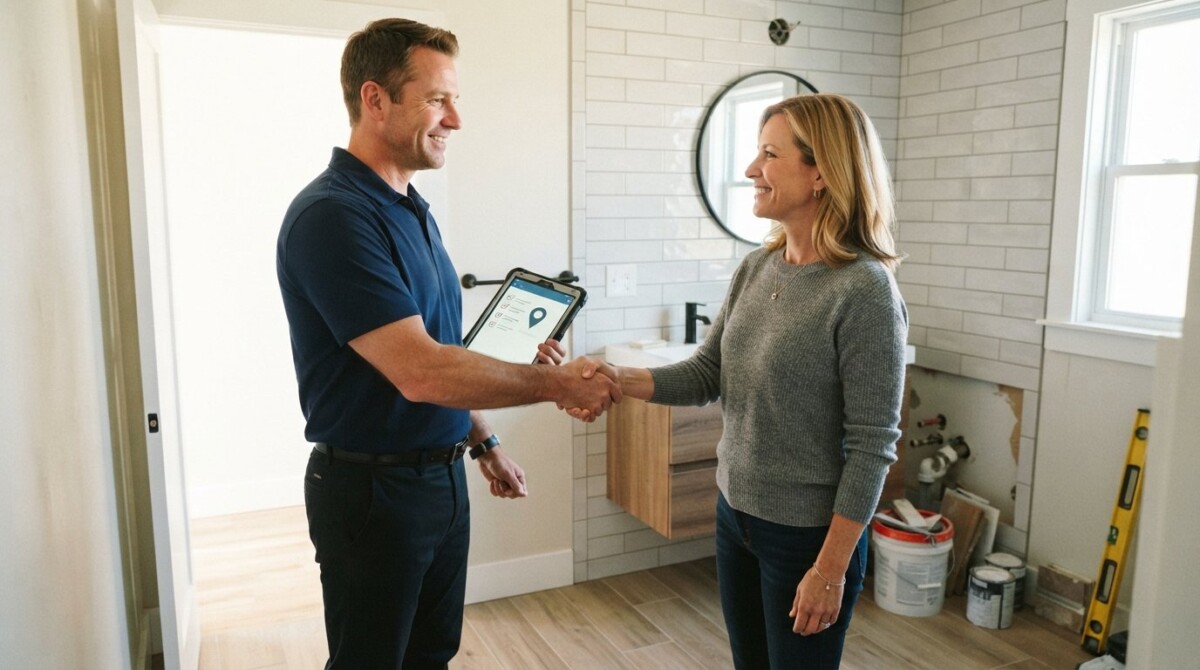
- Schedule a site visit: Offer two or three specific times for an in-home consultation. A concrete appointment is much harder to cancel than a vague “I’ll call you later.”
- Prepare a detailed proposal: After the visit, send a professional estimate that breaks down costs, materials, and a realistic timeline. Use your expertise to suggest value-added options.
- Follow up consistently: If you do not hear back within a few days, send a polite follow-up message. Many homeowners need a gentle nudge to make a final decision.
This process works because it treats every verified lead as a serious opportunity. You are not waiting for the homeowner to chase you; you are taking control of the sales cycle and guiding them toward a decision. The result is a higher close rate and a more predictable pipeline of work.
Beyond the initial conversion, you should also track which lead sources produce the best results. Keep a simple spreadsheet or use a CRM to record the source of each lead, the project value, and the outcome. Over time, you will see which types of verified homeowner leads generate the most profitable jobs for your specific market and service area. This data helps you refine your marketing spend and focus only on the channels that work.
Choosing the Right Lead Provider
Not all lead generation companies are equal. Some sell raw contact lists with no verification, while others offer a fully managed service where a representative speaks directly with the homeowner and schedules an appointment for you. The right choice depends on your budget, your team’s capacity, and your tolerance for follow-up work.
When evaluating a provider, ask about their verification process. Do they manually call each homeowner? Do they confirm project details and budget? How do they handle duplicate leads or fraudulent submissions? A reputable provider will be transparent about their methods and offer a satisfaction guarantee or credit for leads that are clearly invalid.
Also, consider the provider’s focus. Some companies specialize in roofing leads, others in bathroom remodeling, and still others in general home improvement. You want a provider that understands your trade and can deliver leads that match your service area and project size. For example, if you are a bathroom remodeler in Arizona, look for a service that has a track record of delivering bathroom-specific leads in that region.
HomeRemodelingLeads is one such platform that connects contractors with high-intent homeowners across categories like roofing, windows, bathrooms, and HVAC. They pre-qualify leads by confirming the project details and homeowner intent, which helps reduce wasted time. If you are exploring lead buying for the first time, it is wise to start with a small package to test the quality before committing a large budget. Read reviews, ask for references, and compare pricing structures to ensure you are getting value, not just volume.
Looking at the broader landscape, there are also valuable resources to help you understand the lead buying process better. For instance, our guide on contractor growth leads explains how to scale your business using a consistent stream of inquiries. Additionally, if you are new to digital marketing, our article on digital remodeling leads offers strategies to win more jobs online. And for those focusing on geographic targeting, our piece on local contractor leads near me provides insights into hyper-local outreach. These resources complement your use of verified leads and help you build a comprehensive growth plan.
Costs and ROI of Verified Homeowner Leads
The cost of verified homeowner leads varies widely by trade and location. Roofing leads might cost between $20 and $50 each, while bathroom remodeling leads can range from $30 to $100 or more. The price reflects the level of verification and the competition in your area. High-ticket projects like kitchen remodels or whole-home renovations often command higher prices because the potential contract value is larger.
To determine if a lead service is worth the investment, calculate your conversion rate and average job value. For example, if you close one out of every five verified leads and your average bathroom remodel is worth $15,000, then each lead has an expected value of $3,000. Even if you spend $100 per lead, your return is substantial. The key is to track your numbers and adjust your approach if you are not closing at a reasonable rate.
Another consideration is the opportunity cost of not using a lead service. If you are spending hours each week on cold calling, door knocking, or waiting for referrals, you are losing billable time. A steady stream of verified homeowner leads allows you to keep your crews busy and your schedule full, which is often more valuable than saving a few dollars on marketing.
Finally, remember that lead buying is not a one-time fix. It works best when combined with a strong reputation, excellent customer service, and a follow-up system that keeps you top-of-mind. Homeowners who do not choose you immediately might call you six months later for a different project, so always leave a positive impression.
In summary, verified homeowner leads are a powerful tool for remodeling contractors who want to grow their business without the guesswork of traditional marketing. By understanding what makes a lead verified, using a proven conversion process, and choosing a reputable provider, you can fill your pipeline with high-quality prospects and close more jobs. The investment in these leads often pays for itself many times over, giving you the confidence to plan your schedule and the freedom to focus on the craft you love.
About the Author: Mason Caldwell