Automate Remodeling Lead Follow Up, Keep It Personal
Master automating remodeling lead follow up without losing the personal touch. Call (510)-663-7016 for expert guidance.

By Nathan Adler
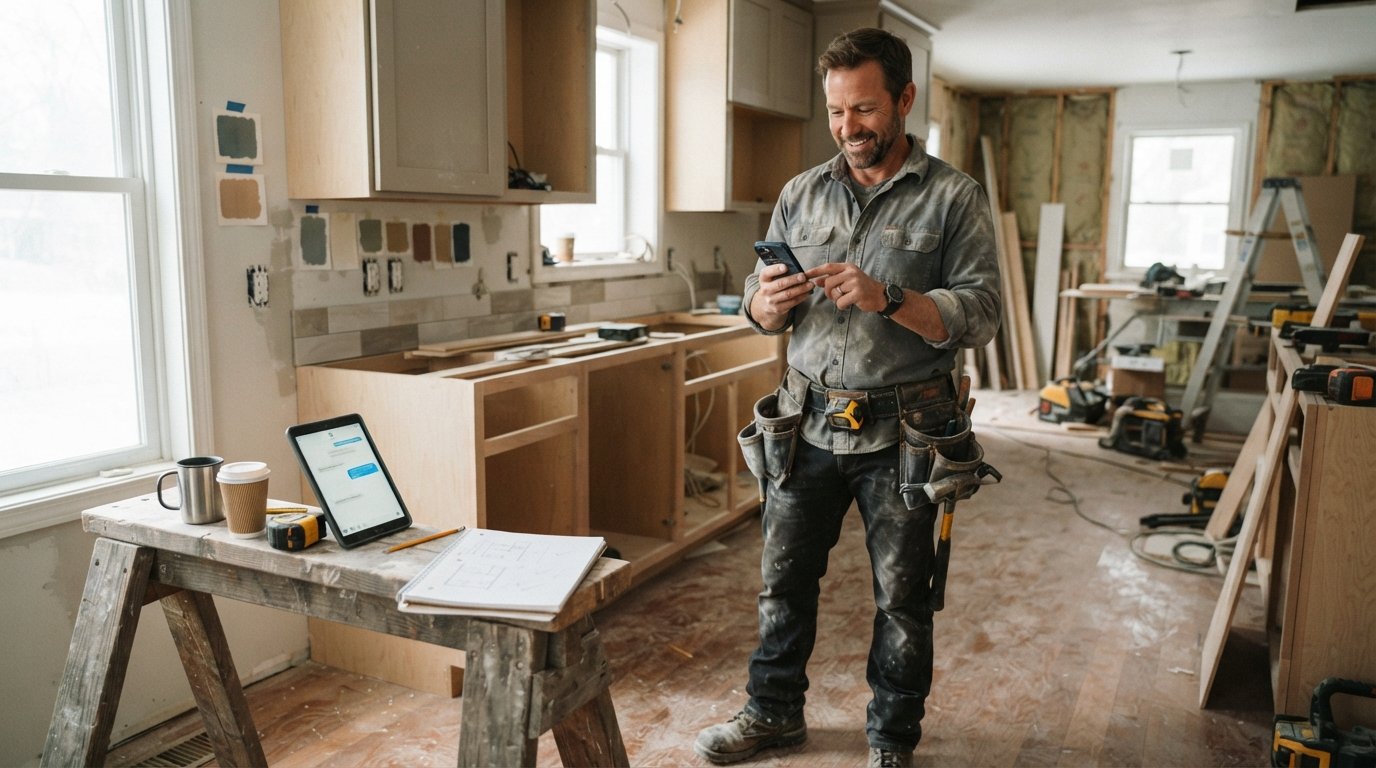
You just wrapped up a site walkthrough, and the homeowner seemed genuinely excited about the kitchen redesign. Two days later, you send a quick check-in text, but the reply is short: "We went with someone else." The truth is, you did not lose the job because of price or portfolio. You lost it because the other contractor responded faster and stayed in touch without feeling like a robot. Speed and consistency win remodeling leads, but so does warmth. The challenge is figuring out how to automate remodeling lead follow up without losing the personal touch. That balance is not only possible, it is the difference between a lead list that collects dust and a pipeline that actually converts.
At HomeRemodelingLeads, we connect contractors with homeowners who are actively planning renovations, from bathroom remodels to roofing replacements. Our platform delivers high-intent leads, but the follow-up is where the real work begins. In this guide, we will walk through which steps are safe to automate, how to personalize templates so they feel handwritten, where automation breaks down on high-ticket projects, and how to audit your sequences so quality never slips.
Why Follow-Up Speed and Consistency Matter for Remodeling Leads
Homeowners researching a remodel often contact three or four contractors in a single evening. The first contractor to respond with a thoughtful, relevant message has a massive advantage. Studies across industries show that responding within five minutes dramatically increases the chance of a conversation. In remodeling, where the average project value can run from a few thousand dollars to well over six figures, that first impression carries real financial weight.
But speed without consistency is just a lucky break. A lead that gets a fast text but no follow-up for two weeks feels abandoned. Automation solves the consistency problem by ensuring every lead gets a sequence of touches at the right intervals: an immediate acknowledgment, a next-day check-in, a few value-add messages, and a final nudge. When those touches are designed with personal details, they do not feel automated at all. They feel attentive.
The contractors who thrive with our platform understand that buying leads is only half the equation. The other half is a follow-up system that treats every lead like a real person with a real project. That is where the balance between automation and personal touch becomes a competitive advantage.
Which Follow-Up Steps Are Safe to Automate
Not every part of the follow-up process should be handed to software. The safest automations are the ones that remove repetitive work without removing judgment. Think of automation as your assistant, not your replacement. Here are the steps that generally work well when automated:
- Initial response and acknowledgment: A text or email sent within minutes confirming receipt of the inquiry and setting expectations for the next call.
- Appointment reminders and confirmations: Automated reminders before a site visit reduce no-shows and free up your time for actual consultations.
- Educational drip sequences: Sending a short series of helpful messages (project checklists, budget tips, portfolio links) keeps you top of mind between conversations.
- Post-estimate follow-up: A scheduled check-in a few days after sending a quote shows you are engaged without being pushy.
- Review and referral requests: After a project wraps, automated requests for feedback or referrals are easy wins.
These steps are transactional and time-sensitive, which makes them ideal for automation. They do not require you to read the room or adjust tone based on a homeowner's mood. They simply keep the relationship moving forward. The key is to design each message so it sounds like you, not like a generic template.
What should you avoid automating? Anything that requires emotional intelligence or negotiation. Discussing a budget concern, responding to a complaint, or handling a scope change should always be a live conversation. Homeowners hiring a remodeler are making a high-stakes decision, and they want to feel heard by a human when it matters most.
Personalization Fields That Make Templates Feel Written
The difference between a template that feels robotic and one that feels personal often comes down to a few well-chosen details. Modern CRM and lead management tools let you merge fields like name, project type, and timeline, but the best contractors go a step further. They use information from the lead intake form to craft messages that reference the specific project.
For example, a bathroom remodeling lead from our platform might include details about whether the homeowner is ready to hire or still in the planning stage. A message that says, "Hi Sarah, I saw you are planning a bathroom refresh and wanted to share a quick checklist for budgeting tile and fixtures" feels far more relevant than a generic "Thanks for your inquiry." The personalization field does the heavy lifting, but the message still sounds like a human wrote it.
Here are the personalization elements that make the biggest impact:
- First name and project type: The basics, but use them naturally in the first sentence.
- Project stage: Acknowledge whether they are planning, comparing quotes, or ready to hire.
- Specific details from the intake form: Reference the room, the style, or the timeline they mentioned.
- Local context: Mention the neighborhood or nearby projects you have completed.
- Preferred communication channel: Some homeowners prefer text, others email or phone. Respect that preference.
When you combine these fields with a conversational tone, the result is a message that feels like it was written just for that homeowner. That is the sweet spot for automating remodeling lead follow up without losing the personal touch. It is not about tricking anyone; it is about showing that you paid attention.
Where Automation Fails on High-Ticket Projects
Automation is a powerful tool, but it has limits, especially when the project value climbs. A $25,000 kitchen remodel or a $50,000 addition involves a different level of emotional and financial commitment than a minor repair. Homeowners in this bracket want reassurance, expertise, and a sense of partnership. An automated sequence alone will not close that gap.
The most common failure point is relying on automation to handle objections or complex questions. If a homeowner replies to an automated email with a concern about permits or structural work, a canned response can feel dismissive. High-ticket buyers are evaluating your judgment and communication style as much as your portfolio. They want to know that the person who will manage their project is thoughtful and responsive.
Another failure point is over-automation of the scheduling process. While automated reminders are helpful, the actual consultation should be booked with a human touch. A quick call to confirm the appointment and ask a few clarifying questions sets a warmer tone than a calendar link alone. For high-value projects, the follow-up sequence should include more live touchpoints and fewer scripted messages. Automation can handle the logistics, but the relationship needs real conversation.
Contractors expanding into a new category, such as adding bathroom remodeling to a roofing business, face an even steeper learning curve. In our guide on home remodeling leads for contractors expanding, we explain how to adjust your follow-up approach when you are entering a new service area. The key is to recognize that different project types require different levels of personal engagement.
Auditing Automated Sequences for Response Quality
Even the best-designed automation can drift over time. Templates get stale, merge fields break, and messages that once felt fresh start to sound repetitive. That is why regular audits are essential. A good audit checks both the technical performance and the human feel of your sequences.
Start by reviewing the open and response rates for each message in your sequence. A sudden drop in replies often signals that a message is too long, too generic, or poorly timed. Next, read the messages as if you were a homeowner receiving them. Do they sound like a person? Do they reference the specific project? Would you reply to them? If the answer is no, it is time to revise.
Here is a simple audit framework you can run every quarter:
- Check deliverability and timing: Ensure messages are landing in inboxes and arriving at reasonable hours.
- Review personalization accuracy: Spot-check a sample of sent messages to confirm merge fields are populating correctly.
- Read for tone and relevance: Evaluate whether each message sounds human and references the lead's specific project.
- Measure response and conversion rates: Compare performance against your baseline and identify underperforming steps.
- Gather feedback from your team: Ask the people making calls whether the automated messages are helping or hurting the conversation.
If you need a reliable way to route and manage leads before automation even begins, consider a platform like PingPost.Exchange, which specializes in real-time lead distribution and tracking. It can help ensure that the right leads reach the right follow-up sequence at the right time.
Auditing is not a one-time task. As your business grows and your lead volume increases, your sequences need to evolve. What works for 10 leads a week may not work for 50. Regular reviews keep your automation sharp and your personal touch intact.
Building a Balanced Follow-Up System That Scales
The most successful contractors treat follow-up as a system, not a series of isolated actions. They map out every touchpoint from the moment a lead arrives to the moment a project is signed, and they decide which steps are automated and which are live. This map becomes the backbone of their growth.
A balanced system typically includes a mix of automated and manual touches. The automated steps handle timing and consistency, while the manual steps handle relationship-building and complex conversations. For example, an automated text might go out immediately after a lead is purchased, but the first phone call is made by a real person within the hour. An automated email might share a portfolio, but a personal follow-up call happens after the estimate is sent.
This approach allows you to scale without sacrificing quality. As you add more leads, the automation handles the repetitive work, freeing your team to focus on the conversations that matter. The personal touch is not lost; it is concentrated where it has the most impact.
At HomeRemodelingLeads, we see contractors succeed when they combine our high-intent leads with a thoughtful follow-up process. Our platform provides the raw material, but your system turns it into revenue. Whether you are a roofer, a window installer, or a bathroom remodeler, the principles are the same: respond fast, personalize deeply, and know when to pick up the phone.
Final Thoughts
Automating remodeling lead follow up without losing the personal touch is not about choosing between efficiency and warmth. It is about designing a system where each supports the other. Automate the repetitive steps so you have more time for the conversations that close deals. Personalize every message so homeowners feel seen and respected. Audit regularly so your sequences stay sharp. When you get this balance right, your follow-up becomes a competitive edge that turns leads into lifelong clients.