Energy Efficient Home Upgrades That Save Money and Add Comfort
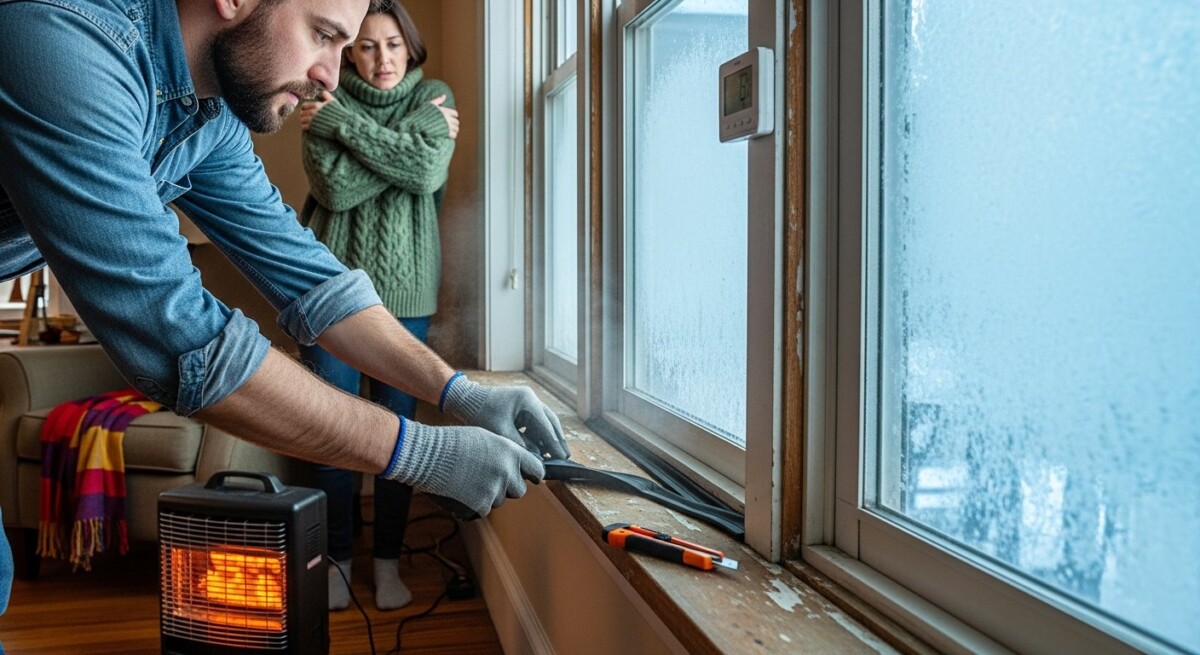
You walk into your living room on a chilly winter morning and feel a draft near the window. Your heating system has been running nonstop, yet certain rooms never feel warm. You open your monthly utility bill and wince at the number. This is how most homeowners first realize their home is leaking energy. What starts as a small discomfort can quietly drain your budget, lower your home’s value, and make your living space less enjoyable. If you have been putting off energy efficient home upgrades, you are not alone,but the cost of waiting adds up faster than you might think.
Understanding Energy Efficient Home Upgrades
Energy efficient home upgrades are improvements that reduce the amount of energy your home needs to stay comfortable. These upgrades can include better insulation, high-performance windows, energy-saving appliances, smart thermostats, and sealing air leaks around doors and ductwork. The goal is simple: use less energy while keeping your home at the temperature you want.
Most homes, especially those built more than 20 years ago, were not designed with modern energy standards in mind. Builders used materials that were affordable at the time but are now outdated. Over the years, seals wear down, insulation settles, and windows lose their ability to block heat transfer. Homes in extreme climates,very hot summers or cold winters,tend to feel the effects most, but any home can benefit from targeted upgrades.
Why Older Homes Often Need More Work
If your home was built before 2000, it likely has less insulation in the attic and walls than newer codes require. Single-pane windows are common in older homes, and they offer almost no thermal protection. Even homes built in the last decade may have weak spots around windows, doors, and ductwork where air escapes. A professional energy audit can pinpoint exactly where your home is losing energy, giving you a clear roadmap for upgrades.
Why This Matters for Your Home
Ignoring energy inefficiency does more than raise your bills. Over time, air leaks and poor insulation can cause moisture problems. Warm, humid air meeting cold surfaces can lead to condensation, which promotes mold growth and wood rot. This can damage drywall, flooring, and even your home’s structural framing. The safety of your family can also be affected,drafty homes may have uneven temperatures that stress heating and cooling systems, increasing the risk of breakdowns or carbon monoxide leaks from poorly maintained equipment.
Comfort is another big factor. Rooms that are too hot or too cold make daily life less enjoyable. You might avoid certain parts of your home during extreme weather. Energy efficient upgrades fix these imbalances, so every room feels comfortable year-round. And because energy prices tend to rise over time, the longer you wait, the more money you lose to wasted energy. A relatively small investment now can pay for itself through lower monthly bills within a few years.
If you notice signs of this issue in your home, it may help to speak with a qualified contractor. Request a free quote or call to explore your repair or remodeling options.
Common Problems Homeowners Experience
Many homeowners do not realize how much energy they are losing until they start looking for the signs. Drafts around windows and doors are the most obvious clue, but there are other symptoms that are just as telling. Your HVAC system may run longer than it should, or certain rooms may feel stuffy while others are drafty. Ice dams on your roof in winter can indicate poor attic insulation and ventilation.
These problems are not just annoying,they are signals that your home is working against you. Addressing them early prevents more expensive repairs down the road. Here are some of the most common issues homeowners face:
- Drafts near windows, doors, or electrical outlets
- Uneven room temperatures from one area to another
- High energy bills that keep rising despite normal usage
- Condensation or frost on windows during cold weather
- Peeling paint or wallpaper near exterior walls
- Ductwork that feels hot or cold to the touch in unconditioned spaces
How Professionals Solve the Problem
Experienced contractors approach energy efficiency upgrades systematically. They start with a thorough inspection to identify where your home is losing energy. This may include a blower door test to measure air leakage and a thermal imaging scan to spot hidden gaps in insulation. Once the problem areas are clear, they create a customized plan that prioritizes the upgrades that will give you the biggest return.
The installation process varies depending on the upgrade, but here is a typical workflow for a comprehensive energy efficiency project:
- Assessment: The contractor evaluates your home’s current energy performance using diagnostic tools.
- Air sealing: Gaps and cracks around windows, doors, pipes, and attic hatches are sealed with caulk, foam, or weatherstripping.
- Insulation upgrade: Attic, wall, and crawl space insulation is added or replaced to meet current R-value recommendations.
- Window and door work: Old, leaky windows and doors may be repaired or replaced with energy-efficient models.
- HVAC optimization: Ductwork is sealed and insulated, and the heating and cooling system is tuned or upgraded for better efficiency.
- Final testing: The contractor retests your home to confirm that air leakage has been reduced and performance has improved.
Professional work is safer and more reliable than DIY fixes because contractors have the right tools, training, and materials to do the job correctly the first time. They also know how to avoid common mistakes, like over-insulating without proper ventilation, which can trap moisture and cause rot. Hiring a pro protects your investment and gives you peace of mind.
A professional inspection can reveal hidden issues before they become expensive repairs. Compare contractor quotes here or call to discuss your project.
Warning Signs You Should Not Ignore
Your home often gives subtle clues that it needs energy upgrades. Paying attention to these signs early can save you from larger, costlier problems later. Some signs are easy to spot, while others require a closer look. If you notice any of the following, it is worth scheduling a professional evaluation.
- Your heating or cooling system runs constantly but never seems to catch up
- You feel cold drafts near windows or doors even when they are closed
- Your energy bills have increased significantly without a change in usage
- You find dust or pollen accumulating near window frames or baseboards
- Ice dams form on your roof after snowfall
- Rooms on the second floor feel much hotter than downstairs in summer
What Affects the Cost of Repairs or Installation
The cost of energy efficient home upgrades depends on several factors unique to your home. The size of your home matters,a larger house needs more materials and labor. The type of upgrade also plays a role: adding attic insulation is generally less expensive than replacing all your windows. Accessibility can affect price too; if your attic is hard to reach or your crawl space is tight, the work takes more time.
The age and condition of your home are also important. Older homes may have hidden issues like knob-and-tube wiring or asbestos-containing insulation that must be handled carefully, adding to the cost. The quality of materials you choose influences the final price as well. Higher-end windows and insulation products cost more upfront but often save more energy over time. Getting multiple quotes helps you understand the range of options available for your specific situation.
Costs can vary depending on the condition of your home. The best way to know the price is to get a personalized estimate. Request free quotes from contractors or call today.
How to Choose the Right Contractor
Finding a trustworthy contractor is essential for a successful energy efficiency project. You want someone who understands how different parts of your home work together and who will stand behind their work. Start by asking for recommendations from neighbors or friends who have done similar upgrades. Then do your own research to narrow down your options.
When evaluating contractors, keep these tips in mind:
- Verify that the contractor is licensed and insured in your state
- Read online reviews on multiple platforms, not just the company’s website
- Ask for a detailed written estimate that breaks down materials, labor, and timeline
- Get at least three quotes to compare pricing and scope
- Confirm the contractor has experience with the specific upgrade you need, such as insulation or window replacement
Long-Term Benefits of Professional Work
Investing in professional energy efficient upgrades pays off in many ways beyond lower utility bills. Your home becomes more comfortable year-round, with fewer hot and cold spots. The indoor air quality often improves because air sealing reduces the amount of dust, pollen, and outdoor pollutants entering your home. Your HVAC system will not have to work as hard, which extends its lifespan and reduces the need for repairs.
These upgrades also increase your home’s resale value. Many homebuyers today look for energy-efficient features because they know they will save money on utilities. Energy-efficient homes often sell faster and at higher prices than comparable homes without upgrades. And because professional work is done correctly, you will not have to worry about recurring problems or costly fixes a few years down the road. It is a smart investment that keeps giving back.
What is the most effective energy efficient home upgrade?
Air sealing and adding attic insulation typically provide the fastest return on investment. They stop the largest source of energy loss in most homes and can reduce heating and cooling costs by 10 to 20 percent. A professional energy audit can confirm which upgrade will benefit your home most.
How much can I save with energy efficient upgrades?
Savings vary based on your home’s current condition and the upgrades you choose. Many homeowners see a 15 to 30 percent reduction in their monthly energy bills after comprehensive improvements. Over time, these savings can cover the cost of the upgrades and continue to put money back in your pocket.
Do energy efficient upgrades qualify for tax credits?
Yes, many energy efficient improvements qualify for federal tax credits and local rebates. As of 2025, upgrades like insulation, energy-efficient windows, and heat pumps may be eligible. Check the ENERGY STAR website or ask your contractor about current incentives in your area.
How long does an energy efficiency project take?
A simple project like air sealing and attic insulation can be completed in one to two days. More extensive work, such as replacing all windows or upgrading HVAC systems, may take one to two weeks. Your contractor will give you a timeline based on the scope of work.
Can I do energy upgrades myself to save money?
Some small tasks like adding weatherstripping or caulking around windows are DIY-friendly. However, major upgrades like insulation installation, window replacement, and duct sealing are best left to professionals. Improper installation can reduce effectiveness and even cause moisture damage or safety hazards.
Will energy upgrades make my home too airtight?
No, professionals carefully balance air sealing with proper ventilation. Modern homes need controlled airflow to maintain indoor air quality and prevent moisture buildup. Contractors use mechanical ventilation systems when needed to ensure your home stays healthy and comfortable.
How do I know if my insulation is adequate?
The best way to know is to have a professional inspection. They can measure the R-value of your existing insulation and check for gaps or settling. If your attic insulation is less than 10 to 14 inches deep, or if it is uneven, you likely need more.
What is the first step in making my home more energy efficient?
Start with a professional energy audit. This assessment identifies exactly where your home is losing energy and prioritizes the most impactful upgrades. It gives you a clear plan and helps you avoid spending money on improvements that will not solve the root problems.
Making your home more energy efficient is one of the smartest investments you can make. It lowers your monthly bills, improves comfort, protects your property, and increases your home’s value. The key is to start with a professional evaluation and then compare quotes from qualified contractors. Do not wait until small issues turn into expensive repairs. Take the first step today toward a more comfortable, efficient home.
About the Author: Mason Caldwell