How Contractors Price Renovations: A Guide for Homeowners
You’ve finally decided to remodel your kitchen, replace the old windows, or add a bathroom. You call a few contractors, and the quotes come back wildly different. One is thousands less than the others. You wonder: Is the low price too good to be true? Is the high price a rip-off? Understanding how contractors price renovations is the first step to making a smart decision for your home and your budget. Many homeowners feel confused or overwhelmed when comparing estimates, but the process doesn’t have to be a mystery. When you know what goes into a price, you can ask better questions, avoid hidden fees, and choose a contractor who delivers real value.
Understanding how contractors price renovations
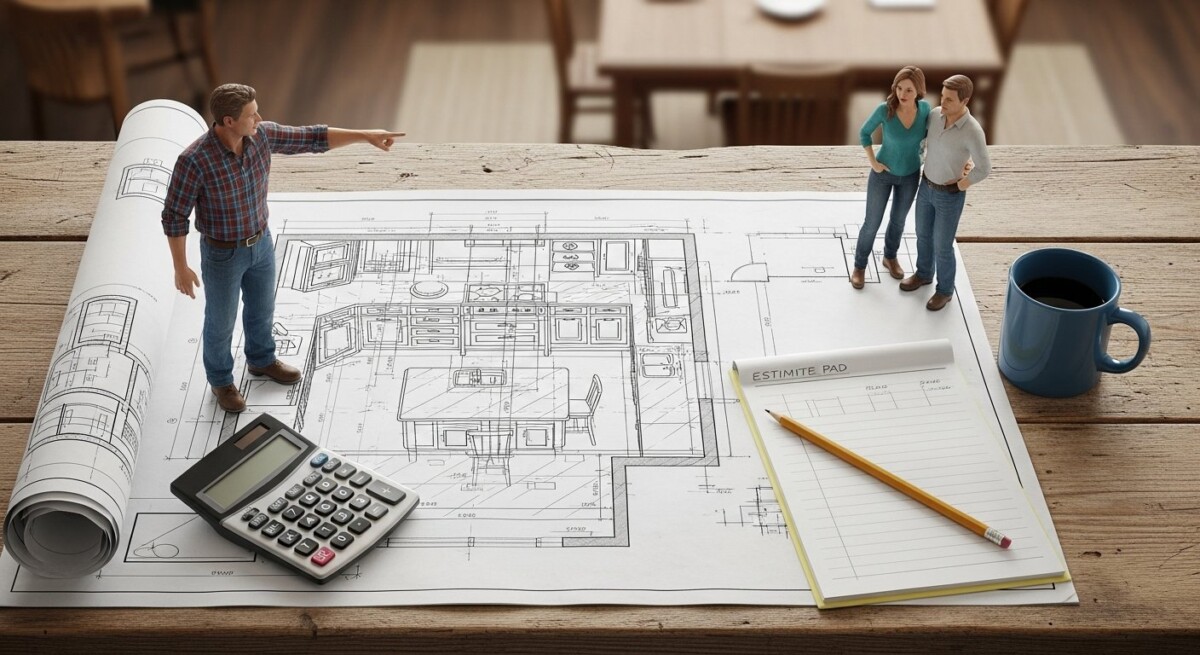
Contractors don’t just pull a number out of thin air. They calculate costs based on materials, labor, overhead, and profit margin. Each project is unique, so prices vary depending on the scope of work, the quality of materials, and the time required to complete the job.
Most contractors use one of three pricing methods: fixed-price (a flat fee for the entire project), time-and-materials (you pay for actual hours worked plus materials), or cost-plus (you pay the cost of materials and labor plus a percentage for the contractor). Fixed-price is common for defined projects like window replacement or bathroom remodels, while time-and-materials is often used for unpredictable work like foundation repairs.
Homes with older wiring, non-standard layouts, or hidden damage tend to cost more to renovate because contractors must account for surprises. A home built before 1980, for example, may have outdated plumbing or asbestos that requires special handling.
Why This Matters for Your Home
Choosing the cheapest quote without understanding how the price was built can lead to costly mistakes. A low bid often means the contractor cut corners on materials, skipped necessary permits, or underestimated the labor required. This can result in poor workmanship, delayed timelines, and expensive repairs down the road.
On the other hand, an unusually high quote doesn’t always mean better quality. Some contractors inflate prices to cover inefficiencies or lack of experience. Without knowing what fair pricing looks like, you risk overpaying or underinvesting in your home’s safety and value.
Delaying a needed renovation because you’re unsure about pricing can also hurt your home. Small issues like a leaky roof or drafty windows worsen over time, leading to water damage, mold, or higher energy bills. The sooner you understand pricing, the sooner you can move forward confidently.
If you notice signs of this issue in your home, it may help to speak with a qualified contractor. Request a free quote or call to explore your repair or remodeling options.
Common Problems Homeowners Experience
Many homeowners struggle with inconsistent quotes. You might get a $5,000 bid from one contractor and a $12,000 bid from another for the same job. Without knowing how contractors price renovations, it’s hard to tell which one is fair.
Another common problem is hidden fees. Some contractors give a low initial estimate but add charges for permits, disposal, or unexpected repairs after work begins. This can blow your budget and cause stress.
Here are typical issues homeowners face when pricing renovations:
- Wide variation in quotes for the same scope of work
- Unexpected charges for materials or labor not included in the original estimate
- Lack of detail in bids, making it impossible to compare apples to apples
- Pressure to sign a contract quickly without time to review
- Contractors who refuse to put a price in writing
- Estimates that don’t account for necessary permits or inspections
How Professionals Solve the Problem
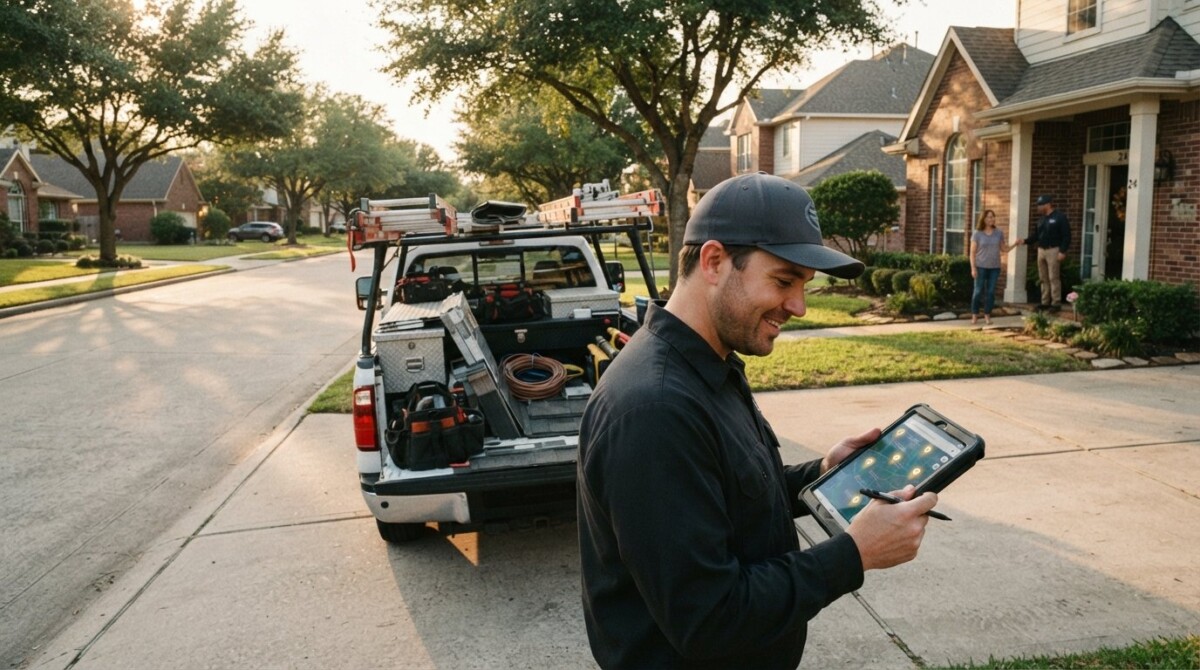
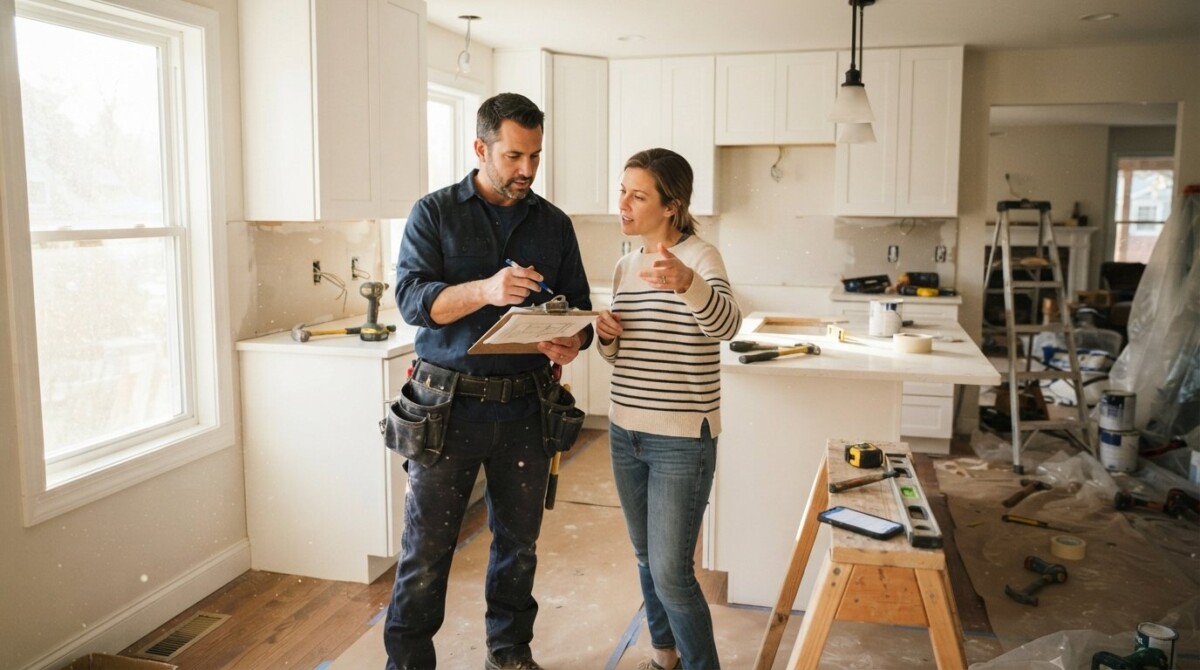
Experienced contractors follow a systematic process to create accurate, transparent prices. They start by visiting your home to assess the space, measure dimensions, and identify any potential issues like water damage or structural weaknesses.
After the site visit, they calculate material costs based on the specific products you choose,whether that’s mid-range tile or premium hardwood. They also factor in labor hours, equipment rental, disposal fees, and permits. Finally, they add a reasonable profit margin to keep their business running.</n
Here is the typical process a professional contractor uses to price a renovation:
- On-site inspection , They examine the area and note any hidden problems.
- Material selection , They help you choose finishes and products within your budget.
- Labor estimate , They calculate how many workers and hours are needed.
- Overhead and profit , They include costs for insurance, office expenses, and warranty coverage.
- Written quote , They provide a detailed breakdown so you know exactly what you’re paying for.
Professional work is safer and more reliable than DIY because contractors carry insurance, know local building codes, and have the right tools. A mistake during a renovation can lead to fire hazards, structural damage, or failed inspections,all of which cost more to fix than hiring a pro upfront.
A professional inspection can reveal hidden issues before they become expensive repairs. Compare contractor quotes here or call to discuss your project.
Warning Signs You Should Not Ignore
Your home often gives clues that a renovation is overdue. Ignoring these signs can turn a small project into a major expense. For example, a small crack in a window frame might seem minor, but it can lead to air leaks, higher energy bills, and eventually rot.
Early action saves money. If you catch problems before they spread, you can often complete a renovation for a fraction of the cost of a full replacement or structural repair. Pay attention to changes in your home’s performance and appearance.
Here are warning signs that suggest you may need to price out a renovation soon:
- Water stains on ceilings or walls near plumbing or roofing
- Drafts or temperature swings in specific rooms
- Peeling paint or wallpaper due to moisture
- Visible mold or musty odors
- Outdated fixtures that leak or break frequently
- Flooring that is warped, cracked, or lifting
What Affects the Cost of Repairs or Installation
Several factors influence how contractors price renovations. The size of the project is the most obvious,a full kitchen remodel costs more than a countertop replacement because it involves more materials and labor.
Material quality also plays a big role. Custom cabinets, natural stone countertops, and high-end windows cost significantly more than stock options. Labor rates vary by region and trade, with plumbers and electricians typically charging more than general laborers.
Accessibility matters too. A second-floor bathroom renovation is harder than a ground-floor one because workers must carry materials up stairs and work in a tighter space. Older homes may have non-standard measurements or outdated systems that require custom solutions, driving up costs.
Costs can vary depending on the condition of your home. The best way to know the price is to get a personalized estimate. Request free quotes from contractors or call today.
How to Choose the Right Contractor
Selecting a contractor is about more than price. You want someone who communicates clearly, shows up on time, and delivers quality work. Start by asking friends and neighbors for recommendations, or use a trusted platform that connects homeowners with vetted professionals.
When you have a few candidates, compare their quotes side by side. Look for detailed breakdowns that list materials, labor, permits, and timelines. A vague quote is a red flag,it leaves room for unexpected charges later.
Here are tips for choosing the right contractor for your renovation:
- Verify the contractor’s license and insurance before signing anything
- Read online reviews and ask for references from recent projects
- Request a written estimate that includes all costs and a payment schedule
- Get at least three quotes to understand the market range
- Confirm the contractor has experience with projects similar to yours
Long-Term Benefits of Professional Work
Hiring a professional contractor to price and execute your renovation pays off in many ways. First, you get peace of mind knowing the work meets building codes and safety standards. Properly installed windows, roofs, and plumbing last longer and perform better.
Professional renovations also increase your home’s value. A modern kitchen or updated bathroom can boost resale value by 50% to 80% of the project cost. Energy-efficient upgrades like new windows or insulation lower monthly utility bills, saving you money year after year.
Finally, professional work reduces future maintenance. When a contractor does the job right the first time, you avoid costly repairs down the road. Investing in quality now means fewer headaches later.
How do contractors calculate labor costs?
Labor costs are based on the number of workers needed and the hours required to complete the job. Contractors multiply their hourly rate by the estimated hours and add overhead for insurance, travel, and tools.
Why are renovation quotes so different from each other?
Quotes vary because contractors use different materials, labor rates, and profit margins. One may include premium finishes while another uses budget options. Always compare the scope of work, not just the final number.
Should I choose the cheapest contractor?
Not necessarily. A very low bid often means the contractor cut corners on materials or insurance. Paying a fair price for quality work usually saves you money in the long run by avoiding repairs.
What should be included in a renovation estimate?
A good estimate includes materials, labor, permits, disposal fees, and a timeline. It should also specify payment terms and what happens if unexpected issues arise during the project.
How can I avoid hidden fees in a renovation?
Ask for a detailed written contract that lists every cost. Make sure the contractor explains what is and isn’t included. A contingency fund of 10-20% is smart for unexpected surprises.
Do contractors charge more for older homes?
Often yes, because older homes may have outdated wiring, plumbing, or asbestos that requires extra work. The contractor must account for these unknowns in the price.
Is it worth getting multiple quotes?
Yes. Getting three or more quotes helps you understand the market rate and spot outliers. It also gives you leverage to negotiate or ask questions about specific line items.
How do I know if a contractor is trustworthy?
Check their license, insurance, and online reviews. Ask for references and call them. A trustworthy contractor provides clear answers, detailed quotes, and a written contract without pressure.
Understanding how contractors price renovations puts you in control of your home improvement project. When you know what to look for, you can avoid overpaying, prevent costly mistakes, and choose a professional who will do the job right. Don’t let confusion or fear of high costs delay important repairs or upgrades. Compare contractor quotes, ask the right questions, and move forward with confidence. Your home deserves quality work,and so do you.
About the Author: David