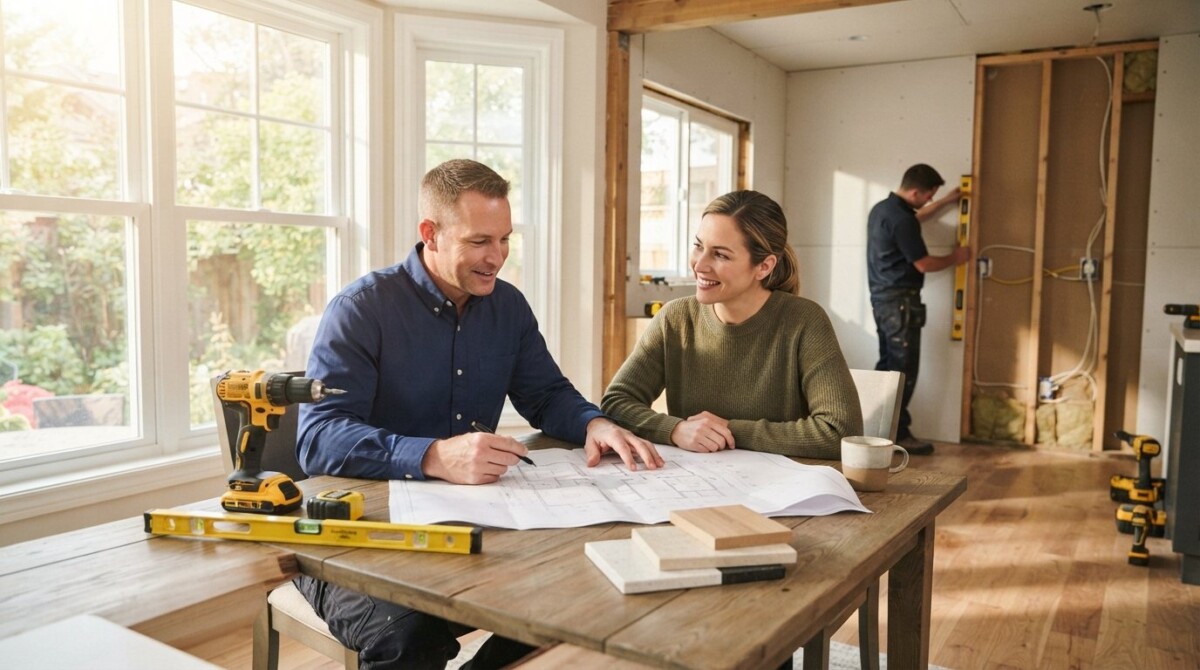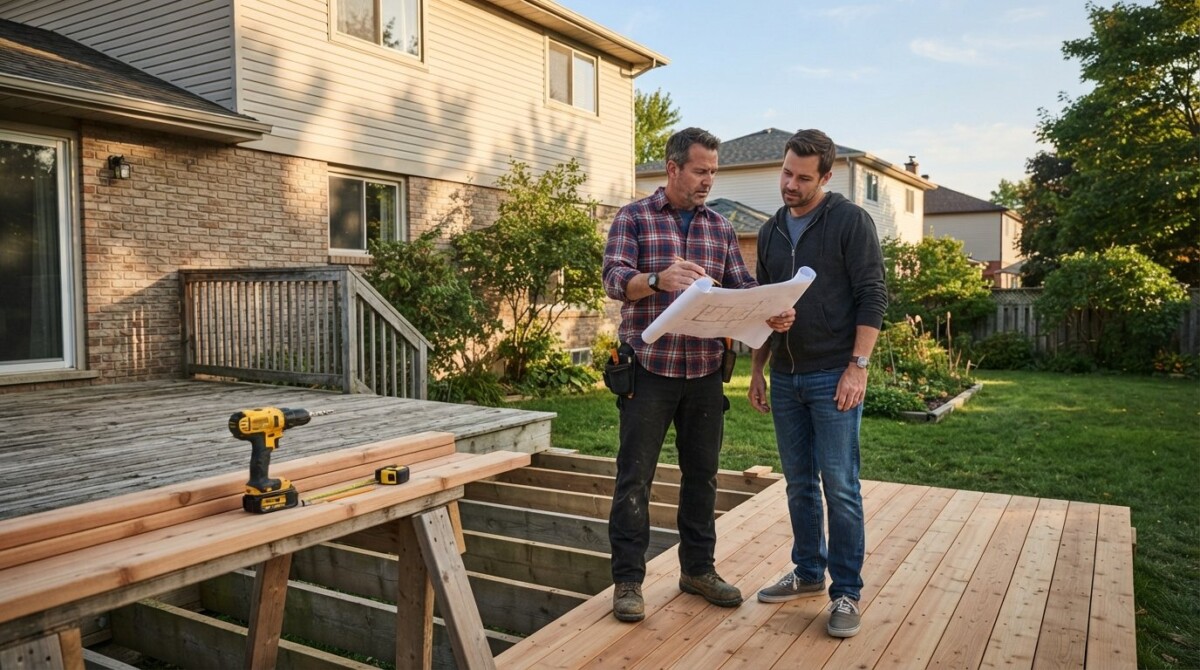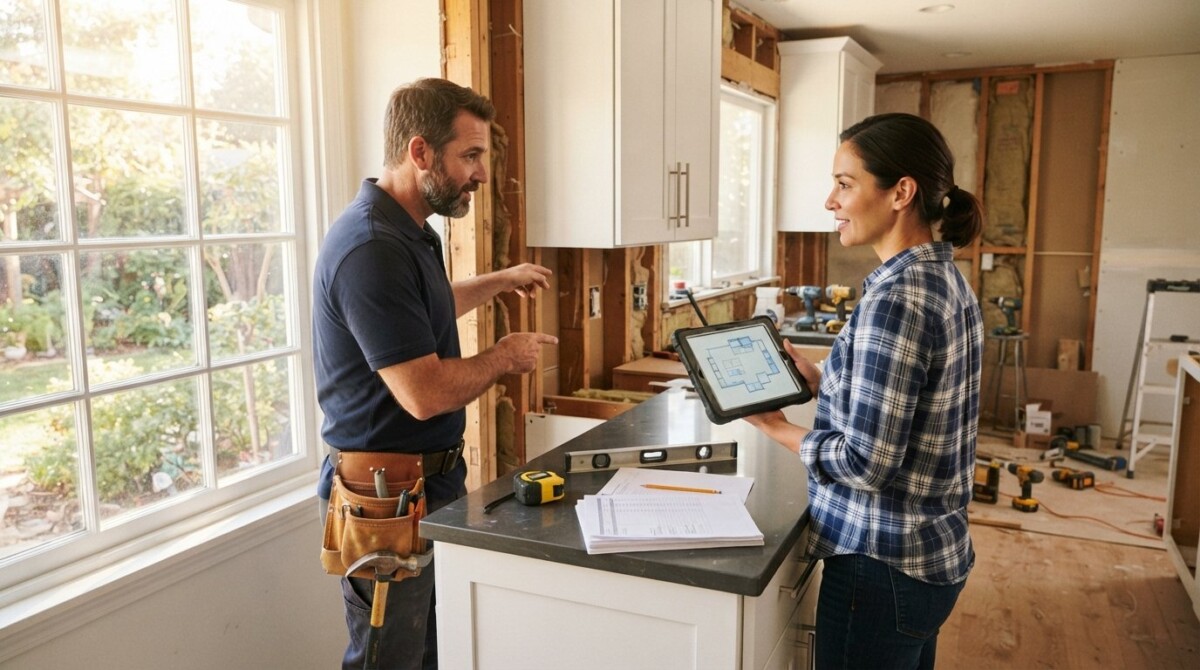

Finding Reliable Contractor Leads for Your Remodeling Project
You’ve finally decided to tackle that kitchen renovation or add that master bathroom you’ve always wanted. The vision is clear, but the next step feels overwhelming: how do you find trustworthy, skilled contractors who will show up, do quality work, and stay on budget? Many homeowners start with a simple online search or ask for recommendations, only to be met with radio silence, sky-high estimates, or confusing sales pitches. This common frustration can delay your project for months, and settling for the wrong contractor can lead to costly mistakes, unfinished work, and immense stress.
Understanding Contractor Leads for Remodeling
In simple terms, a “contractor lead” is a potential customer,like you,who is actively looking for remodeling services. From a homeowner’s perspective, the process of finding and vetting these professionals is what truly matters. You are essentially generating a list of qualified candidates for your project.
This search happens because homes age, families grow, and needs change. A once-perfect layout may no longer function, or materials wear out after years of use. Every homeowner reaches a point where repair or improvement becomes necessary to protect their investment and enhance their daily life.
While any home can need remodeling, older homes often have more immediate needs due to outdated systems. However, even newer homes undergo projects to improve functionality, update styles, or increase space for a growing family.
Why This Matters for Your Home
Choosing the right contractor isn’t just about getting the job done; it’s about safeguarding your largest investment. A poorly executed remodel can diminish your home’s value, create safety hazards, and lead to persistent problems that cost more to fix later.
Ignoring needed repairs or hiring an unqualified person to save money often backfires. A small leak behind a wall can lead to major mold remediation. An improperly supported wall can become a structural nightmare. Professional work ensures problems are solved correctly the first time, protecting your property, your family’s safety, and your peace of mind.
If you notice signs of this issue in your home, it may help to speak with a qualified contractor. Request a free quote or call to explore your repair or remodeling options.
Common Problems Homeowners Experience
The journey to find a great contractor is often filled with hurdles. Many homeowners report similar challenges that make the process feel daunting and risky. These aren’t just minor inconveniences; they can directly impact the success and cost of your project.
Understanding these common pitfalls can help you navigate your search more effectively and know what to look out for.
- Unresponsive Contractors: You leave messages or submit online forms, but never get a call back.
- Vague or Incomplete Estimates: Quotes that lack detail, making it impossible to compare prices or understand what’s included.
- Long Wait Times for Scheduling: Quality contractors are often booked months in advance, delaying your project start date.
- Pressure to Sign Quickly: Being rushed into a decision with high-pressure sales tactics or “today-only” discounts.
- Unclear Scope of Work: Misunderstandings about what the project entails, leading to change orders and extra costs later.
- Difficulty Verifying Credentials: Struggling to confirm a contractor’s license, insurance, or past work history.
How Professionals Solve the Problem
A reputable remodeling contractor brings order, expertise, and reliability to what can feel like chaos. They don’t just swing a hammer; they manage the entire process, from initial design to final cleanup. Their experience allows them to foresee challenges, source materials efficiently, and coordinate specialized trades like plumbers and electricians.
Professional work is fundamentally different from a DIY approach or hiring a handyman for a major job. It follows a structured process designed to deliver a predictable, high-quality result while minimizing disruption to your home.
- Comprehensive Consultation & Estimate: They listen to your goals, assess your space, and provide a detailed, written proposal.
- Planning & Permitting: They handle the necessary drawings and secure required building permits, ensuring the work is legal and up to code.
- Material Selection & Ordering: They guide you through choices, manage timelines, and ensure materials arrive when needed.
- Structured Project Management: They provide a schedule, manage subcontractors, and keep the project moving forward.
- Quality Construction & Inspection: Skilled craftsmen perform the work, which is then reviewed to meet quality standards.
- Final Walkthrough & Cleanup: They ensure you’re satisfied with every detail and leave your home clean and functional.
A professional inspection can reveal hidden issues before they become expensive repairs. Compare contractor quotes here or call to discuss your project.
Warning Signs You Should Not Ignore
Sometimes, your home itself tells you it’s time for a remodel or repair. Paying attention to these signals can help you address issues proactively, before they escalate into emergencies or more extensive damage. Early action is almost always simpler and more affordable.
If you observe any of the following, it’s a strong indicator that you should start researching your options and consulting with professionals.
- Persistent Maintenance Issues: You’re constantly fixing the same problem, like a recurring leak or a drafty window.
- Outdated or Failing Systems: Your electrical panel is overloaded, plumbing pipes are corroding, or your HVAC is inefficient and noisy.
- Visible Water Damage or Mold: Stains on ceilings or walls, warped flooring, or a musty smell can indicate serious hidden issues.
- Poor Functionality & Flow: Your family is constantly cramped, storage is inadequate, or rooms don’t serve your modern lifestyle.
- Deteriorating Materials: Cracked tiles, rotting wood, peeling countertops, or cabinets that are falling apart.
- Energy Inefficiency: Sky-high utility bills due to poor insulation, old windows, or an outdated heating system.
What Affects the Cost of Repairs or Installation
Remodeling costs can vary widely, and understanding the key factors helps you make sense of the estimates you receive. It’s not just about the size of the room; many elements influence the final price. A clear, detailed quote will break these down for you.
Being aware of these variables allows for better budgeting and helps you have more productive conversations with contractors about where to invest and where you might save.
- Scope & Scale of the Project: A full gut renovation costs more than a cosmetic update. Adding square footage is more involved than reconfiguring existing space.
- Material Quality & Selection: Choices like custom cabinetry, natural stone countertops, or high-end appliances significantly impact the budget.
- Labor Intensity & Skill Required: Complex tile work, custom millwork, or structural changes require more skilled labor hours.
- Condition & Age of the Home: Older homes often have unforeseen issues like outdated wiring, plumbing, or structural surprises behind walls.
- Location & Accessibility: Working in a high-cost-of-living area or a home with difficult access can increase labor costs.
- Permits & Professional Fees: Costs for architectural drawings, engineering, and building permits are often necessary and add to the project total.
Costs can vary depending on the condition of your home. The best way to know the price is to get a personalized estimate. Request free quotes from contractors or call today.
How to Choose the Right Contractor
With so much at stake, selecting your contractor is the most critical decision you’ll make. This choice determines the quality, timeline, and overall experience of your remodel. Taking a methodical approach will increase your confidence and lead to a better outcome.
Think of it like hiring a key employee for your home. You want to check their credentials, see examples of their work, and ensure your communication styles align. For a deeper dive into vetting, our article on how accurate contractor leads ensure project success explains why thorough vetting matters.
- Verify License & Insurance: Always confirm they hold a current state license and carry both liability and worker’s compensation insurance.
- Check Reviews & Ask for References: Read online reviews on multiple platforms and ask to speak to past clients with similar projects.
- Review a Detailed Portfolio: Look at photos of completed work and, if possible, visit a finished project to assess quality firsthand.
- Get Everything in Writing: A solid contract should include payment schedule, project timeline, specific materials, and scope of work.
- Compare Multiple Bids: Get at least three detailed estimates to understand market rates and different approaches to your project.
- Trust Your Instincts: Choose someone you feel comfortable communicating with, who listens to your concerns, and answers questions clearly.
Long-Term Benefits of Professional Work
Investing in a professional remodeling job pays dividends long after the contractors have packed up and left. While the immediate benefit is a beautiful, new space, the true value extends far deeper into the life of your home. Quality workmanship and proper installation protect your investment for years to come.
This isn’t just an expense; it’s an upgrade to your daily living and your home’s financial standing. For instance, a well-executed project using durable materials can be a key factor in finding quality contractor leads for future buyers if you ever sell.
- Increased Home Value & Marketability: Professional remodels in key areas like kitchens and bathrooms typically offer a strong return on investment.
- Enhanced Safety & Structural Integrity: Work that meets or exceeds building codes ensures your home is safe for your family.
- Improved Energy Efficiency: Proper insulation, high-performance windows, and modern appliances reduce utility bills consistently.
- Greater Durability & Less Maintenance: Quality materials installed correctly last longer and require fewer repairs.
- Peace of Mind & Warranty Protection: Reputable contractors stand behind their work with warranties, giving you long-term assurance.
What’s the best way to find local remodeling contractors?
Start by asking friends, family, and neighbors for personal recommendations. Complement this by searching online for highly-rated contractors in your area and checking their portfolios. For targeted local searches, resources like our guide on finding reliable contractor leads in specific cities outline effective strategies that apply anywhere.
How many contractor quotes should I get?
It’s wise to get at least three detailed, written estimates. This gives you a good range for pricing and allows you to compare different contractors’ approaches, communication styles, and proposed timelines. Fewer than three might not give you a clear market picture, while many more can become overwhelming.
What should a good contractor estimate include?
A thorough estimate is a detailed document, not just a bottom-line number. It should list all labor and material costs, specific brands and product models, a project timeline with start and completion dates, a payment schedule, and information about who is responsible for obtaining permits and handling cleanup.
Are permits really necessary for a remodeling project?
Yes, for most structural, electrical, plumbing, and HVAC work, permits are legally required. They ensure the work is inspected and meets safety codes. A reputable contractor will handle this process. Be wary of any contractor who suggests skipping permits to “save money or time,” as this can cause major problems when you sell your home or file an insurance claim.
What’s the difference between a contractor and a handyman?
A licensed general contractor is qualified to manage large, complex projects, pull permits, and hire subcontractors. A handyman is typically skilled at smaller repairs and maintenance tasks. For a full kitchen remodel, bathroom addition, or any project involving structural changes, you need a licensed contractor.
How long does a typical kitchen or bathroom remodel take?
Timelines vary greatly based on scope. A minor cosmetic bathroom update might take 1-2 weeks, while a full gut and remodel could take 4-8 weeks. A kitchen remodel often takes 6-12 weeks from start to finish. Your contractor should provide a projected schedule, but always build in a small buffer for unexpected delays like material backorders.
Taking the first step toward your remodeling project can feel daunting, but addressing your home’s needs is an investment in your comfort, safety, and financial future. By understanding the process of finding and vetting contractors, you empower yourself to make confident decisions. Remember, the goal is not just to complete a project, but to enhance your home for the long term. Comparing detailed quotes from qualified professionals is the most practical way to begin turning your vision into reality, ensuring you find the right partner for your important investment.
About the Author: Mason Caldwell