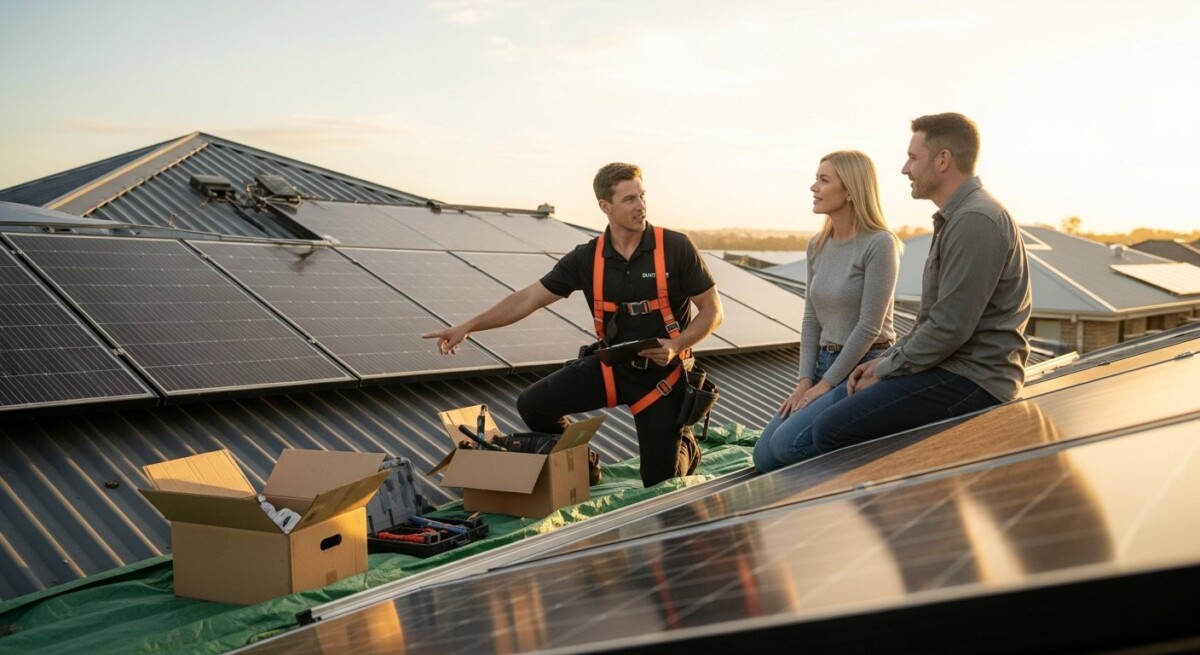
Finding the Right Solar Contractor for Your Home
You’ve decided to explore solar power for your home. The promise of lower energy bills and a smaller environmental footprint is exciting. But as you start searching online, you’re quickly overwhelmed by dozens of solar companies, each claiming to be the best. How do you find a trustworthy contractor who will give you an honest assessment and a quality installation, not just a sales pitch? This initial search,the process of finding and connecting with the right professional,is the most critical step in your solar journey.
Understanding Lead Generation for Solar Contractors
In simple terms, lead generation is how solar companies find homeowners who are interested in their services. As a homeowner, you become a “lead” when you show interest, like filling out a website form, calling a number from an ad, or attending a local home show.
This system exists because contractors need a way to connect with people like you who are ready to learn more. However, not all leads or the companies that pursue them are created equal. The quality of your experience depends heavily on how the contractor initially connects with you and the value they provide from the very first conversation.
Why This Matters for Your Home
Choosing the right solar contractor isn’t just about getting panels on your roof. It’s about protecting your biggest investment,your home. A poor installation can lead to roof leaks, electrical issues, and systems that don’t perform as promised, costing you more in repairs than you save on energy.
Furthermore, a trustworthy contractor will ensure your system is sized correctly for your home’s energy needs and installed safely to code. They become a partner for the 25+ year lifespan of your solar panels, handling permits, inspections, and warranties. Rushing this decision or choosing based solely on the lowest price can risk your home’s safety, efficiency, and value.
If you’re starting your search for a solar professional, it may help to speak with a qualified contractor. Request a free quote or call to explore your repair or remodeling options.
Common Problems Homeowners Experience
Many homeowners jump into solar without a clear understanding of the process. They might respond to a high-pressure sales tactic or a quote that seems too good to be true. Unfortunately, this can lead to frustrating and costly experiences down the road.
Common issues stem from a mismatch between the homeowner’s expectations and the contractor’s execution. It’s crucial to find a contractor who listens first and sells second. Understanding how lead generation works for homeowners can help you navigate these initial contacts more confidently.
- High-pressure sales calls immediately after an online inquiry.
- Vague quotes that don’t detail equipment brands, system size, or warranty terms.
- Contractors who aren’t familiar with local permit and utility interconnection processes.
- Poor communication, with long delays between initial contact and the site assessment.
- Installation crews that are not directly employed by the company you signed with (subcontractors).
- Promises of unrealistic energy savings or federal tax credit calculations.
How Professionals Solve the Problem
A reputable solar contractor views your initial inquiry as the start of a consultation, not a sales transaction. Their goal is to educate you and provide a custom solution, not just close a deal. They solve the problem of information overload by being a clear, reliable guide.
The process typically follows a logical, homeowner-focused path. This structured approach ensures nothing is missed and you are informed at every step.
- Initial Consultation: A conversation about your energy goals, roof condition, and electricity bills.
- Site Assessment: A technician visits your home to evaluate your roof’s structure, orientation, and shading.
- Custom Proposal: You receive a detailed quote outlining system size, equipment specifications, production estimates, costs, financing options, and warranty information.
- Project Management: The contractor handles all permits, utility paperwork, and scheduling.
- Professional Installation: Licensed and insured crews perform the installation, followed by inspections.
- System Activation & Support: They coordinate with your utility to turn the system on and remain your point of contact for monitoring and service.
A professional inspection can reveal your home’s specific solar potential before you commit. Compare contractor quotes here or call to discuss your project.
Warning Signs You Should Not Ignore
Trust your instincts during your conversations with solar companies. A good contractor will be transparent and patient, encouraging you to ask questions. There are several red flags that suggest you should continue your search with a different provider.
Acting on these warnings early can save you from a stressful project and a subpar installation. Your due diligence in the selection phase is your best protection.
- The salesperson cannot or will not provide local customer references.
- The company is not properly licensed, bonded, and insured for work in your area.
- They ask for a large deposit or full payment before any equipment is delivered or work begins.
- They use overly aggressive tactics, like “today-only” pricing or claiming a limited-time government program.
- The proposal lacks detail about equipment models, warranty length, or what is included in the price.
- They cannot clearly explain how the federal tax credit works or your potential savings.
What Affects the Cost of Repairs or Installation
The price of a solar system isn’t one-size-fits-all. Several key factors specific to your home and choices will determine the final investment. Understanding these variables helps you compare quotes accurately.
The size of your system (measured in kilowatts) is the biggest cost driver, which is based on your past energy use. Other factors include the type and efficiency of the solar panels and inverters, the complexity of your roof (like multiple angles or skylights), and whether your electrical panel needs an upgrade to handle the new system.
Costs can vary depending on the condition of your home and your energy goals. The best way to know the price is to get a personalized estimate. Request free quotes from contractors or call today.
How to Choose the Right Contractor
Taking the time to vet potential contractors is the most important step you can take. This research ensures the company you choose has the expertise, reputation, and stability to be your long-term partner.
Start by getting recommendations from neighbors who have gone solar and check online reviews on multiple platforms. Then, narrow your list to three or four companies for detailed consultations and quotes.
- Verify Credentials: Confirm their state contractor’s license, insurance, and certifications from manufacturers.
- Check Reviews & References: Read recent reviews on Google, BBB, and Solar Reviews. Ask for and call 2-3 past customers.
- Get Detailed, Written Estimates: Ensure each quote includes the same specifications (panel brand, number, inverter type, system size) for an apples-to-apples comparison.
- Ask About the Crew: Find out if they use in-house installers or subcontract the work.
- Understand the Warranty: Get clarity on the warranty for equipment, the installation workmanship, and the system’s power production.
Long-Term Benefits of Professional Work
Investing in a quality installation from a reputable contractor pays dividends for decades. Beyond the immediate energy savings, you gain peace of mind knowing your system is safe, reliable, and built to last.
A professionally installed system protects your roof’s integrity and your home’s electrical safety. It also maximizes your financial return by ensuring the system produces as much energy as projected. This reliability, backed by strong warranties, adds to your home’s value and marketability.
Ultimately, the right contractor delivers a hassle-free experience and a system that silently works for you for 25 years or more, reducing your carbon footprint and your utility bills month after month.
How long does it take to get solar panels installed?
The timeline varies, but a typical project takes 1 to 3 months from signed contract to system activation. This includes time for engineering design, securing permits, scheduling the installation, and passing inspections. The actual installation on your roof usually takes 1 to 3 days.
Will solar panels work during a power outage?
Standard grid-tied solar systems automatically shut off during a power outage for safety reasons, to protect utility workers. To have power during an outage, you need a solar battery storage system (like a Tesla Powerwall) that can store excess energy and provide backup power to your home independently.
How do I maintain my solar panel system?
Solar systems require very little maintenance. Rain usually cleans the panels sufficiently. You should periodically check for debris like leaves or snow. Most importantly, monitor your system’s production through its online app to ensure it’s performing as expected, and have your contractor inspect it every few years.
What happens if I need to repair my roof?
This is a key reason to choose an established contractor. A professional installer will have a process for temporary panel removal and reinstallation for roof repairs. The cost for this service should be outlined in your contract. Always use a roofer who coordinates with your solar installer.
How does the federal solar tax credit work?
The federal Investment Tax Credit (ITC) allows you to deduct a percentage of your solar system’s cost from your federal taxes. You must own the system (not lease it) and have sufficient tax liability to claim the credit. A reputable contractor can explain the basics but will advise you to consult a tax professional for your specific situation.
Can I install solar if my roof is old?
It is not recommended to install solar on a roof near the end of its life. Most solar panels have a 25-year warranty, and removing them for a roof replacement adds significant cost. If your roof is over 15 years old, consider replacing it before or during your solar installation for the best long-term value.
Do solar panels increase my home insurance?
Solar panels are generally considered a permanent attachment to your home, like a porch. You should notify your homeowner’s insurance provider about the installation. Some policies may see a slight premium increase, while others may not. Your solar contractor can often provide documentation for your insurer.
What’s the difference between a lease and a purchase?
Purchasing (with cash or a loan) means you own the system and are eligible for the tax credit and increased home value. Leasing or a Power Purchase Agreement (PPA) means a company owns the system on your roof, and you pay a monthly fee for the energy. Ownership typically offers greater long-term financial benefits.
Exploring solar power is a significant and smart home improvement decision. By understanding how to find and evaluate a solar contractor, you take control of the process. Addressing this research phase with care leads to a smoother project, a better installation, and greater satisfaction for years to come. The best next step is to compare detailed quotes from a few vetted local professionals to understand your specific options and investment.
About the Author: Mason Caldwell