High Efficiency HVAC Leads: Energy Savings for Motivated Homeowners
High efficiency hvac leads energy savings motivated homeowners to upgrade. Call (510)-663-7016 to get started with pre-qualified HVAC leads today.

When a homeowner opens a utility bill and sees a number that keeps climbing, the search for relief begins. That moment of frustration is the single most powerful trigger in the HVAC market. It is also the moment when high efficiency hvac leads energy savings motivated homeowners, turning a routine service call into a high-ticket system replacement. For contractors, understanding this psychology is not just good sales advice; it is the foundation of a lead generation strategy that consistently produces profitable jobs.
The data backs this up. Homeowners who request quotes for central A/C or boiler work are rarely shopping for fun. They are responding to discomfort, breakdowns, or the slow realization that their current system is bleeding money. When you connect with them at the right time, with the right message, and through the right channel, you position yourself as the solution to a problem they already feel. In this article, we will break down how to identify energy-motivated prospects, how to frame your proposals around payback, and how to time your outreach for maximum impact.
Why Energy Savings Motivate Homeowners More Than Ever
Utility costs have become a kitchen-table issue. Homeowners are not just comparing quotes; they are comparing projected monthly savings. A furnace that is 15 years old might still run, but it is likely operating at 65 to 70 percent efficiency. Modern high-efficiency systems can reach 96 percent or more. That gap translates directly into dollars, and homeowners know it. They may not know the exact math, but they feel the difference every month.
This shift in awareness has changed the HVAC sales conversation. A decade ago, a contractor could win a job by being the lowest bidder or the fastest to respond. Today, the winning contractor is often the one who can clearly demonstrate long-term value. High efficiency hvac leads energy savings motivated homeowners because they arrive with a problem already defined: they want lower bills. Your job is to show them the path.
There is also an emotional component. Energy independence, comfort, and environmental responsibility all factor into the decision. But the primary driver remains financial. When you frame an upgrade as an investment with a measurable return, you move the conversation from cost to value. That is where the real opportunity lies.
Identifying Energy-Motivated Homeowners in Boiler and Central A/C Leads
Not every HVAC lead is created equal. Some homeowners are simply looking for a tune-up. Others are in crisis mode after a breakdown. But a third group, the energy-motivated segment, is actively seeking ways to reduce utility costs. These are the leads that convert most readily to high-efficiency replacements. The challenge is identifying them quickly.
When you receive a boiler or central A/C lead, look for signals that point to energy motivation. The lead source may include details about the home's age, the current system type, or the homeowner's stated reason for requesting a quote. A homeowner who mentions high bills, an old system, or a desire to upgrade is signaling that efficiency is top of mind. These are your priority follow-ups.
Here are the key indicators to look for when qualifying an HVAC lead for efficiency potential:
- System age: Homes with equipment older than 10 to 15 years are prime candidates for replacement, especially if the homeowner mentions rising costs.
- Stated motivation: Leads that explicitly mention high utility bills or a desire to save energy are the highest-intent prospects.
- Home characteristics: Older homes with poor insulation or single-pane windows often benefit most from high-efficiency HVAC upgrades.
- Recent energy audits: If a homeowner has already had an energy assessment, they are already thinking about efficiency and may be ready to act.
- Rebate or incentive inquiries: Questions about tax credits or utility rebates indicate a homeowner who has done research and is serious about upgrading.
Once you have identified an energy-motivated lead, the next step is to tailor your outreach. Do not lead with a generic pitch. Acknowledge their concern about high bills and position your high-efficiency solution as the answer. This personalized approach dramatically increases conversion rates.
For contractors who want to scale this process, partnering with a lead provider that offers detailed, pre-qualified HVAC leads is essential. Platforms like HomeRemodelingLeads HVAC leads provide real-time information on homeowners actively seeking central A/C and boiler services, allowing you to prioritize the most promising opportunities. Because these leads are generated from consumers actively requesting quotes, they carry a higher intent than cold lists.
Framing Efficiency Upgrades Around Payback Periods
Homeowners understand monthly savings, but they think in terms of years when making a major purchase. The payback period is the bridge between the upfront cost and the long-term benefit. If you can show a homeowner that a new high-efficiency system will pay for itself in five to seven years, the decision becomes much easier. This is where many contractors fall short: they talk about efficiency in abstract terms rather than concrete numbers.
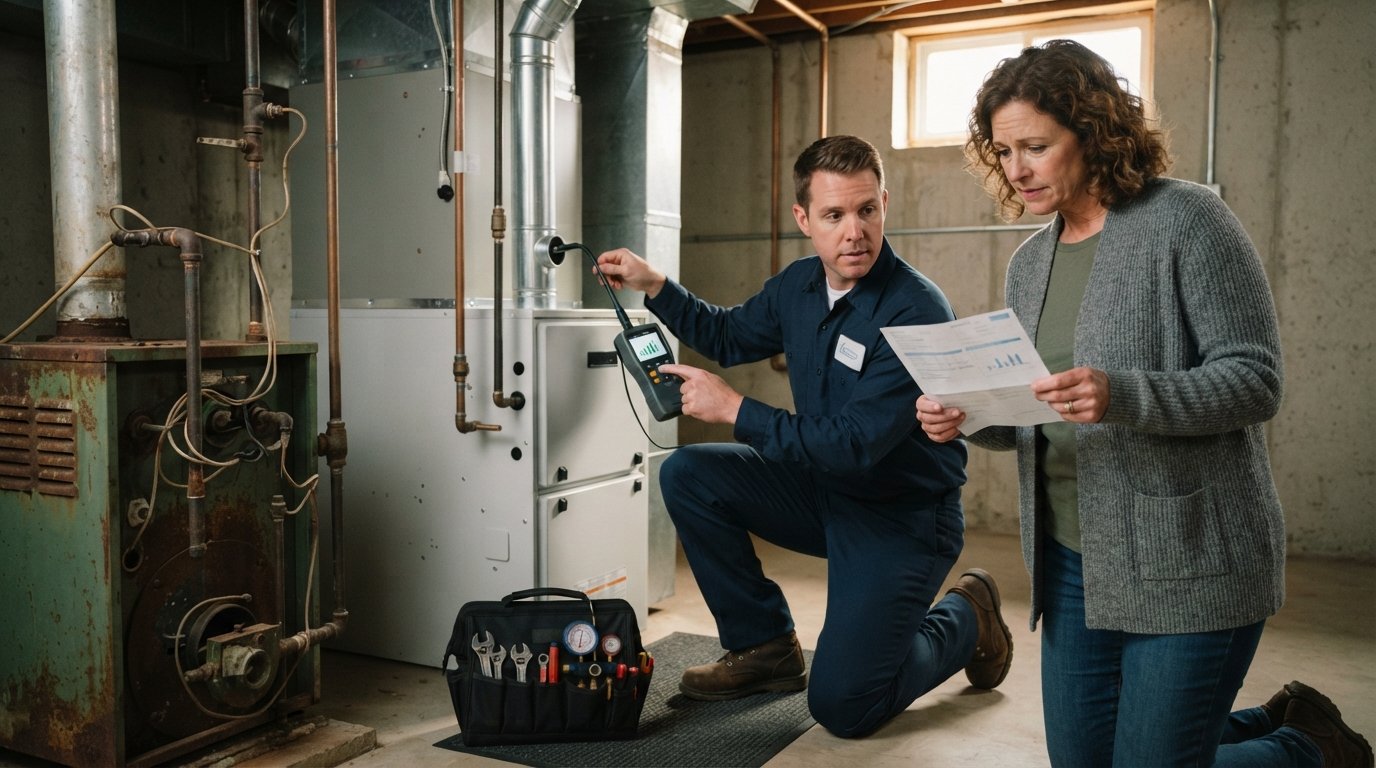
To calculate a realistic payback period, you need three pieces of information: the homeowner's current energy costs, the projected savings from the new system, and the net cost after rebates and incentives. Start by asking for a recent utility bill. Then, use industry tools or manufacturer data to estimate the annual savings. Finally, factor in any local, state, or federal incentives. The result is a compelling, personalized number that speaks directly to the homeowner's bottom line.
When presenting the payback period, avoid overwhelming the homeowner with technical details. Instead, focus on the story. For example: "Your current system is costing you about $2,400 per year in energy. A new high-efficiency unit will reduce that by 30 percent, saving you $720 annually. With the $1,500 rebate you qualify for, your net cost is $6,000. That means your system pays for itself in just over eight years, and after that, the savings are pure profit." This narrative is far more persuasive than a spec sheet.
It also helps to compare the payback period to the lifespan of the equipment. A high-efficiency furnace or A/C unit typically lasts 15 to 20 years. If the payback is eight years, the homeowner enjoys more than a decade of pure savings. That framing makes the investment feel not just reasonable, but smart.
Pairing HVAC Proposals with Insulation and Thermostat Upgrades
A high-efficiency HVAC system is only as effective as the home it serves. If a house has leaky ducts, poor insulation, or an old thermostat, even the best equipment will underperform. Smart contractors know that the real energy savings come from a holistic approach. By pairing your HVAC proposal with complementary upgrades, you increase the total project value while delivering better results for the homeowner.
Insulation is the most common add-on. Attic and wall insulation can dramatically reduce heating and cooling losses. If a homeowner is already investing in a new HVAC system, the incremental cost of adding insulation is relatively small, and the combined savings are much larger. Similarly, a smart thermostat can optimize system performance and provide the homeowner with greater control and visibility into their energy use.
When you present these upgrades, do not treat them as separate line items. Instead, bundle them into a comprehensive energy-savings package. Show the homeowner how each component contributes to the overall payback period. For example, a new furnace alone might save 20 percent, but adding insulation and a smart thermostat could push that to 35 percent. The combined package may have a slightly higher upfront cost, but the payback period is often shorter because the savings are greater.
This approach also differentiates you from competitors who are only selling boxes. Homeowners appreciate a contractor who takes the time to understand their whole home and offers a complete solution. It builds trust and positions you as an expert, not just a vendor.
Seasonal Timing for Efficiency-Focused Outreach
Timing is everything in HVAC marketing. Homeowners are most receptive to efficiency messages when they are feeling the pain of extreme temperatures or anticipating them. The two peak seasons are summer and winter, but the messaging should shift with the season.
In late spring and early summer, homeowners are bracing for high cooling bills. This is the ideal time to promote central A/C upgrades, tune-ups, and smart thermostats. The message should focus on comfort and cost control during the hot months. In late fall and early winter, the focus shifts to heating. Boiler and furnace replacements, along with insulation upgrades, become the priority. Homeowners are thinking about staying warm without breaking the bank.
But there are also shoulder seasons that offer unique opportunities. Spring and fall are perfect for energy audits and whole-home efficiency assessments. Homeowners are less frantic, more open to planning, and more likely to invest in improvements that pay off over time. Contractors who market during these periods face less competition and can build a pipeline for the peak seasons.
To maximize your seasonal outreach, align your lead purchases with these cycles. If you know that central A/C leads spike in June, plan your budget accordingly. Similarly, boiler leads may surge in October and November. By anticipating demand, you can ensure you have the capacity to follow up quickly and close more deals.
For contractors looking to expand their service offerings and capture more of the home improvement market, resources like the guide on energy efficient home upgrades that save money can provide valuable insights to share with homeowners. Educating your prospects builds credibility and helps them see the bigger picture.
Building a System for Converting Energy-Motivated Leads
Identifying and pitching to energy-motivated homeowners is only half the battle. To consistently win these jobs, you need a repeatable system. That system starts with lead acquisition and ends with a follow-up process that keeps you top of mind.
First, source your leads from a provider that delivers real-time, pre-qualified homeowners. The faster you respond, the higher your conversion rate. Studies show that responding within five minutes can increase conversion by up to 400 percent. Speed matters because the homeowner is likely contacting multiple contractors. Being first gives you a significant advantage.
Second, train your team to ask the right questions. When a lead comes in, your first call should focus on understanding the homeowner's pain points. Ask about their current energy bills, the age of their system, and any comfort issues they are experiencing. This information allows you to tailor your proposal and demonstrate that you are listening.
Third, follow up consistently. Most HVAC sales require multiple touchpoints. A single call is rarely enough. Use email, text, and phone calls to stay in touch. Provide value in each interaction, such as energy-saving tips or information about rebates. This keeps you top of mind and builds trust.
Finally, measure your results. Track your conversion rate by lead source, by season, and by message. Over time, you will identify patterns that allow you to refine your approach. Maybe you convert more leads when you mention a specific rebate. Maybe your close rate is higher when you bundle insulation. Data-driven decisions will help you scale your success.
For contractors who also work with homeowners on financing or who want to partner with mortgage professionals, platforms like MortgageLeads can be a valuable resource for connecting with high-intent borrowers. While not directly related to HVAC, understanding the homeowner's financial situation can help you structure proposals that fit their budget.
Ultimately, the contractors who succeed with energy-motivated homeowners are those who treat the sale as an education process. They do not push; they guide. They show the math, explain the options, and let the homeowner make an informed decision. This consultative approach leads to higher close rates, larger projects, and more referrals.
The opportunity is clear. High efficiency hvac leads energy savings motivated homeowners, and contractors who position themselves as energy experts will capture the lion's share of this growing market. By focusing on identification, payback framing, bundled upgrades, and seasonal timing, you can build a pipeline that delivers consistent, profitable results. The homeowners are already looking for you; make sure you are ready to meet them.