
HVAC Lead Response for Emergency Homeowner Failures
Master HVAC lead response when homeowners report emergency failures. Call (510)-663-7016 to build a faster, more profitable response system today.

By Hannah Walsh
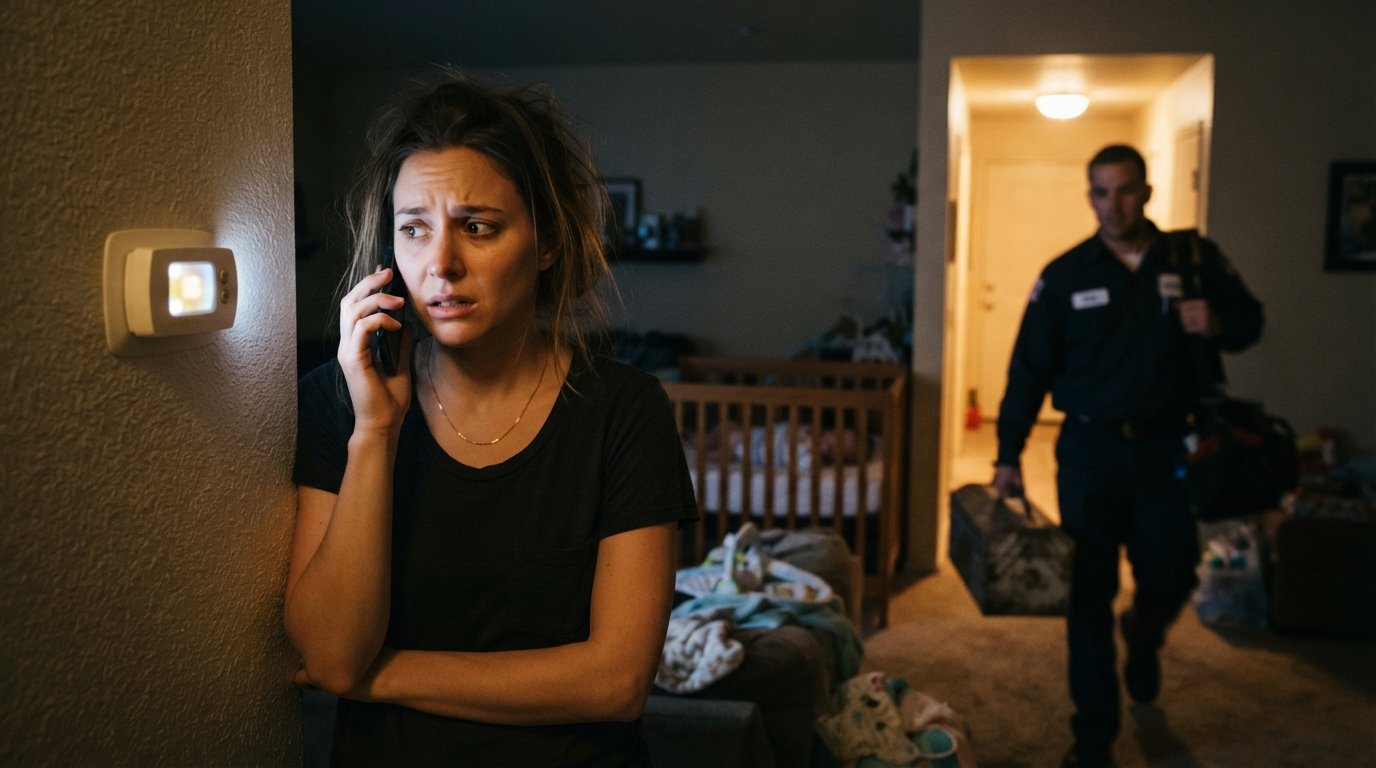
The compressor dies at 9:47 on a Saturday night. The homeowner is standing in a 92-degree living room with a newborn and a phone in hand. They search for an HVAC company, tap the first result, and fill out a form. What happens in the next four minutes determines whether you win a $9,000 replacement or lose it to the contractor who answered first. HVAC lead response when homeowners report emergency failures is not a customer service nicety. It is the single highest-leverage operational variable in residential HVAC sales, and most contractors still treat it like a voicemail box.
The stakes are concrete. Emergency HVAC leads decay faster than almost any other home improvement category because the homeowner is in physical discomfort and will call multiple companies within minutes. Speed to lead is not a differentiator anymore; it is table stakes. What separates top performers is a structured response system that routes after-hours emergencies correctly, distinguishes a $400 repair from a $9,000 replacement, prices the callout transparently, and converts the repair visit into a future replacement conversation. This guide breaks down that system step by step, with the operational details contractors actually need.
Why Emergency HVAC Lead Response Decays Faster Than Any Other Category
An HVAC failure is not a browsing event. A homeowner researching a bathroom remodel might compare contractors for three weeks. A homeowner whose furnace quit in January is making a decision tonight, often within the hour. That urgency compresses your entire sales cycle into a window measured in minutes, and it changes how you should think about lead acquisition, assignment, and follow-up.
Consider the behavioral pattern. The homeowner notices the house is not cooling, checks the thermostat, confirms the system is running but blowing warm air, and starts searching on a phone. They will typically contact three to five companies. The first company to respond with a live human, a clear arrival window, and a stated diagnostic fee wins the majority of these jobs. Every minute of delay after the first five minutes measurably reduces contact rates. After thirty minutes, you are usually calling a homeowner who has already booked someone else.
This is why buying emergency HVAC leads requires a matching operational commitment. If you purchase high-intent leads but your office closes at 5 p.m., you are paying for leads your competitor will close. The lead itself is only half the asset; the response infrastructure is the other half. Contractors who understand this treat lead purchase and lead response as a single system rather than two separate departments.
There is also a quality dimension. Emergency leads sourced from a reputable marketplace arrive with verified contact information and confirmed homeowner intent, which means your callback list is clean and your dispatchers are not burning time on disconnected numbers. If you want to understand how verification works on the supply side, the guide on verified homeowner leads that boost remodeling sales explains the screening process in detail. The practical takeaway is simple: verified leads plus fast response equals booked calls, and either one alone underperforms.
Routing Emergency Leads Outside Business Hours
Most HVAC companies lose their highest-margin opportunities between 6 p.m. and 8 a.m. The phone rings, nobody answers, and the homeowner moves on. Fixing this does not require a 24-hour staffed office. It requires a routing plan that matches the severity of the lead to the resource available at that hour.
Start by defining what counts as an emergency. Not every after-hours inquiry needs a same-night dispatch. A homeowner with no heat in a mild climate can wait until morning. A homeowner with no heat during a freeze warning, or no cooling during a heat advisory, or water leaking from an air handler, cannot. Build a triage script your answering service or virtual receptionist can follow, and route based on the answer. The routing logic should produce one of three outcomes: immediate dispatch to an on-call technician, a scheduled first-appointment slot the next morning with a confirmation text, or a nurture sequence for non-urgent inquiries.
Here is a workable after-hours routing framework that small and mid-size contractors can implement without enterprise software:
- Live answer first. Route all inbound calls and form submissions to a live answering service or an on-call dispatcher between 6 p.m. and 8 a.m., with a scripted triage questionnaire covering system type, symptom, safety concerns, and homeowner availability.
- Severity scoring. Score each lead as critical (no heat in freezing conditions, no cooling in extreme heat, gas smell, water leak, elderly or infant in the home), urgent (system down but conditions tolerable), or routine (maintenance, odd noises, partial cooling).
- Dispatch rules by score. Critical leads trigger an immediate call to the on-call technician with a 60-minute callback promise. Urgent leads get a confirmed first-slot booking for the next business morning. Routine leads enter the standard scheduling queue.
- Automated acknowledgment. Every web form submission receives an instant text and email confirming receipt, stating the expected callback time, and naming the technician or dispatcher who will call. This buys you patience even when the actual callback is fifteen minutes out.
- Morning handoff. Overnight leads that were not dispatched get a personal call by 8:30 a.m. from the office, not a mass email, with the emergency context visible in the CRM notes.
The fifth step is where most companies fail. An after-hours lead that sat untouched until noon the next day is functionally dead. The handoff must be a named responsibility, not a shared inbox. Assign one person to own overnight leads each morning and give them authority to book directly.
Technology can carry part of this load. Missed-call text-back, instant form acknowledgment, and CRM routing rules are inexpensive and widely available. What technology cannot do is make the judgment call about severity, which is why the triage script matters more than the software. Write the script, test it with your dispatchers, and revise it quarterly based on the leads that slipped.
Distinguishing Repair Urgency From Replacement Intent
Not every emergency call is a repair opportunity, and not every repair is a dead end. The most profitable HVAC contractors treat each emergency visit as a diagnostic event that reveals one of three underlying situations: a repairable failure on a healthy system, a repairable failure on an aging system, or a catastrophic failure that makes replacement the better economic choice for the homeowner. Your intake process should begin sorting these before the truck rolls.
Age of equipment is the single best predictor. A homeowner with a 6-year-old system reporting a failed capacitor is almost certainly a repair. A homeowner with a 19-year-old system reporting a failed compressor is a replacement conversation, whether or not they know it yet. Train your intake staff to ask two questions on every emergency call: how old is the system, and has it been serviced in the last two years. Those answers, combined with the reported symptom, let you brief the technician before arrival so the truck carries the right parts and the technician carries the right financing sheet.
Replacement intent also shows up in language. Homeowners who say things like "we knew this was coming" or "we have been putting off a new unit" are signaling openness. Homeowners who say "just fix it, we are selling next year" are signaling the opposite. Capture these phrases verbatim in the lead notes. A technician who arrives already knowing the homeowner is replacement-ready can steer the conversation toward a same-visit quote instead of a repair that gets followed by a replacement six months later from a competitor.
The economic logic matters here. A $600 repair on a 19-year-old system with a $9,000 replacement on the horizon is often a poor use of the homeowner's money, and a good technician can explain that honestly without pressuring anyone. When the math genuinely favors replacement, presenting it during the emergency visit is a service, not a sales tactic. The homeowner is already engaged, already has the checkbook out, and already trusts the person standing in their utility room. That is the highest-conversion moment you will get.
For contractors building out this capability across multiple service lines, the same intake discipline applies to other categories. A roofer responding to storm damage, a window contractor responding to a failed seal, and an HVAC tech responding to a dead compressor all face the same repair-versus-replace judgment. The contractors who systematize that judgment across categories close more high-ticket work per lead.
Pricing Transparency for Emergency Callouts
Homeowners fear surprise bills more than they fear the repair itself. An emergency situation already feels like a financial ambush, and a contractor who will not state a diagnostic fee up front reads as another threat. Transparent emergency pricing is a conversion advantage, not a margin sacrifice.
The core elements to state clearly on your website, in your intake script, and in your confirmation text are straightforward. Publish your after-hours diagnostic or trip fee, state whether it is credited toward the repair if the homeowner proceeds, give a realistic arrival window rather than a vague "sometime tonight," and explain what the diagnostic includes. Homeowners will accept a $129 diagnostic fee without argument when they know it exists before they call. They will argue about a $129 fee they discover after the technician is already in the driveway.
Repair pricing is harder to publish because it depends on the diagnosis, but you can still set expectations. A short published range for common repairs (capacitor replacement, blower motor, thermostat, refrigerant recharge) removes the fear of the unknown and reduces price objections on site. Technicians should carry a flat-rate book and present options before starting work, not after. The rule is simple: no work begins until the homeowner has seen a price and approved it in writing or by text.
Replacement pricing deserves the same treatment. If your emergency visit reveals a failed system, the homeowner should leave that visit with a written quote covering at least two equipment tiers, financing options, and a clear statement of what is included. Contractors who present a single take-it-or-leave-it number on the spot convert poorly. Contractors who present a good-better-best structure with monthly payment options convert well, because the homeowner can choose rather than decide under pressure.
One more pricing detail that matters in emergencies: be explicit about what happens if the repair fails. A written guarantee that the diagnostic fee is credited toward a replacement within a set window removes the homeowner's fear of paying twice. That single policy converts a meaningful share of emergency repairs into replacement quotes within thirty days.
Converting Emergency Repairs Into Future Replacement Quotes
The emergency repair is the beginning of the relationship, not the end of the transaction. A homeowner who called you at midnight and got a competent, fairly priced repair is the warmest replacement lead you will ever have, and most contractors let that warmth evaporate within a week.
Build a structured follow-up sequence around every emergency repair on equipment older than ten years. The sequence does not need to be aggressive. It needs to be consistent and useful. A practical cadence looks like this: a thank-you text within two hours of service completion with the technician's name and a request for a review, a personal call from the office three days later checking that the system is running properly, a written replacement estimate sent within a week with financing details, and a seasonal check-in before the next heating or cooling season. Each touch references the specific repair and the age of the equipment so the homeowner feels remembered rather than marketed to.
Track the conversion rate on this sequence. Contractors who implement it typically see a meaningful share of aging-system repairs turn into replacement quotes within twelve months, and a portion of those close. The cost of the sequence is a few hours of office time per week; the return is measured in installed systems. Compare that to the cost of buying a fresh replacement lead, and the economics are obvious.
There is a broader lesson here about lead economics. Buying emergency HVAC leads is a volume game, and volume only works when your response and follow-up systems convert at a high enough rate to justify the spend. The contractors who struggle with purchased leads are usually the ones treating each lead as a one-shot transaction. The contractors who thrive treat each lead as the entry point to a multi-year customer relationship covering repairs, maintenance agreements, and eventual replacement.
If your business also serves adjacent categories, the same follow-up discipline scales. A homeowner who trusts your HVAC tech may call you for a roofing inspection or a water heater replacement. Building a referral and cross-sell habit inside your follow-up sequence turns a single emergency call into a lifetime customer. For contractors exploring how insurance-related products fit alongside home services, platforms like BestInsuranceLeads offer a comparable model of verified, high-intent lead distribution that can complement a broader growth strategy, though the core lesson remains the same: speed and follow-through win.
Building the Response System That Makes Emergency Leads Profitable
Pulling the pieces together, an effective HVAC lead response system for emergency failures has four operating layers. The first is acquisition: sourcing verified, high-intent leads from a marketplace that confirms homeowner contact information and project intent. The second is routing: a documented after-hours triage process with live answer, severity scoring, and named ownership of overnight leads. The third is diagnosis and pricing: an intake script that surfaces equipment age and replacement intent, paired with transparent published fees and flat-rate repair pricing. The fourth is follow-up: a structured sequence that converts aging-system repairs into replacement quotes and builds a multi-year customer relationship.
Each layer is simple on its own. The failure mode is almost always a gap between layers, such as leads arriving at a closed office, or repairs completed without any follow-up, or pricing discovered on site rather than before the call. Audit your own operation against these four layers and identify the weakest one. That is where your next improvement dollar should go.
Speed still matters most. If you fix only one thing this quarter, fix the after-hours answer. Every other improvement compounds on top of a lead that actually gets a callback. A homeowner in a hot house at midnight is not evaluating your brand, your reviews, or your truck wrap. They are evaluating whether a human being responds. Be that human being, and the rest of the system has something to work with.