
How to Find and Vet Home Improvement Contractors
You’ve finally decided to tackle that kitchen remodel or fix the leaky roof. You search online, ask for recommendations, and suddenly your phone is buzzing and your inbox is full. You’re getting calls, emails, and texts from contractors you’ve never heard of. This flood of contacts can feel overwhelming, making it hard to know who is reputable and who is just trying to make a quick sale. Navigating this stream of home improvement marketing leads is a common challenge for homeowners, and choosing the wrong contractor from the bunch can lead to poor work, unexpected costs, and major headaches down the line.
Understanding Home Improvement Marketing Leads
In simple terms, a home improvement marketing lead is your contact information ending up with a contractor who wants your business. This happens in a few common ways. You might fill out a form on a website to get an estimate, sign up for a home show, or use a service that matches homeowners with local pros.
Contractors often pay for these leads, which means they are motivated to contact you quickly. While this can connect you with great professionals, it also means you need a strategy to sort through the options. Any homeowner planning a repair or renovation project will encounter this process, so knowing how to manage it is key to a successful outcome.
Why This Matters for Your Home
Taking the time to properly vet contractors from your list of leads isn’t just about finding the best price. It’s about protecting your biggest investment,your home. A rushed decision can lead to hiring someone who cuts corners, uses subpar materials, or doesn’t understand local building codes.
The consequences go beyond a botched paint job. Poor electrical work can be a fire hazard. Improper plumbing can cause hidden water damage and mold. A shoddy roof installation can lead to leaks and structural rot. These are expensive, stressful problems that often cost far more to fix than the original project would have if done correctly the first time.
If you notice signs of this issue in your home, it may help to speak with a qualified contractor. Request a free quote or call to explore your repair or remodeling options.
Common Problems Homeowners Experience
When sorting through contractor leads, homeowners often run into similar frustrating situations. The most common issue is the sheer volume of contacts, which makes comparison difficult. You might also find that the person who calls is a salesperson, not the actual contractor who will do the work.
Other frequent problems include:
- Vague or Pushy Estimates: Getting a rough quote over the phone without a site visit, or feeling pressured to sign a contract immediately.
- Ghosting After the Sale: A contractor who is very responsive until the deposit is paid, then becomes difficult to reach.
- Scope Creep and Hidden Fees: The final bill is much higher than the estimate due to “unforeseen issues” that weren’t discussed upfront.
- Licensing and Insurance Gaps: Discovering too late that the contractor isn’t properly licensed or insured, putting you at financial risk.
- Poor Communication: Not knowing the project timeline, when workers will arrive, or who to contact with questions.
- Substandard Workmanship: The finished project has obvious flaws, uses incorrect materials, or fails inspection.
How Professionals Solve the Problem
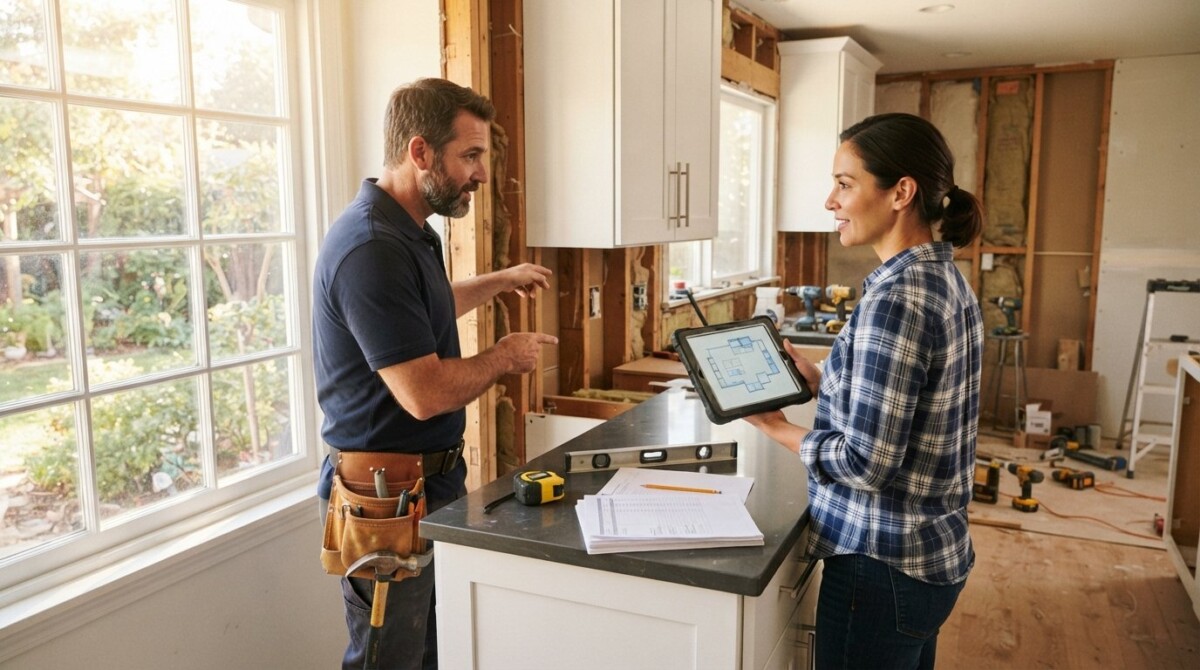
A reputable contractor transforms the stressful lead process into a smooth, professional experience. They start with a clear, detailed consultation. They listen to your goals, assess your home’s specific needs, and provide a transparent plan.
The process with a true professional typically follows a reliable path:
- Detailed On-Site Consultation: They visit your home to understand the project’s full scope and take precise measurements.
- Clear, Written Proposal: You receive a detailed estimate that breaks down costs for materials, labor, permits, and timeline.
- Open Communication: They assign a project manager or point of contact and explain how updates will be provided.
- Proper Preparation: They secure necessary permits, schedule deliveries, and protect your home’s unaffected areas.
- Quality Execution and Cleanup: Skilled crews perform the work, followed by a thorough cleanup and a final walkthrough with you.
This structured approach minimizes surprises, ensures safety, and delivers a durable result. It’s far more reliable than a DIY fix or hiring the cheapest, fastest option from your leads. For a deeper look at how these connections work, our article on how a home improvement lead network connects you to contractors explains the process from the other side.
A professional inspection can reveal hidden issues before they become expensive repairs. Compare contractor quotes here or call to discuss your project.
Warning Signs You Should Not Ignore
When evaluating contractors from your leads, certain red flags should make you pause. Trust your instincts,if something feels off during your initial conversations, it often is.
Pay close attention to how they communicate from the very first contact. A professional should be respectful of your time and information. Here are key warning signs that suggest you should look elsewhere:
- Demands for Large Upfront Payment: Asking for more than a small deposit or progress-based payments.
- No Physical Address or License Number: Operating solely from a truck or a P.O. box and unwilling to provide proof of licensing.
- Pressure to Act Immediately: Claiming a “today-only” discount or that their schedule will fill up if you don’t sign now.
- Cash-Only Deals: Insisting on cash payments to avoid taxes, which also means you get no receipt or paper trail.
- Unwillingness to Put Details in Writing: Promising things verbally but refusing to include them in the contract.
- Bad Online Reviews or No Digital Presence: A pattern of complaints about quality, communication, or billing, or a complete lack of reviews.
What Affects the Cost of Repairs or Installation
Understanding what goes into a contractor’s quote helps you compare your leads fairly. The price isn’t arbitrary; it reflects the project’s complexity, the materials’ quality, and the professional’s expertise.
Key factors that influence cost include the size and scope of the project, the quality of materials you select (e.g., standard vs. premium countertops), and local labor rates. The age and condition of your home also matter, as older homes often require more preparatory work to meet current codes. Finally, the project’s accessibility,like a roof with a steep pitch or a bathroom on a second floor,can impact labor time and cost.
Costs can vary depending on the condition of your home. The best way to know the price is to get a personalized estimate. Request free quotes from contractors or call today.
How to Choose the Right Contractor
With a list of leads in hand, your next step is to filter them systematically. This turns an overwhelming situation into a manageable selection process. The goal is to narrow your options down to 3-4 highly qualified contractors to provide detailed estimates.
Follow these practical steps to find the right professional:
- Verify Licenses and Insurance: Confirm their state contractor’s license is active and that they carry both liability insurance and workers’ compensation.
- Read Reviews and Ask for References: Check sites like Google, BBB, and Houzz. Ask for 2-3 recent client references and actually call them.
- Request Detailed, Itemized Estimates: Get written quotes from your finalists that specify materials, labor, timeline, and payment schedule. This allows for a true apples-to-apples comparison, which is a core part of navigating a lead network successfully.
- Meet Them at Your Home: A final in-person meeting can reveal a lot about their professionalism and how well you communicate.
- Review the Contract Thoroughly: Before signing, ensure everything discussed is in the contract, including start/end dates, cleanup, and warranty information.
Long-Term Benefits of Professional Work
Investing time to find the right contractor from your leads pays dividends for years. Quality workmanship means your repair or renovation will last, performing as it should without constant tweaks or callbacks.
Beyond durability, professional work enhances your home’s safety, improves energy efficiency (saving you money on utilities), and protects your property value. It also comes with the peace of mind of a warranty, knowing the contractor stands behind their work. This long-term value far outweighs the short-term savings of hiring the cheapest or fastest option.
How do I stop the constant calls from contractors?
When you submit your information online, look for privacy options. You can also ask callers directly how they got your number and request to be removed from their list. Being selective about where you submit your initial inquiry is the best prevention.
What questions should I ask a contractor during the first call?
Ask if they are licensed and insured for this type of work, if they will pull the required permits, and if they can provide references from similar projects. Also, ask about their typical project timeline and who will be your day-to-day contact.
Is the cheapest quote usually the best choice?
Not necessarily. A quote significantly lower than others may indicate the contractor is cutting corners, using inferior materials, or has misunderstood the scope. Always compare the details of what’s included in each estimate.
Should I always get three quotes?
Getting at least three detailed, written quotes is a smart rule of thumb. It gives you a clear range of pricing and approaches, helping you make an informed decision and understand the market rate for your project.
What should a good contract include?
A solid contract includes the contractor’s license number, a detailed description of work and materials, the total price and payment schedule, start and completion dates, warranty information, and procedures for handling changes to the project.
How can I check a contractor’s license and complaints?
Contact your state’s licensing board for contractors; most have online databases. You can also check the Better Business Bureau (BBB) and online review platforms for complaint history. This vetting step is crucial for leveraging home improvement leads effectively and safely.
What is a reasonable down payment?
This varies by state law and project size, but 10-20% is common for a deposit to secure materials. Be wary of any contractor demanding 50% or more upfront before any work begins.
Who is responsible for obtaining building permits?
The contractor should typically pull all required permits. This is important because it means they are taking responsibility for the work meeting local building codes. Always confirm this is included in their proposal.
Finding the right contractor from a flood of marketing leads takes a bit of effort, but it’s one of the most important steps in any home improvement project. By focusing on verified professionals, detailed quotes, and clear contracts, you protect your home, your budget, and your peace of mind. Addressing issues early with a qualified pro is always more cost-effective than emergency repairs later. Start by comparing quotes from trusted local contractors to understand your options and move forward with confidence.
About the Author: Lila Kensington