
How a Home Improvement Lead Network Connects You With Trusted Contractors
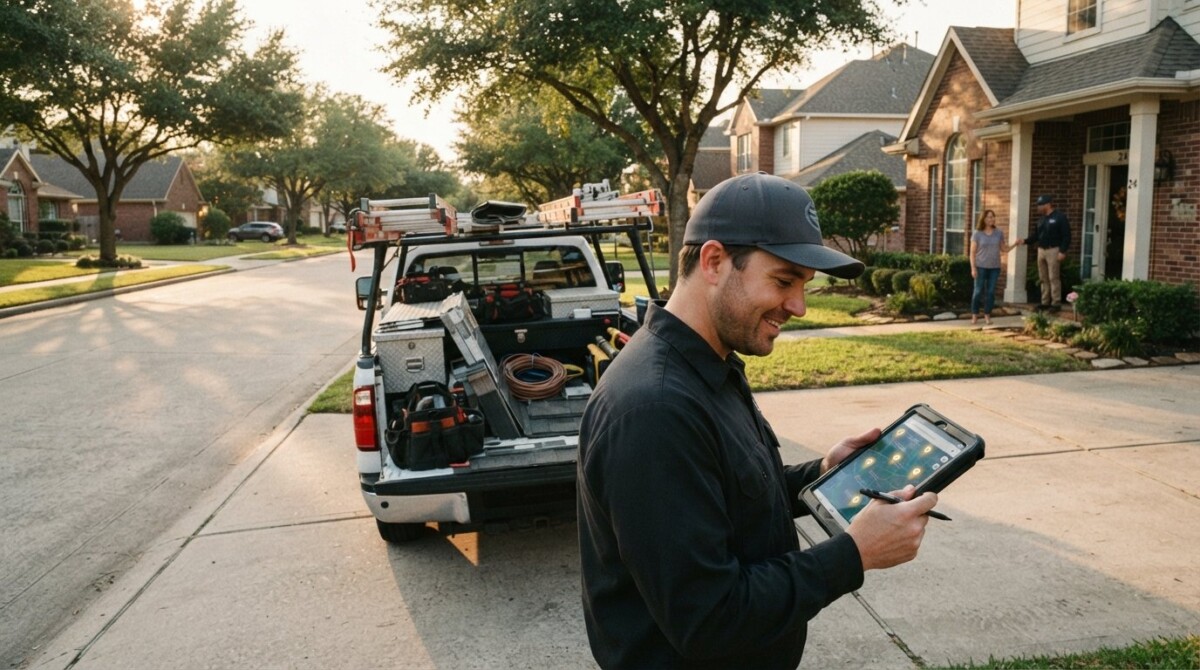
You notice a small water stain on the ceiling after a heavy rain. Or maybe the kitchen faucet has been dripping for weeks, and the cabinet below it feels damp. At first, you think it is something you can handle next weekend. But then the stain grows larger, or the damp spot starts to smell musty. That is when many homeowners realize they need professional help. Finding the right expert quickly can feel overwhelming. A home improvement lead network simplifies this process by connecting you directly with qualified contractors who are ready to help. These networks vet professionals in your area, so you do not have to spend hours searching online or calling random numbers from a directory.
Understanding home improvement lead network
A home improvement lead network is a service that matches homeowners with local contractors. When you submit a request through the network, your project details are sent to several pre-screened professionals. They then contact you with their quotes and availability. This system saves you time and gives you multiple options to compare without making dozens of phone calls.
These networks exist because finding a reliable contractor on your own can be risky. Many homeowners have been burned by unlicensed workers or companies that disappear after taking a deposit. Lead networks typically require contractors to verify their licenses, insurance, and references before they can join. This means you are only talking to professionals who meet certain standards.
Homes of any age can benefit from using a lead network. Older homes often have hidden problems like outdated wiring or leaking pipes that need an expert eye. Newer homes may still have construction defects or warranty issues that require a specialist. No matter the age of your home, a lead network helps you find the right contractor for your specific problem.
Why This Matters for Your Home
Ignoring a small repair can lead to much bigger problems. A slow roof leak can rot the wood framing and ruin insulation, leading to thousands of dollars in repairs. A cracked foundation wall can let in moisture, causing mold growth that affects your family’s health. These issues do not fix themselves. They only get worse and more expensive over time.
Using a home improvement lead network helps you address problems early. When you connect with a contractor quickly, you can stop damage before it spreads. This protects your home’s structure and your family’s safety. It also saves you money because small repairs are almost always cheaper than major renovations.
Beyond safety and cost, professional repairs protect your home’s value. When you decide to sell, a well-maintained home appraises higher and sells faster. Buyers are wary of homes with visible damage or signs of neglect. By fixing issues promptly with a qualified contractor, you preserve your investment.
If you notice signs of this issue in your home, it may help to speak with a qualified contractor. Request a free quote or call to explore your repair or remodeling options.
Common Problems Homeowners Experience
Many homeowners face similar issues that require professional attention. These problems often start small and become more noticeable over time. Recognizing them early is the first step toward getting help.
For example, a bathroom that always feels humid can lead to peeling paint, warped cabinets, and mold behind the walls. An HVAC system that runs constantly but never seems to cool the house may be undersized or have a refrigerant leak. These are not problems you should ignore or try to fix yourself without training.
- Visible water stains on ceilings or walls
- Persistent musty odors in basements or crawl spaces
- Cracks in drywall or foundation that grow over time
- Doors or windows that stick or do not close properly
- High energy bills that keep rising despite normal usage
- Flooring that feels uneven or spongy in certain areas
How Professionals Solve the Problem
Professional contractors bring experience, tools, and materials that most homeowners do not have. They can diagnose the root cause of a problem instead of just treating the symptom. This means the repair lasts longer and prevents future issues.
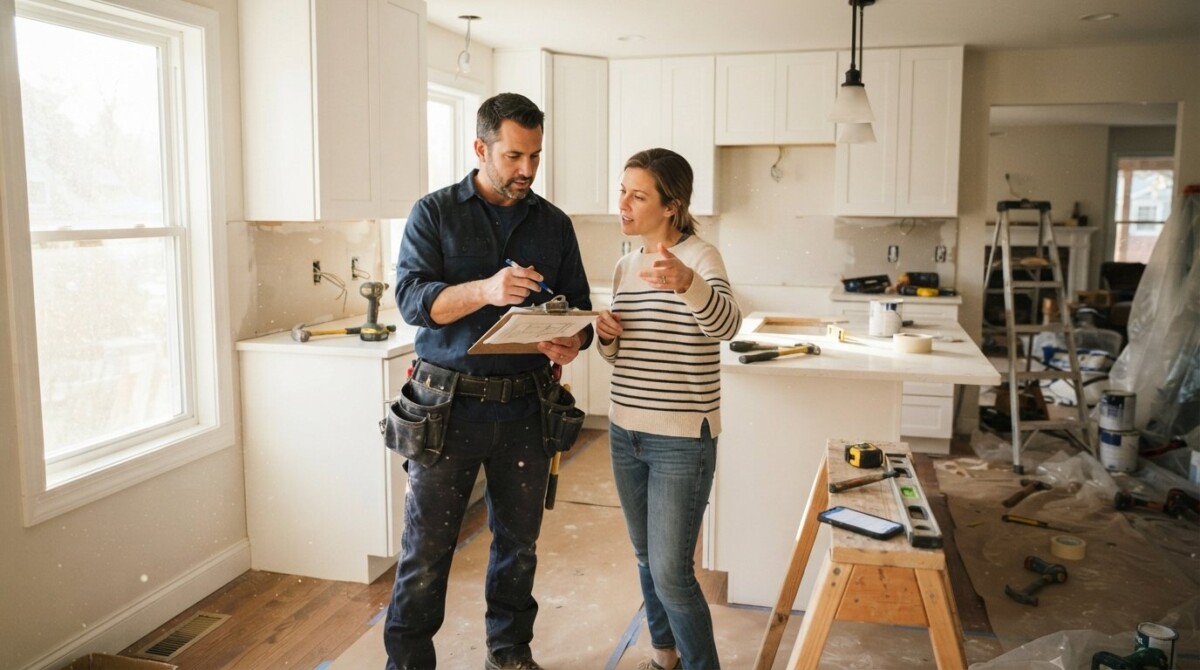
For example, if you have a leaking pipe inside a wall, a professional plumber will use a moisture meter to find the exact source. They will then open the wall carefully, repair the pipe, and dry the area properly to prevent mold. A DIY fix might stop the drip but leave moisture trapped inside, leading to rot and health hazards.
- Inspection and diagnosis to identify the full extent of the problem
- Detailed estimate with material and labor costs
- Proper permits and code compliance for the work
- Professional repair or installation using quality materials
- Final inspection and cleanup to ensure everything is safe and functional
Professional work is also safer. Electrical repairs, roof work, and structural changes can be dangerous. Contractors have the training and insurance to handle these risks. You avoid the risk of injury or making the problem worse.
A professional inspection can reveal hidden issues before they become expensive repairs. Compare contractor quotes here or call to discuss your project.
Warning Signs You Should Not Ignore
Some warning signs are obvious, like a flooded basement. Others are subtle and easy to dismiss. Learning to recognize these early indicators can save you time, money, and stress.
Pay attention to changes in your home’s behavior. If a room feels drafty even when the windows are closed, you may have insulation or siding issues. If your water pressure drops suddenly, you might have a clog or a leak in the main line. These signs tell you something is wrong and needs professional attention.
- Unexplained spikes in water or energy bills
- Water pooling around the foundation after rain
- Gaps or cracks around windows, doors, or siding
- Loose or missing shingles on the roof
- Flickering lights or outlets that feel warm to the touch
- Floor tiles that crack or grout that crumbles
What Affects the Cost of Repairs or Installation
Several factors influence how much a repair or renovation will cost. Understanding these can help you budget and compare quotes more effectively. The size of the project is usually the biggest factor. Replacing a single window costs far less than replacing all the windows in your home.
Materials matter too. Standard fixtures and materials are cheaper than custom or premium options. Labor costs vary by region and by the complexity of the job. A simple faucet replacement might take one hour, while a full bathroom remodel can take weeks.
Accessibility also plays a role. A roof with a steep pitch is more dangerous and time-consuming to work on, so it costs more. A crawl space with limited headroom makes plumbing or HVAC work harder and more expensive. The age of your home can also add costs if you need to bring old wiring or plumbing up to current code.
Costs can vary depending on the condition of your home. The best way to know the price is to get a personalized estimate. Request free quotes from contractors or call today.
How to Choose the Right Contractor
Selecting a contractor is one of the most important decisions you will make for your home. A good contractor delivers quality work on time and within budget. A bad one can leave you with unfinished work, legal problems, or shoddy repairs that fail quickly.
Start by using a home improvement lead network to get pre-screened options. Then, take time to evaluate each contractor. Ask for references and look at photos of their past work. Trust your instincts. If a contractor pressures you to sign a contract immediately or demands full payment upfront, that is a red flag.
- Verify that the contractor is licensed and insured in your state
- Read online reviews on Google, Yelp, or the Better Business Bureau
- Ask for a detailed written estimate that lists materials and labor
- Get at least three quotes to compare pricing and approach
- Confirm they have experience with projects similar to yours
Long-Term Benefits of Professional Work
When you hire a professional contractor, you are investing in the long-term health and value of your home. Quality repairs last longer and perform better than quick fixes. This means fewer callbacks and less stress for you.
Professional installations also improve energy efficiency. New windows, insulation, or an efficient HVAC system can lower your monthly utility bills significantly. Over time, these savings can offset the cost of the work itself. Plus, a more efficient home is more comfortable in all seasons.
Finally, professional work adds resale value. When you sell your home, buyers will pay a premium for updated kitchens, bathrooms, roofs, and systems. They also appreciate knowing that the work was done by a licensed professional with permits. This gives them confidence that there are no hidden problems.
How does a home improvement lead network work?
You fill out a simple form describing your project, including the type of work and your location. The network then sends your information to several local contractors who match your needs. Those contractors review your request and contact you with quotes and availability. You can compare their offers and choose the one that works best for you.
Is there a cost to use a home improvement lead network?
Most lead networks are free for homeowners. The contractors pay a fee to receive leads. You can submit your project and receive multiple quotes without paying anything. Always confirm with the network before you submit, but most operate this way.
How do I know the contractors are reliable?
Reputable lead networks screen their contractors before accepting them. This usually includes verifying licenses, insurance, and sometimes background checks. They may also check references and read customer reviews. However, you should still do your own research and ask questions before hiring.
What kind of projects can I use a lead network for?
Almost any home improvement project can be handled through a lead network. Common projects include roofing, window replacement, bathroom and kitchen remodeling, HVAC repairs, flooring installation, plumbing, and electrical work. Some networks also cover larger renovations like basement finishing or room additions.
How many quotes should I get?
Getting at least three quotes is a good rule of thumb. This gives you a range of prices and approaches. It also helps you spot any outlier bids that are too high or suspiciously low. Comparing multiple quotes helps you make an informed decision.
Can I use a lead network for emergency repairs?
Some lead networks can connect you with contractors quickly, but they are not designed for emergencies like a burst pipe or gas leak. For immediate danger, call 911 or your local emergency services first. For non-emergency but urgent repairs, you can still use a lead network to find someone available soon.
What if I am not happy with the contractor I choose?
If you are unsatisfied with the work, contact the contractor directly first. Many issues can be resolved with good communication. If that does not work, you can report the problem to the lead network. Some networks offer dispute resolution or will remove the contractor from their list.
Do I need to be home when the contractor inspects the project?
It is usually helpful to be present for the initial inspection so you can point out the problem areas and ask questions. For the actual work, you may not need to be there the whole time, but it is wise to be available for check-ins. Discuss access and scheduling with your contractor before the work begins.
Addressing home problems early is the smartest way to protect your investment and your family’s comfort. A home improvement lead network makes it easy to find qualified professionals who can help. By comparing multiple quotes, you can choose the right contractor at a fair price. Do not wait until a small issue becomes a costly disaster. Start by requesting quotes from local contractors today.
About the Author: Lila Kensington