What Homeowners Regret During Remodels and How to Avoid It
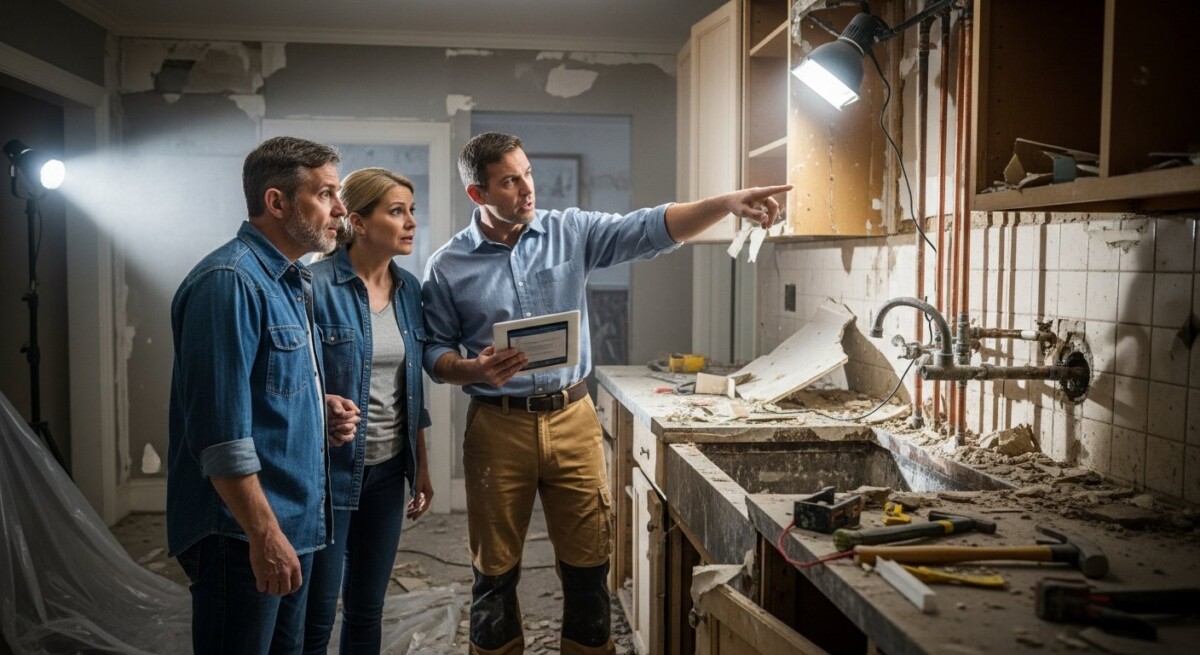
You finally saved up for that kitchen update. You picked out the cabinets, chose a fresh backsplash, and imagined cooking in a space that actually works for your family. Then the walls opened up, and everything changed. The wiring was outdated. The plumbing was corroded. Suddenly, your dream remodel turned into a repair nightmare, and your budget was blown before the tile was even laid. That moment of panic is one of the most common things what homeowners regret during remodels ,going in unprepared for hidden problems.
Most homeowners discover these issues only after demolition begins. A simple cabinet swap reveals rotted subflooring, or a new light fixture exposes old, unsafe wiring. It’s easy to feel stuck. You can either stop the project and live with a half-demolished room or pay thousands more than you planned. But here’s the truth: most of these surprises are avoidable with the right upfront planning.
Understanding what homeowners regret during remodels
When we talk about what homeowners regret during remodels, we’re really talking about a handful of recurring mistakes. The biggest one is skipping a thorough pre-remodel inspection. Homeowners often assume that what looks good on the surface is fine underneath. That assumption is risky, especially in homes built before 2000.
These regrets happen for several reasons. First, many homeowners rely on a single contractor’s word without getting a second opinion. Second, they underestimate the age and condition of their home’s systems,plumbing, electrical, HVAC, and structure. Third, they focus entirely on finishes and forget to budget for the unexpected. Homes with older wiring, cast-iron pipes, or unpermitted additions are most vulnerable to these painful surprises.
Why the “surprise” is actually predictable
Most contractors will tell you the same thing: no remodel goes exactly as planned. But with a detailed inspection from a licensed professional, you can reduce surprises from “major” to “minor.” The key difference is hiring someone who takes the time to look behind walls, under floors, and into your attic before you sign a contract. That small upfront cost can save you thousands.
Why This Matters for Your Home
Ignoring the risk of hidden damage during a remodel doesn’t just cause budget stress,it causes real harm to your home. Water damage behind a shower wall can spread silently for months, leading to mold and rot. Outdated electrical wiring can create a fire hazard. Even something as simple as a poorly planned layout can make your home less functional for years to come.
Your home’s value also takes a hit. If you plan to sell in the future, a poorly executed or incomplete remodel can lower your asking price. Buyers are smart. They’ll notice sloppy work, unpermitted changes, or issues that were covered up rather than fixed. What starts as a small regret can turn into a costly problem when it’s time to sell.
Safety is another major concern. A DIY electrical fix or a structural wall removed without proper support can turn your dream kitchen into a danger zone. The best time to catch these issues is before you start, not after the walls are closed up.
If you notice signs of this issue in your home, it may help to speak with a qualified contractor. Request a free quote or call to explore your repair or remodeling options.
Common Problems Homeowners Experience
Real homeowners face real problems when they skip the prep work. One of the most common is discovering outdated electrical panels that can’t support modern appliances. Another is finding water-damaged subfloors after removing old tile. These problems don’t just cost extra,they delay the entire project by weeks.
Some homeowners regret rushing into a remodel without a clear plan. They change their mind mid-project, order the wrong materials, or hire a contractor who doesn’t specialize in their type of renovation. The result is a finished space that doesn’t quite work,awkward cabinet placement, poor lighting, or a shower that’s too small.
- Hidden water damage behind walls or under flooring that requires expensive remediation
- Outdated electrical wiring that can’t handle modern appliances or lighting
- Asbestos or lead paint in older homes that requires special handling
- Structural issues like sagging beams or unsupported load-bearing walls
- Poor ventilation that leads to mold and mildew in bathrooms or kitchens
- Unpermitted work from previous owners that fails inspection
How Professionals Solve the Problem
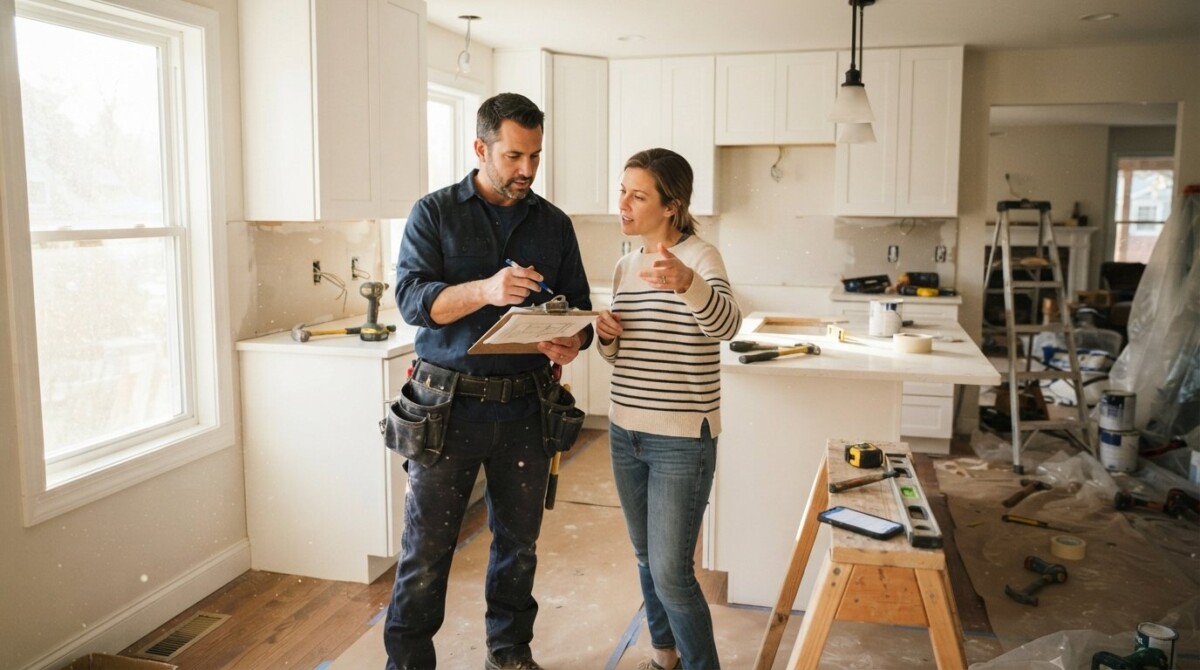
Experienced contractors handle these issues every day. They know exactly what to look for and how to fix it without blowing your timeline. A good contractor will start with a thorough walkthrough, inspect your home’s systems, and give you a realistic estimate that includes a contingency for surprises.
Here’s how a typical professional remodel process works:
- Initial consultation and walkthrough , The contractor assesses the space, checks for obvious issues, and discusses your goals.
- Detailed inspection , They look behind walls, under floors, and in the attic to find any hidden damage or code violations.
- Written estimate , You receive a clear breakdown of costs, including materials, labor, and a 10,20% contingency fund.
- Permits and planning , The contractor pulls the necessary permits and schedules inspections so everything is legal and safe.
- Demolition and repair , They handle the messy work, fix any hidden issues, and prepare the space for new finishes.
- Installation and finishing , Your new cabinets, countertops, flooring, or fixtures go in correctly the first time.
Professional work is safer, faster, and more reliable than a DIY approach. Contractors have the tools, training, and experience to avoid mistakes that could cost you thousands later. They also carry insurance, so if something goes wrong, you’re protected.
A professional inspection can reveal hidden issues before they become expensive repairs. Compare contractor quotes here or call to discuss your project.
Warning Signs You Should Not Ignore
Your home often gives you clues before a remodel goes wrong. Pay attention to these signs before you start any renovation. They can save you from serious regret down the road.
If you notice any of these issues, it’s worth getting a professional opinion before you spend a dime on new finishes. Ignoring them won’t make them go away,it will just make your remodel more expensive.
- Flickering lights or frequent breaker trips , Your electrical system may be overloaded or outdated.
- Musty smells or visible mold , These indicate moisture problems behind walls or under floors.
- Soft or spongy floors , This can mean rot, termites, or structural damage.
- Peeling wallpaper or bubbling paint , Often a sign of hidden moisture or leaks.
- Cracks in walls or ceilings , Especially if they’re widening, this could mean foundation or structural issues.
- Old plumbing fixtures that leak or rust , A sign your pipes may need replacement.
What Affects the Cost of Repairs or Installation
The final price of your remodel depends on several factors. Understanding them helps you budget realistically and avoid sticker shock. The size of your project is the biggest factor,a full kitchen remodel costs more than a bathroom update because there’s more space and more systems involved.
The materials you choose also matter. Custom cabinets, natural stone countertops, and high-end fixtures cost significantly more than stock options. Labor rates vary by region and by the complexity of the job. A simple tile backsplash takes less time than moving plumbing or electrical lines.
Accessibility can also drive up costs. If your contractor has to work around tight spaces, old construction, or hard-to-reach areas, expect higher labor charges. Older homes often require more prep work because they weren’t built to modern standards. The best way to know what you’ll pay is to get multiple quotes from qualified professionals.
Costs can vary depending on the condition of your home. The best way to know the price is to get a personalized estimate. Request free quotes from contractors or call today.
How to Choose the Right Contractor
Choosing the right contractor is the most important decision you’ll make during your remodel. A bad contractor can turn a dream project into a nightmare. A good one will make the process smooth and stress-free. Start by asking for recommendations from friends, family, or neighbors who have had similar work done.
Don’t hire the first contractor you meet. Get at least three detailed estimates so you can compare prices, timelines, and scope of work. A trustworthy contractor will be happy to answer your questions and provide references from past clients.
- Check licenses and insurance , Make sure they’re licensed in your state and carry general liability and workers’ compensation insurance.
- Read customer reviews , Look for recent reviews on Google, Yelp, or the Better Business Bureau.
- Ask for detailed estimates , A good estimate breaks down materials, labor, permits, and any contingency funds.
- Compare multiple quotes , Don’t automatically choose the cheapest option. Look for the best value and clear communication.
- Confirm experience with similar projects , A contractor who specializes in bathroom remodels may not be the best choice for a kitchen or a whole-house renovation.
Long-Term Benefits of Professional Work
Investing in professional remodeling work pays off in the long run. A properly installed kitchen or bathroom will last for decades with minimal maintenance. That means you won’t have to deal with leaks, cracks, or electrical problems a few years down the road.
Professional work also improves your home’s energy efficiency. Proper insulation, sealed windows, and modern appliances lower your utility bills and make your home more comfortable year-round. When it’s time to sell, a well-done remodel can increase your home’s value by thousands of dollars.
Finally, there’s peace of mind. Knowing that a licensed professional handled the wiring, plumbing, and structural work means you don’t have to worry about safety hazards. You can enjoy your new space without second-guessing whether everything is up to code.
What is the biggest mistake homeowners make during a remodel?
The biggest mistake is skipping a thorough pre-remodel inspection. Many homeowners assume their home’s systems are in good shape, only to discover costly hidden problems after demolition starts. A professional inspection before you begin can catch issues like outdated wiring, water damage, or structural concerns early, saving you time and money.
How much should I budget for unexpected remodel costs?
Most contractors recommend setting aside 10,20% of your total budget for unexpected repairs. If you’re remodeling an older home, consider a 20,25% contingency fund. This covers surprises like rotten subflooring, outdated plumbing, or electrical upgrades that become visible only after demolition.
Should I get more than one quote for my remodel?
Yes, absolutely. Getting at least three detailed quotes from licensed contractors helps you understand the true cost of your project. It also lets you compare approaches, timelines, and communication styles. The cheapest quote isn’t always the best,look for clear, transparent pricing and a contractor who answers all your questions.
Can I do a remodel myself to save money?
DIY remodels can save money on labor, but they come with significant risks. Mistakes in wiring, plumbing, or structural work can be dangerous and expensive to fix. You also lose the protection of contractor insurance and warranties. For complex projects like kitchens and bathrooms, hiring a professional is usually safer and more cost-effective in the long run.
How long does a typical kitchen or bathroom remodel take?
A standard bathroom remodel usually takes 2,4 weeks. A full kitchen remodel can take 4,8 weeks, depending on the scope of work. Delays can happen if hidden problems are found, materials are backordered, or permits are slow. A good contractor will give you a realistic timeline and keep you updated throughout the process.
What permits do I need for a remodel?
Most major remodels require permits from your local building department. This includes electrical, plumbing, structural changes, and sometimes window or door replacements. A professional contractor will handle the permit process for you. Working without permits can lead to fines and problems when you sell your home.
How do I know if a contractor is trustworthy?
Look for a contractor with a valid license, insurance, and a strong portfolio of similar projects. Read online reviews and ask for references from recent clients. A trustworthy contractor will provide a detailed written estimate, answer your questions clearly, and communicate openly about timelines and potential challenges.
Will a remodel increase my home’s value?
A well-planned and professionally executed remodel can significantly increase your home’s value. Kitchens and bathrooms offer the best return on investment. However, poor-quality work or unfinished projects can lower your home’s value. That’s why it’s important to hire a qualified contractor and use durable materials.
Remodeling your home should be exciting, not stressful. The best way to avoid regret is to start with a plan, hire the right professionals, and budget for the unexpected. Compare contractor quotes today to find the right team for your project. Your dream home is worth the extra effort.
About the Author: David