
How to Manage Your Lead Budget for Home Repairs
You’ve finally decided to tackle that home repair or remodeling project you’ve been thinking about for months. Maybe it’s a leaky roof, a drafty window, or a bathroom that’s seen better days. You start researching costs online and quickly feel overwhelmed. One contractor’s estimate is shockingly high, another seems suspiciously low, and you’re left wondering: how much should this *really* cost? This is where managing your lead budget becomes crucial. It’s the process of planning, comparing, and allocating funds for home improvement work, and doing it poorly can lead to unfinished projects, unexpected debt, or subpar workmanship. Ignoring a smart budgeting strategy often means repairs get delayed until they become emergencies, costing you far more in the long run.
Understanding How to Manage Lead Budget
Think of your lead budget as your financial roadmap for a home project. It’s not just a single number, but a plan that accounts for the estimated costs you gather from contractors (the “leads” on pricing), plus a buffer for the unexpected. A lead budget helps you move from a vague idea to a concrete plan you can afford.
This process matters because home projects are full of variables. The age of your home, the quality of materials, and the scope of labor all influence the final price. Managing your budget effectively means getting multiple quotes, understanding what’s included, and making informed choices that balance cost with quality and longevity.
Every homeowner needs this skill, but it’s especially vital for those in older homes where hidden issues are common, or for anyone undertaking their first major renovation. Without a clear budget, it’s easy to run out of money mid-project or agree to a price that doesn’t reflect fair value.
Why This Matters for Your Home
Getting your budget right protects more than just your bank account. It directly safeguards your home’s value, your family’s safety, and your own peace of mind. A well-managed budget ensures a project is completed correctly the first time, using durable materials and proper techniques.
When budgeting is an afterthought, homeowners often face tough compromises. You might be forced to choose cheaper, less durable materials that need replacing sooner. Or, you might scale back the scope in ways that don’t fully solve the core problem, leading to recurring issues. A leak fixed with a temporary patch, for example, can silently cause mold and rot within your walls.
Ultimately, a realistic lead budget is an investment in your home’s future. It allows you to address problems completely, enhance your living space, and avoid the cycle of constant, costly patches. It turns a stressful expense into a strategic improvement that pays off for years to come.
If you notice signs of this issue in your home, it may help to speak with a qualified contractor. Request a free quote or call to explore your repair or remodeling options.
Common Problems Homeowners Experience
Without a solid budgeting plan, even simple projects can go off the rails. The most common issue is “sticker shock”,when the first estimate comes in far above what you imagined. This often leads to paralysis, where the needed repair is delayed indefinitely while the underlying damage gets worse.
Another frequent problem is the incomplete project. You might start a kitchen remodel only to discover your budget doesn’t cover necessary electrical updates or permit fees, leaving you with a half-functional space. These budget overruns strain finances and turn an exciting update into a source of daily frustration.
- Underestimating Labor Costs: Focusing only on material prices while labor, which is often a significant portion, is overlooked.
- Hidden Damage Discovery: Opening up a wall or floor to find rot, outdated wiring, or plumbing issues not included in the initial quote.
- Scope Creep: Adding “just one more thing” to the project without adjusting the budget, causing it to balloon.
- Low-Ball Quotes: Being tempted by an unusually low bid that may indicate inexperience, cutting corners, or hidden fees to come.
- Financing Gaps: Not having a clear plan to pay for the project, leading to high-interest credit card debt or unfinished work.
- Ignoring Permits & Codes: Failing to budget for necessary permits and updates to meet building codes, which can result in fines or unsafe conditions.
How Professionals Solve the Problem
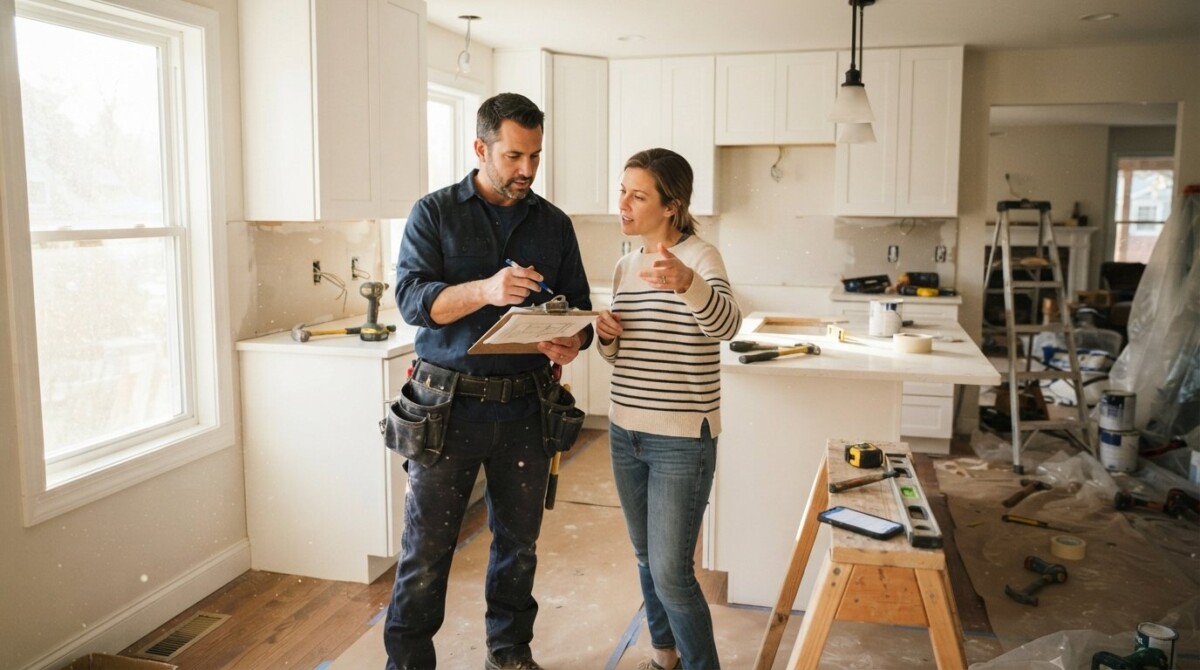
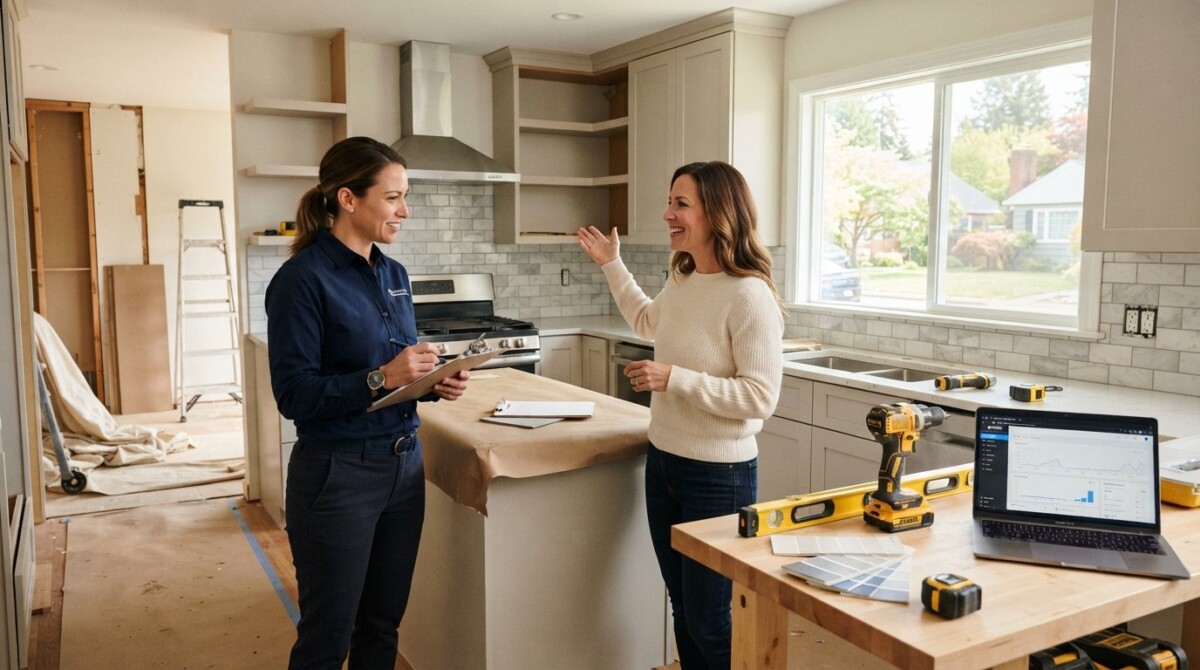
An experienced contractor doesn’t just do the physical work; they are your partner in building a realistic budget. They bring knowledge of true material costs, fair labor rates, and the typical challenges your specific project might face. Their detailed estimates transform guesswork into a clear financial picture.
Professionals help you manage your lead budget by identifying priorities and potential savings. They can often suggest alternative materials or phased approaches that achieve your goals without compromising on safety or quality. Their expertise prevents costly mistakes that DIY attempts or hiring the cheapest labor often create.
The professional process itself is designed to control costs and set clear expectations from the start.
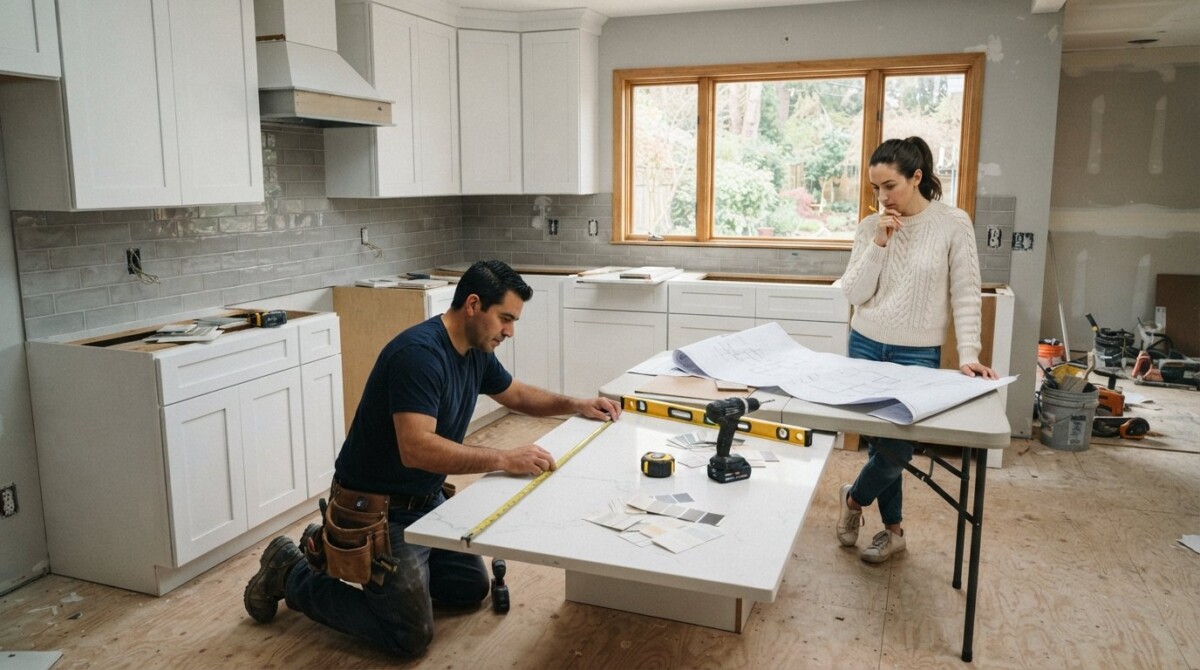
- Detailed Consultation & Inspection: A thorough assessment of the project area to identify all visible and potential issues.
- Itemized Quote Creation: Providing a breakdown of costs for materials, labor, permits, and cleanup, so you see exactly what you’re paying for.
- Scope of Work Definition: A clear document outlining every task to be completed, preventing misunderstandings about what is and isn’t included.
- Timeline & Payment Schedule: Establishing a project schedule linked to progress payments, keeping the project and budget on track.
- Professional Project Management: Coordinating deliveries, subcontractors, and inspections efficiently to avoid delays that cost money.
A professional inspection can reveal hidden issues before they become expensive repairs. Compare contractor quotes here or call to discuss your project.
Warning Signs You Should Not Ignore
Your home often gives you clues that a repair or update is needed. Listening to these signs and acting with a planned budget is far cheaper than waiting for a full failure. A small, persistent drip from a pipe, for instance, is a budget-friendly fix today but could lead to a catastrophic leak and thousands in water damage tomorrow.
Beyond physical damage, pay attention to efficiency and comfort. Skyrocketing energy bills can signal poor insulation or aging windows,issues that, once fixed, pay for themselves over time. Addressing these problems with a planned investment improves your daily life and protects your home’s structure.
- Water Stains on Ceilings or Walls: Indicates a leak that could be causing unseen structural damage or mold.
- Persistent Drafts or Temperature Imbalances: Suggests failing insulation, windows, or doors, wasting money on utilities.
- Cracked or Bowing Foundations/Walls: A serious structural issue that only becomes more expensive to fix.
- Frequent Plumbing Clogs or Low Water Pressure: Can point to deteriorating pipes that may be nearing failure.
- Outdated Electrical Systems: Frequent breaker trips, flickering lights, or a lack of modern outlets are safety and convenience issues.
- Peeling Paint or Rotting Exterior Wood: Your home’s protective shell is compromised, allowing weather damage to penetrate.
What Affects the Cost of Repairs or Installation
Understanding what drives costs is the first step in managing your lead budget effectively. The size and complexity of the project are the most obvious factors. A full kitchen remodel will naturally cost more than replacing a single window, but even similar-sized projects can vary widely based on your choices and your home’s condition.
Material selection creates a significant cost range. You can choose standard laminate countertops or premium granite, builder-grade fixtures or high-end models. A good contractor will explain the durability and value differences so you can make an informed choice that fits your budget and long-term goals. The accessibility of the work area and the age of your home also play major roles, as older homes often require more preparatory work to meet current standards.
Costs can vary depending on the condition of your home. The best way to know the price is to get a personalized estimate. Request free quotes from contractors or call today.
How to Choose the Right Contractor
The most important decision in your project isn’t the tile color or faucet style,it’s choosing the right professional for the job. A trustworthy contractor is your greatest asset in staying on budget. They provide honest assessments, clear communication, and quality work that lasts, preventing call-backs and repeat repairs.
Start by looking for established local professionals with verifiable references. A contractor who is invested in your community is more likely to prioritize their reputation and your satisfaction. Don’t just take their word for it; do your homework to ensure they have the skills and integrity to manage your investment responsibly.
- Verify Licenses and Insurance: Always ask for proof of current liability insurance and, if required in your state, a valid contractor’s license.
- Read Reviews and Ask for References: Check online platforms and ask to speak to past clients about their experience, especially regarding budget and communication.
- Get Detailed, Written Estimates: Avoid vague quotes. A good estimate itemizes materials, labor, and other costs for easy comparison.
- Compare Multiple Quotes: Get at least three detailed estimates to understand the market rate for your project and to gauge different professionals’ approaches.
- Assess Communication Style: Choose someone who listens, answers your questions clearly, and makes you feel comfortable. Good communication prevents budget misunderstandings.
Long-Term Benefits of Professional Work
Investing in professional repairs and remodels does more than just fix an immediate problem. It builds long-term value and security into your home. Quality workmanship with proper materials means the repair will last for years, not just months. You save money by avoiding the same issue recurring and by reducing overall maintenance needs.
Furthermore, many professional upgrades increase your home’s energy efficiency and curb appeal, which directly boosts its market value. A new roof or updated windows, for example, are attractive selling points that protect your investment. Perhaps the greatest benefit is peace of mind,knowing that the work was done safely, to code, and with warranties that protect you if an issue arises.
How much should I budget for unexpected issues?
It’s wise to add a contingency of 10-20% on top of your estimated project cost. Older homes or large-scale renovations should lean toward the higher end. This fund covers hidden problems like rotten subfloor or outdated wiring that are only discovered once work begins, preventing budget panic.
Is it worth getting multiple quotes?
Absolutely. Getting at least three detailed quotes is the single best way to manage your lead budget effectively. It helps you understand a fair price range, reveals different approaches to your project, and allows you to evaluate contractors’ professionalism and communication before you commit.
What’s the difference between an estimate and a quote?
An estimate is an educated guess of the project cost and can change. A quote (or bid) is a fixed-price offer for the work described. For budgeting, a detailed, written quote is far more reliable. Always clarify which you are receiving.
Should I choose the lowest bid?
Not automatically. An extremely low bid can be a red flag for inexperience, the use of inferior materials, or a contractor who plans to add charges later. Compare what’s included in each quote and prioritize value, reputation, and clarity over the bottom-line number alone.
How can I finance a home repair project?
Options include home equity loans or lines of credit (HELOCs), cash-out mortgage refinancing, or specialty renovation loans like FHA 203(k). Some contractors also offer financing plans. Discuss your budget openly with contractors; they can often suggest a phased approach to make the project more affordable.
What questions should I ask a contractor?
Key questions include: Is the quote fixed-price? What is the payment schedule? How long will the project take? Who will be on-site daily? Are permits and cleanup included? What warranties do you offer on labor and materials? Getting these answers in writing is part of smart budget management.
Can I save money by doing some work myself?
This can be risky. DIY demolition or cleanup might save on labor costs, but mistakes can lead to costly repairs. Always discuss this with your contractor first. Improper prep work can void warranties or create delays that ultimately increase the professional’s labor time and your bill.
How do I handle a project that goes over budget?
Communication is key. If a contractor discovers an issue that will increase cost, they should present a formal change order for your approval before proceeding. Your contingency fund covers these surprises. If costs are rising due to your own change requests, you may need to prioritize phases or adjust material choices.
Managing your lead budget isn’t about finding the cheapest price; it’s about making a smart plan to invest in your home wisely. By understanding the costs, recognizing warning signs early, and partnering with a qualified professional, you can tackle necessary repairs and desired remodels with confidence. The right approach protects your home’s value, your family’s safety, and your financial well-being. Start by gathering information,comparing detailed quotes from trusted contractors is the most practical first step toward a successful, stress-free project.
About the Author: Lila Kensington