Finding the Right Flooring Contractor for Your Home Project
You’ve finally decided to replace that worn-out carpet or update your kitchen floors. You start searching online, but quickly feel overwhelmed. Dozens of local flooring contractors pop up, each with glowing reviews and impressive photos. How do you know which one is truly reliable, will understand your vision, and offer a fair price? This common dilemma is what makes finding a qualified professional,a process often called lead generation from the contractor’s side,so crucial for homeowners. Choosing the wrong contractor can lead to delays, hidden costs, and disappointing results, turning your dream project into a stressful ordeal.
Understanding Lead Generation for Flooring Contractors
In simple terms, “lead generation” is how contractors find homeowners who need their services. For you, it’s about how you find them. It’s the process that connects your need for new floors with a skilled professional who can do the job right.
This happens through online searches, referrals from friends, social media, or home improvement websites. The goal is to move from a simple search to a conversation with a trustworthy expert. It’s about filtering through the noise to find a contractor who is responsive, knowledgeable, and a good fit for your specific project.
It’s About Your Search, Not Just Their Ads
While contractors use various methods to get noticed, your role is to be an informed searcher. Look beyond flashy ads and focus on substance,like proven experience, clear communication, and detailed estimates. A good match starts with you knowing what to look for.
Why This Matters for Your Home
Your floors are one of the most used and visible parts of your home. They affect daily comfort, safety, and your property’s overall value. A poor installation or repair can lead to a domino effect of problems.
Uneven floors can become trip hazards. Improperly installed flooring might warp, buckle, or allow moisture to seep into subfloors, causing costly structural damage. A bad job doesn’t just look unattractive; it can compromise your home’s integrity and become a financial drain. Investing time in finding the right professional is an investment in your home’s long-term health.
If you notice signs of wear or are planning an update, it may help to speak with a qualified contractor. Request a free quote or call to explore your repair or remodeling options.
Common Problems Homeowners Experience
Many flooring issues start small but worsen over time if ignored. You might first notice a single squeaky board or a slight dip in the hallway. Without proper attention, these minor annoyances can signal larger underlying issues.
Other problems arise from aging materials or previous DIY attempts that didn’t account for proper preparation or installation techniques. Understanding these common issues can help you communicate more effectively with potential contractors.
- Visible Wear and Damage: Deep scratches, stains, cracks in tile, or worn-through finish on hardwood.
- Performance Problems: Squeaks, creaks, uneven surfaces, or floors that feel spongy underfoot.
- Moisture and Mold Issues: Warping, cupping, buckling, or a musty smell, often in bathrooms, basements, or kitchens.
- Outdated or Failing Materials: Torn carpet, peeling laminate, cracked vinyl, or tile with crumbling grout.
- Subfloor Concerns: Issues hidden beneath the surface, like rot, uneven joists, or improper underlayment.
- Poor Previous Installations: Gaps, misaligned planks, loose tiles, or transitions that are trip hazards.
How Professionals Solve the Problem
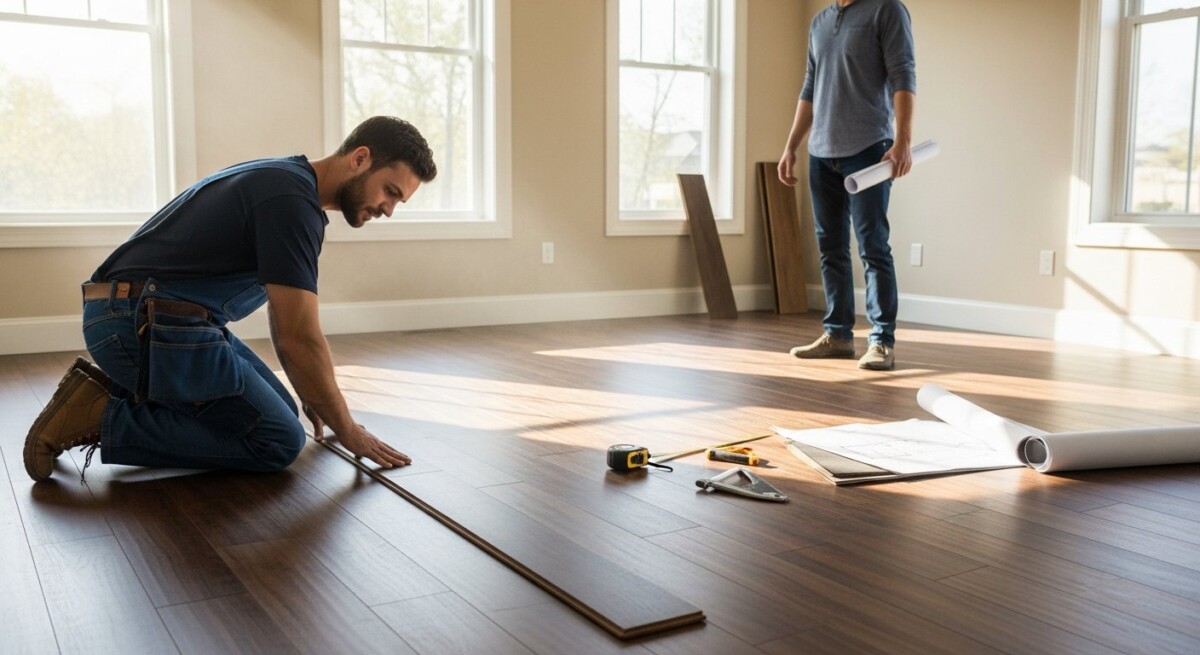
A professional flooring contractor brings expertise, proper tools, and an understanding of materials that most homeowners lack. They don’t just cover up problems; they diagnose the root cause. This approach ensures the solution is durable, safe, and aesthetically pleasing.
Their process is systematic and designed to prevent future callbacks. They assess the subfloor, account for room conditions like humidity, and use techniques that ensure longevity. This is very similar to the thorough approach needed when finding the right HVAC contractor, where proper installation is critical for long-term performance and efficiency.
- Comprehensive Assessment: They inspect your existing floors and subfloor for hidden issues.
- Detailed Planning: They help you choose the right material for your lifestyle, budget, and home’s structure.
- Proper Preparation: This crucial step includes leveling the subfloor, addressing moisture, and ensuring a clean, stable base.
- Precise Installation: Using specialized tools and techniques for a seamless, secure fit.
- Finishing and Cleanup: Applying final finishes, sealing, and leaving your home clean and ready to use.
A professional inspection can reveal hidden issues before they become expensive repairs. Compare contractor quotes here or call to discuss your project.
Warning Signs You Should Not Ignore
Your floors often give clear signals when they need professional attention. Listening to these signs early can save you significant money and hassle. What seems like a cosmetic issue can sometimes indicate a more serious structural concern.
Delaying action usually allows the problem to progress, expanding the scope of work and the final cost. Being proactive protects your investment and your family’s safety.
- Persistent Squeaks or Creaks: Often means fasteners have loosened or subflooring is rubbing against joists.
- Spongy or Bouncy Feel: Can signal subfloor rot, water damage, or insufficient support underneath.
- Visible Gaps or Buckling: In hardwood or laminate, this usually points to humidity issues or improper installation.
- Cracks in Tile or Grout: May indicate movement in the subfloor that needs stabilization.
- Water Stains or Warping: A sure sign of moisture intrusion that must be stopped before new flooring is installed.
- Tripping Hazards: Uneven transitions between rooms or lifted floorboards need immediate correction for safety.
What Affects the Cost of Repairs or Installation
Flooring project costs aren’t one-size-fits-all. Several key factors influence the final price, which is why detailed, in-home estimates are so important. Understanding these factors helps you make sense of the quotes you receive.
The biggest cost drivers are usually the materials chosen and the condition of your existing floor. A simple overlay on a perfect subfloor costs far less than a full tear-out and repair of a damaged base. This variability is a key reason to get multiple quotes, much like the advice in our broader guide for homeowners on finding remodelers.
- Material Choice: From budget-friendly laminate to premium hardwood or natural stone.
- Project Size & Scope: Square footage, room complexity, and the amount of prep work needed.
- Subfloor Condition: Repairing or replacing a damaged subfloor adds significant labor and material costs.
- Labor Intensity: Intricate patterns, diagonal layouts, or multiple transitions take more time and skill.
- Removal & Disposal: Cost to remove old flooring and haul it away.
- Accessibility: Second-story rooms, tight staircases, or limited parking can increase labor time.
Costs can vary depending on the condition of your home. The best way to know the price is to get a personalized estimate. Request free quotes from contractors or call today.
How to Choose the Right Contractor
With so many options, selecting the right professional requires a careful, methodical approach. It’s not just about the lowest price; it’s about value, trust, and quality. The right contractor will be a partner in your project.
Start by verifying their credentials and reputation. Then, focus on their communication style and willingness to explain the process. A good contractor wants you to be informed and comfortable every step of the way.
- Check Licenses and Insurance: Always verify they are properly licensed for your area and carry liability and workers’ compensation insurance.
- Read Reviews and Ask for References: Look at recent reviews on multiple platforms and ask to speak to past clients with similar projects.
- Get Detailed, Written Estimates: Quotes should break down material costs, labor, prep work, and timeline,not just a single total.
- Compare Multiple Quotes: Get at least three estimates to understand the market rate and different approaches to your project.
- Assess Communication: Are they prompt, clear, and patient in answering your questions? This reflects how the project will be managed.
Long-Term Benefits of Professional Work
Hiring a skilled flooring professional pays dividends long after the project is complete. Quality installation enhances your daily life and protects your financial investment in your home. It’s a decision that impacts comfort, safety, and value for years to come.
Professional work often comes with warranties on both materials and labor, giving you peace of mind. Properly installed floors are easier to maintain, more resistant to wear, and perform as intended. This focus on lasting quality is a hallmark of professional work across home trades, as emphasized in resources about selecting a qualified remodeling professional.
- Enhanced Safety and Durability: Floors are secure, level, and built to handle daily life without failing.
- Increased Home Value: Quality flooring is a top ROI item for home resale.
- Reduced Future Maintenance: Correct installation prevents issues like gaps, buckling, or premature wear.
- Warranty Protection: Valid manufacturer warranties on materials and contractor warranties on workmanship.
- Improved Aesthetics and Function: A flawless finish that looks beautiful and functions perfectly for your family’s needs.
How long does a typical flooring installation take?
Timeline depends on the project scope. A simple single-room carpet install might take a day, while a whole-house hardwood installation with subfloor repair can take 1-2 weeks. Your contractor should provide a clear schedule after assessing your home.
Can I install new flooring over my old floor?
Sometimes, but not always. It depends on the type and condition of the existing floor, subfloor integrity, and door clearances. A professional will advise if this is a viable option or if a full tear-out is necessary for a proper, long-lasting result.
What is the most durable type of flooring for a busy household?
For high-traffic areas, luxury vinyl plank (LVP) and tile are top contenders for durability and water resistance. Some engineered hardwoods and laminates are also very durable. Discuss your household’s specific needs (pets, kids, spills) with your contractor.
Do I need to move all my furniture out?
Typically, yes. For a quality installation, the room needs to be completely empty. Reputable contractors often include furniture moving (to another room) in their service, but confirm this during the estimate phase.
How do I prepare for the contractor’s arrival?
Clear the work area of all furniture, decorations, and fragile items. Ensure clear pathways to the room and accessible parking. Discuss any pets or children’s schedules with the contractor to maintain a safe worksite.
What questions should I ask during the estimate?
Ask about the prep work included, the project timeline, daily start/end times, cleanup procedures, payment schedule, and warranty details. Also, ask who will be the on-site foreman and how to communicate during the project.
Taking the time to find a qualified flooring contractor is one of the most important steps in your home improvement project. By understanding the process, recognizing warning signs, and knowing how to evaluate professionals, you can make a confident decision. Addressing flooring issues early or planning a thoughtful update protects your home and enhances your living space. Start by gathering information and comparing detailed quotes from local, trusted experts to ensure your project is a success from the ground up.
About the Author: Lila Kensington