
What Happens After Submitting a Lead Form for Home Projects
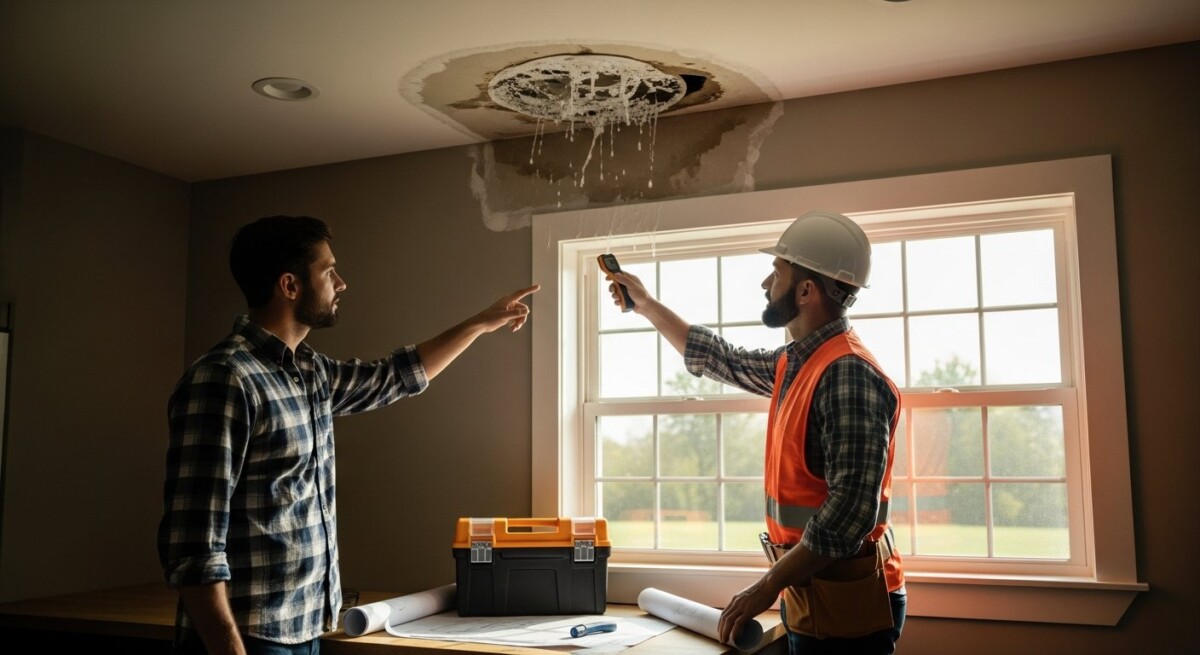
You notice a crack in your living room ceiling or your bathroom tiles are starting to feel loose. After some research, you decide it’s time to talk to a professional. You fill out a short form on a contractor’s website, providing your name and project details, and then… silence. You might wonder, “What happens now? Did my request go through? When will someone contact me?” Understanding this process can ease your mind and help you prepare for the next steps in your home repair or remodeling journey.
Understanding What Happens After Submitting a Lead Form
Submitting a lead form is simply the first step in starting a conversation about your home project. It’s a way to signal your interest and request more information or an estimate. Think of it as raising your hand to say, “I have a project and I’d like to learn more.”
This initial contact is designed to be quick and easy for you, the homeowner. It allows contractors to gather basic information so they can respond with relevant details and begin the qualification process. The goal is to connect you with the right professional for your specific needs, whether it’s a minor repair or a major renovation.
Why This Matters for Your Home
Taking that first step by submitting a form is crucial for protecting your biggest investment. Small issues, like a leak under the sink or a drafty window, rarely fix themselves. In fact, they often get worse with time, leading to more extensive and expensive damage.
Addressing problems early with professional help preserves your home’s value, ensures your family’s safety, and maintains your comfort. Ignoring a small leak, for example, can lead to mold growth, structural rot, and costly emergency repairs down the line. Proactive communication with a contractor is the smartest way to prevent a minor concern from becoming a major headache.
If you notice signs of this issue in your home, it may help to speak with a qualified contractor. Request a free quote or call to explore your repair or remodeling options.
Common Problems Homeowners Experience
After you submit a form, you might encounter a few common scenarios. The most frequent is simply not knowing what to expect next, which can lead to uncertainty. You might also receive responses that feel too generic or sales-focused, rather than helpful and specific to your situation.
These experiences can make the process feel impersonal. However, a reliable contractor will use your initial information to start a meaningful conversation, not just send an automated reply. They understand you’re looking for a solution, not just another email.
- Unclear timelines for a callback or estimate.
- Receiving generic information that doesn’t address your specific project.
- Difficulty comparing different contractors who provide estimates in different formats.
- Feeling pressured by high-pressure sales tactics instead of helpful consultation.
- Uncertainty about the contractor’s qualifications and local experience.
- Confusion about the next steps in the process after the initial contact.
How Professionals Solve the Problem
A reputable contractor views your submitted form as the beginning of a professional relationship. Their goal is to understand your problem, assess your home’s needs, and provide a clear path forward. This process is designed to build trust and give you confidence in your decision.
Professional work goes beyond a quick fix. It involves proper diagnosis, high-quality materials, and skilled labor that meets building codes. This approach ensures the repair or installation is safe, durable, and adds value to your property, unlike many temporary DIY solutions.
- Initial Contact & Qualification: A team member (often a coordinator or the owner) will call or email you, usually within 24-48 hours, to confirm your details and ask a few clarifying questions.
- Scheduling the Consultation: They will schedule a convenient time for a project manager or estimator to visit your home. This visit is key for an accurate assessment.
- On-Site Evaluation: The professional will examine the issue, discuss your goals, take measurements, and possibly photos for their records.
- Detailed Proposal: You will receive a written estimate that outlines the scope of work, materials to be used, project timeline, and the total cost.
- Follow-Up & Questions: A good contractor will encourage you to ask questions about the proposal and will be available to discuss it before you make any decision.
A professional inspection can reveal hidden issues before they become expensive repairs. Compare contractor quotes here or call to discuss your project.
Warning Signs You Should Not Ignore
Knowing when to reach out is just as important as knowing what happens next. Some home issues give clear signals that professional help is needed. Waiting often allows the problem to spread, affecting other areas of your home and increasing the final repair bill.
Trust your instincts. If something in your home doesn’t look right, feel right, or work right, it’s worth getting a professional opinion. Early intervention is almost always simpler and more affordable than last-minute emergency repairs.
- Water stains on ceilings or walls, which indicate a leak.
- Cracks in foundation walls or above door frames.
- Roof shingles that are curling, cracked, or missing.
- Persistent drafts, high energy bills, or uneven heating/cooling.
- Sagging floors or bouncy feeling underfoot.
- Outdated electrical systems that can’t handle modern appliances.
What Affects the Cost of Repairs or Installation
The cost of your project depends on several factors that a contractor will evaluate during their visit. There is rarely a one-size-fits-all price for home repairs. A detailed, in-person estimate is the only way to get an accurate picture of what your specific project will entail.
Understanding these factors can help you make sense of the estimates you receive. It also explains why getting multiple quotes is so valuable,it allows you to compare not just the price, but the proposed solutions and material quality.
- Scope of Work: Is it a simple patch or a full replacement?
- Materials: The quality and type of materials (e.g., standard vs. premium flooring).
- Labor Intensity: How many skilled workers are needed and for how long?
- Accessibility: Is the work area easy to reach, or is it a tight crawl space or high roof?
- Home Age & Condition: Older homes may have unforeseen issues like outdated wiring or plumbing that must be addressed.
- Permits & Codes: Some projects require permits, which add to the timeline and cost.
Costs can vary depending on the condition of your home. The best way to know the price is to get a personalized estimate. Request free quotes from contractors or call today.
How to Choose the Right Contractor
Once you start receiving calls and estimates, you’ll need a strategy for choosing the right partner. The lowest price isn’t always the best value. You’re looking for a combination of fair pricing, clear communication, proven experience, and reliability.
This is where the process that starts with your lead form becomes critical. Pay attention to how each contractor handles your initial inquiry. Their professionalism from the very first contact is a strong indicator of how they will manage your project. For a deeper dive into vetting professionals, our guide on finding trusted contractors offers valuable steps.
- Verify they are licensed, insured, and bonded for your protection.
- Read recent customer reviews and ask for references from similar projects.
- Ensure estimates are detailed, in writing, and easy to understand.
- Get quotes from at least three different companies to compare.
- Ask about their experience with your specific type of project and home.
- Trust your gut about their communication style and responsiveness.
Long-Term Benefits of Professional Work
Investing in professional repair or remodeling pays dividends long after the project is complete. Quality workmanship provides peace of mind, knowing the job was done correctly and safely. It protects your family and your home’s structure from potential hazards.
Beyond immediate fixes, professional upgrades can improve your home’s energy efficiency, boost its curb appeal and market value, and reduce the need for frequent maintenance. It’s an investment that enhances your daily life and protects your financial future.
How soon will a contractor contact me after I submit a form?
Most reputable contractors aim to respond within one business day, often within a few hours. If you don’t hear back within 48 hours, it’s reasonable to try another method of contact or consider it a sign of their general responsiveness. A prompt reply is a good first indicator of their customer service.
What information should I have ready when they call?
Be prepared to describe the problem or project in your own words. Know the general location in your home (e.g., “master bathroom shower”) and have a basic idea of your goals. It’s also helpful to have your availability for a potential in-home consultation ready to share.
Is there an obligation when I request a quote?
No, requesting a quote is not a commitment to hire. It is an information-gathering step for you. A professional estimate should be provided free of charge and with no pressure. You are under no obligation to proceed until you sign a contract.
Why do I need an in-home visit for an estimate?
An accurate quote requires seeing the space, assessing the existing conditions, and understanding the full scope of work. What seems like a simple surface issue may have underlying causes. An in-person visit ensures the estimate covers everything needed to complete the job properly.
How many quotes should I get for my project?
It’s wise to get at least three detailed quotes. This gives you a range for pricing, allows you to compare the proposed approaches and materials, and helps you gauge your comfort level with each contractor. Comparing quotes is a key part of making an informed decision.
What’s the difference between an estimate and a quote?
In practice, the terms are often used interchangeably. However, an “estimate” can sometimes be a preliminary ballpark figure, while a “quote” or “proposal” is typically a fixed-price offer for the defined scope of work. Always ask if the price provided is a firm quote for the specified job.
What if I’m not ready to start the project immediately?
That’s perfectly fine. Be upfront with the contractor about your timeline. A professional will understand that planning and budgeting take time. Getting quotes now gives you a realistic cost to plan for, and you can re-engage with the contractor when you’re ready to schedule the work.
Submitting a lead form is the proactive first step toward solving your home’s issues and protecting your investment. By understanding the process,from that initial click to the final walkthrough,you can navigate your project with confidence. Addressing repairs early with a qualified professional saves money, prevents stress, and ensures your home remains a safe and comfortable place for years to come. The best next step is to gather information; consider comparing detailed quotes from a few local contractors to understand your options and make a plan that works for your home and budget.
About the Author: Lila Kensington