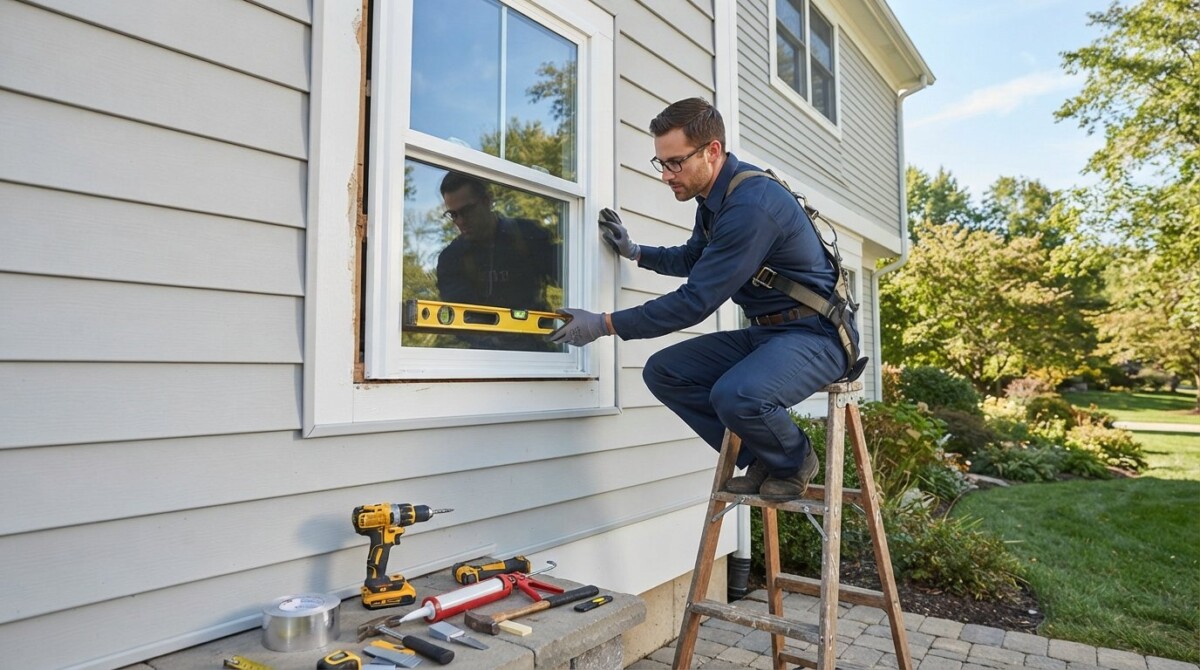
Window Installation Done Right: Pros, Steps, and Costs
Replacing your windows is one of the smartest investments you can make in your home. New windows can slash energy bills, eliminate drafts, boost curb appeal, and even increase property value. But the success of that investment hinges on one critical factor: how well the windows are installed. A high-quality window in the hands of a careless installer will underperform and fail prematurely. Conversely, a mid-range window installed with precision can deliver decades of comfort and efficiency. This article breaks down everything you need to know about window installation, from choosing the right professional to understanding the step-by-step process, so you can make confident decisions and avoid costly mistakes.
Why Professional Window Installation Matters
You might be tempted to save money with a DIY window installation, especially if you are handy. However, windows are complex building components that require precision, experience, and the right tools. A proper installation ensures the window is square, plumb, and level, which is essential for smooth operation and a proper seal. Even a minor gap can lead to air and water leaks, reducing energy efficiency and causing structural damage over time.
Professional installers also know how to handle the tricky details: flashing, insulation, and proper fastening. They are familiar with local building codes and manufacturer warranties, many of which require professional installation to remain valid. When you hire a vetted contractor, you are not just paying for labor; you are paying for peace of mind, a workmanship warranty, and a job done right the first time. The best window installation companies stand behind their work and will address any issues that arise after the job is complete.
Steps in a Professional Window Installation
Understanding what goes into a professional installation helps you evaluate contractors and ensures they are following best practices. While the exact process varies by window type and home construction, a typical installation follows this sequence:
- Accurate measurement: The installer measures the rough opening width and height at multiple points to ensure the new window fits correctly.
- Old window removal: The existing window and its frame are carefully removed, taking care not to damage the surrounding wall or siding.
- Frame inspection and prep: The rough opening is inspected for rot, water damage, or structural issues. Any problems are repaired before proceeding.
- Flashing and waterproofing: A self-adhering membrane or flashing tape is applied around the opening to prevent water infiltration.
- New window placement and shimming: The new window is set into the opening, leveled, and plumbed using shims. It is then nailed or screwed into place.
- Insulation: Gaps between the window frame and the rough opening are filled with low-expansion foam to reduce air leaks and improve thermal performance.
- Interior and exterior finishing: The interior is trimmed, and the exterior is caulked and finished to create a weather-tight seal.
- Final inspection and cleanup: The installer checks the window operation, ensures the glass is secure, and cleans up the work area.
A reputable contractor will walk you through this process and explain what they are doing at each stage. They will also protect your floors and furniture with drop cloths and dispose of the old windows responsibly. If a contractor skips the flashing or uses spray foam where it is not recommended, that is a red flag.
Choosing the Right Window Installation Contractor
Finding a skilled window installer can feel like a daunting task, but it is essential for a successful project. Start by asking for recommendations from friends, family, and neighbors who have recently had windows replaced. Online reviews on platforms like Google and Yelp can provide additional insights, but take them with a grain of salt. Look for contractors with a solid track record, proper licensing and insurance, and experience with your specific window type.
When you interview potential installers, ask for references and check their credentials. A trustworthy contractor will gladly provide a list of past clients and show proof of insurance. Be wary of bids that are significantly lower than others, as they may indicate subpar materials or workmanship. Instead, focus on value: a fair price for high-quality products and expert installation.
One effective way to find qualified window installation professionals is to use a lead generation service like HomeRemodelingLeads. This platform connects homeowners with pre-screened, high-intent contractors in their area. Instead of cold-calling random companies, you can receive bids from vetted professionals who are actively looking for work. This saves you time and reduces the risk of hiring an unqualified handyman. HomeRemodelingLeads specializes in window replacement leads, so you know the contractors you meet are serious about their trade.
Costs, Materials, and Energy Efficiency
The cost of window installation varies widely based on the number of windows, the material, the glass package, and your location. On average, homeowners pay between $300 and $700 per window for a standard double-hung window installed. High-end materials like fiberglass or wood-clad windows can cost more, while vinyl windows are often the most budget-friendly. The complexity of the installation also matters: a first-floor window in an accessible wall is cheaper to install than a third-floor skylight or a custom-shaped picture window.
Energy efficiency is a major driver of window replacement decisions. Look for windows with the ENERGY STAR label, which meet strict performance criteria set by the U.S. Environmental Protection Agency. Key factors include the U-factor (how well the window insulates) and the Solar Heat Gain Coefficient (how much solar heat it lets in). For colder climates, a low U-factor is crucial; for warmer climates, a lower SHGC helps reduce cooling costs. Your installer should help you choose the right glazing package for your climate and orientation.
Common Installation Mistakes and How to Avoid Them
Even with a professional installer, things can go wrong. Being aware of common mistakes helps you catch problems early and hold the contractor accountable. Here are a few pitfalls to watch for:
- Improper shimming: Shims must be placed at the correct locations to support the window and prevent racking. If they are missing or misplaced, the window may not operate smoothly or seal properly.
- Over-tightening fasteners: Screws or nails driven too deep can distort the frame and cause the window to bind. The fastener heads should be snug but not buried.
- Incorrect flashing: Flashing must be layered correctly to direct water away from the window. A single mistake can lead to rot and mold.
- Using the wrong insulation: Standard expanding foam can bow the frame; low-expansion foam is designed for windows and should be used instead.
- Skipping the final caulk: Exterior caulk seals the gap between the window and the siding. If it is applied poorly or not at all, water can penetrate.
If you notice any of these issues during or after installation, address them immediately. A good contractor will fix the problem without hesitation. If they resist, you have the right to withhold payment until the work is corrected.
Window Installation and Your Home’s Value
New windows are one of the top home improvement projects for return on investment. According to Remodeling Magazine’s Cost vs. Value report, window replacement recoups about 70% of its cost in increased home value. Beyond the monetary return, new windows enhance your daily living experience: they reduce outside noise, eliminate drafts, and make your home more comfortable year-round. They also improve security, as modern windows feature stronger locks and impact-resistant glass options.
When you are ready to sell, new windows are a strong selling point. Buyers appreciate the energy savings and the fact that they won’t need to tackle a window replacement themselves. Even if you are not planning to move, the aesthetic upgrade is worth the investment. Clean, modern windows can transform the look of your home’s exterior and interior.
Finding Reliable Installers Through HomeRemodelingLeads
Now that you understand the importance of professional installation, you need a reliable way to find the right contractor. HomeRemodelingLeads is designed to connect homeowners like you with pre-qualified window installation specialists. The platform filters out unlicensed or uninsured operators, so you can focus on comparing quotes from serious professionals. When you submit a request through HomeRemodelingLeads, you provide details about your project, and the platform matches you with interested contractors in your area.
This approach saves you hours of cold calling and gives you leverage during negotiations. Since the contractors know they are competing for your business, they are more likely to offer competitive pricing and excellent service. Plus, you can read reviews and check credentials before making a commitment. For contractors, HomeRemodelingLeads provides a steady stream of high-intent leads, which means they can spend less time marketing and more time perfecting their craft. This win-win relationship ensures you get quality service and contractors get the work they need.
Window installation is not a DIY project for the faint of heart, but with the right professional, it can be a smooth, rewarding experience. Focus on finding an installer who values precision, uses quality materials, and stands behind their work. Ask detailed questions, verify credentials, and never hesitate to get a second opinion. By investing in professional window installation, you are protecting your home, your comfort, and your wallet for years to come.
About the Author: Lila Kensington