
High ROI Remodeling Projects That Pay Off in 2026
When you invest thousands of dollars into your home, you want more than just a fresh look. You want a return. That is why high ROI remodeling projects matter so much, especially in a market where every renovation dollar counts. Whether you plan to sell soon or simply want to build equity, choosing the right upgrades can mean the difference between a smart investment and a costly mistake.
This guide breaks down the renovations with the strongest payoff, the ones to skip, and how to make sure your project actually delivers. We also show how contractors and homeowners can connect efficiently to make these upgrades happen without delays or budget overruns.
What Makes a Remodeling Project High ROI?
ROI, or return on investment, in remodeling means the percentage of the project cost you recoup when you sell your home. For example, if you spend $20,000 on a kitchen remodel and it adds $16,000 to your home’s value, your ROI is 80%. High ROI remodeling projects typically return 70% or more at resale, though some can exceed 100% in certain markets.
Several factors influence a project’s ROI. The local real estate market plays a huge role, as does the age and condition of your home. A new bathroom in a home with only one bathroom will add more value than adding a fifth bathroom to a mansion. The quality of workmanship matters too, as does using materials that appeal to a broad range of buyers.
Another key factor is curb appeal. Many high ROI remodeling projects focus on the exterior because first impressions drive buyer interest. A home that looks well-maintained from the street often commands a higher price before anyone even steps inside.
The Top High ROI Remodeling Projects by Payback Percentage
Based on national averages from Remodeling Magazine’s Cost vs. Value report, these projects consistently deliver the strongest returns. Keep in mind that your exact payback will vary by region and home value, but these figures give you a reliable starting point.
- Garage door replacement: Recoups about 93% of costs, one of the simplest and most affordable upgrades.
- Manufactured stone veneer: Adds instant curb appeal and returns around 92% at resale.
- Minor kitchen remodel: A modest refresh (new countertops, cabinets, appliances) recoups roughly 85%.
- Wood deck addition: Extends living space outdoors and returns about 80%.
- Entry door replacement: A steel door upgrade returns about 75% while boosting security and energy efficiency.
These numbers reflect national averages, but your actual return depends on how well the project fits your neighborhood. A high-end kitchen remodel in a modest subdivision may not pay off, while the same kitchen in a luxury market could return well above average. Always research comparable homes in your area before committing to any renovation.
Why Minor Kitchen Remodels Outperform Major Overhauls
Many homeowners assume a full, luxury kitchen renovation will bring the biggest payoff. However, the data consistently shows that a minor kitchen remodel offers better ROI. Why? Because buyers want a functional, attractive kitchen, not necessarily a chef-grade showpiece. By keeping the layout and footprint intact, you save on plumbing and electrical costs while still modernizing the space.
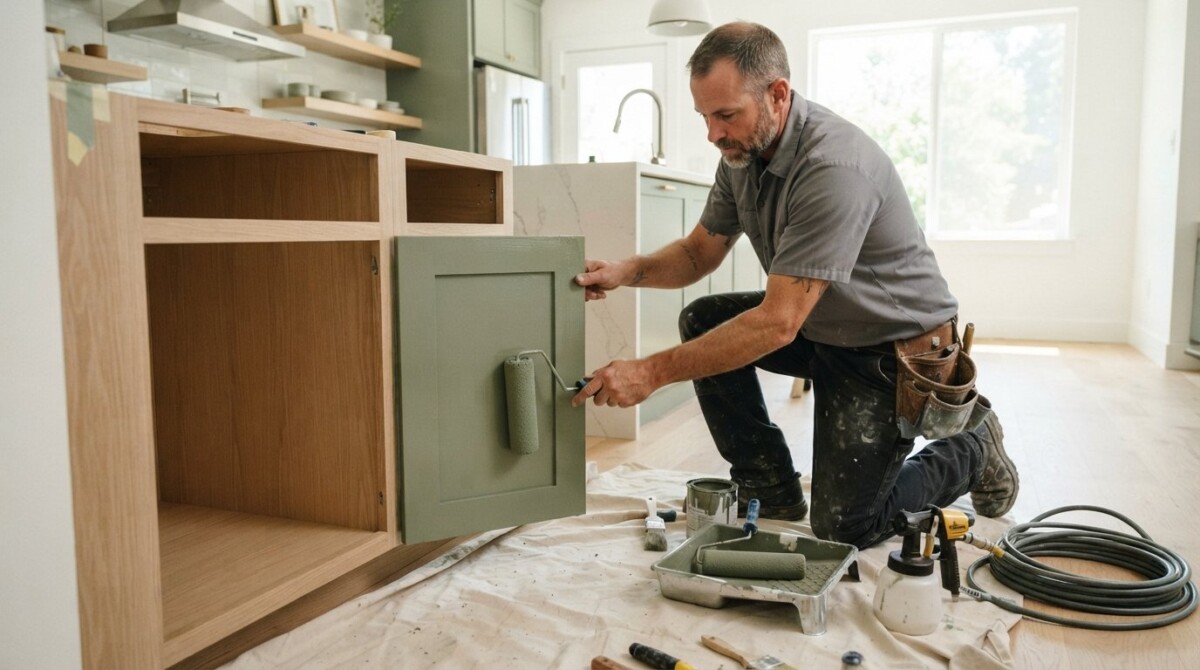
A typical minor kitchen remodel includes replacing cabinet fronts or refacing cabinets, swapping out dated appliances for energy-efficient models, installing new countertops (quartz or granite are popular), and upgrading the sink and faucet. You can also refresh the backsplash and paint. These changes cost far less than a full gut, yet they transform the room’s look and feel.
For example, spending $25,000 on a minor kitchen remodel might add $21,000 to your home’s value, an 85% return. A major upscale remodel costing $80,000 might only add $55,000 in value, a 68% return. The minor remodel puts more money back in your pocket, both immediately and at resale.
If you are a contractor, this data matters for your business too. Homeowners are more likely to approve smaller, high ROI remodeling projects than large-scale overhauls. That means you can close more deals by marketing these targeted upgrades to your leads.
Exterior Upgrades That Boost Curb Appeal and Value
Exterior projects consistently rank among the best high ROI remodeling projects because they create a strong first impression. The front of your home is the first thing buyers see, and a tired, dated exterior can lower perceived value before anyone walks through the door. Conversely, a fresh, welcoming exterior can set a positive tone for the entire showing.
Garage door replacement tops the list, with an average ROI of 93%. A modern, insulated garage door costs around $4,000 installed, and it instantly updates the home’s look. It also improves energy efficiency if the garage is attached to living spaces. Choose a door with a classic design that matches your home’s architectural style, and avoid overly trendy features that might not appeal to future buyers.
Manufactured stone veneer is another exterior upgrade with high returns. Applying stone veneer to the front of your home, or to a porch or entryway, adds texture and elegance. The material is lighter and less expensive than natural stone, yet it looks nearly identical. Expect to spend around $10,000 for a typical installation, with a resale value of about $9,200.
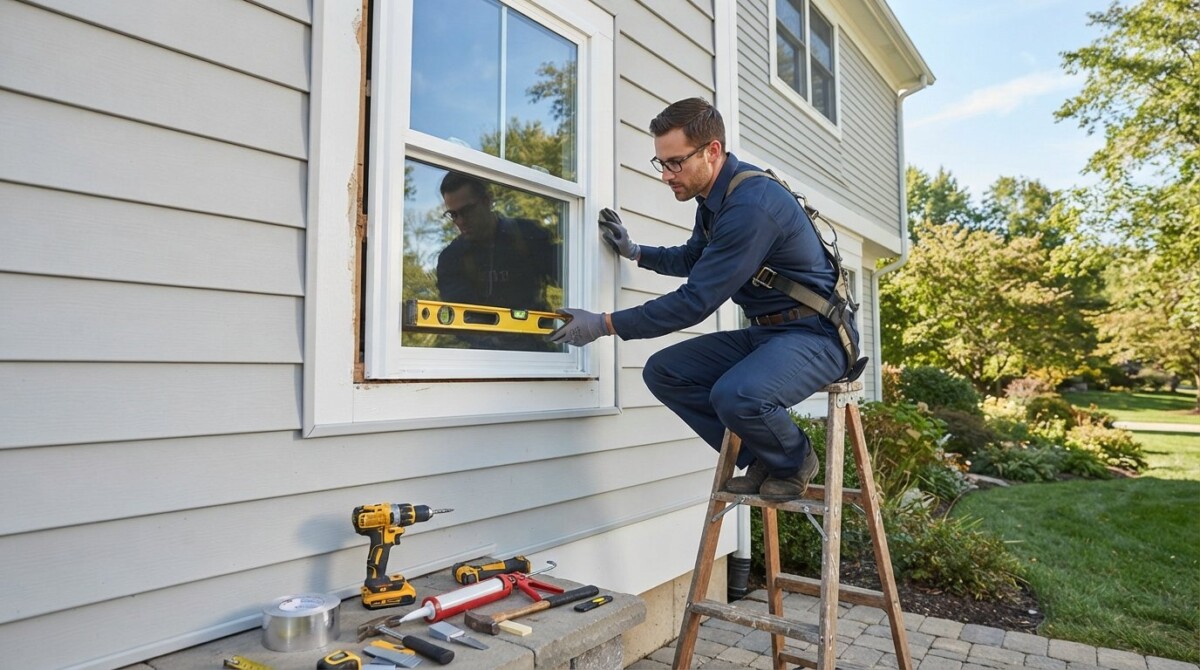
Entry door replacement, while less flashy, offers a 75% return and improves security. A solid steel door with a quality deadbolt and weather stripping costs around $2,000 installed. It also reduces drafts and lowers energy bills, which is a selling point you can highlight in your listing.
For contractors, exterior upgrades are often easier to schedule than interior renovations because they don’t disrupt the homeowner’s daily life. That makes them an attractive option for homeowners who want value without the hassle.
Renovations to Skip: When ROI Does Not Justify the Cost
Not every renovation is a smart investment. Some projects, while enjoyable, will not pay off when you sell. Knowing which ones to skip can save you thousands of dollars and prevent disappointment. The key is to separate personal enjoyment from financial return.
Home offices, for instance, have become more common since remote work surged, but they rarely add significant value. A dedicated office space might appeal to some buyers, but most prefer flexible rooms that can serve multiple purposes. Similarly, an in-law suite or guest house can be expensive to build, and the return varies widely depending on your market. In some areas, a separate living unit is a huge selling point; in others, it’s a liability.
Luxury upgrades like a wine cellar, home theater, or sauna also tend to recoup less than 50% of their costs. These features appeal to a narrow buyer pool, so they rarely drive up the sale price. If you plan to stay in your home for many years and will personally enjoy these amenities, they may be worth the cost. But if your goal is resale value, skip them.
Another project to approach with caution is a pool. In warm climates like Arizona or Florida, a pool can add value, but it also brings maintenance costs and safety concerns. The national average ROI for an in-ground pool is around 40%, and it can actually hurt your home’s appeal to families with young children. Unless you live in a market where pools are expected, this is rarely a high ROI remodeling project.
Instead of these low-return upgrades, focus on the projects we’ve listed above. They offer the best balance of cost and value, and they appeal to the widest range of buyers.
How to Maximize Your ROI on Any Remodel
Even the best high ROI remodeling projects can underperform if executed poorly. To get the most from your investment, follow these steps:
- Set a realistic budget and stick to it. Factor in a 10-15% contingency for unexpected issues, and avoid mid-project upgrades that blow your budget.
- Choose quality materials that fit your neighborhood. Don’t overbuild for your area, but don’t go too cheap either. Aim for mid-range finishes that offer durability and broad appeal.
- Hire a licensed, insured contractor. Quality workmanship directly impacts resale value, and a professional will also help you avoid costly mistakes.
- Keep the layout intact. Moving walls, plumbing, or electrical lines adds significant cost without adding proportional value.
- Get multiple bids. Compare at least three quotes to ensure you’re paying a fair price, and check references before signing a contract.
Following these steps will help you stay on track and achieve the best possible return. It also reduces stress and delays, which is why so many homeowners rely on professional guidance throughout the process.
If you’re a contractor, these same principles apply to your business. When you position high ROI remodeling projects in front of homeowners, you make it easier for them to say yes. That means more leads, more jobs, and more revenue.
Funding Your High ROI Remodeling Projects
Even the most cost-effective remodel requires upfront capital. If you don’t have cash on hand, consider these funding options:
- Home equity loan or HELOC: Borrow against your home’s equity at a lower interest rate than personal loans.
- Cash-out refinance: Replace your current mortgage with a larger one and pocket the difference.
- Personal loan: Unsecured but with higher rates; good for smaller projects under $20,000.
- Credit cards: Use only for small purchases with a 0% intro APR offer, and pay off the balance quickly.
Before borrowing, calculate your expected ROI to ensure the project will increase your home’s value enough to justify the interest costs. For example, a $20,000 kitchen remodel that adds $17,000 to your home’s value might not be worth financing at 12% interest over five years. Run the numbers carefully.
Also, consider the timing. If you plan to sell within a few years, the renovation’s impact on your sale price matters more than your personal enjoyment. If you’re staying for a decade, you have more flexibility to invest in features you love.
The Contractor’s Role in High ROI Remodeling Projects
Behind every successful remodeling project is a skilled contractor. For homeowners, choosing the right professional is just as important as choosing the right project. A good contractor will provide a detailed estimate, communicate clearly, and deliver quality work on schedule. They’ll also help you make cost-effective choices that enhance ROI.
For contractors, the demand for high ROI remodeling projects represents a steady stream of business. Homeowners are always looking for ways to improve their homes without overspending, and they need trustworthy professionals to make it happen. That’s where platforms like HomeRemodelingLeads come in. By connecting contractors with homeowners who are actively seeking renovation services, the platform helps both sides find the right match.
Contractors can purchase pre-qualified leads in categories like bathroom remodeling, roofing, windows, and more. These leads come from homeowners who have already expressed interest in a project, which means less cold-calling and more closing. For homeowners, working with a vetted contractor reduces the risk of hiring an unlicensed or inexperienced worker.
In our guide on high ROI remodeling projects, we explain how to choose the right upgrades for your specific situation. And if you’re wondering about timelines, our homeowner’s guide to remodel timelines offers realistic expectations for how long each project takes. For a more detailed look, our realistic timeline article breaks down the phases of a renovation from planning to final walkthrough.
Regional Differences in ROI
Your location has a major impact on which high ROI remodeling projects make sense. Coastal markets like San Francisco and New York often see higher returns on exterior upgrades because curb appeal is critical in dense neighborhoods. In warmer climates like Phoenix or Atlanta, outdoor living spaces such as decks and patios are especially popular and can boost resale value more than in colder regions.
In the Midwest, where basements are common, finishing a basement can offer a strong return, often around 70% or more. In contrast, basement remodels in the South, where basements are rare, may add little value. Similarly, energy-efficient upgrades like new windows or insulation tend to pay off more in regions with extreme temperatures.
Before you commit to a project, research the local market. Talk to a real estate agent who specializes in your area, and ask what buyers are looking for. A good agent can tell you which renovations will help you sell faster and at a higher price, and which ones won’t move the needle.
For contractors, understanding regional trends is key to marketing your services. If you work in a market where decks are in high demand, highlight your deck-building expertise. If bathroom remodels are the norm, focus your lead generation on those projects.
Making the Most of Your Remodeling Investment
High ROI remodeling projects are not just about resale value. They also improve your daily living experience, reduce maintenance costs, and increase energy efficiency. A new garage door, for example, makes your home more secure and quieter. A minor kitchen remodel makes cooking and entertaining more enjoyable. These intangibles add value beyond the numbers.
To get the best results, plan carefully and work with professionals. Set a budget, choose projects with proven returns, and focus on quality over extravagance. If you’re a contractor, use every tool available to find homeowners who are ready to start their projects. A service like HomeRemodelingLeads can connect you with high-intent leads in your area, so you spend less time marketing and more time building.
Ultimately, the best high ROI remodeling projects are the ones that fit your home, your market, and your goals. By doing your homework and partnering with the right people, you can turn your renovation into a smart investment that pays off for years to come.
About the Author: David