Exterior Painting: How to Attract High-Intent Clients
Exterior painting is one of the most visible and transformative upgrades a homeowner can make. A fresh coat of paint not only boosts curb appeal but also protects the structure from moisture, UV rays, and pests. For contractors, it is a steady source of revenue with relatively low material costs and high perceived value. Yet many painting businesses struggle to find homeowners who are actually ready to book. The gap between a homeowner’s casual interest and a signed contract is where most leads are lost. This article explores how exterior painting professionals can refine their service offering, price their work effectively, and connect with homeowners who are actively searching for their help.
Homeowners often delay exterior painting because they worry about disruption, cost, or choosing the wrong color. When they do decide to act, they typically search for local painters, compare estimates, and look for proof of quality. That decision window is brief, and it favors contractors who appear quickly with a clear, professional pitch. If you are a painting contractor, your ability to win these jobs depends on how well you position your business before the homeowner even calls. This guide will cover the practical side of exterior painting, from surface preparation to final inspection, and show you how to turn a single job into a pipeline of referrals.
Why Exterior Painting Is a High-Value Service for Contractors
Exterior painting is not just a cosmetic upgrade. It is a protective measure that extends the life of siding, trim, and doors. A quality paint job can last five to ten years, depending on climate and material. Homeowners who invest in exterior painting are typically looking to sell their home within a few years or want to avoid costly wood replacement. This makes them willing to pay for expertise, not just the lowest price.
For contractors, exterior painting offers several advantages over other trades. The work is seasonal but predictable, with peak demand in spring and fall. It requires fewer specialized tools than roofing or HVAC, and the skill gap is manageable for a trained crew. Most importantly, the results are highly visible, which means satisfied customers become walking advertisements. A well-executed paint job on one street can generate multiple inquiries from neighbors.
Preparing the Surface: The Non-Negotiable First Step
Every durable exterior paint job starts with surface preparation. Skipping this step is the fastest way to invite callbacks, peeling, and a damaged reputation. The preparation process varies by material, but the core steps remain the same: clean, scrape, sand, and prime. Pressure washing removes dirt, mildew, and loose paint. Scraping and sanding smooth out rough areas and feather the edges of old paint. Priming seals bare wood and provides a uniform base for the topcoat.
One common mistake is painting over surfaces that still have moisture. Wood must be dry, and masonry must be free of efflorescence. Contractors should check the weather forecast and schedule work for days with low humidity and no rain in the immediate forecast. Also, do not assume that a surface is ready just because it looks clean. Always run a hand over the siding and check for chalky residue, which indicates oxidation and requires special bonding primers.
Here is a quick checklist to share with your crew or your clients before any exterior painting project begins:
- Inspect for rot, insect damage, or loose nails and repair before painting.
- Pressure wash at the correct setting to avoid forcing water behind siding.
- Scrape all loose paint and sand edges to create a smooth transition.
- Apply a high-quality primer suited to the surface material.
- Caulk all gaps around windows, doors, and corners, but never caulk weep holes.
Each of these steps takes time, but they are the difference between a five-year paint job and a fifteen-year one. When you explain this to homeowners, they understand why your estimate is not the cheapest. It is also a chance to upsell additional services like wood replacement or gutter cleaning, which increases your average ticket size.
Choosing the Right Paint and Application Method
The paint you choose determines both the look and the longevity of the job. Acrylic latex is the standard for most wood and fiber cement siding because it expands and contracts with temperature changes. Oil-based paints are still used for trim and doors in some regions, but they are less common due to VOC regulations and cleanup requirements. For stucco, elastomeric paint provides a thicker, crack-bridging film, though it requires careful application to avoid trapping moisture.
Application method matters too. Brushes and rollers give the best coverage and control, especially on textured surfaces. Sprayers are faster but require back-brushing to work paint into the surface and avoid thin spots. Many contractors use a combination: spray large areas, then back-roll and cut in by hand. This hybrid approach is efficient and delivers a consistent film thickness. Also, be mindful of temperature. Most paints have a minimum application temperature, usually around 50 degrees Fahrenheit, and direct sunlight can cause paint to dry too quickly and leave lap marks.
Pricing Your Exterior Painting Jobs
Pricing an exterior painting project is more than multiplying square footage by a rate. You must account for surface condition, number of stories, access challenges, and the cost of materials. A typical range is $1.50 to $4.00 per square foot for labor and materials, but this varies widely by region and the complexity of the job. For example, a two-story house with steep rooflines will cost more per square foot than a single-story ranch.
Instead of guessing, create a detailed estimate that breaks down labor, materials, and profit. Include line items for prep, primer, paint, caulk, and any repairs. This transparency builds trust with the homeowner and reduces the chance of disputes later. Also, consider offering a warranty on your workmanship. A one-year or five-year warranty shows confidence and gives the homeowner peace of mind. It also gives you a reason to follow up, which can lead to repeat business and referrals.
How to Get More Exterior Painting Jobs
Even the best painting crew cannot succeed without a steady flow of leads. Word-of-mouth is powerful, but it is slow. To grow your exterior painting business, you need a mix of online visibility and local networking. Start by optimizing your Google Business Profile with photos of recent projects and positive reviews. Homeowners searching for “exterior painting near me” will compare your profile to competitors, so make sure yours is complete and up to date.
Another effective strategy is to partner with other home improvement professionals. Roofers, window installers, and siding contractors often encounter homeowners who also need painting. A referral agreement can be mutually beneficial. Additionally, consider offering a small discount for referrals from past clients. When a homeowner is thrilled with their new paint job, they are happy to recommend you to friends and family.
If you are looking for a more direct approach, buying exterior painting leads from a reputable source can fill your calendar quickly. HomeRemodelingLeads connects painting contractors with homeowners who have already expressed interest in exterior painting services. These are not cold calls; they are people who filled out a form or called a number because they want a quote. This saves you time on marketing and lets you focus on what you do best: painting. You can choose leads by zip code and project size, so you only pay for opportunities that fit your service area and capacity.
Managing the Job from Start to Finish
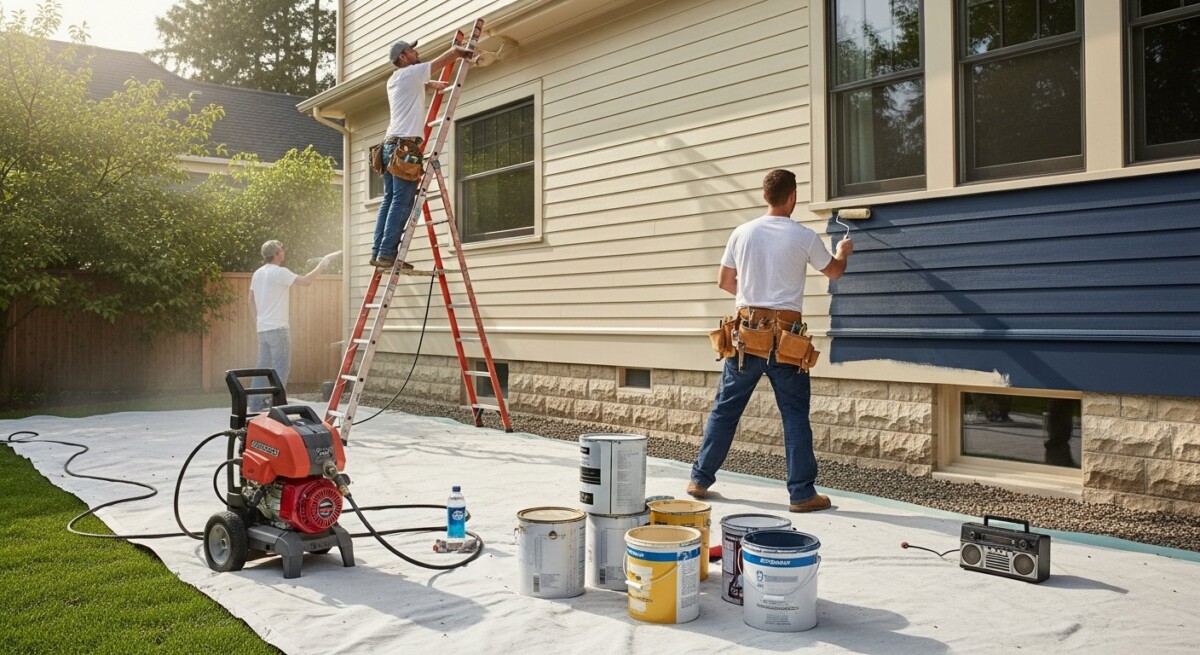
A successful exterior painting project is a carefully choreographed sequence. It begins with a detailed walkthrough and a written contract that specifies the scope, timeline, and payment schedule. On the first day, your crew should protect the property with drop cloths, tape off windows and fixtures, and complete all surface preparation. Then comes priming and the first coat of paint. Depending on the color change and the condition of the surface, a second topcoat is almost always necessary.
Communication is critical throughout the job. Send the homeowner a schedule update each morning, and never leave the site without cleaning up. At the end of the project, do a final walkthrough together. Walk around the house, check the trim, and point out any areas that may need touch-up. Leave the homeowner with care instructions, such as how long to wait before washing the exterior or when to recaulk. This level of professionalism leads to five-star reviews and repeat business.
One of the biggest challenges contractors face is managing cash flow. Exterior painting jobs can last several weeks, and you may need to pay for materials upfront. A deposit of 30% to 50% is standard, with the balance due upon completion. For larger projects, consider a progress payment schedule. This protects you from a homeowner who delays payment, and it also gives the homeowner a sense of control over the process.
Marketing Your Exterior Painting Services
Your marketing should highlight the transformation you deliver. Before-and-after photos are the most persuasive tool you have. Post them on your website, social media, and in your email signature. Video walkthroughs are even better, as they show the texture of the paint and the quality of the finish. Do not forget to ask every happy client for a Google review. Five or ten positive reviews can outrank a competitor with none.
In addition to digital marketing, consider direct mail to neighborhoods where you have recently completed a job. A simple postcard with a photo and a special offer for neighbors can generate leads for weeks. Also, join your local chamber of commerce or a business networking group. These connections often lead to commercial painting opportunities, which can be more profitable and less seasonal than residential work.
When to Outsource Lead Generation
Running a painting business leaves little time for cold calling and door knocking. Many successful contractors use a lead generation service to maintain a steady pipeline. These services provide vetted homeowners who are asking for a quote, so your sales pitch can focus on your unique value rather than convincing someone they need a paint job. The cost per lead is often lower than the cost of a single hour of marketing labor, and the ROI is easier to measure.
When choosing a lead provider, look for one that offers exclusivity and geographic targeting. You do not want to pay for a lead that was sent to five other contractors. HomeRemodelingLeads offers exclusive leads in your service area, so you are not competing with a dozen other painters for the same appointment. This increases your close rate and makes your follow-up calls more productive. You can also set your budget and pause or resume service as your schedule fills.
Another benefit of buying leads is the speed. A homeowner who submits a request today is likely to hire within the next two weeks. If you respond within an hour, you are twice as likely to get the job as a contractor who waits a day. Set up alerts on your phone so you never miss a new lead. A quick, professional callback with a clear quote will set you apart from the competition.
Final Thoughts
Exterior painting is a rewarding trade that combines craftsmanship with visible results. By focusing on preparation, using quality materials, and pricing your work fairly, you can build a reputation that attracts repeat customers and referrals. The biggest challenge is not the painting itself, but finding homeowners who are ready to hire. A reliable lead source can solve that problem, allowing you to spend your time on the work you enjoy. If you are ready to grow your exterior painting business, consider partnering with a lead generation service that understands your industry. It could be the difference between a slow season and a fully booked calendar.
About the Author: Mason Caldwell